Understanding Emotional Comfort Products and the Comfort Economy
Ever catch yourself stress-buying a weighted blanket at 11 p.m., hoping it’ll calm your mind faster than your thoughts can spiral? That’s exactly where emotional comfort products come in—and why the comfort economy is exploding worldwide.
What Are Emotional Comfort Products?
When I talk about emotional comfort products, I mean any physical or digital item designed to help you feel calmer, safer, or more emotionally grounded, for example:
- Weighted blankets & plush cushions for stress relief
- Aromatherapy diffusers & candles for mood support
- Journals, affirmation cards, and mindfulness tools
- Soothing sound machines & sleep aids
- Anxiety relief tools like fidget devices or sensory items
These aren’t just “nice to have” lifestyle extras anymore—they’ve become everyday emotional support products people rely on to function in a high-stress world.
The Concept of the Comfort Economy
De comfort economy is the growing market built around products and services that reduce stress and support emotional well-being. Instead of flexing status or luxury, people are now investing in:
- Stress relief products that make daily life feel more manageable
- Self-care products that help with emotional reset after work or school
- Wellness-focused tech like meditation apps or sleep trackers
In my own business, I’ve seen a clear shift: customers in the United States now ask, “Will this actually make me feel calmer?” before they ask about colors or style. That’s the comfort economy in action.
Mental Health Awareness Drives Demand
As mental health awareness goes mainstream, there’s less shame around needing support—and more demand for tools that actually help. Social media, therapy culture, and open conversations about anxiety and burnout have pushed:
- Emotionele steunvoorwerpen into everyday shopping carts
- Mindfulness products into normal routines, not just wellness retreats
- Emotional health–focused consumer behavior, especially among Gen Z and Millennials
People aren’t just buying “stuff.” They’re buying emotional stability, better sleep, and daily stress management.
Global Market Growth Statistics
The numbers back it up:
- De mental health products market en global emotional well-being products sector are growing at a steady, strong pace year over year.
- Categories like stress relief products worldwide, self-care products, and anxiety relief tools are among the fastest-growing segments in the broader wellness industry.
- In the US market, we’re seeing repeat purchases and subscription interest for self-soothing products, showing that this isn’t a trend—it’s a new baseline.
Put simply: the comfort economy is no longer a niche. Emotional comfort products are becoming standard household essentials, not optional extras.
What the Numbers Actually Show
According to recent wellness industry reports, the global mental wellness market exceeded $150 billion and continues to expand as consumers prioritize stress management, sleep improvement, and emotional well-being. Categories such as mindfulness apps, sleep products, sensory comfort items, and therapeutic support products have consistently outperformed many traditional consumer wellness segments. In the United States, emotional wellness spending has shifted from occasional purchases to recurring consumption, creating strong opportunities for subscription services and repeat-purchase product categories.

Key Drivers Behind the Global Growth of Emotional Comfort Products
Societal shifts and modern stress
Modern life in the U.S. is wired for stress: long work hours, constant notifications, money pressure, and less real downtime. That’s why emotional comfort products are booming. People are reaching for stress relief products, weighted blankets, mindfulness tools, and even realistic emotional support items to create instant calm at home. Instead of just “toughing it out,” consumers now proactively build a comfort routine into their day.
Mental health awareness goes mainstream
Mental health talk has gone from taboo to totally normal. From TikTok therapists to workplace wellness programs, emotional health en self-care products are now part of everyday life. This shift is driving the mental health products market, especially in the U.S., where people want practical, affordable tools—like anxiety relief tools, sensory objects, and emotional comfort innovations—they can use between therapy sessions or instead of it.
Pandemic impact on self-care habits
COVID-19 locked people in their homes and pushed anxiety through the roof, but it also taught Americans how to self-soothe. Sales of emotional comfort products, aromatherapy, reborn dolls, and cozy home goods spiked as people built personal “comfort corners” and nighttime routines. Many of those habits stuck, fueling long-term comfort economy growth as shoppers continue to invest in items that make them feel grounded and safe.
Cultural influences: hygge vs U.S. self-care
Global trends like hygge lifestyle products from Scandinavia (think warmth, soft lighting, and simple pleasures) fused with the U.S. version of self-care—personalized, convenient, and often tech-enabled. In the American market, that looks like:
- Weighted plush toys and self-soothing products
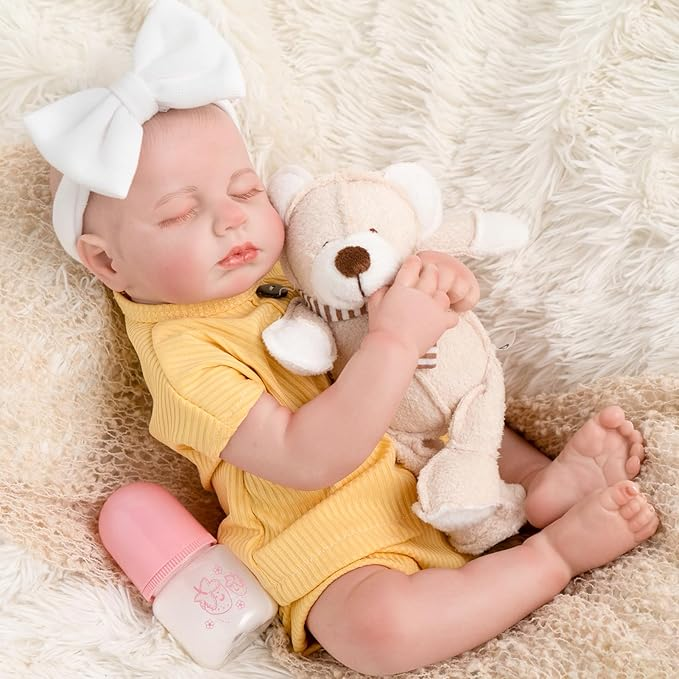
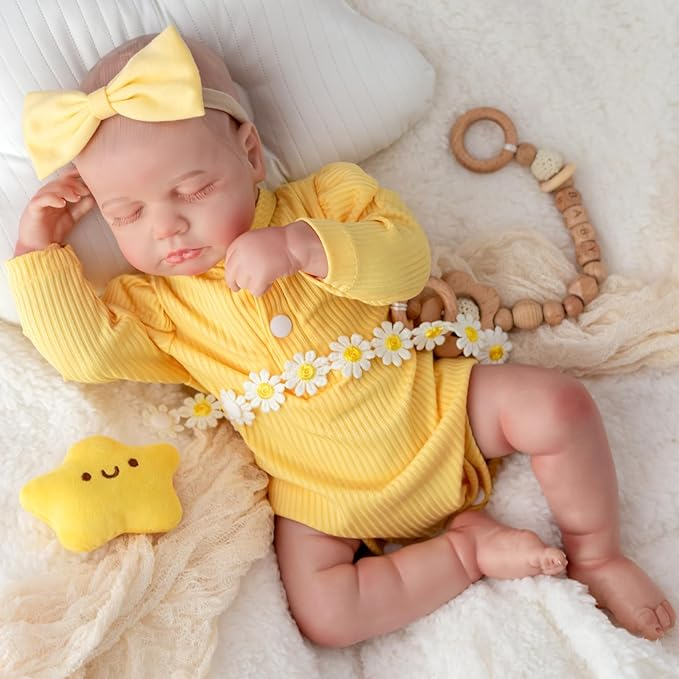
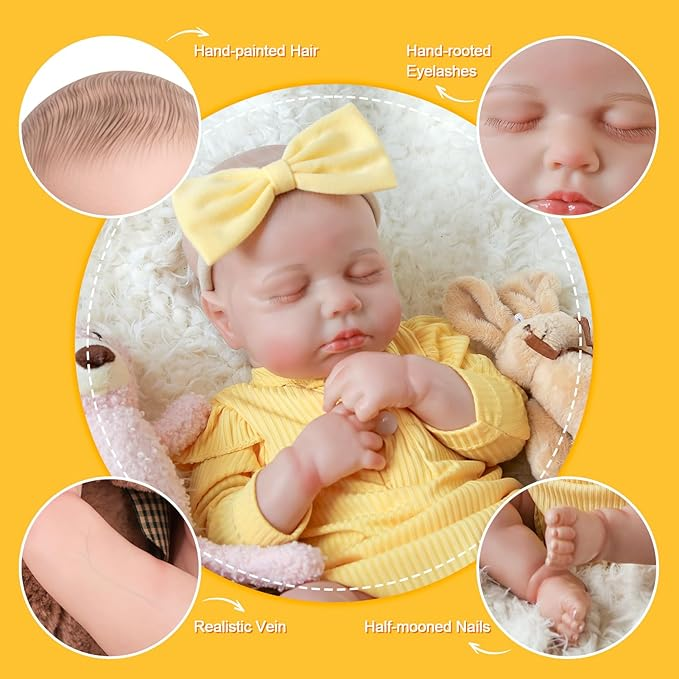
- Highly realistic comfort dolls, like a weighted platinum silicone reborn doll designed to mimic the feel of a real baby for emotional support
- DIY spa nights, scented rooms, and curated comfort kits
This mix of coziness and customization is pushing global emotional well-being products to new heights.
Technological advancements in product design
Tech is quietly reshaping the emotional comfort products trends we’re seeing. Today’s comfort items are:
- More realistic: Ultra-soft materials and lifelike details in products like a best silicone reborn doll give users a stronger emotional connection.
- More functional: Smart stress relief tools, app-guided meditation devices, and adaptive lighting systems help users regulate mood.
- More personalized: Different weights, textures, and sensory features let customers dial in exactly how they want to feel.
These emotional comfort innovations make products more effective and keep demand climbing across the comfort economy worldwide.
Consumer Behavior and Market Trends Fueling the Boom
Wellness Over Materialism
In the U.S., more people are spending on how they feel instead of what they own. Emotional comfort products trends show buyers choosing:
- Stress relief products and calming tools over luxury “status” items
- Emotional support products like weighted blankets, anxiety relief tools, and soothing dolls
- Self-care products that fit into daily routines (bedtime, commute, work breaks)
This “wellness over materialism” mindset is a big driver of comfort economy growth and the wider mental health products market.
Social Media and Influencer Impact
Social media makes emotional support items go viral overnight. Influencers share:
- “Evening reset” or “Sunday reset” routines packed with self-soothing products
- Anxiety relief tools, mindfulness products, and comfort products for stress in unboxing or “TikTok made me buy it” videos
User-generated content acts as proof these products “work,” pushing global emotional well-being products into the mainstream and building demand fast.
Rise of Personalized Emotional Support Products
U.S. shoppers want emotional comfort products that feel personal en specific to their stress, age, or life stage. That’s why we see:
- Custom colors, textures, and scents for emotional comfort innovations
- Personalized self-soothing products, including items like therapeutic reborn dolls for dementia and grief that target very specific emotional needs
- Bundled emotional support kits tailored to sleep, anxiety, grief, or burnout
Personalization increases trust, usage, and long-term loyalty.
Market Segmentation by Generation
Different age groups drive different parts of the comfort economy:
- Gen Z: Heavy users of emotional comfort products, mindfulness products, and anxiety relief tools; influenced strongly by TikTok and Instagram.
- Millennials: Focus on holistic wellness industry trends, work stress, and parenting stress; big buyers of home-based stress relief products.
- Gen X & Boomers: More interested in practical comfort products for stress, sleep, and aging; therapeutic items like realistic baby dolls with emotional and developmental benefits also cross into grandparent and caregiver use.
Understanding this emotional health consumer behavior keeps brands aligned with real, everyday needs—and explains why emotional comfort products keep booming worldwide.
Economic and Business Implications of the Comfort Economy
The comfort economy isn’t a side trend anymore—it’s a full-on business ecosystem. Emotional comfort products, from stress relief tools to emotional support items, are now a core part of the global wellness industry and a serious growth channel for brands in the U.S. and worldwide.
Market growth and business opportunities
The emotional comfort products market is growing fast as more people prioritize emotional well-being over just buying “stuff.” Demand spans categories like:
- Self-care and stress relief products (weighted blankets, aromatherapy, anxiety relief tools)
- Emotional support products (comfort plush, reborn dolls, cozy home goods)
- Mindfulness products (journals, calming kits, meditation tools)
For U.S. businesses, this opens clear opportunities:
- Niche branding around emotional comfort, anxiety relief, or mindful living
- Product lines tailored by life stage, like college stress kits or new-parent comfort bundles
- Private label and customization, especially in categories like highly realistic reborn baby comfort dolls that directly target emotional support and self-soothing needs
If you design or sell emotional comfort products, now is the time to lean into clear positioning: what specific emotional need you solve (stress, loneliness, burnout) and for who (Gen Z, moms, seniors, remote workers).
Challenges: oversaturation and authenticity
With this boom comes a big risk: oversaturation. Everyone is slapping “self-care” and “comfort” on products, and U.S. shoppers are getting more skeptical.
Key challenges:
- Copycat products flooding marketplaces with low quality
- Fake wellness claims that don’t match the actual experience
- Comfort-washing, similar to greenwashing—brands using emotional comfort language without delivering real value
To stand out, brands need to:
- Be specific about what kind of emotional comfort the product offers
- Use honest, grounded language, not overpromises
- Back claims with real user stories, reviews, and demos
- Focus on quality and durability, especially for tactile comfort items like plush, pillows, and lifelike platina siliconen reborn poppen used for emotional support, grief comfort, or anxiety relief
Authenticity is now a business asset. In the comfort economy, trust sells.
Eco-friendly and sustainable comfort products
Another major shift: U.S. customers want emotional comfort that doesn’t come with environmental guilt. This is fueling growth in eco-friendly and sustainable comfort products:
- Organic or recycled materials in blankets, plush toys, and self-soothing products
- Low-waste packaging and minimal plastic
- Long-lasting, repairable designs instead of disposable “quick fix” items
Positioning a product as both emotionally soothing en environmentally responsible is a powerful differentiator. It signals that the brand cares about long-term well-being—both for people and the planet—while still delivering the emotional comfort people are actively searching for.
The Future of Emotional Comfort Products Worldwide
The future of emotional comfort products worldwide is heading into a more tech-driven, always-available comfort economy. I’m already seeing U.S. customers ask for support tools that are smarter, more personal, and more convenient than anything we had even five years ago.
AI and VR Emotional Support Tools
AI and VR are changing what “comfort” even means:
- AI emotional support tools can analyze mood patterns, track stress, and offer real-time coaching or soothing suggestions based on sleep, screen time, and daily habits.
- VR-based emotional comfort products create immersive calm spaces—virtual beaches, cabins, or cozy rooms—for quick stress relief and guided mindfulness.
- Paired with physical emotional comfort products like weighted blankets or realistic platina siliconen reborn poppen, these tools deliver both digital and tactile comfort at the same time.
For U.S. consumers who want fast, private relief after work, during travel, or even between Zoom calls, AI and VR emotional support products are becoming a natural add-on to their self-care routine.
Subscription-Based Comfort Services
Subscription-based comfort services are turning emotional support into a steady, predictable part of everyday life:
- Monthly boxes with self-care and emotional support items (candles, journals, stress relief tools, self-soothing products).
- App subscriptions for guided meditation, sleep stories, anxiety relief tools, and personalized wellness plans.
- Membership programs that ship updated emotional comfort products each season, tailored to mood, lifestyle, or even age group.
For U.S. households, this fits how people already live—set it once, auto-renew, and always have fresh comfort tools on hand without overthinking every purchase.
Future Challenges and Consumer Trust
Even with all this growth in the comfort economy, the next phase will live or die on trust:
- Data privacy and AI transparency: Customers will demand to know how their emotional data is used, stored, and protected.
- Authenticity vs. gimmicks: With so many emotional comfort products on the market, people will quickly spot and reject “fake calm” products that overpromise and underdeliver.
- Ethical marketing: Brands must be careful not to exploit mental health struggles just to sell stress relief products and mindfulness tools.
- Sustainable emotional comfort products: Eco-conscious U.S. buyers will expect comfort items—especially physical emotional support products like weighted or realistically weighted reborn dolls—to be responsibly made and long-lasting.
The growth of emotional comfort products is not simply a consumer trend—it reflects a broader shift in how people define well-being. Around the world, consumers are looking for products that help them feel calmer, safer, and more emotionally balanced in everyday life. Whether through technology, sensory experiences, self-care routines, or therapeutic support products, the comfort economy is becoming a permanent part of modern consumer behavior. For brands, retailers, and manufacturers, understanding this shift may be one of the most important opportunities of the next decade.
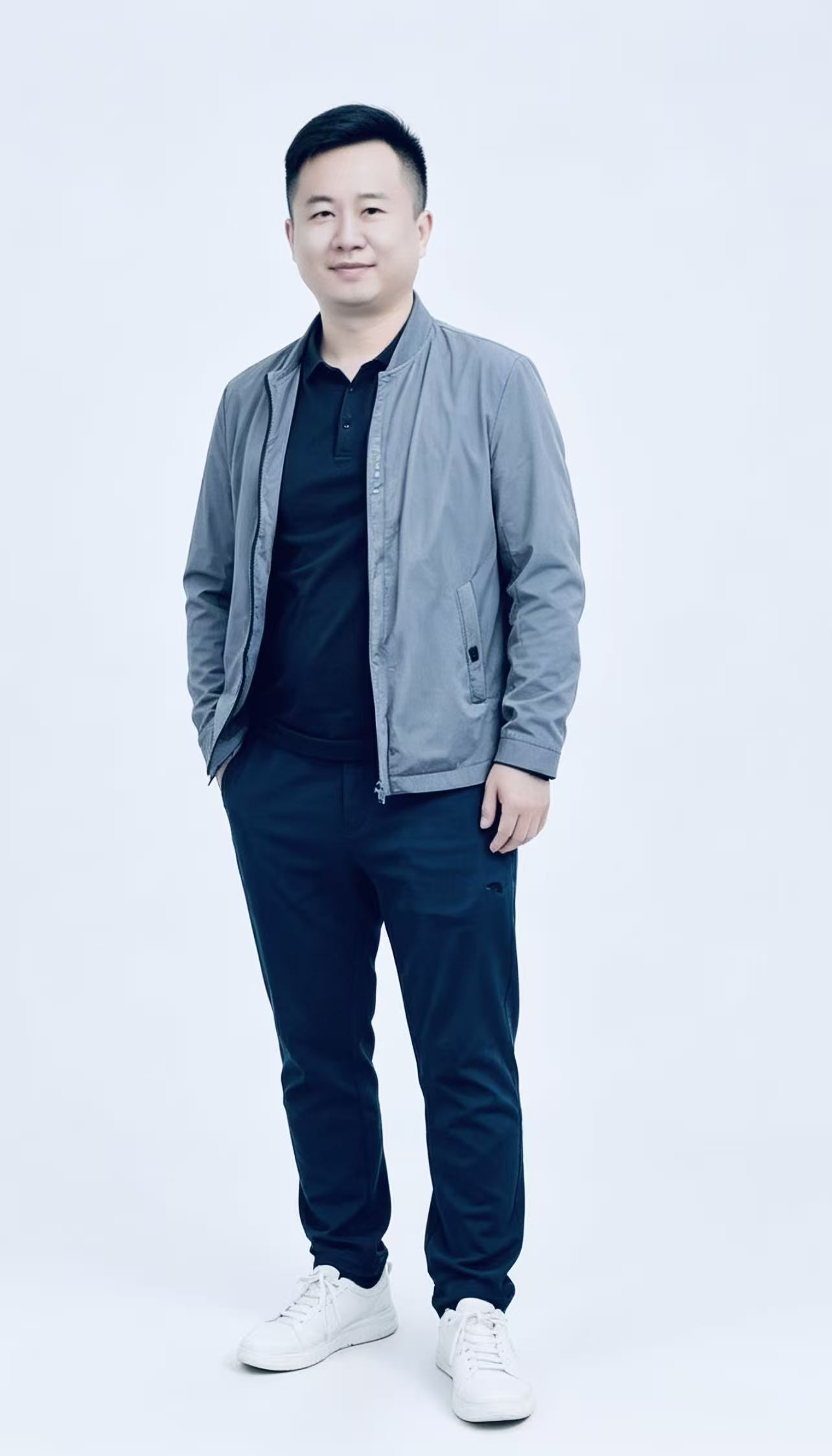
Owen is de tweede generatie oprichter van Sueban Group, een fabrikant van reborn dolls gevestigd in Guangdong, China. Met meer dan 20 jaar familie-erfgoed in de productie, leidt Owen de B2B-activiteiten van het bedrijf en bedient hij groothandels, merken en institutionele kopers in meer dan 20 landen.
Ontmoet Owen
 English
  Deutsch
  Français
  Español
  Italiano
  Nederlands