Why the Industry is Prioritizing Non Drug Dementia Care
As we look toward the future of memory support, the landscape is shifting dramatically. We are seeing a massive industry-wide pivot toward non-pharmacological solutions for dementia care in 2026. Relying heavily on medications to manage behavioral symptoms is no longer the standard. Instead, modern senior care solutions focus on understanding the root causes of distress to provide safer, more effective relief.
The “Behavior as Communication” Paradigm
We now approach dementia behavioral management through a critical lens: behavior is communication. When a patient exhibits agitation, aggression, or wandering, they are not simply acting out. They are trying to express an unmet need—whether it is hidden physical pain, thirst, fear, or environmental overstimulation. By identifying and addressing these underlying triggers directly, we remove the immediate reflex to use chemical sedatives.
Regulatory Push for Alternative Treatments
Medical guidelines and regulatory bodies are strictly enforcing new standards that protect vulnerable seniors. Alternative treatments for dementia are now widely mandated as the first-line defense.
- Strict Medication Limits: Regulators are cracking down on the overuse of antipsychotics due to their severe side effects.
- First-Line Protocols: Care providers must now document and prove they have exhausted non drug dementia care options before any behavioral medications are prescribed.
- Focus on Holistic Care: Guidelines now reward facilities that integrate sensory and psychological interventions into daily routines.
Protecting Dignity and Well-Being
The shift away from heavy medication has a profound, direct impact on the individual. We prioritize these holistic methods because they protect what matters most to families and patients alike:
- Enhanced Physical Safety: Without the severe grogginess and dizziness caused by sedatives, the risk of devastating falls and rapid mobility loss drops significantly.
- Improved Emotional Health: Patients remain mentally present, allowing them to experience genuine joy, engage with therapy tools elderly individuals enjoy, and maintain family connections.
- Preserved Dignity: Treating the person’s actual needs rather than just suppressing their symptoms honors their humanity, keeping their personality intact for as long as possible.


Breakthrough Technological Therapy Tools for the Elderly (2026 Trends)
As we move into 2026, technology has become a cornerstone of non-pharmacological solutions for dementia care. We are moving away from heavy sedation and toward high-tech, low-impact interventions that stabilize mood and improve daily function. These therapy tools for the elderly are designed to be intuitive, non-invasive, and highly effective at managing behavioral symptoms.
Virtual Reality (VR) Reminiscence Therapy
Virtual Reality has evolved into a sophisticated tool for “digital reminiscence.” By using immersive, low-stimulation environments, we can transport seniors to familiar settings from their past—such as a quiet 1950s neighborhood or a peaceful beach. This helps reduce anxiety by providing a controlled, safe space for memory recall without the sensory overload of the modern world.
AI-Powered Companion Pets and Realistic Dolls
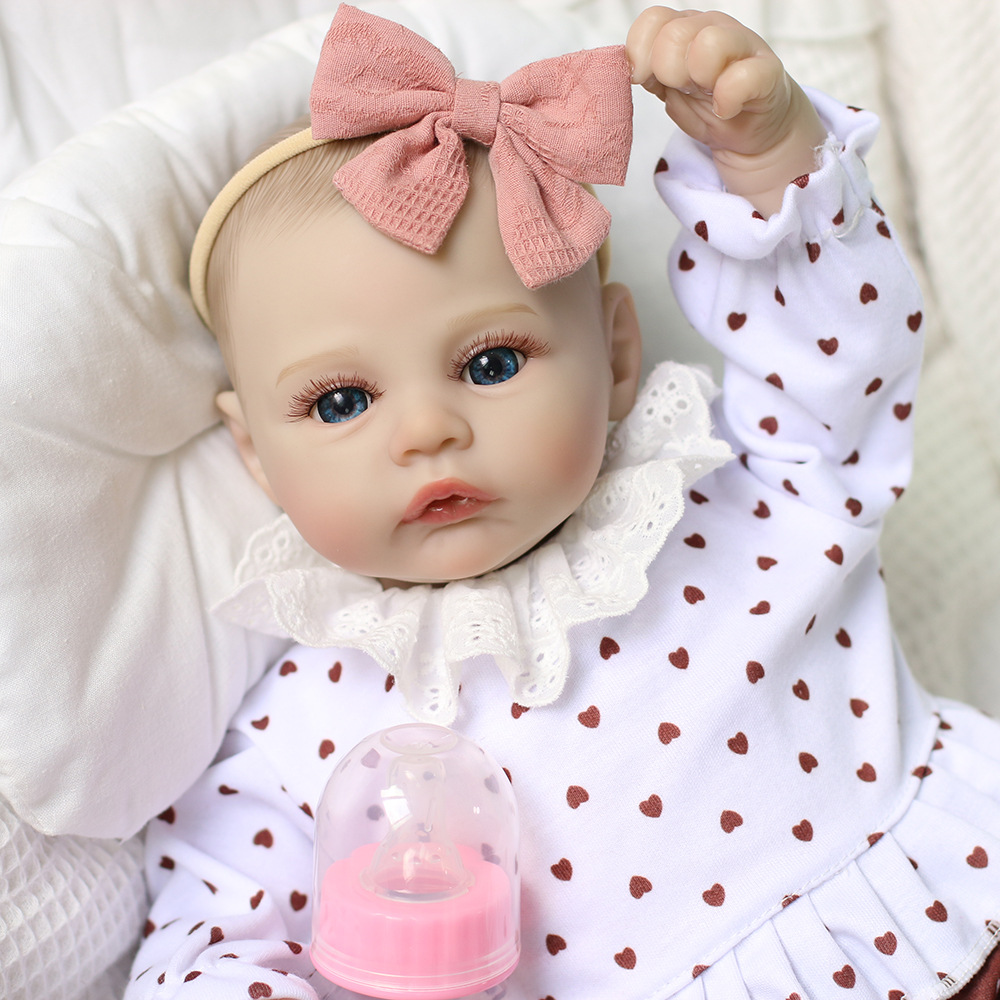
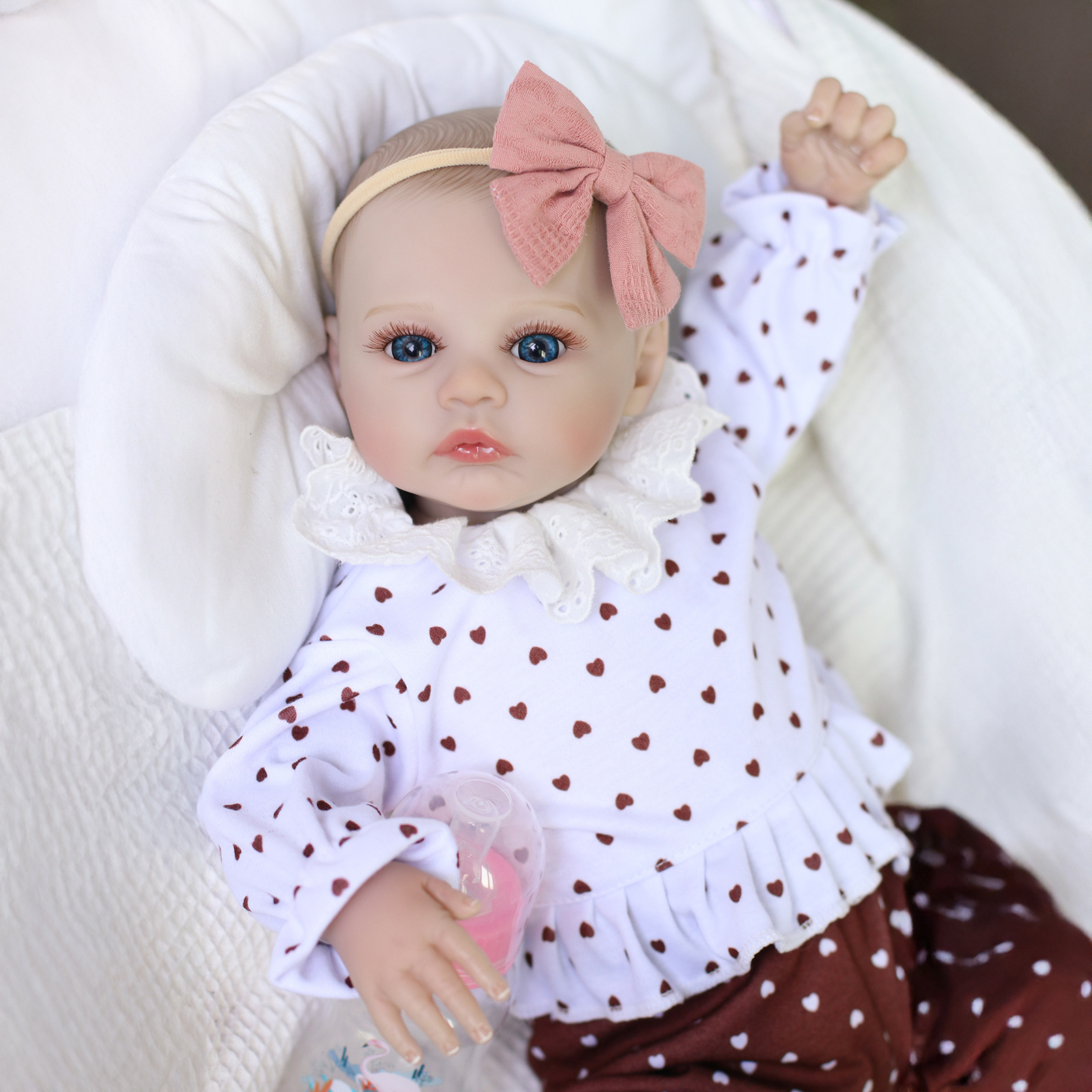
One of the most effective senior care solutions for reducing agitation is the use of tactile, responsive companions. AI-powered robotic pets and high-quality lifelike dolls provide a sense of purpose and emotional security. For many, our interactive dolls for seniors serve as a vital therapeutic bridge, offering the weight and realism needed to soothe “searching” behaviors and combat deep-seated loneliness.
Smart Sensory Lighting Systems
Managing the internal clock is critical for dementia patients. AI in dementia care now includes smart sensory lighting that syncs with circadian rhythms. These systems automatically adjust color temperature throughout the day:
- Morning: Bright, blue-toned light to increase alertness and suppress melatonin.
- Evening: Warm, amber tones to trigger natural sleep cycles.
- Impact: This technology is a primary defense against sundowning syndrome, significantly reducing late-day confusion and nighttime wandering.
| Technology | Primary Benefit | 2026 Trend Focus |
|---|---|---|
| VR Reminiscence | Memory stimulation | Low-stimulation, immersive safety |
| AI Companions | Reduced agitation | Tactile comfort and emotional bonding |
| Smart Lighting | Circadian regulation | Automated sundowning prevention |
By integrating these virtual reality dementia therapy tools and sensory systems, we provide a higher standard of care that respects the patient’s dignity while minimizing the need for chemical intervention.


Proven Psychological and Sensory Interventions
In 2026, the shift toward non-pharmacological solutions for dementia care focuses heavily on engaging the senses to bypass cognitive barriers. We prioritize interventions that tap into long-term memory and emotional centers of the brain, providing relief without the side effects of traditional sedatives.
Personalized Music Therapy
Music remains one of the most powerful tools for sensory stimulation therapy. By creating personalized playlists that reflect a patient’s youth or cultural background, we can stimulate neural pathways that remain intact even in advanced stages of Alzheimer’s.
- Mood Elevation: Reduces symptoms of depression and social withdrawal.
- Rhythmic Entrainment: Helps improve motor coordination and reduces pacing.
- Memory Triggering: Familiar songs often unlock verbal communication in non-verbal patients.
Aromatherapy and Olfactory Stimulation
The olfactory system has a direct line to the amygdala and hippocampus. We utilize specific essential oils as part of a holistic senior care solution to manage behavioral symptoms naturally.
- Lavender: Widely used in the evening to reduce agitation and promote better sleep cycles.
- Lemon Balm: Proven to lower high levels of anxiety and improve focus during meal times.
- Peppermint: Used in the morning to stimulate appetite and alertness.
Cognitive Stimulation Therapy (CST) and Tactile Engagement
Maintaining executive function requires structured, meaningful engagement. CST involves themed group activities that encourage “thinking” rather than “remembering,” which reduces the frustration often felt during memory loss.
Beyond verbal exercises, tactile comfort plays a massive role in emotional regulation. Many caregivers find that providing a sense of companionship through high-quality realistic vinyl reborn dolls helps ground patients, offering a soothing, weighted presence that reduces the urge to wander. These therapy tools for the elderly serve as a bridge for those who struggle with traditional social interaction, providing a safe outlet for nurturing instincts and reducing the “empty-handed” agitation common in mid-to-late stage dementia.
Structured Cognitive Activities
- Word Association: Keeps language centers active through low-pressure games.
- Categorization Tasks: Sorting objects by color or shape to maintain logical processing.
- Reminiscence Triggers: Using physical objects from the past to spark storytelling and social connection.


Environmental Modifications: Designing a Dementia-Friendly Environment for 2026
Creating a safe, dementia-friendly environment is one of the most effective non-pharmacological solutions for dementia care in 2026. By modifying the physical space, we can drastically reduce the confusion and “exit-seeking” behaviors often seen in memory care. I focus on three core areas to ensure the environment supports the resident’s independence:
- High-Contrast Color Strategies: We use bold color contrasts to help seniors distinguish between objects and surfaces. For example, a dark toilet seat against a light floor prevents “missing” the seat, while a bright plate helps them see their food, significantly reducing the risk of falls and malnutrition.
- Dedicated Quiet Zones: To combat sensory overload, we design low-stimulation areas. These “nooks” are free from loud TVs or heavy foot traffic. In these peaceful areas, many caregivers find that weighted reborn dolls provide a grounding, tactile experience that helps residents self-soothe without the need for sedation.
- Wander-Management Layouts: Instead of dead-end hallways—which cause frustration and agitation—we implement circular walking paths. This allows for safe, unrestricted movement, letting seniors satisfy their urge to walk without hitting a locked door.
These environmental tweaks are a cornerstone of alternative treatments for dementia, ensuring the home or facility feels like a sanctuary rather than a maze. By prioritizing a dementia-friendly environment, we minimize the triggers that lead to distress, making daily life smoother for both the senior and the caregiver.


Empowering the Caregiver: Education as a Solution
In 2026, the most effective non-pharmacological solutions for dementia care start with the person providing the support. Education isn’t just about learning facts; it is about mastering the emotional and tactical skills required to manage complex behaviors without relying on sedation or restraints.
Validation Therapy: Joining Their Reality
Traditional “reality orientation” often leads to unnecessary conflict. We prioritize validation therapy, which involves entering the patient’s current frame of mind rather than correcting them. If a loved one believes they need to go to work, we acknowledge the importance of their job rather than arguing about the date. This approach preserves dignity and prevents the “fight or flight” response triggered by constant correction.
De-escalation Strategies for Agitation
Sudden aggression or agitation is often a reaction to environmental stress or unmet needs. Effective dementia behavioral management relies on specific de-escalation techniques:
- Low-stimulus transition: Moving the person to a quieter area immediately.
- Distraction and Redirection: Using tactile tools like weighted reborn baby dolls to provide a sense of purpose and comfort during high-stress moments.
- Body Language Alignment: Maintaining eye level and using open, non-threatening gestures to signal safety.
Caregiver Mental Health and the Calm Environment
A caregiver’s internal state dictates the “vibe” of the room. High cortisol levels in a caregiver are often mirrored by the patient, leading to a cycle of anxiety. We emphasize that caregiver self-care is a clinical necessity, not a luxury. A calm, regulated caregiver is the most powerful tool in any holistic memory care toolkit, ensuring that the home or facility remains a sanctuary rather than a source of stress. Using high-quality silicone reborn dolls as a shared activity can also bridge communication gaps, providing a peaceful focal point for both the caregiver and the patient.


Sueban Group’s Commitment to Advanced Senior Care Solutions
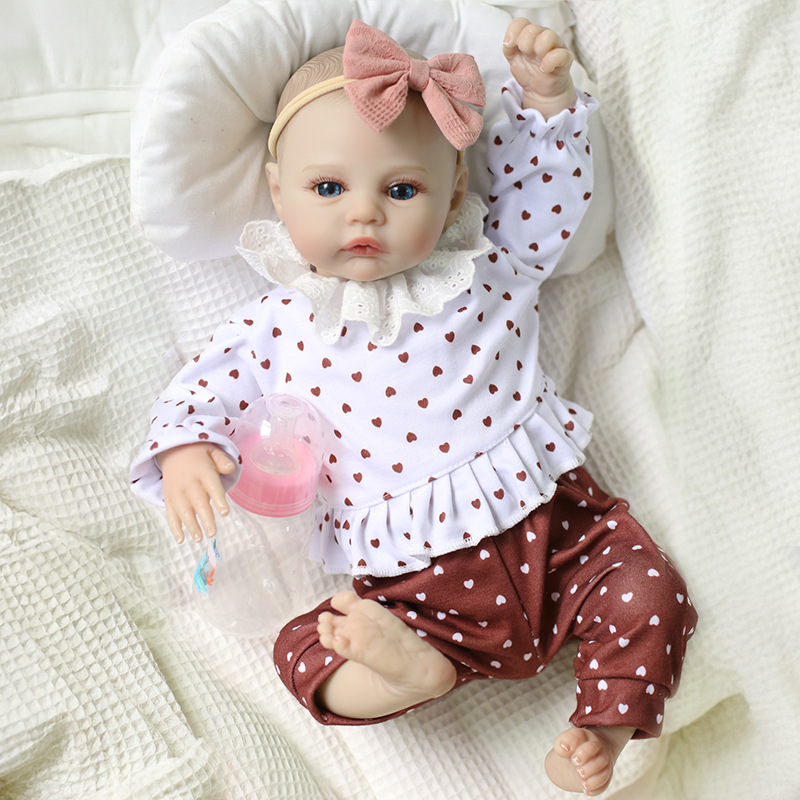
At Sueban Group, we are leading the charge in 2026 by embedding non-pharmacological solutions for dementia care directly into the daily lives of seniors. Our approach moves away from heavy sedation and toward meaningful, tactile engagement that respects the individual. We specialize in providing high-quality therapy tools for the elderly, such as our 19-inch full silicone baby, which serves as a vital component in sensory and emotional therapy to reduce agitation.
Our commitment to innovation ensures that every senior receives a care plan centered on dignity, joy, and comfort. We focus on:
- Holistic Integration: Combining tech-driven solutions with proven sensory stimulation therapy.
- Individualized Care Plans: Tailoring interventions to the specific life history and emotional needs of each resident.
- Dignity-First Philosophy: Prioritizing non-drug dementia care to maintain the personhood and physical health of those we serve.
- Quality Manufacturing: Providing durable, lifelike tools like our 13-inch silicone reborn doll to facilitate nurturing behaviors and calm.
We believe that the future of memory care lies in creating environments where seniors feel safe and understood without over-reliance on pharmaceuticals. By focusing on these advanced senior care solutions, we help families and facilities achieve better behavioral management and a higher quality of life for their loved ones.

FAQs: Common Worries About Non-Drug Dementia Care
As we move into 2026, the shift toward non-pharmacological solutions for dementia care has raised practical questions for families and facility directors alike. Transitioning from a medication-first approach to a holistic, sensory-based model requires clear answers on efficacy, cost, and implementation.
Are non-drug treatments as effective as medication for aggression?
In many cases, they are more effective because they address the root cause of the distress rather than just sedating the individual. Clinical data shows that dementia behavioral management through sensory tools—such as personalized music or robotic pets—can reduce agitation by lowering cortisol levels. Unlike antipsychotics, which carry risks of falls and cognitive decline, non-drug interventions improve mood without the heavy side effects.
How do I start implementing sensory therapy at home?
Starting doesn’t require a massive overhaul. You can begin by creating a “sensory kit” tailored to your loved one’s history.
- Auditory: Build a playlist of songs from their late teens and early twenties.
- Tactile: Use high-quality realistic baby dolls to provide comfort and a sense of purpose, which is a proven method for reducing anxiety in memory care.
- Olfactory: Use essential oil diffusers with lavender for sleep or lemon balm for focus.
- Visual: Ensure high-contrast colors on plates and bathroom grab bars to reduce confusion.
Will insurance cover high-tech tools like VR therapy in 2026?
The landscape is changing rapidly. By 2026, many Medicare Advantage plans and private long-term care insurers have expanded coverage for “Digital Therapeutics.” This often includes:
- VR Reminiscence Software: When prescribed by a neurologist or occupational therapist.
- Smart Home Monitoring: Systems that track circadian rhythms to prevent sundowning.
- Therapeutic Robots: Some specialized plans now offer rebates for AI-powered companion animals as part of a formal senior care solutions package.
Always check with your specific provider, as “Value-Based Care” models in the US are increasingly incentivizing these alternative treatments for dementia because they reduce expensive emergency room visits and hospitalizations.
What are the most effective non-drug dementia care tools?
Common tools include therapy dolls, sensory lighting, music therapy systems, and AI companion devices that help reduce anxiety and improve emotional well-being.
Do nursing homes invest in non-pharmacological care solutions?
Yes. Many facilities are shifting toward non-drug solutions to meet regulatory requirements and improve patient outcomes.
How do I choose the right dementia care products?
Focus on safety, ease of use, durability, and proven therapeutic effects such as calming agitation or improving sleep patterns.

Owen is the second-generation founder of Sueban Group, a reborn doll manufacturer based in Guangdong, China. With over 20 years of family manufacturing heritage, Owen leads the company's B2B operations serving wholesalers, brands, and institutional buyers across 20+ countries.
Meet Owen →
 English
  Deutsch
  Français
  Español
  Italiano
  Nederlands