The Science of Connection: Why Therapy Dolls Work
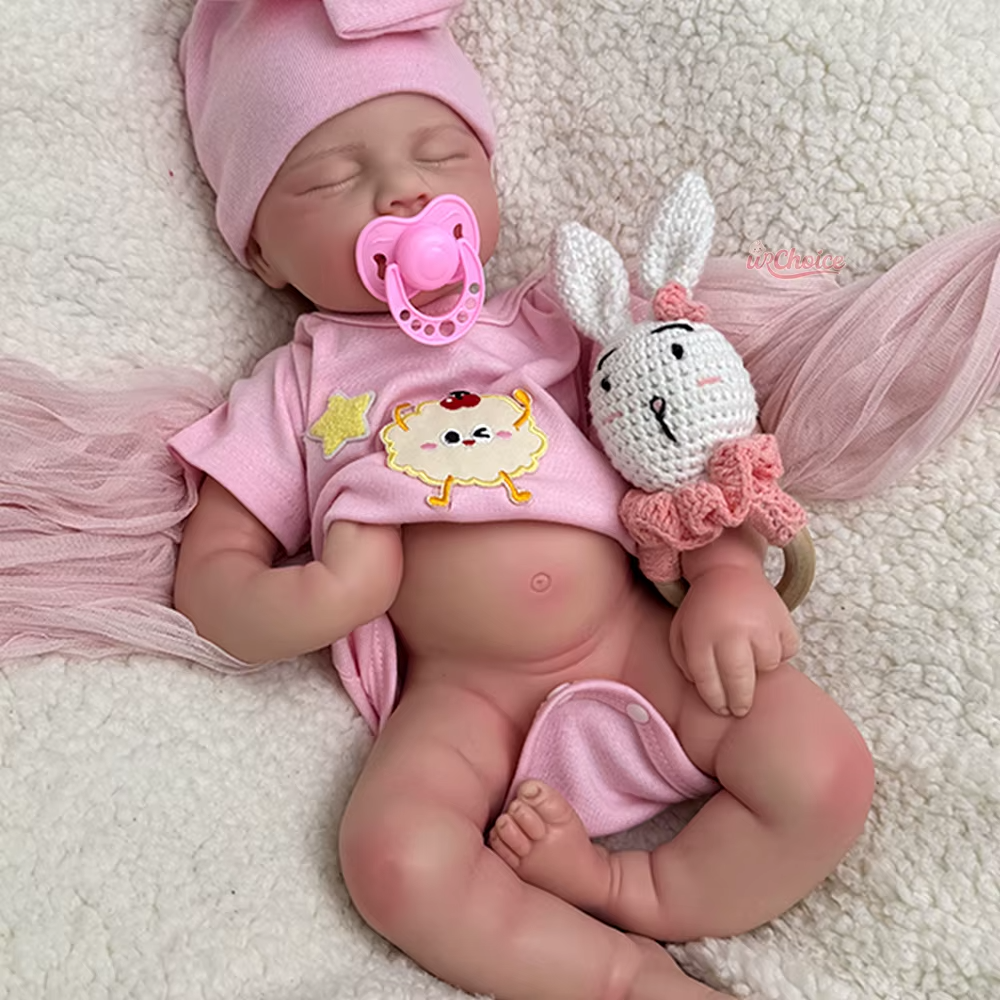
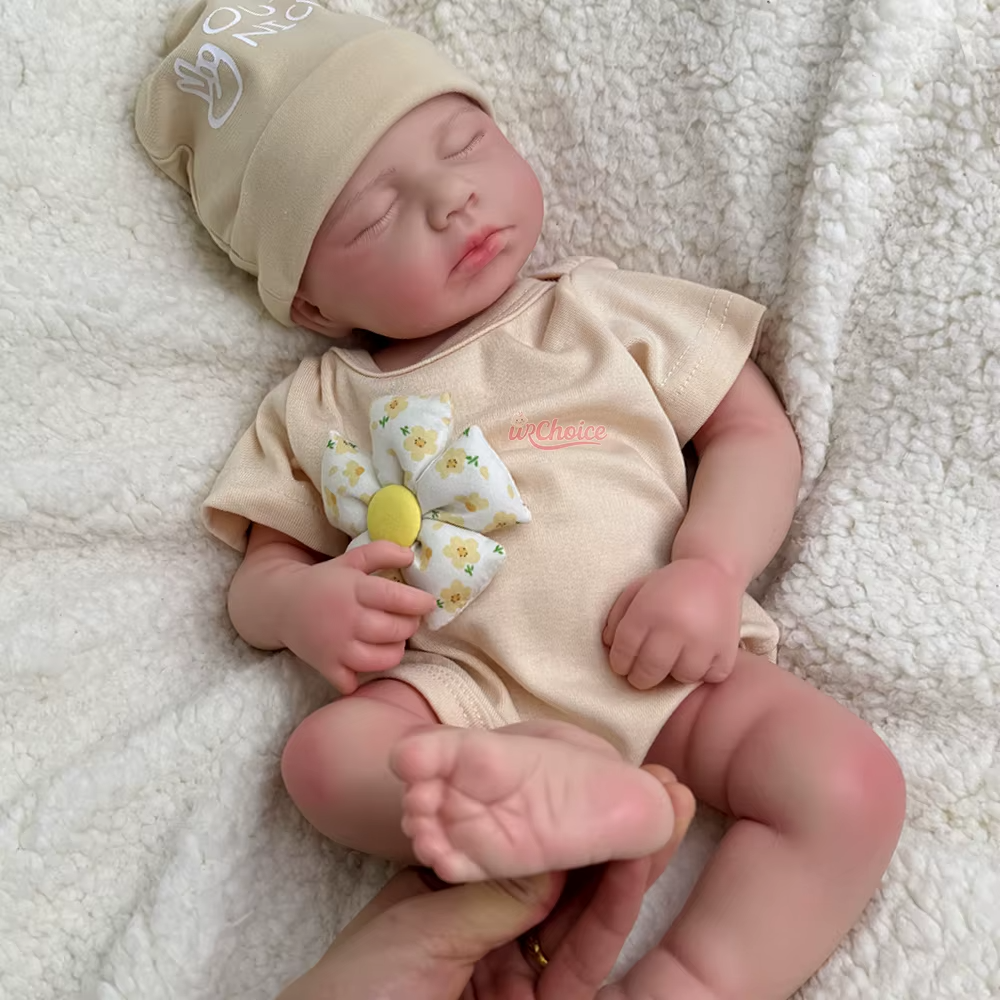
I have seen firsthand how a simple empathy doll can transform a resident’s mood in seconds. This isn’t just “playing with toys”; it is a sophisticated non-pharmacological intervention grounded in biology. When we introduce therapy dolls for dementia into a nursing home setting, we are tapping into deep-seated neurological pathways that remain intact long after other cognitive functions decline.
The Nurturing Instinct
For many seniors, the drive to care for others is one of the last memories to fade. Holding a doll taps into long-term memories of parenthood, providing a profound sense of purpose. This validation therapy allows residents to transition from being passive care recipients to active caregivers, which significantly boosts their self-esteem and emotional stability.
Neurochemical Impact
The physical act of cradling a doll triggers a measurable chemical shift in the brain. This biological response is a key component of Alzheimer’s behavioral management:
- Oxytocin Release: Often called the “bonding hormone,” it promotes feelings of safety, warmth, and trust.
- Cortisol Reduction: By lowering stress hormones, these dolls help in sundowning syndrome relief and reduce the frequency of emotional outbursts.
- Emotional Regulation: The rhythmic motion of rocking a doll helps stabilize heart rates and breathing patterns in agitated residents.
Sensory Stimulation
High-quality Alzheimer care dolls are designed specifically for tactile stimulation. The importance of the physical build cannot be overstated:
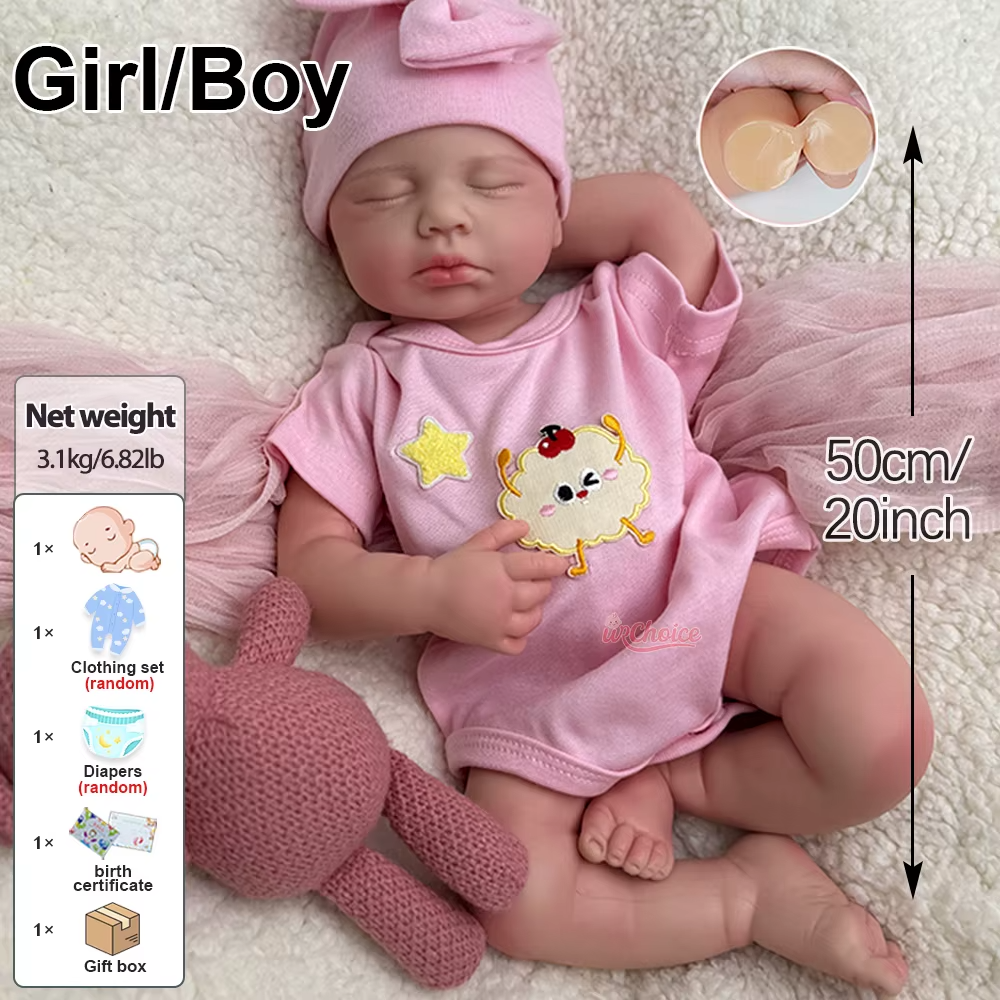
- Realistic Weight: A weighted doll mimics the feel of a real infant, which helps ground the resident in the present moment through “deep pressure” therapy.
- Soft Textures: High-quality fabrics provide soothing sensory input for restless hands, reducing the urge to fidget or pull at clothing.
- Visual Familiarity: Lifelike features encourage eye contact and facial recognition, fostering a sense of therapeutic touch and companionship that wards off the clinical coldness of a medical environment.


Key Benefits of Therapy Dolls for Nursing Home Residents
In a nursing home setting, therapy dolls serve as more than just comfort objects; they are essential tools for non-pharmacological intervention. By providing a tangible focus for care, these dolls significantly improve the daily lives of those living with cognitive decline.
Managing Agitation and Behavioral Symptoms
One of the most immediate impacts of therapy dolls for dementia is the reduction in agitation and aggression. Many residents experience “sundowning” or general anxiety, which often leads to pacing or vocal outbursts. Holding a lifelike doll provides a calming focal point, grounding the resident and offering a sense of security that reduces the need for sedative medications.
Restoring Purpose and Combating Loneliness
Loneliness is a major challenge in memory care. When a resident cares for a doll, it triggers a sense of purpose. They are no longer just a “patient” receiving care; they become a “caregiver.” This shift in identity is vital for geriatric mental health, as it combats the isolation that often accompanies Alzheimer’s.
| Benefit Category | Impact on Resident |
|---|---|
| Emotional Regulation | Lowers anxiety and reduces instances of aggression. |
| Social Bridge | Encourages interaction with staff and other residents. |
| Physical Health | Improves sleep patterns and nutritional intake by lowering stress. |
| Cognitive Support | Stimulates long-term memories through nurturing actions. |
Improving Communication and Physical Well-being
Dolls often act as social bridges. Residents who have stopped speaking may begin “talking” to the doll, which opens a door for caregivers to engage in validation therapy. This improved emotional state has a direct ripple effect on physical health:
- Better Sleep: Reduced anxiety leads to fewer sleep disturbances at night.
- Improved Nutrition: Residents who are calm during the day are more likely to sit through meals and maintain a healthy weight.
- Reduced Burnout: When residents are calm, it directly contributes to caregiver burnout prevention for nursing home staff.
Using reborn dolls of different baby ages allows facilities to tailor the experience to the resident’s specific stage of dementia, ensuring the tactile stimulation is appropriate for their needs. By integrating these tools into person-centered care plans, nursing homes can drastically improve the overall quality of life for their residents.

Implementation Strategies for Professional Caregivers
Introducing therapy dolls for dementia into a nursing home setting requires a delicate, person-centered approach to ensure residents feel empowered rather than patronized. Success depends on how the tool is integrated into daily memory care activities.
The Introduction Phase
The way a caregiver presents a doll determines its therapeutic success. I recommend a “soft introduction” rather than handing it over directly like a toy. Placing the doll on a nearby chair or asking for the resident’s help—such as saying, “Would you mind watching the baby for a moment?”—allows the resident to choose to engage. This method taps into their nurturing instincts and provides a sense of purpose without being demeaning.
Observation and Assessment
Not every resident responds to reborn doll therapy in the same way. Caregivers must actively monitor interactions to identify who benefits most from tactile stimulation. Key indicators to watch for include:
- Positive Engagement: Smiling, humming, or rocking the doll.
- Physical Relaxation: A visible decrease in muscle tension or a slowing of breath.
- Verbal Interaction: Talking to the doll or reminiscing about their own children.
- Distress Cues: If a resident appears confused or burdened by the “responsibility,” the doll should be removed discreetly.
Respecting Autonomy
The resident must always lead the interaction. In professional memory care, we utilize validation therapy, meaning we meet the resident in their current reality. If they treat the doll as a living infant, we support that reality. If they recognize it as a beautiful object, we treat it as such. By ensuring the resident maintains control, these Alzheimer care dolls remain effective nursing home tools that preserve dignity while providing emotional comfort. Using high-quality silicone dolls with realistic weight further grounds the resident in the moment, making the tactile experience more impactful.

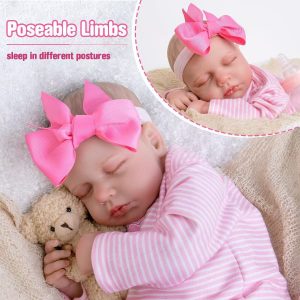
Addressing Ethical Considerations and Dignity
The use of therapy dolls for dementia often sparks a debate about dignity. We understand the concern: no one wants to see older adults infantilized or treated like children. However, when implemented correctly, this practice is a highly effective non-pharmacological intervention that respects the individual and improves their daily quality of life.
The Dignity Debate: Therapy vs. Infantilization
The focus must always remain on person-centered care. If a resident finds peace, purpose, and emotional regulation in holding a doll, their emotional well-being takes absolute priority over societal norms. We view these items not as playthings, but as vital nursing home tools for Alzheimer’s behavioral management and cognitive decline support.
Communicating with Skeptical Families
It is completely normal for families to feel uneasy when they first see their loved one holding a doll. Clear, compassionate communication is required to bridge this gap. We explain the clinical benefits of empathy dolls to relatives, highlighting how they serve as a powerful form of sensory therapy for seniors.
When talking to families, we focus on these core points:
- Share the science: Explain the calming effects of tactile stimulation and how it naturally lowers cortisol levels.
- Focus on the results: Point out the visible reduction in agitation and the relief it provides for sundowning syndrome.
- Validate their feelings: Acknowledge that seeing a parent with Alzheimer care dolls can be an emotional adjustment, but emphasize the joy it brings to the resident.
Establishing Institutional Guidelines
To maintain dignity, care facilities must establish strict guidelines. Staff must treat the doll as a therapeutic instrument. Caregivers should never toss the doll, leave it face down on the floor, or refer to it as a “toy” in front of the resident.
Sourcing high-quality, realistic vinyl reborn dolls ensures the weight and physical features mimic a real infant, which is crucial for validating the resident’s reality. If the resident believes the doll is a real baby, caregivers must respect and operate within that reality. By using validation therapy, staff can build trust, ensure comfort, and maintain the resident’s dignity at all times.


Choosing the Right Therapy Doll
When we introduce Alzheimer care dolls into memory care units, selecting the exact right model is crucial for success. The goal is to provide genuine comfort and validation, not just a distraction.
Realism vs. Play
There is a massive gap between a standard retail toy and a clinical therapeutic tool. For effective sensory therapy for seniors, lifelike weight and realistic facial features matter immensely. A weighted body mimics the physical presence of a real infant, delivering deep pressure that directly aids in emotional regulation in dementia. Understanding the differences between realistic reborn dolls and standard toys ensures we provide items that genuinely offer tactile stimulation and cognitive decline support, rather than something that feels cheap or hollow.
Safety and Hygiene Standards
Every item brought into a clinical environment must meet strict safety guidelines. Nursing home tools have to survive rigorous daily use and stringent infection control protocols. We always prioritize durability and cleanliness to maintain a high nursing home quality of life.
- Sanitation: Materials must be easy to wipe down, disinfect, and dry quickly to prevent bacterial growth.
- Durability: Eyes, eyelashes, and limbs must be securely attached to eliminate any potential choking hazards.
- Comfort: Opting for a soft cloth body vinyl doll provides the perfect balance of realistic weight and cuddly comfort, making therapeutic touch safe and soothing.
Gender and Diversity
Effective person-centered care requires us to acknowledge the unique histories and families of our residents. Therapy dolls for dementia should reflect the diverse backgrounds of the seniors caring for them. By offering empathy dolls in various ethnicities, skin tones, and genders, we help residents form an immediate, familiar bond based on their own life experiences. This thoughtful representation turns a simple object into a highly effective non-pharmacological intervention for geriatric mental health.


FAQs About Doll Therapy in Memory Care
When families and facility directors first see exactly how therapy dolls help dementia patients in nursing homes, they usually have a few practical questions. Implementing this non-pharmacological intervention requires specific approaches to ensure it supports geriatric mental health effectively.
Is doll therapy confusing for dementia patients?
No, it rarely causes confusion. In fact, it acts as a powerful tool for emotional regulation in dementia. We rely on validation therapy—if a resident believes the doll is a real infant, caregivers validate that reality rather than correcting them. The primary goal is comfort and emotional security, not cognitive testing.
How do you clean therapy dolls in a clinical setting?
Infection control is a strict priority for all nursing home tools.
- Surface Cleaning: High-quality silicone reborn dolls are ideal for clinical environments because their surfaces can be quickly wiped down with standard hospital-grade sanitizers.
- Clothing: Always use removable, machine-washable baby clothes.
- Routine: Establish a daily sanitization schedule to maintain hygiene without disrupting the resident’s attachment to the doll.
What if a resident rejects the doll?
We never force the interaction. Person-centered care dictates that the resident always leads the way. If a senior shows disinterest, pushes the doll away, or becomes agitated, we simply remove it and pivot to other memory care activities. Rejection is completely normal and just means this specific sensory therapy isn’t the right fit for them at that moment.
Are there specific dolls designed for Alzheimer’s?
Yes. Standard retail toys usually lack the necessary weight and realism to be effective. Purpose-built Alzheimer care dolls (often referred to as empathy dolls) are specifically engineered to provide comforting tactile stimulation. For instance, an 18-inch soft silicone reborn baby mimics the exact weight, size, and physical feel of a real newborn. This lifelike presence is exactly what triggers the nurturing instinct, making it highly effective for sundowning syndrome relief and providing reliable cognitive decline support.
Do nursing homes buy therapy dolls in bulk?
Yes. Many nursing homes and care facilities purchase therapy dolls in bulk to support dementia care programs and improve patient well-being.
What type of therapy dolls work best for dementia patients?
Weighted dolls with soft textures and realistic features are most effective, as they provide sensory comfort and trigger nurturing instincts.
Are therapy dolls safe for clinical environments?
Yes, as long as they meet safety standards such as CPC, EN71, and use non-toxic materials that are easy to clean and disinfect.

Owen is the second-generation founder of Sueban Group, a reborn doll manufacturer based in Guangdong, China. With over 20 years of family manufacturing heritage, Owen leads the company's B2B operations serving wholesalers, brands, and institutional buyers across 20+ countries.
Meet Owen →
 English
  Deutsch
  Français
  Español
  Italiano
  Nederlands