
As we move through 2026, the global healthcare landscape is witnessing a paradigm shift in geriatric treatment. With the aging population reaching new peaks this year, the focus has shifted from chemical intervention to holistic, sensory-based solutions. Among these, Doll Therapy for Dementia 2026 has emerged as the leading non-pharmacological intervention, offering a compassionate and effective way to manage the symptoms of Alzheimer’s and other cognitive impairments.
For healthcare procurement managers and nursing home directors, the integration of hyper-realistic reborn dolls into daily care protocols is no longer a “niche” experiment—it is a clinical best practice. This article explores the biological and psychological mechanisms that make these dolls a powerful tool in modern 2026 healthcare. Choosing the right reborn doll supplier for healthcare applications is critical for ensuring both safety and therapeutic effectiveness.
The Crisis of Over-Medication in 2026 Geriatric Care
For decades, the primary response to “agitation” and “sundowning” in dementia patients was the administration of sedatives and antipsychotics. However, in 2026, the medical community is increasingly vocal about the side effects of these drugs, which often include increased fall risks and diminished quality of life.
The demand for non-drug alternatives has never been higher. Reborn dolls provide a sensory “anchor” for patients, addressing the root cause of anxiety—loneliness and sensory deprivation—without the physiological toll of heavy medication. By introducing a realistic doll, care facilities are reporting a significant decrease in the need for PRN (as-needed) sedatives.
To understand the manufacturing standards required for clinical-grade dolls, refer to our Bulk Reborn Dolls for Dementia Care Facilities Buying Guide.
The Biological Mechanism: How Realistic Dolls Trigger Healing
The effectiveness of doll therapy is not anecdotal; it is rooted in neurobiology. When a patient interacts with a Sueban Group therapy doll, several biological processes are activated.
The Role of Oxytocin: The “Cuddle Hormone” in Senior Care
Physical touch and the act of nurturing trigger the release of oxytocin in the brain. In 2026, clinical studies continue to show that oxytocin naturally lowers cortisol (the stress hormone) levels. For a dementia patient, holding a doll that feels like a real infant can induce a state of calm that lasts for hours after the interaction.
The Importance of “Weighted Realism” for Proprioceptive Input
One of the key features of **Doll Therapy for Dementia 2026** is the use of “weighted” dolls. At Sueban Group, we engineer our dolls to provide proprioceptive input—a form of deep pressure therapy. When a doll is weighted to approximately 3.5 lbs (1.6 kg), it provides a grounding sensation that helps regulate the patient’s nervous system, similar to the effect of a weighted blanket but with the added benefit of emotional connection.
Clinical Benefits of Doll Therapy in Nursing Homes
Institutional buyers are increasingly prioritizing products that show measurable improvements in patient engagement. The benefits of incorporating professional-grade reborn dolls include:
Reduction in Agitation and Aggression: Patients who have a doll to “care for” are less likely to experience the restless pacing and verbal outbursts associated with mid-to-late-stage dementia.
Improved Social Interaction: The doll often acts as a “social bridge,” encouraging patients to talk to staff and other residents about their “baby,” thereby reducing social isolation.
Enhanced Sense of Purpose: Nurturing a doll gives patients a role and a sense of responsibility, which is often lost in institutional settings.
Learn more about our specialized weighting and material safety in the How Reborn Dolls Help Alzheimer’s Patients (B2B Nursing Home Supply Guide).
Why Sueban’s Therapy Dolls are the Preferred Choice for Institutions in 2026
Not all dolls are suitable for clinical environments. In 2026, Sueban Group has set the standard for “Medical-Grade Realism.”
Anatomically Correct Weighting and Balance
Our dolls are not just heavy; they are balanced to feel like a real newborn. The head requires support, and the body has the “floppy” feel that triggers instinctive caregiving behaviors in seniors.
Hypoallergenic and Easy-to-Sanitize Materials
In a 2026 healthcare setting, hygiene is paramount. Our therapy dolls are made from high-quality, non-porous vinyl that can withstand gentle sanitization with medical-grade wipes without degrading the hand-painted features.
Expressions Designed to Evoke Nurturing, Not Distress
We avoid the “uncanny valley” by designing expressions that are peaceful and neutral. This ensures that the doll is perceived as a comforting presence rather than an eerie or confusing object.
A Compassionate Approach to 2026 Healthcare
As we look toward the future of geriatric care, the role of sensory therapy will only continue to grow. Doll Therapy for Dementia 2026 represents a perfect synergy between manufacturing precision and human compassion. For B2B partners and healthcare providers, investing in high-quality therapy dolls is an investment in the dignity and well-being of the world’s aging population.
👉
Looking for therapy-grade reborn dolls for dementia care? Get bulk solutions with certified materials and custom weighting for healthcare use.
Table of Contents
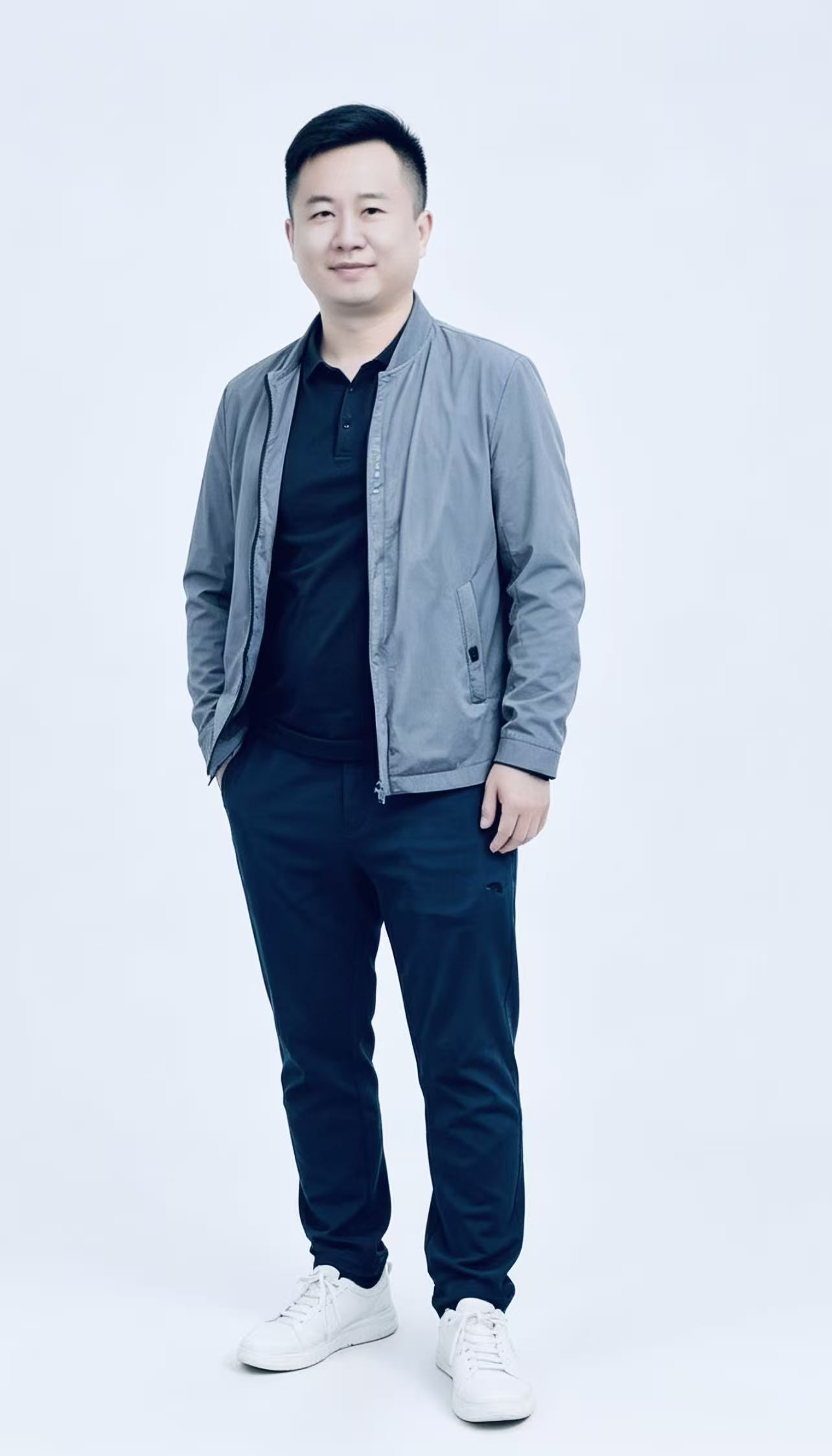
Owen is the second-generation founder of Sueban Group, a reborn doll manufacturer based in Guangdong, China. With over 20 years of family manufacturing heritage, Owen leads the company's B2B operations serving wholesalers, brands, and institutional buyers across 20+ countries.
Meet Owen →
 English
  Deutsch
  Français
  Español
  Italiano
  Nederlands