Stress, burnout, sleep problems, and sensory overload have become common parts of modern life. Because of that, more people are searching for simple products that help them feel calmer, more grounded, and emotionally regulated during daily routines.
That shift is one of the biggest reasons tactile comfort products are growing so quickly in 2026.
From weighted blankets and therapeutic plush toys to sensory tools and reborn dolls, touch-based comfort products are becoming part of everyday wellness routines for children, adults, caregivers, and therapy professionals alike.
What once seemed like a niche category is now expanding into mainstream consumer wellness, healthcare support, education environments, and emotional self-care markets across the United States.
What Are Tactile Comfort Products?
Tactile comfort products are items designed to provide calming physical sensory input through texture, pressure, softness, weight, or repetitive touch interaction.
These products are often used to support:
- Stress reduction
- Emotional regulation
- Relaxation
- Sleep quality
- Sensory balance
- Focus and grounding
Unlike purely decorative products, tactile comfort items are meant to be physically interacted with. The sensory experience itself is part of the value.
Common examples include:
- Weighted blankets
- Therapeutic plush toys
- Sensory cushions
- Fidget tools
- Textured comfort items
- Weighted stuffed animals
- Reborn dolls
- Sensory therapy accessories
Many people now incorporate these products into home routines, therapy sessions, classrooms, caregiving environments, or workspaces.
Why Touch Matters More Than People Realize
Touch is one of the body’s most direct sensory systems. Calm, controlled tactile input can influence emotional state surprisingly quickly.
Soft textures, steady pressure, and repetitive tactile interaction may help reduce feelings of overstimulation and create a stronger sense of physical grounding.
That is one reason weighted products and sensory-focused comfort tools continue gaining attention in wellness discussions.
For many users, tactile comfort products help create:
- A calmer nervous system response
- Better emotional regulation
- Reduced sensory overload
- Improved focus
- More consistent relaxation routines
- A greater sense of safety and familiarity
The effect is especially noticeable during periods of stress, emotional fatigue, or high mental workload.
The Biggest Drivers Behind Market Growth in 2026
Several major cultural and consumer shifts are pushing the tactile comfort market forward this year.
Mental Health Awareness
Conversations around anxiety, burnout, emotional regulation, and sensory well-being are more open than ever before.
As mental wellness becomes a larger part of daily life, consumers are increasingly interested in practical comfort products that support emotional balance without requiring complicated routines.
Many people are now building small sensory-friendly habits into their daily schedules, especially at home.
Growing Awareness of Neurodiverse Needs
Awareness surrounding autism, ADHD, sensory processing challenges, and neurodiverse support continues expanding across schools, therapy settings, and family households.
As a result, more parents, educators, and caregivers are actively searching for sensory-friendly products that help improve focus, reduce overstimulation, and support calming routines.
This has increased demand for tactile sensory products designed for both children and adults.
Burnout and Digital Fatigue
Modern routines involve constant screen exposure, notifications, and mental multitasking. Many consumers now intentionally seek physical experiences that feel slower, softer, and more grounding.
Tactile products provide something digital environments cannot fully replace: physical sensory reassurance.
That is part of why soft textures, weighted comfort items, and touch-based calming products continue resonating strongly with consumers in 2026.
Better Product Design
The tactile wellness industry has matured significantly over the past few years.
Today’s products are generally:
- Softer and more durable
- Better tested for safety
- More visually refined
- Easier to clean
- Available in more personalization options
- Designed for multiple age groups
This shift has helped tactile comfort products feel more practical, modern, and lifestyle-oriented rather than overly clinical.
Who Is Buying Tactile Comfort Products?
The customer base has expanded far beyond a single demographic.
Parents and Families
Parents remain one of the largest buyer groups, especially for products connected to sensory routines, bedtime support, and emotional regulation for children.
Weighted blankets, tactile plush toys, and sensory tools are increasingly used to help support calmer daily routines at home.
Adults Managing Stress
Many adults now purchase tactile comfort products for themselves rather than for children.
Desk-friendly sensory items, weighted plush products, and soft comfort objects are commonly used during work breaks, evening routines, or periods of anxiety and emotional fatigue.
Therapy and Care Environments
Schools, clinics, occupational therapists, assisted living centers, and mental wellness professionals are also increasing purchases in this category.
Products that combine comfort, safety, and sensory support are becoming more common in therapeutic and caregiving environments.
Elderly Care Settings
Tactile comfort products are also becoming more visible in memory care and senior wellness settings.
Soft textures, weighted items, sensory blankets, and realistic comfort-focused dolls may help create emotional reassurance and gentle sensory engagement for elderly individuals experiencing isolation, anxiety, or cognitive decline.
Product Categories Seeing the Strongest Growth
Several tactile product categories are expanding particularly fast in 2026.
Weighted Comfort Products
Weighted blankets continue leading the category because of their connection to calming pressure stimulation and sleep support.
Consumers increasingly look for products that feel comforting without requiring complicated wellness systems or expensive subscriptions.
Therapeutic Plush Toys
Soft plush products designed specifically for tactile comfort and emotional relaxation remain extremely popular across multiple age groups.
Many adults now openly keep plush comfort items at home, in offices, or during travel as part of personal relaxation routines.
Sensory Therapy Tools
Sensory tools focused on tactile interaction, repetitive movement, and stress regulation continue expanding in both consumer and professional therapy markets.
Customization has become especially important in this category, with buyers wanting different textures, weights, materials, and pressure levels depending on individual sensory preferences.
Reborn Dolls
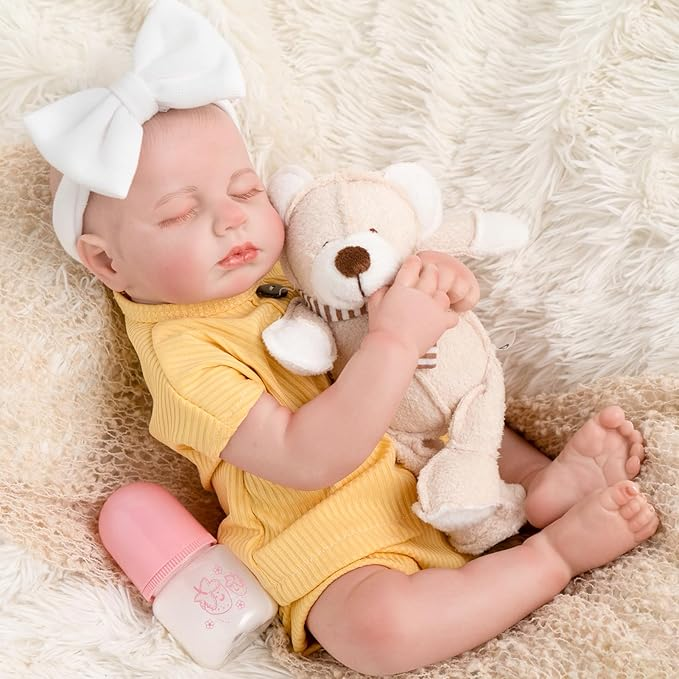
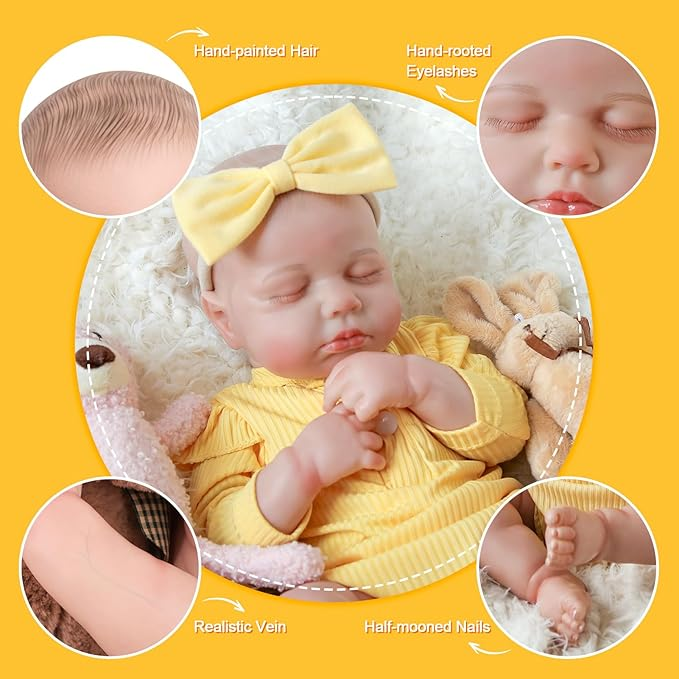
Reborn dolls occupy a unique space within the tactile comfort market because they combine emotional comfort, realism, sensory weight, and nurturing interaction.
Some buyers appreciate them primarily as collectibles, while others connect more strongly with the calming routines associated with holding, dressing, or caring for them.
Their emotional and tactile qualities make them increasingly relevant in conversations around comfort-focused wellness products.
Why Personalization Matters More Now
One major shift in 2026 is the growing demand for personalized sensory comfort.
Consumers no longer want generic one-size-fits-all products. They want tactile experiences that feel specifically suited to their own routines, comfort preferences, and emotional needs.
Popular personalization requests now include:
- Adjustable weights
- Skin-friendly materials
- Softer fabrics
- Custom textures
- Sensory-safe components
- Different pressure levels
- More neutral or adult-focused aesthetics
This is especially important because many adult buyers want comfort products that feel emotionally supportive without appearing childish or overly medical.
The Future of Tactile Wellness Products
The tactile wellness market is moving toward a blend of emotional comfort, sensory science, and lifestyle integration.
Future growth will likely focus on:
- Sustainable materials
- Safer manufacturing standards
- Smarter sensory design
- Better durability
- Personalized sensory support
- Multi-use wellness products
- More adult-oriented comfort aesthetics
Consumers increasingly want products that fit naturally into everyday life rather than feeling like specialized therapy equipment.
That shift will continue shaping how brands design, market, and position tactile comfort products moving forward.
Why This Market Is Becoming More Mainstream
The biggest change in 2026 is not just product growth—it is social normalization.
People are becoming more comfortable discussing stress, emotional fatigue, sensory overload, and the need for small forms of daily comfort.
As a result, tactile comfort products are no longer viewed as niche purchases reserved for therapy environments. They are increasingly seen as practical wellness tools for modern living.
For many consumers, the appeal is simple:
They want products that help life feel calmer, softer, and emotionally manageable in a world that often feels overstimulating and exhausting.
FAQ
What are tactile comfort products?
Tactile comfort products are touch-based items designed to provide calming sensory input through softness, texture, pressure, or weight. Common examples include weighted blankets, plush toys, sensory cushions, and reborn dolls.
Why are weighted comfort products becoming more popular?
More people are looking for simple ways to manage stress, anxiety, and sensory overload. Weighted and tactile products help create a calming physical experience that supports relaxation and emotional balance.
Are tactile comfort products only for children?
No. Adults, seniors, caregivers, and therapy professionals also use tactile comfort products for stress relief, emotional regulation, and sensory support in daily routines.
How do reborn dolls fit into tactile wellness?
Reborn dolls combine emotional comfort with realistic tactile interaction. Their weight, texture, and nurturing routines make them increasingly popular in comfort-focused wellness and caregiving environments.
Table of Contents

Owen is the second-generation founder of Sueban Group, a reborn doll manufacturer based in Guangdong, China. With over 20 years of family manufacturing heritage, Owen leads the company's B2B operations serving wholesalers, brands, and institutional buyers across 20+ countries.
Meet Owen →
 English
  Deutsch
  Français
  Español
  Italiano
  Nederlands