Understanding Sensory Therapy in Geriatric Care
In many memory care facilities, one of the biggest hidden problems is sensory deprivation. Residents who receive little meaningful stimulation throughout the day often become withdrawn, anxious, or increasingly agitated. That is why more care providers are investing in sensory-based therapy tools as part of their daily dementia support programs.
The Five Pillars of Sensory Stimulation
Effective elderly cognitive stimulation targets specific neurological pathways. Here is how we categorize these inputs in a professional care setting:
| Sensory Type | Common Products Used in Care Homes | Intended Therapeutic Outcome |
|---|---|---|
| Visual | Bright colors, fiber optics, or nature films | Reduces boredom and improves focus |
| Auditory | Familiar music, nature sounds, or white noise | Lowers anxiety and aids sleep |
| Tactile | Textured fabrics, weighted pads, or soft pets | Provides comfort and reduces “fidgeting” |
| Olfactory | Lavender, citrus, or baked bread scents | Triggers long-term memory recall |
| Gustatory | Stronger flavors or nostalgic treats | Encourages appetite and sensory joy |
Therapeutic Benefits of Sensory Tools
Integrating dementia care products into a daily routine isn’t just about entertainment; it is about clinical outcomes. We focus on three core areas of improvement:
- Reducing Agitation: Calming tools for seniors, such as weighted lap pads, help regulate the nervous system and decrease “sundowning” behaviors.
- Improving Mood: Positive sensory experiences can improve emotional well-being and create a calmer atmosphere for residents in long-term care settings.
- Enhancing Memory Recall: Known as reminiscence therapy, specific scents or sounds can unlock vivid memories for those with Alzheimer’s, providing a rare moment of clarity.
Promoting Social Interaction
One of the most overlooked benefits of Alzheimer’s sensory activities is their ability to bridge the gap between residents. Sensory tools act as “social icebreakers.” Whether it’s a group of residents gathered around a nature projection or two people sharing the tactile experience of a robotic pet, these products provide a shared focus. This reduces the isolation common in nursing homes and encourages residents to communicate—even if it is through non-verbal gestures and smiles.
Top Sensory Product Categories for Care Facilities
Equipping a care facility with the right dementia care products requires a strategic approach. We focus on tools that directly address the daily challenges faced by residents and caregivers alike. Providing the best sensory products for elderly patients in care facilities means selecting items that offer dignity, safety, and genuine therapeutic value. Here is a breakdown of the top categories based on the senses they stimulate.
Tactile & Fine Motor Tools
Keeping restless hands occupied is a common need in memory care. Senior tactile stimulation tools like sensory aprons, fidget blankets for seniors, and textured therapy balls are essential. These nursing home activity supplies prevent residents from picking at their skin or clothing by providing safe, engaging textures like zippers, buttons, velvet, and ribbons.
Weighted Lap Pads and Blankets
The science behind Deep Pressure Stimulation (DPS) shows incredible results for anxiety reduction. Therapeutic weighted blankets and lap pads act as powerful calming aids for seniors. The gentle, evenly distributed weight mimics the feeling of a comforting hug, which helps ground the nervous system and reduce physical agitation.
Visual Stimulation & Ambient Lighting
Visual tools are foundational for building multi-sensory environments (MSE). Fiber optic lamps and bubble tubes provide continuous, slow-moving visual input. These tools capture a resident’s attention without causing sensory overload, making them highly effective Alzheimer’s sensory activities for those who tend to pace or wander.
Nature Projection Systems
Many residents cannot easily access the outdoors, which can lead to sensory deprivation in aged care. Nature projection systems solve this by bringing the outside in. Projecting high-definition images of forests, gentle ocean waves, or starry night skies onto walls or ceilings provides a soothing atmosphere that transforms a clinical room into a calming sanctuary.
Auditory Therapy
Music and sound are deeply tied to memory. Personalized music players loaded with a resident’s favorite generational songs can instantly improve mood and engagement. Additionally, white noise machines serve as excellent sundowning management tools. They mask disruptive background noises in busy care facilities, reducing the confusion and irritability that often occur in the late afternoon.
Olfactory (Scent) Stimulation
The olfactory system has a direct line to the brain’s emotional and memory centers. Aromatherapy for dementia utilizes essential oil diffusers and “Scent Memory” kits to trigger positive recollections. Familiar scents like fresh-baked bread, lavender, peppermint, or pine needles can quickly reduce stress, elevate mood, and even encourage appetite before meals.
Interactive & Cognitive Engagement
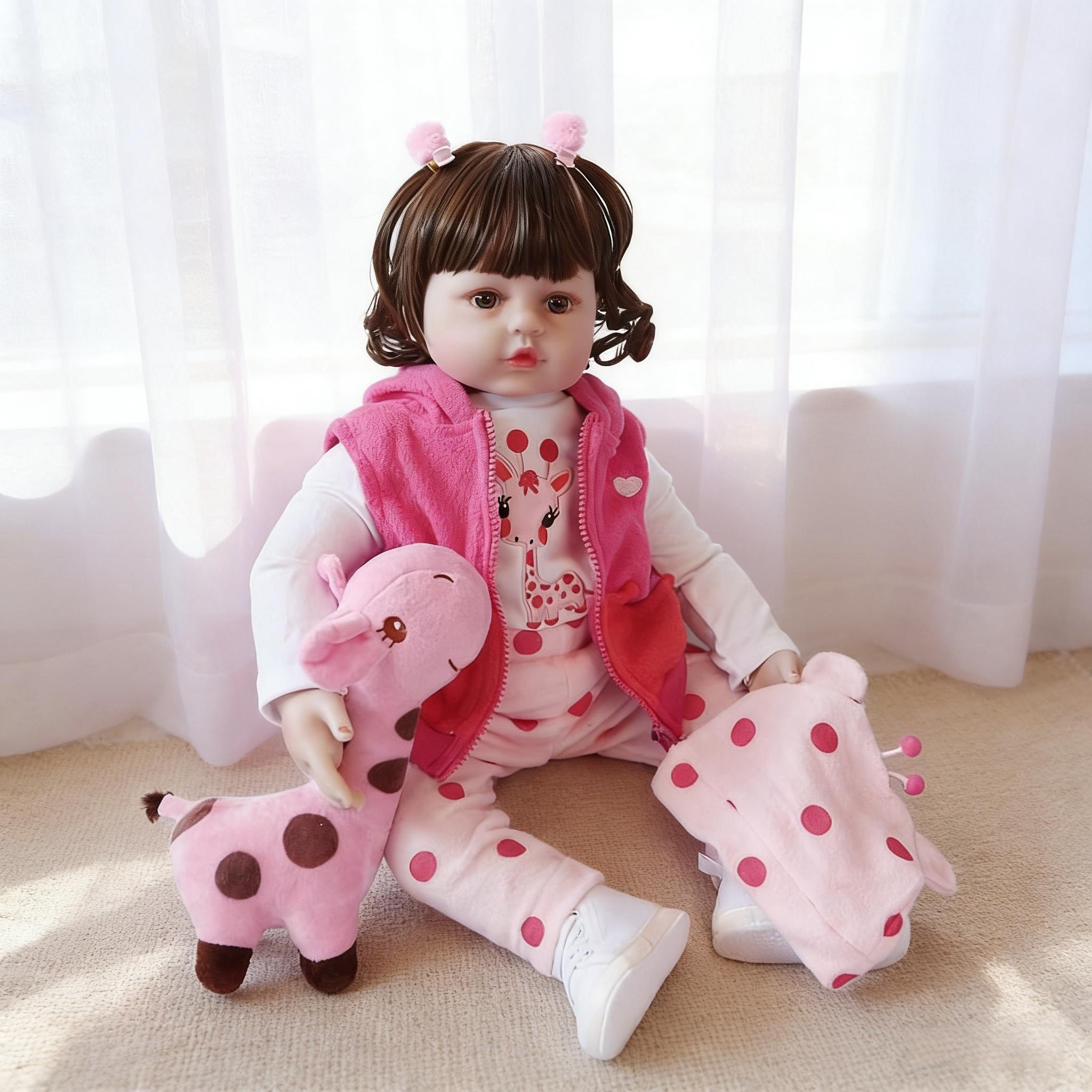
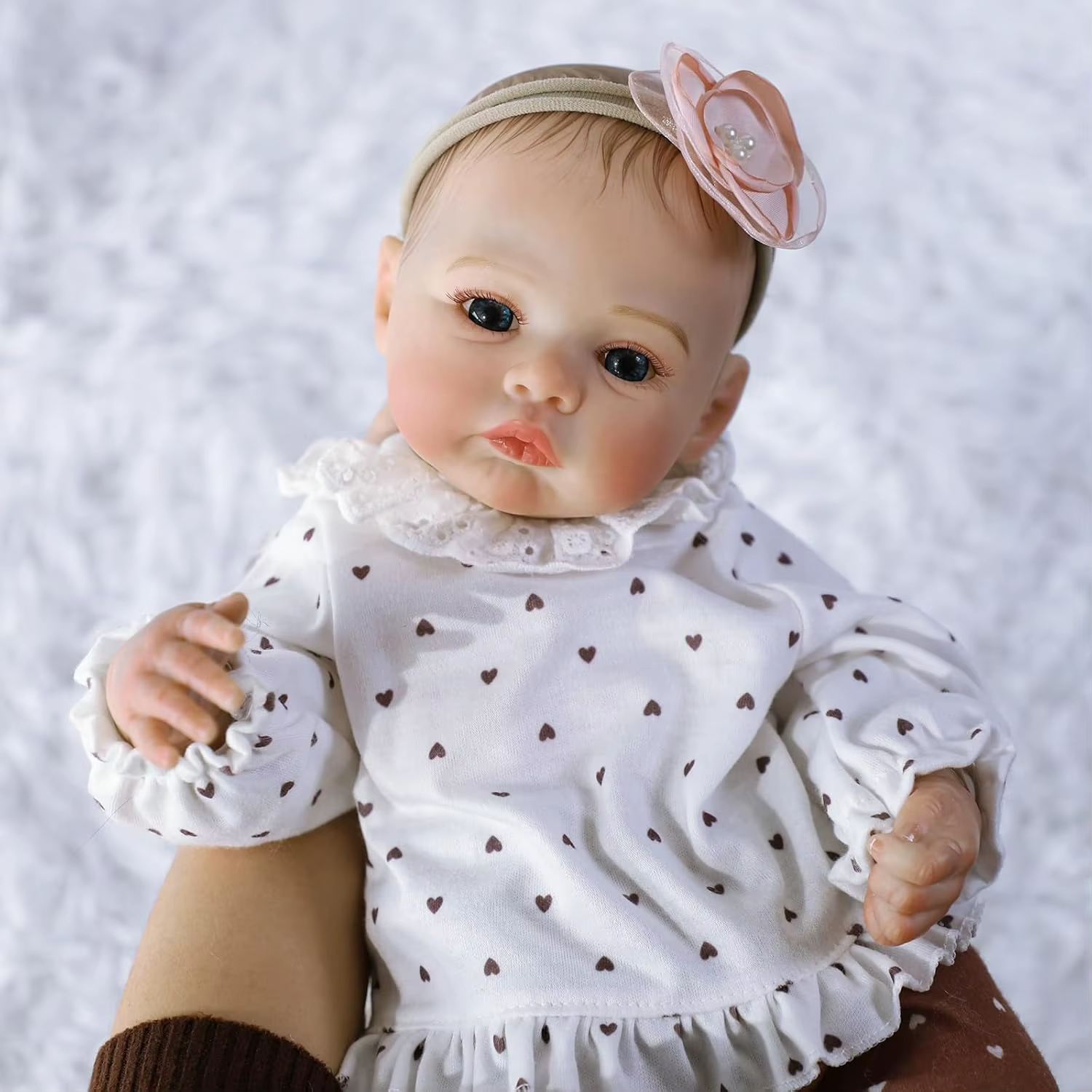
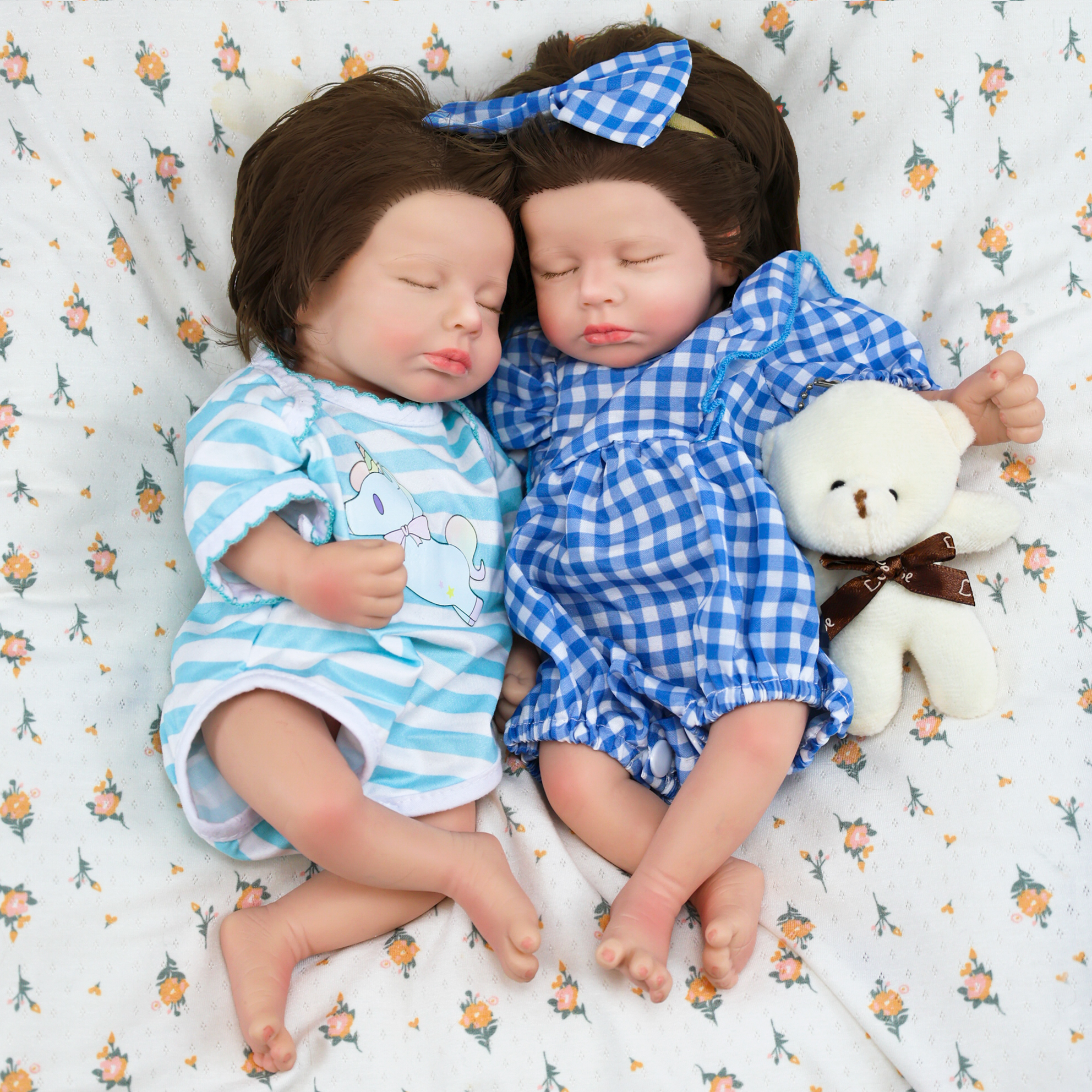
For elderly cognitive stimulation, interactive companions provide comfort and a sense of purpose. Robotic pets for elderly residents and indoor sensory gardens encourage nurturing behaviors without the unpredictability of live animals. Similarly, reminiscence therapy tools like realistic vinyl reborn dolls offer immense emotional support. For some residents, especially those with strong caregiving memories, holding and caring for a realistic reborn doll can provide emotional reassurance and reduce visible signs of distress.
Sensory Product Quick Reference Guide
| Category | Top Products | Primary Benefit |
|---|---|---|
| Tactile | Fidget blankets, sensory aprons | Improves fine motor skills, reduces skin picking |
| Proprioceptive | Weighted lap pads | Provides calming Deep Pressure Stimulation (DPS) |
| Visual | Bubble tubes, fiber optics | Captures attention safely, reduces pacing |
| Auditory | Music players, white noise | Aids in sundowning management and relaxation |
| Olfactory | Scent memory kits, diffusers | Triggers positive nostalgia, calms anxiety |
| Interactive | Robotic pets, reborn dolls | Encourages nurturing, reduces feelings of loneliness |
Creating a Snoezelen or Multi-Sensory Room
A Multi-Sensory Environment (MSE), often called a Snoezelen room, is a dedicated space designed to reduce anxiety and stimulate the minds of residents through controlled sensory input. We focus on creating a failure-free environment where elderly patients can explore their surroundings without the pressure of “correct” performance. These rooms are essential for managing dementia symptoms and improving overall well-being in professional care settings. Not every facility has the budget or space for a fully dedicated Snoezelen room. In practice, many nursing homes begin with a small sensory corner and gradually expand based on resident response and staff feedback.
Essential Components for Facility-Grade Sensory Rooms
To build a professional-grade MSE, we prioritize high-quality sensory tools for the elderly that withstand frequent use and meet medical-grade standards.
- Visual Elements: Bubble tubes and fiber optic strands provide mesmerizing, low-stress visual tracking that calms the nervous system.
- Tactile Comfort: Soft textures and therapeutic items are vital for grounding. For example, incorporating a weighted platinum silicone reborn doll provides both deep pressure stimulation and a sense of companionship that helps residents feel secure.
- Auditory Control: Integrated sound systems playing nature sounds or soft classical music help mask disruptive facility noise.
- Aromatherapy: Diffusers using lavender or peppermint can trigger positive memories and regulate mood.
Scaling Sensory Solutions for Any Facility
We understand that space and budget vary between care homes. Scaling your multi-sensory environments (MSE) effectively ensures all residents have access to therapy, regardless of the building’s footprint.
| Facility Size | Recommended Configuration | Key Equipment |
|---|---|---|
| Large Facilities | Dedicated Sensory Suite | Wall-to-wall padding, interactive floor projections, and multiple sensory stations. |
| Mid-Sized Facilities | Multi-Purpose Sensory Corner | Sectioned-off area with bubble tubes, weighted blankets, and tactile wall panels. |
| Small Facilities | Mobile Sensory Carts | Portable units housing the best sensory products for elderly patients in care facilities for bedside therapy. |
By focusing on these core elements, we help facilities provide a sanctuary that significantly reduces agitation and enhances the daily lives of seniors.
Selection Criteria for Professional Sensory Products
When stocking a care facility, choosing the best sensory products for elderly patients requires strict attention to detail. You cannot simply buy off-the-shelf consumer goods; nursing home activity supplies must meet rigorous professional standards to ensure they are effective, safe, and respectful to the residents.
Durability and Hygiene Standards
In any shared care environment, infection control is a top priority. Sensory tools for the elderly must withstand constant handling and frequent, rigorous sanitization protocols.
- Medical-Grade Materials: Opt for non-porous plastics, silicones, and metals that resist bacterial growth.
- Easy Sanitization: Look for wipe-clean surfaces that hold up against hospital-grade disinfectants without degrading.
- Washable Fabrics: Fidget blankets for seniors and soft props must be machine-washable at high temperatures.
If you are outfitting an entire memory care unit, sourcing reliable B2B solutions ensures you get commercial-grade dementia care products built specifically for heavy daily use.
Safety First
Protecting vulnerable residents is non-negotiable. Alzheimer’s sensory activities must be thoroughly vetted for physical risks before being introduced to the floor. Facilities should also confirm that all products comply with local healthcare and fire-safety regulations before introducing them into shared resident spaces.
- No Choking Hazards: Avoid items with small, easily detachable parts like loose beads, weak zippers, or poorly sewn buttons.
- Safe Weight Limits: When using therapeutic weighted blankets or lap pads, the weight must be appropriate for the senior’s frail frame to prevent restricted breathing or trapped limbs.
- Non-Toxic Components: Ensure all paints, internal fillings, and materials are completely non-toxic and safe for skin contact.
Maintaining Dignity with Age-Appropriate Designs
Elderly cognitive stimulation should never feel demeaning. It is crucial to avoid brightly colored, “childish” toys that strip residents of their dignity. Instead, focus on mature, purpose-built calming aids for seniors.
For example, utilizing reborn doll therapy in dementia care homes offers profound emotional comfort through realistic, lifelike features rather than handing a senior a standard children’s toy. The goal is to provide essential tactile and visual input while honoring the resident’s adult status and rich life history.
Implementation Strategies for Caregivers
Personalizing Sensory Kits Based on Life History
I recommend building sensory kits that reflect a resident’s unique life history to maximize the effectiveness of Alzheimer’s sensory activities. This isn’t just about distraction; it’s about using reminiscence therapy tools that spark meaningful memories. For instance, a former gardener might benefit from the scent of lavender and the feel of potting soil, while someone with a strong nurturing background may find deep comfort in realistic reborn baby dolls which serve as powerful calming aids for seniors. Tailoring the kit ensures the engagement feels dignified and relevant rather than childish.
Monitoring and Recognizing Sensory Overload
While the best sensory products for elderly patients in care facilities are designed to engage, more isn’t always better. Caregivers must stay alert for signs of overstimulation, which can lead to increased anxiety. I train my staff to watch for these specific red flags:
- Physical Cues: Covering eyes, plugging ears, or turning the head away.
- Behavioral Changes: Sudden irritability, pacing, or verbal outbursts.
- Autonomic Responses: Increased breathing rate or flushed skin.
- Withdrawal: Shutting down or falling asleep abruptly to escape the environment.
Integrating Sensory Breaks into the Facility Routine
Consistency is the backbone of effective dementia care products usage. I suggest integrating 15-minute “sensory snacks” throughout the day rather than one long, exhausting session.
- Morning: Use senior tactile stimulation tools like textured balls to “wake up” the senses and improve dexterity.
- Afternoon: Introduce calming visual aids or nature projections to maintain focus.
- Late Afternoon/Evening: Proactively use weighted lap pads and aromatherapy to manage sundowning symptoms before they escalate.
By making these tools a standard part of the daily schedule, they become a preventive measure rather than just a reactive solution to agitation.
FAQs About Sensory Products for the Elderly
How do sensory products help with sundowning?
Sundowning often triggers high levels of anxiety, pacing, and confusion in the late afternoon. Calming aids for seniors, such as weighted lap pads and low-frequency auditory machines, help regulate the nervous system. By providing a grounding tactile or visual focus, these tools reduce the environmental “noise” that often leads to agitation, making transitions into the evening much smoother for both residents and staff.
Are robotic pets effective for dementia patients?
Absolutely. Robotic pets and high-quality therapeutic reborn dolls for dementia are among the most effective dementia care products available today. They provide:
- Emotional Comfort: Tapping into the natural nurturing instinct to reduce feelings of loneliness.
- Tactile Stimulation: The soft fur or skin textures offer immediate sensory feedback.
- Reduced Medication: Many facilities report a decreased need for anti-anxiety meds when residents have a “companion” to care for.
For facilities looking to scale their inventory, sourcing from a wholesale reborn doll supplier ensures that every resident has access to a lifelike, soothing presence.
How often should sensory activities be rotated?
To prevent boredom while maintaining a sense of familiarity, I recommend a rotation cycle of every 2 to 4 weeks. However, this depends entirely on the resident’s cognitive level.
- High Engagement: If a resident is actively using a fidget blanket daily, keep it in the rotation.
- Signs of Disinterest: If a sensory tool is being ignored or causing frustration, swap it out immediately for a different stimulus, such as moving from tactile tools to olfactory scent kits.
| Feature | Benefit for Care Facilities |
|---|---|
| Routine Rotation | Prevents sensory habituation and maintains interest. |
| Personalized Kits | Increases the success rate of Alzheimer’s sensory activities. |
| Robotic/Lifelike Pets | Provides non-pharmacological intervention for agitation. |
| Weighted Tools | Offers immediate Deep Pressure Stimulation (DPS) for anxiety. |
Can sensory therapy reduce medication dependence in dementia care?
Many care facilities report that structured sensory therapy programs help reduce agitation-related behaviors, which may lower the reliance on certain calming medications. However, sensory therapy should always complement—not replace—professional medical care.
What are the safest sensory tools for elderly residents with advanced dementia?
Table of Contents

Owen is the second-generation founder of Sueban Group, a reborn doll manufacturer based in Guangdong, China. With over 20 years of family manufacturing heritage, Owen leads the company's B2B operations serving wholesalers, brands, and institutional buyers across 20+ countries.
Meet Owen →
 English
  Deutsch
  Français
  Español
  Italiano
  Nederlands