Most people associate comfort objects with childhood. A favorite blanket, a stuffed animal, or a familiar keepsake is usually seen as something children rely on for security.
But adulthood does not erase the need for emotional comfort.
In fact, many adults quietly keep certain objects nearby during stressful periods of life. Some sleep with an old blanket. Others hold onto sentimental items, weighted comfort products, or familiar plush toys after difficult days. For some people, even small routines built around these objects can create a sense of calm and emotional stability.
The truth is that adult comfort objects are far more common than most people realize.
Psychologists often connect these behaviors to attachment theory, emotional regulation, sensory grounding, and memory association. What matters is not whether the object looks “childish,” but whether it helps someone feel emotionally safe, calmer, or more emotionally balanced.
Why Comfort Objects Still Matter in Adulthood
Emotional needs do not disappear once someone becomes an adult. Stress, grief, anxiety, burnout, loneliness, and emotional overload are all common parts of modern life.
That is one reason many adults naturally develop small self-soothing habits connected to physical objects.
A comfort object can be almost anything:
- A soft blanket
- A plush toy
- A sentimental keepsake
- A weighted comfort item
- A familiar hoodie
- A favorite pillow
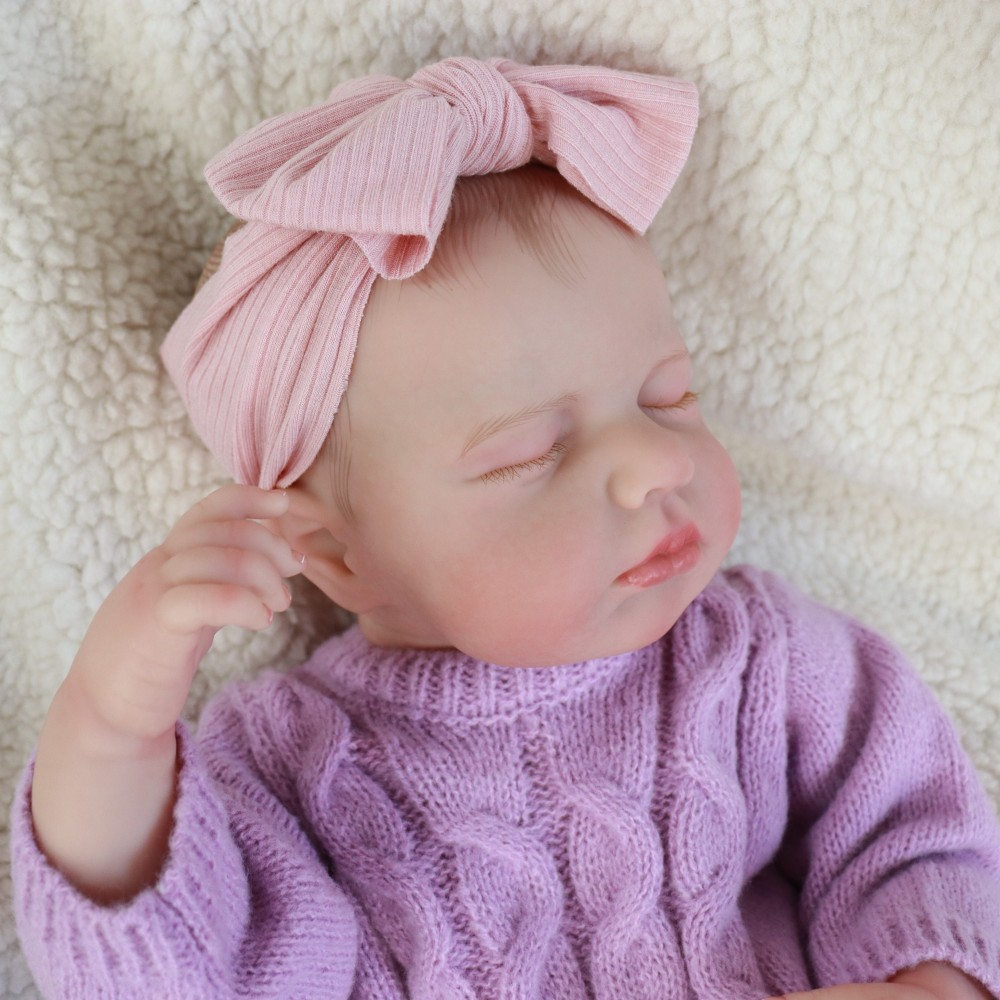
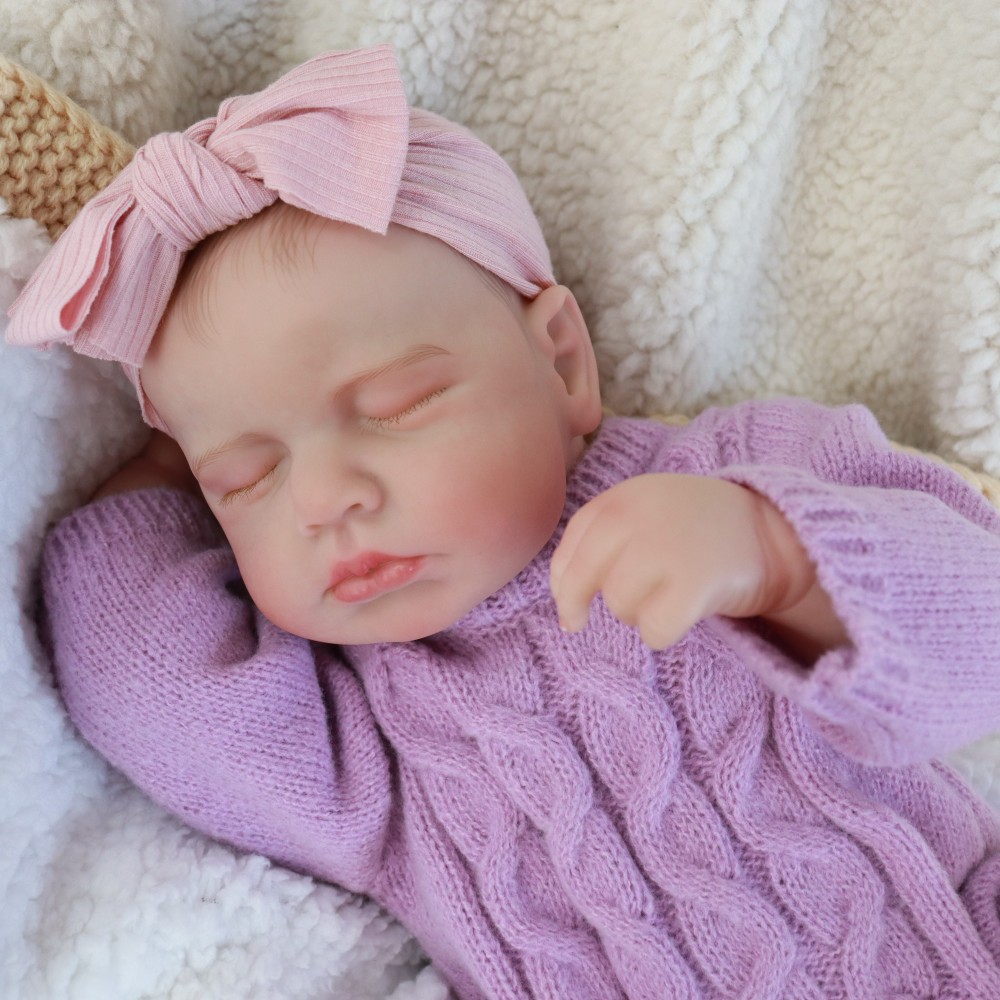
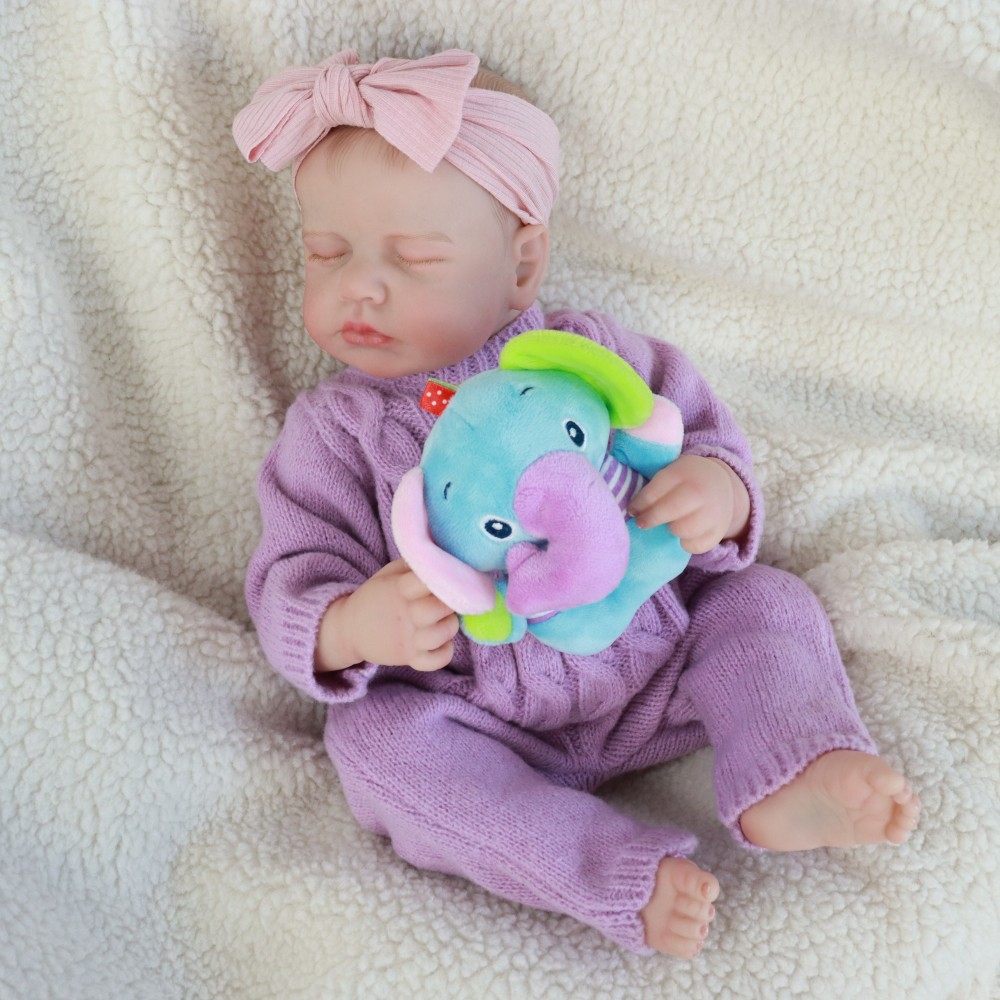
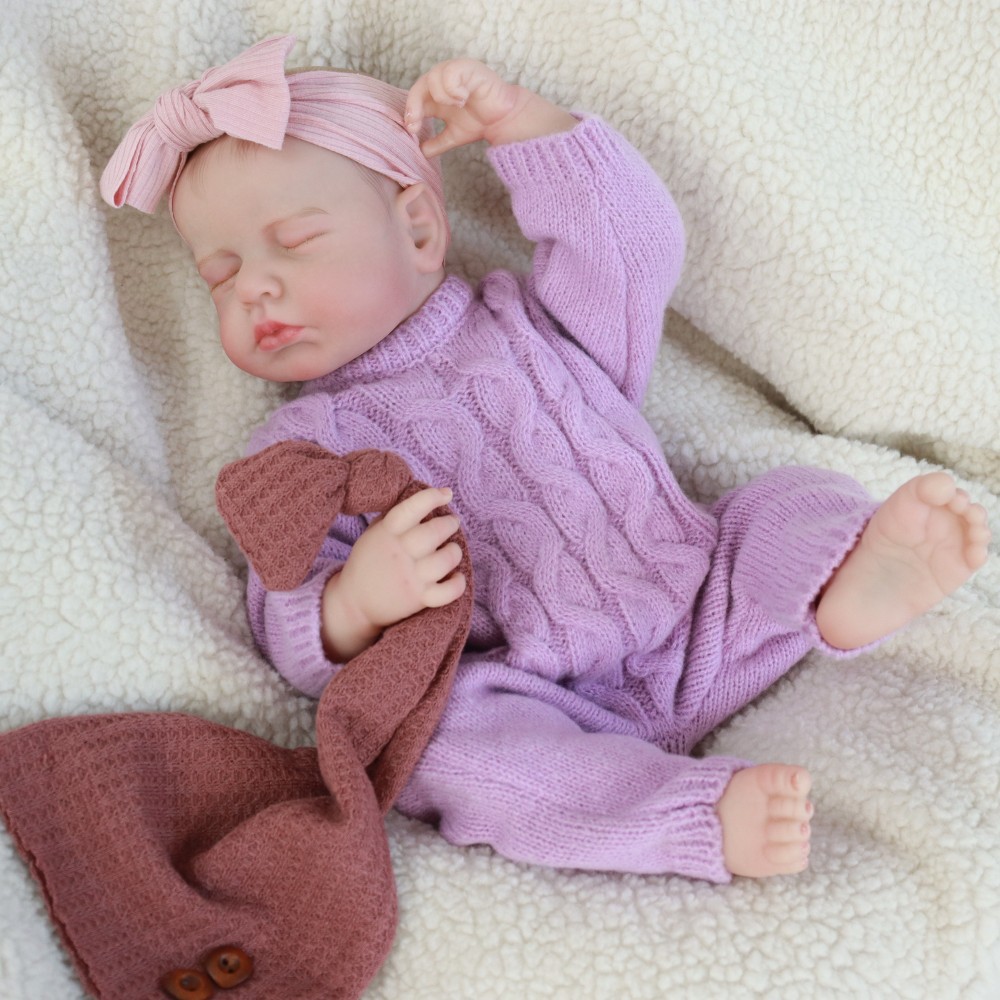
- A realistic reborn doll
- Jewelry connected to memory or family
What these items often share is familiarity. They feel emotionally predictable during moments that do not.
For many people, comfort objects create a quiet sense of emotional grounding without requiring attention from others. They become private tools for emotional regulation rather than public displays of vulnerability.
The Psychology Behind Comfort Objects
Psychologists sometimes refer to comfort items as “transitional objects.” The concept originally described how children use familiar objects to feel safe while becoming more independent.
But transitional objects are not limited to childhood.
Adults often use similar emotional anchors during periods of stress, uncertainty, grief, loneliness, or major life changes. The psychological mechanism is surprisingly simple: familiar sensory experiences can help calm the nervous system and reduce emotional overload.
Soft textures, steady pressure, familiar scents, or repetitive touch can all contribute to emotional regulation.
That is why many adults instinctively reach for certain objects during difficult moments without fully realizing why.
How Comfort Objects Help Reduce Stress
One reason comfort objects remain effective is because they provide sensory consistency during emotionally inconsistent situations.
Physical comfort can influence emotional state more quickly than many people expect.
For example:
- Soft textures may help reduce tension
- Weighted pressure may create grounding sensations
- Familiar objects can trigger emotional safety
- Repetitive touch may calm racing thoughts
- Nostalgic items may reconnect people to stable memories
This is one reason sensory comfort for adults continues becoming more accepted within conversations around emotional wellness and stress management.
Many adults describe comfort objects as helping them mentally “slow down” after overstimulating days.
Nostalgia and Emotional Security
Nostalgia also plays a major role in why comfort objects feel meaningful.
A familiar item from childhood can reconnect someone to periods of safety, family connection, predictability, or emotional warmth. Even when life changes significantly, those emotional associations often remain powerful.
That does not mean adults are trying to “go backward” emotionally.
More often, nostalgia simply provides temporary emotional familiarity during stressful or uncertain periods of life.
This explains why so many adults keep certain sentimental objects for years, even when those items no longer serve any practical purpose.
The emotional meaning becomes more important than the object itself.
Common Comfort Objects Adults Use
Adult comfort objects look different for everyone. Some are subtle and private, while others become part of everyday routines.
Common examples include:
Soft and Sensory-Based Comfort Items
- Plush toys
- Weighted blankets
- Soft pillows
- Comfort hoodies
- Textured sensory products
These products are often used for stress relief, bedtime relaxation, or emotional grounding after work.
Sentimental Objects
- Family photographs
- Letters
- Jewelry
- Gifts connected to relationships
- Childhood keepsakes
These items are strongly tied to emotional memory and personal identity.
Modern Comfort Collectibles
In recent years, products connected to emotional wellness and tactile comfort have become increasingly common among adults.
For example, some people use reborn dolls for emotional support because the realistic weight, softness, and nurturing routines create calming sensory experiences.
Others prefer weighted comfort products or sensory-friendly plush collectibles that help reduce overstimulation and encourage relaxation.
Mental Health and Emotional Grounding
Comfort objects are not replacements for professional mental health support. However, many people use them as small emotional tools within larger self-care routines.
For some adults, comfort objects help with:
- Anxiety management
- Emotional grounding
- Bedtime relaxation
- Loneliness
- Emotional regulation
- Stress recovery after work
- Sensory overload
The appeal is often their simplicity.
A comfort object does not demand conversation, explanation, or performance. It simply provides familiarity and physical reassurance during emotionally heavy moments.
That quiet consistency is part of why these objects remain meaningful across different age groups.
Why the Stigma Around Adult Comfort Objects Is Changing
For a long time, adults using comfort objects were often judged as immature or emotionally dependent.
That perception is slowly changing.
Conversations around burnout, emotional wellness, anxiety, and sensory regulation have become far more open in recent years. As a result, more people now understand that emotional comfort tools are not inherently childish.
In many ways, adult comfort objects are no different from other widely accepted coping habits.
People already use candles, blankets, comfort food, music, or routines to self-soothe emotionally. Comfort objects simply work through physical familiarity and sensory reassurance instead.
The growing popularity of comfort collectibles, weighted products, and sensory wellness items reflects this larger cultural shift.
Choosing a Comfort Object That Feels Right
The most effective comfort objects are usually the ones that feel emotionally natural rather than forced.
Some people prefer soft textures and lightweight plush items. Others feel calmer with heavier, grounding objects like weighted blankets or realistic dolls.
A few things that often matter include:
- Softness and texture
- Emotional familiarity
- Ease of use
- Portability
- Personal emotional connection
- Sensory comfort
- Routine compatibility
For adults interested in more tactile comfort experiences, some choose realistic reborn dolls because the physical weight and lifelike details create a stronger sense of emotional grounding.
The goal is not to find the “perfect” object. It is simply to find something that helps create small moments of calm, familiarity, or emotional stability during stressful periods.
Final Thoughts
Comfort objects are ultimately less about age and more about emotional regulation.
In a world that often feels overstimulating and emotionally exhausting, many adults naturally look for small forms of sensory comfort and emotional grounding.
For some people, that may be a soft blanket or sentimental keepsake. For others, it could be weighted comfort products, plush collectibles, or realistic reborn dolls that provide tactile reassurance and calming routines.
What matters most is not whether the object seems socially “normal,” but whether it genuinely helps someone feel safer, calmer, or more emotionally balanced in daily life.
FAQ
Why do adults use comfort objects?
Adults often use comfort objects for emotional grounding, stress relief, and sensory comfort during periods of anxiety, burnout, grief, or emotional overload.
Are comfort objects healthy for adults?
Yes. Many psychologists view comfort objects as normal emotional regulation tools when used in healthy and balanced ways.
What are common comfort objects for adults?
Common comfort objects include weighted blankets, plush toys, sentimental keepsakes, soft pillows, and reborn dolls designed for emotional comfort.
Can reborn dolls help with emotional support?
Some adults find reborn dolls calming because their realistic weight and tactile feel provide emotional grounding and sensory reassurance.
Table of Contents

Owen is the second-generation founder of Sueban Group, a reborn doll manufacturer based in Guangdong, China. With over 20 years of family manufacturing heritage, Owen leads the company's B2B operations serving wholesalers, brands, and institutional buyers across 20+ countries.
Meet Owen →
 English
  Deutsch
  Français
  Español
  Italiano
  Nederlands