For a long time, comfort objects were mostly associated with childhood. A favorite blanket, a stuffed animal, or a familiar toy was seen as something children used to feel safe during stressful moments. In 2026, that perception has changed significantly.
More adults are openly surrounding themselves with items that provide emotional comfort, softness, and familiarity. Whether it’s a plush collectible on a work desk, a weighted comfort item used during stressful evenings, or a realistic reborn doll displayed in a carefully designed nursery space, these objects are becoming part of everyday self-care routines.
This shift reflects something deeper happening in modern life. Many adults are dealing with constant digital stimulation, work pressure, social exhaustion, and emotional burnout. In response, people are looking for slower, more grounding experiences that feel personal and calming. Comfort collectibles fit naturally into that space because they offer something physical, familiar, and emotionally reassuring.
Importantly, these items are not replacing professional mental health support. However, for many people, they can become part of a healthier daily routine focused on relaxation, emotional grounding, and stress management.
Why Comfort Collectibles Feel Different in 2026
One reason these products are growing in popularity is that adults no longer see comfort as something embarrassing. Conversations around anxiety, burnout, and emotional well-being have become far more open across the United States, especially online.
Social media has also played a major role in normalizing comfort-focused hobbies. Platforms filled with cozy room setups, journaling routines, plush collections, and reborn doll nurseries have made these interests feel more socially accepted than they were even a few years ago.
At the same time, many people are intentionally trying to reduce overstimulation in their daily lives. Soft textures, calming routines, and tactile objects can help create small moments of quiet in environments that often feel mentally exhausting.
For some adults, comfort collectibles are connected to nostalgia. Certain textures, colors, or routines can remind people of calmer periods in life, childhood memories, or feelings of emotional security. That emotional familiarity is part of what makes these collectibles feel meaningful rather than purely decorative.
The Emotional Appeal of Comfort Collectibles
Comfort collectibles are often valued because they create a strong sensory and emotional experience. Unlike purely visual collectibles, these items are designed to be held, touched, organized, or incorporated into personal routines.
Many adults describe comfort-focused collectibles as helping them slow down after stressful days. A weighted item resting on the lap, a soft plush nearby during work hours, or a calming nighttime routine built around sensory comfort can create a noticeable sense of relaxation.
Some of the most common reasons adults are drawn to these products include:
- Emotional grounding during stressful periods
- Comfort-focused routines before sleep or after work
- Reduced screen-time overstimulation
- Nostalgia and emotional familiarity
- A desire for tactile, real-world experiences
- Personal collecting and creative display hobbies
The appeal is often less about “collecting for value” and more about how these items make people feel in everyday life.
Popular Types of Comfort Collectibles in 2026
The comfort collectible market has expanded well beyond traditional plush toys. In 2026, several categories continue to stand out among adult buyers.
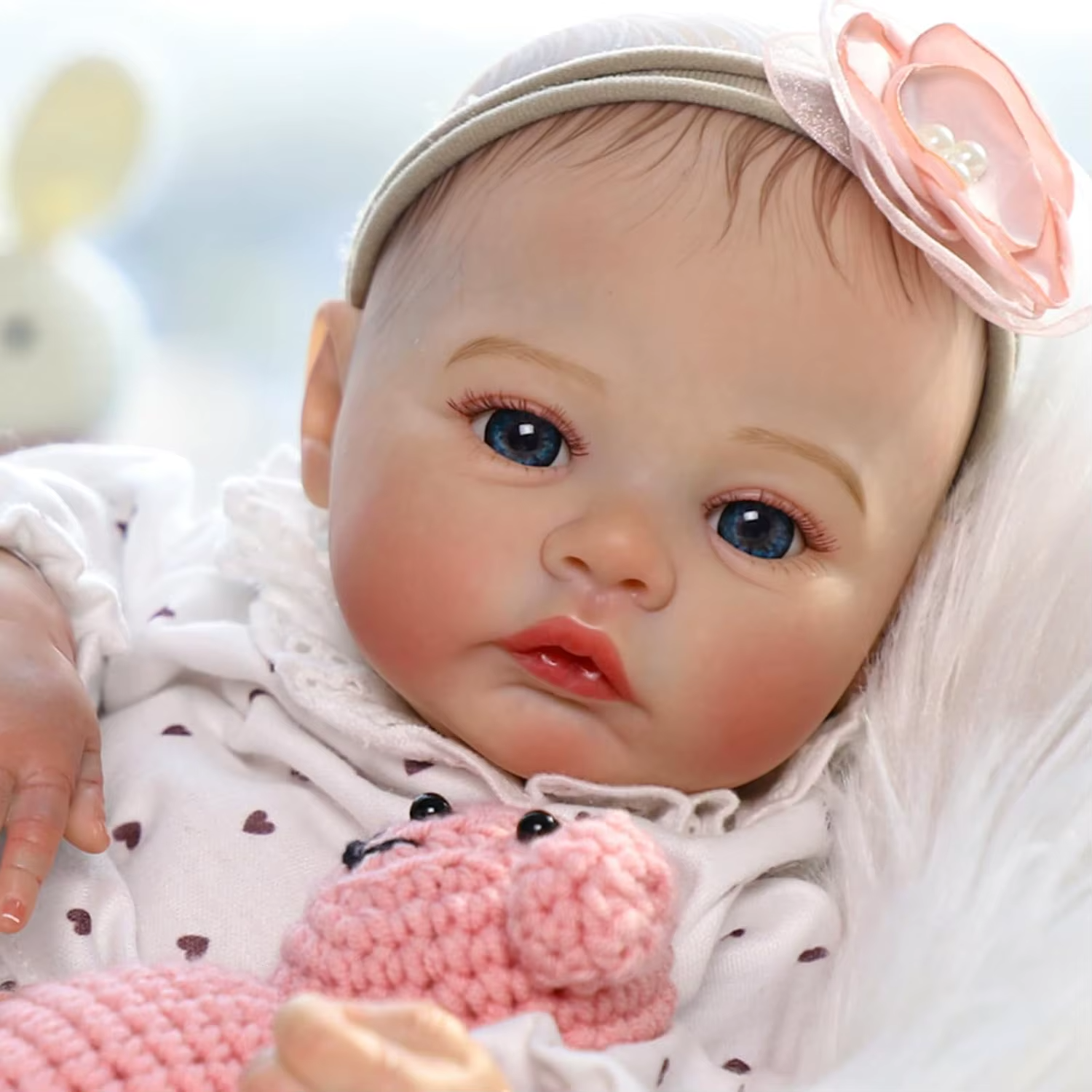
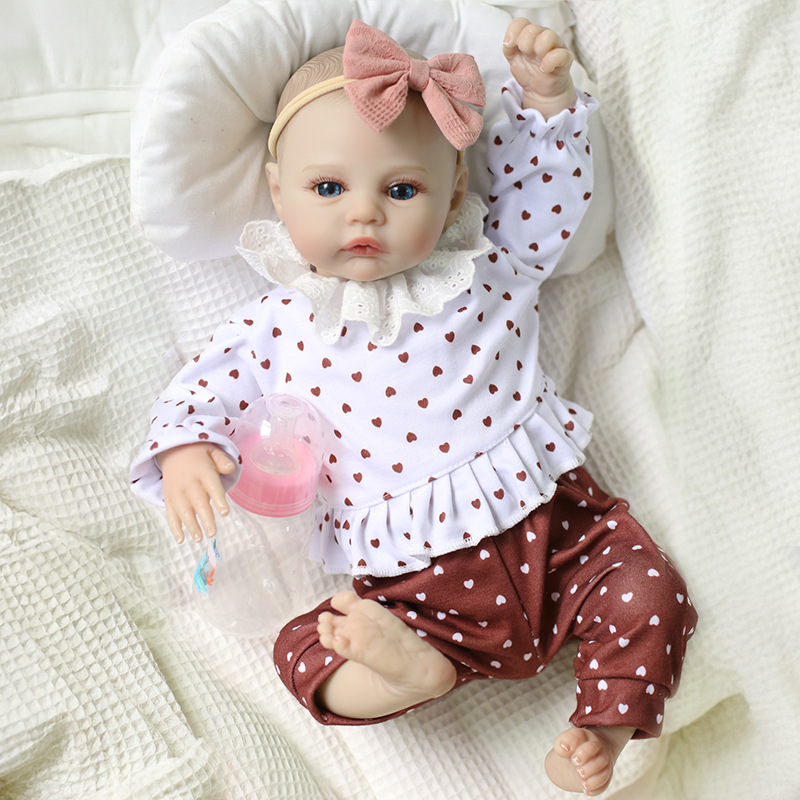
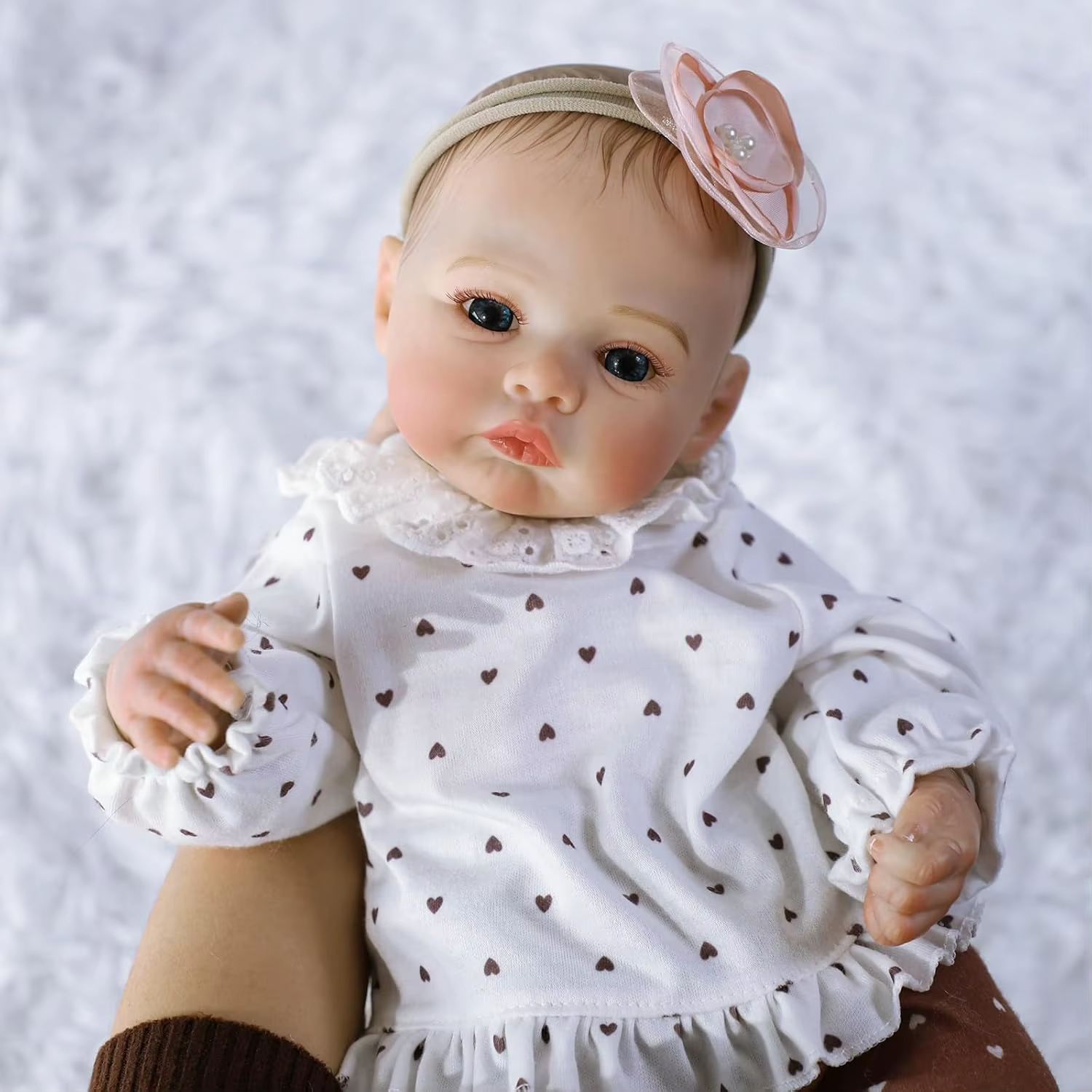
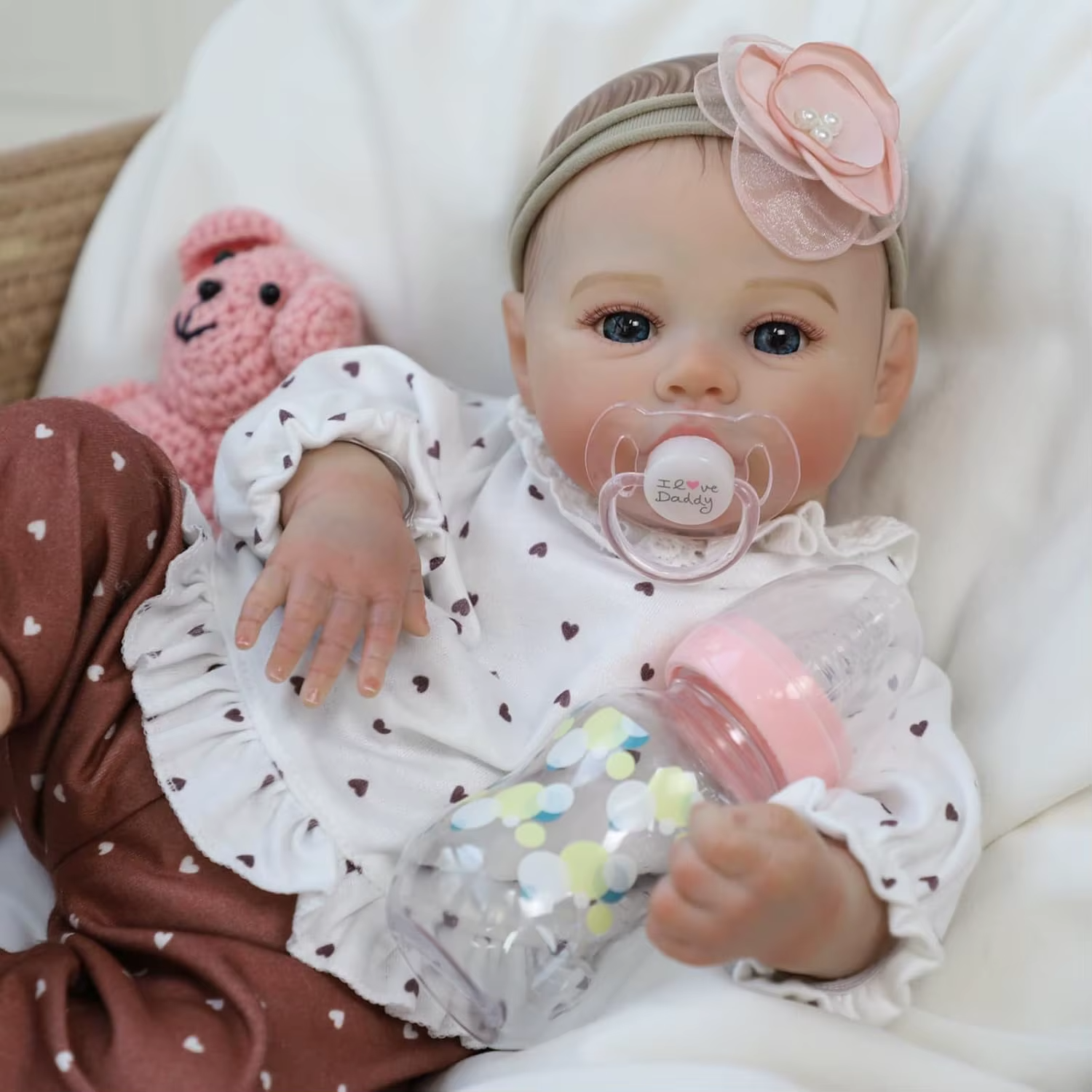
Reborn Dolls
Reborn dolls remain one of the most emotionally driven categories in the collectible world. Many adults are drawn to their realistic appearance, soft weighting, and calming physical presence.
Some collectors appreciate the artistic craftsmanship involved, while others connect more strongly with the emotional comfort these dolls may provide. In many cases, reborns become part of quiet home routines centered around care, display, photography, or relaxation.
Buyers looking for comfort-focused realism often prefer cuddle-style reborn dolls with soft cloth bodies, while collectors interested in durability and display may lean toward vinyl reborns with more detailed painting and rooted hair.
Plush Collectibles
Adult plush collecting continues to grow because these items are simple, approachable, and easy to integrate into daily life. A small plush placed on a desk, couch, or bedside table can create a softer and more comforting environment without requiring major space or maintenance.
Soft textures are a major reason these collectibles remain popular. Many adults describe tactile comfort as one of the easiest ways to mentally unwind after long workdays or periods of emotional fatigue.
Weighted Comfort Objects
Weighted products have also become more common within comfort-focused collecting. Weighted plush toys, lap pads, and sensory items are often chosen because of their grounding physical feel.
Rather than functioning as medical tools, these products are usually incorporated into personal comfort routines at home, during travel, or while working. Smaller weighted objects are especially popular because they are portable and easy to keep nearby during stressful moments.
Creative Comfort Hobbies
Many adults also pair comfort collectibles with slower, hands-on hobbies that encourage relaxation and focus. Common examples include:
- Journaling
- Coloring
- Miniature room setups
- Sensory kits
- Photography
- Display organization
- Crafting and customization
These hobbies often work together to create calm routines that feel personal, creative, and emotionally restorative.
Why the Market Continues to Grow
The growing interest in comfort collectibles reflects larger cultural changes happening across the wellness and lifestyle industries.
Many consumers are becoming less interested in status-driven purchases and more interested in products that provide emotional value, sensory comfort, or meaningful routines. That shift is influencing everything from home décor trends to collectible culture.
The comfort collectible market is also benefiting from several broader trends:
| Trend | Why It Matters |
|---|---|
| Emotional wellness focus | Buyers are prioritizing calming routines and stress management |
| Nostalgia-driven purchases | Familiar designs create emotional connection |
| Cozy lifestyle culture | Soft textures and comfort aesthetics remain popular online |
| Personalization | Buyers want collectibles that feel unique and emotionally meaningful |
| Social sharing | Online communities help normalize comfort-focused hobbies |
As these trends continue, more brands are introducing products designed specifically for adults rather than treating comfort collectibles as children’s items.
Choosing the Right Comfort Collectible
When choosing a comfort collectible, the most important factor is not trend value—it is personal comfort.
Some people prefer soft plush textures because they are lightweight and easy to keep nearby throughout the day. Others prefer reborn dolls because of their realism, weight, and emotional presence. Buyers interested in grounding sensory experiences may feel more comfortable with weighted products that create a steadier physical feel.
Practical details also matter:
- Choose materials that are soft, durable, and easy to clean
- Consider storage space and portability
- Avoid overly fragile items if they will be handled frequently
- Look for realistic product photos and transparent descriptions
- Focus on products that fit naturally into your existing routines
Personal connection is often what determines whether a collectible remains meaningful long term. A product does not need to be expensive or highly limited to feel emotionally valuable.
The Future of Comfort Collectibles
Looking ahead, comfort collectibles are likely to become even more connected to wellness routines, sensory-focused design, and emotional self-care culture.
Consumers increasingly want products that feel calming, tactile, and emotionally personal rather than purely decorative or trend-driven. That demand is pushing brands toward softer materials, more realistic textures, customizable designs, and products intended for everyday comfort.
Reborn dolls, plush collectibles, and weighted comfort items are all part of a larger movement toward slower, more emotionally aware lifestyles. What once may have been considered niche hobbies are gradually becoming normalized forms of comfort, creativity, and self-expression for adults.
In many ways, the popularity of comfort collectibles says less about the products themselves and more about what modern adults are searching for: calm, familiarity, softness, and small moments of emotional relief in increasingly overwhelming environments.
Table of Contents
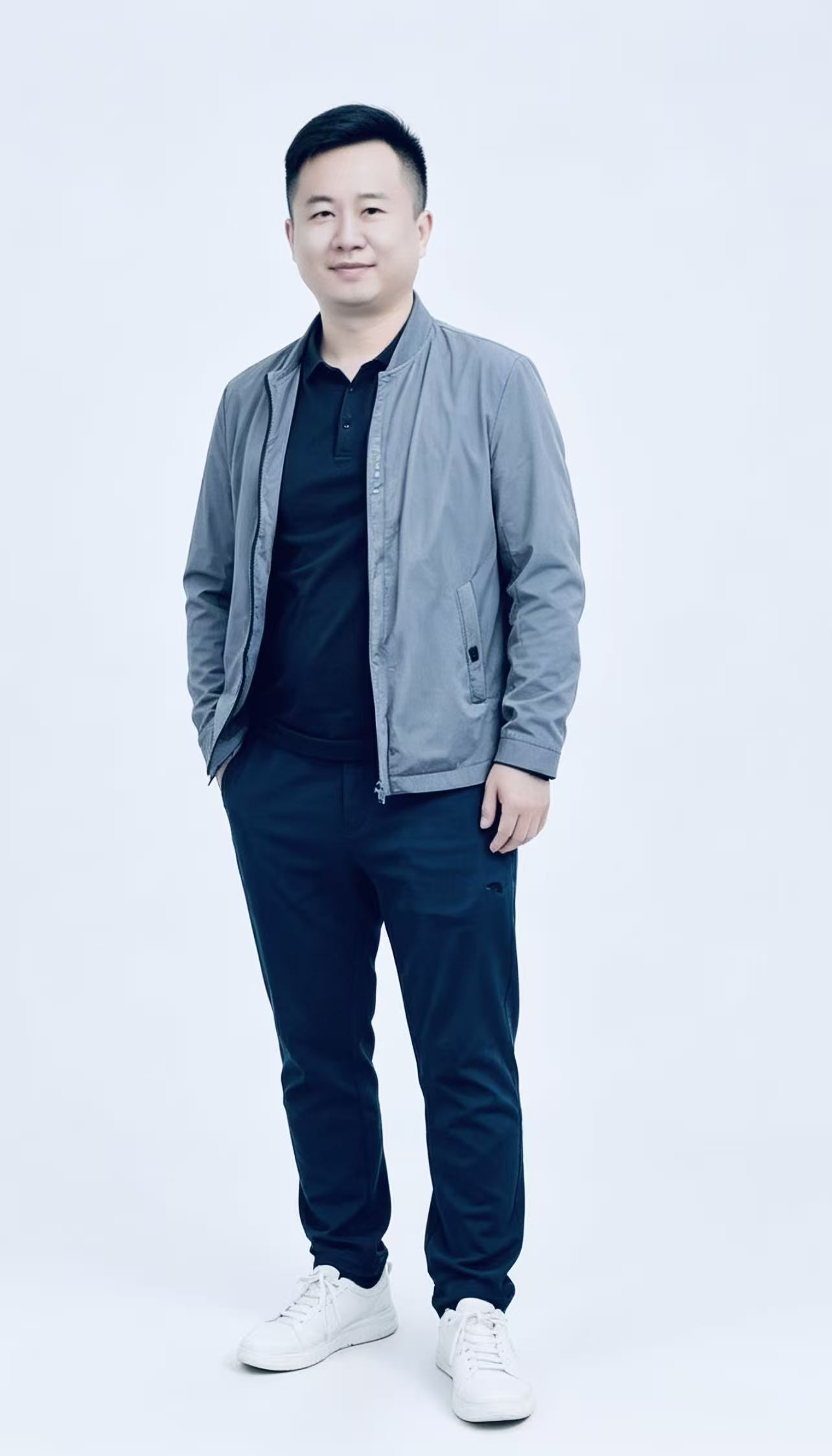
Owen is the second-generation founder of Sueban Group, a reborn doll manufacturer based in Guangdong, China. With over 20 years of family manufacturing heritage, Owen leads the company's B2B operations serving wholesalers, brands, and institutional buyers across 20+ countries.
Meet Owen →
 English
  Deutsch
  Français
  Español
  Italiano
  Nederlands