Luxury does not feel the same anymore.
For a long time, luxury was tied to status — designer bags, expensive watches, and recognizable logos. But in 2026, more consumers are shifting toward something different: emotional comfort, personal connection, and sensory experience.
Instead of buying products just to impress other people, many buyers now want items that feel calming, meaningful, or emotionally familiar.
That shift is one reason emotional collectibles are growing so quickly across the U.S. market.
From reborn dolls and designer art toys to plush collectibles and nostalgia-driven items, the new luxury trend is becoming more personal and less performative.
Why Emotional Comfort Matters More Than Status
A lot of consumers are tired of image-based spending.
Social media pressure, work stress, and constant digital overload have changed how people think about value. Expensive products still exist, but many buyers now care more about how something feels than how it looks online.
That is where emotional collectibles stand out.
Unlike traditional luxury goods, these items are often connected to:
- nostalgia
- sensory comfort
- personal identity
- emotional grounding
- daily stress support
For many collectors, the value comes from emotional experience rather than public recognition.
The Growth of the Kidult Economy
The rise of the kidult economy is one of the biggest consumer shifts of the past few years.
Adults — especially Millennials and Gen Z — are buying products once associated with childhood, but for completely different reasons.
Today’s collectors are not simply “playing with toys.” Many are using collectibles as part of:
- home decoration
- stress relief
- creative expression
- nostalgia
- emotional comfort
This explains why categories like designer art toys, reborn dolls, blind boxes, and plush collectibles continue growing globally.
For younger consumers, emotional connection often matters more than traditional luxury branding.
Why Blind Boxes and Art Toys Feel More Personal
One major reason emotional collectibles are replacing traditional luxury is the experience itself.
Traditional retail can feel predictable. Emotional collectibles create interaction, surprise, and community.
Blind box culture especially has become popular because it combines:
- anticipation
- rarity
- collecting
- emotional excitement
- social sharing
Many buyers enjoy the “hunt” for rare figures more than buying expensive fashion accessories.
That sense of discovery creates stronger personal memories, which is something traditional luxury products often struggle to offer now.
Why Reborn Dolls Continue Growing
Among emotional collectibles, reborn dolls have become one of the most discussed categories.
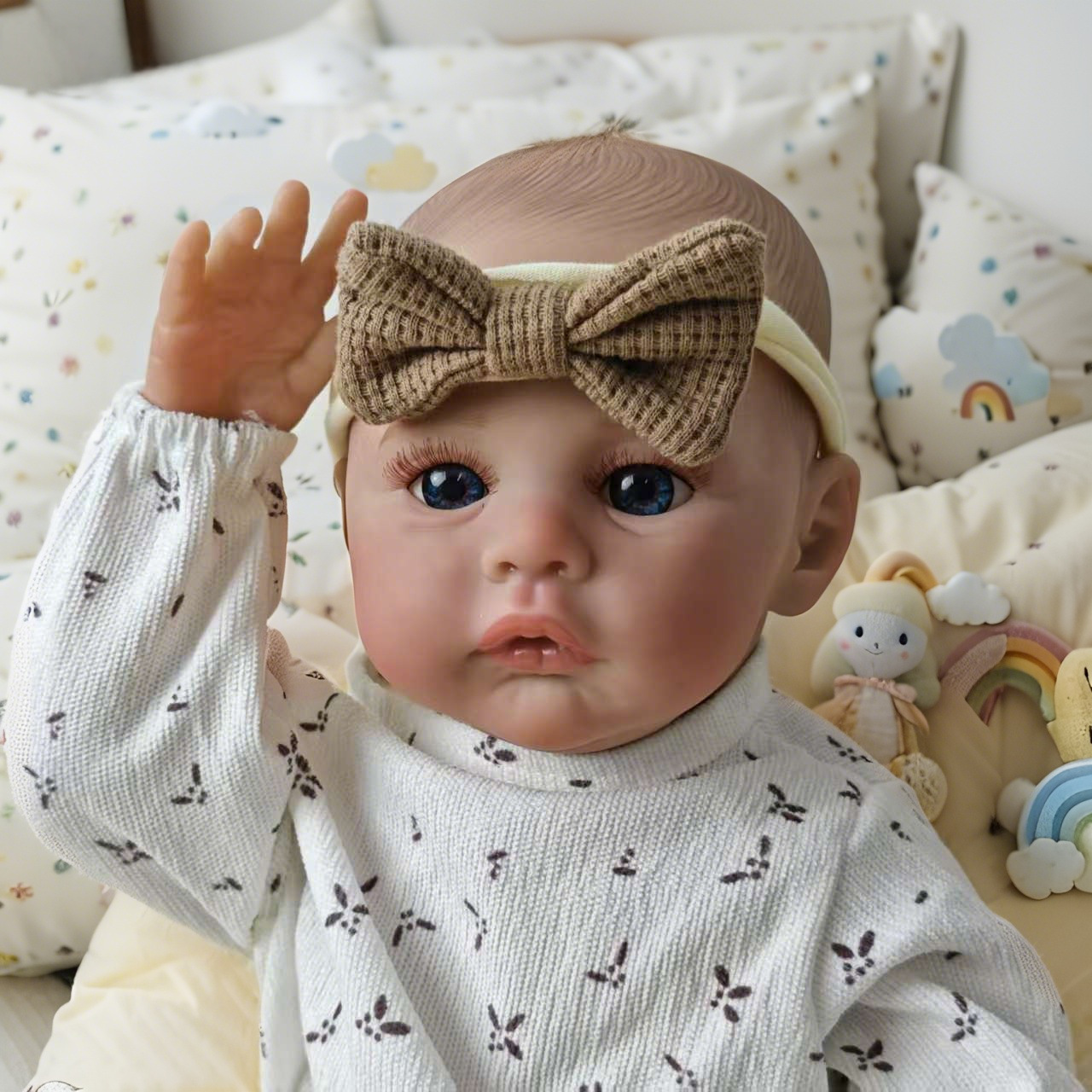
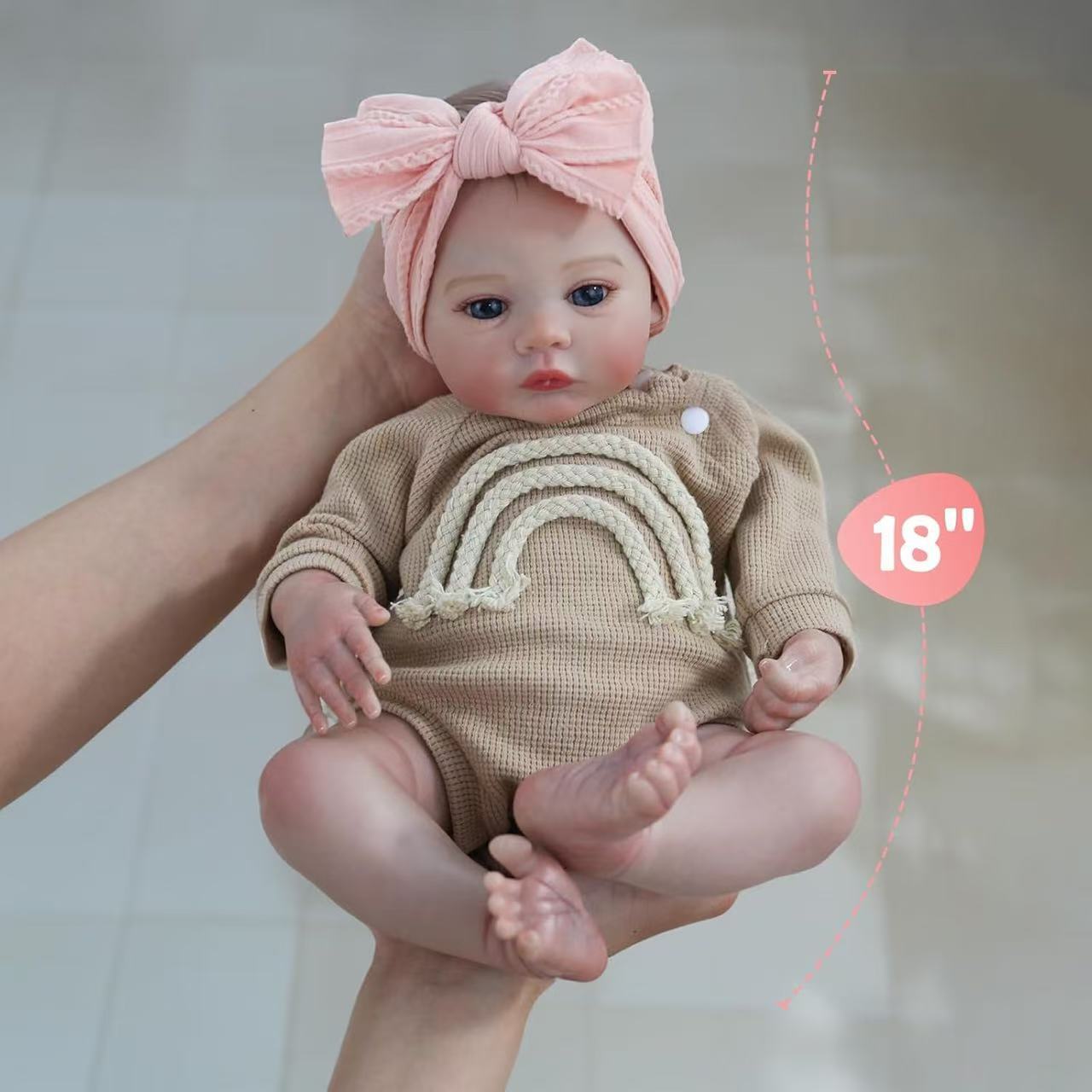
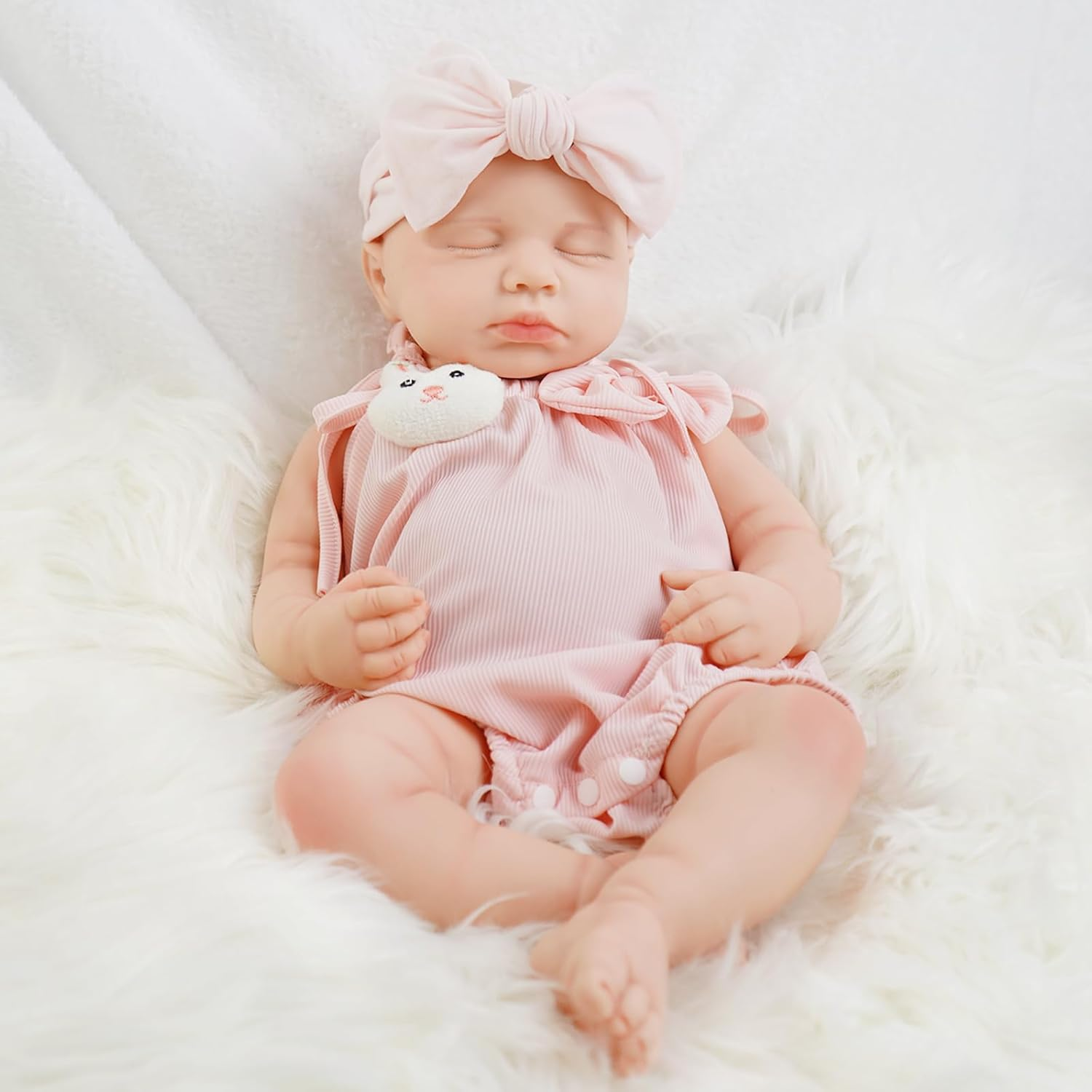
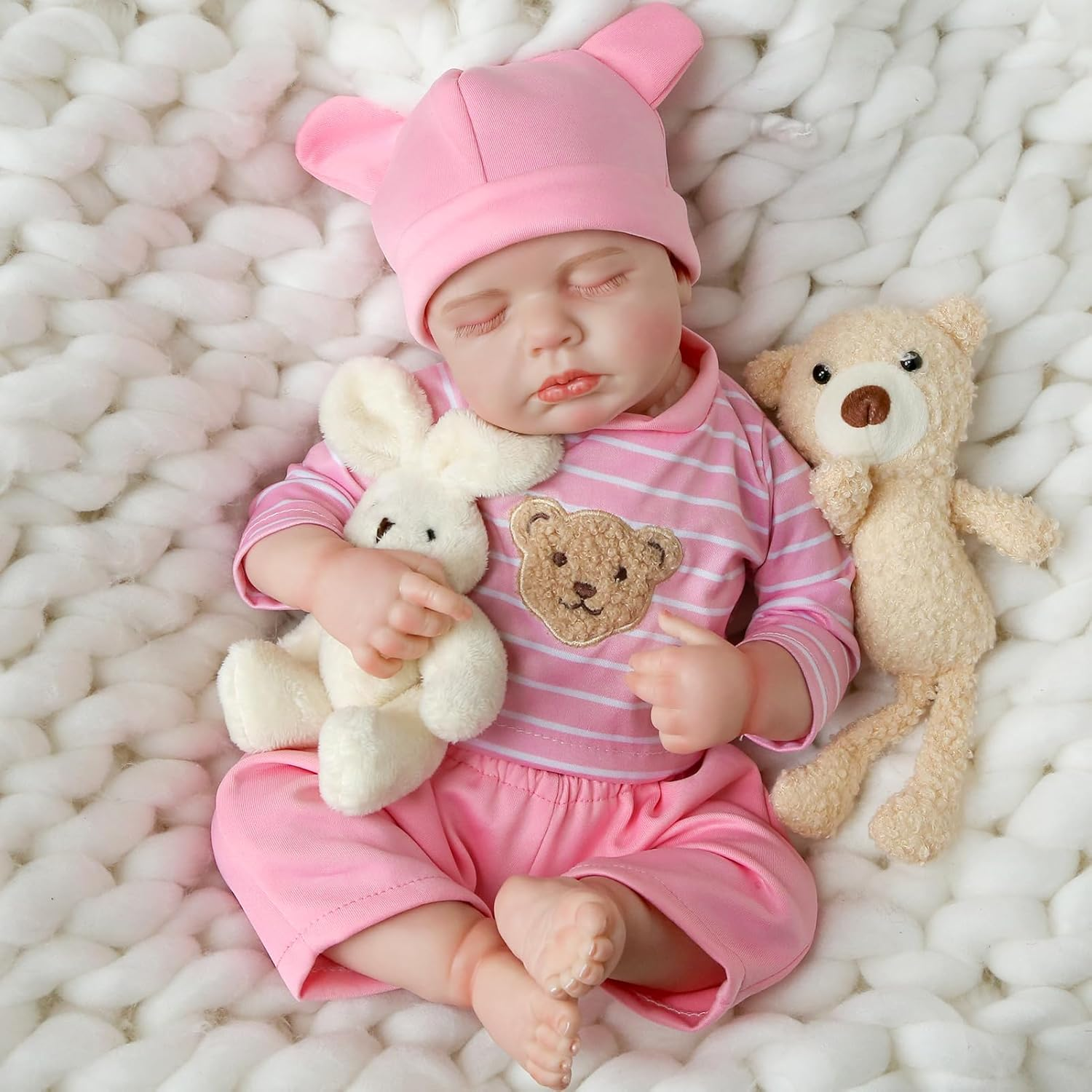
For many collectors, reborn dolls are not simply display items. The realistic appearance, soft materials, and weighted feel create a stronger sensory connection than many traditional products.
Some buyers enjoy them for:
- collecting
- photography
- emotional comfort
- creative display
- calming routines
The move toward higher-quality silicone materials has also changed the market significantly.
Modern platinum silicone dolls now focus heavily on:
- realistic skin texture
- natural weight
- lifelike appearance
- handcrafted details
That tactile realism is a major reason these collectibles continue attracting adult buyers.
Emotional Collectibles vs Traditional Luxury
The biggest difference between these markets is emotional purpose.
| Traditional Luxury | Emotional Collectibles |
|---|---|
| Status-focused | Emotion-focused |
| Public image | Personal comfort |
| Brand identity | Individual connection |
| Fashion-driven | Experience-driven |
| Seasonal trends | Long-term attachment |
Many consumers no longer want products that simply look expensive. They want items that feel personal and emotionally meaningful inside everyday life.
That is one reason the nostalgia economy continues growing in 2026.
Why Personal Connection Is Becoming the New Luxury
Collectors today often value storytelling more than logos.
A designer handbag may represent social success, but an art toy or custom reborn doll often reflects:
- memory
- personality
- emotional attachment
- creativity
- comfort
This creates a more private and emotionally grounded type of ownership.
In many ways, emotional collectibles feel closer to personal art than traditional retail products.
The Manufacturing Side of Emotional Collectibles
As demand grows, buyers are also paying closer attention to craftsmanship and product quality.
In the emotional collectibles market, consumers care heavily about:
- safe materials
- realistic textures
- handmade details
- customization
- durability
That is especially important for silicone reborn dolls and tactile collectibles designed for long-term collecting.
Manufacturers now focus more on:
- non-toxic materials
- sensory-friendly textures
- OEM/ODM customization
- sustainable packaging
- collectible-quality production
For many brands, emotional connection has become just as important as appearance.
Sustainability and Long-Term Value
Another reason emotional collectibles are replacing traditional luxury is sustainability.
Consumers are becoming more careful about impulse spending and fast-fashion culture. Instead of buying multiple trend-based products, many now prefer fewer items with stronger personal meaning.
High-quality collectibles often stay in collections for years rather than seasons.
That long-term attachment creates both emotional and collectible value over time.
Emotional Value Is Changing Consumer Spending
In 2026, people are redefining what “valuable” means.
For some consumers, luxury is no longer about displaying wealth publicly. Instead, it is about building a calmer, more personal environment at home.
That is why emotional collectibles continue growing across categories like:
- reborn dolls
- designer art toys
- plush collectibles
- blind boxes
- tactile comfort products
The strongest products today are not always the most expensive ones. They are often the ones people feel emotionally connected to.
The Future of Luxury Feels More Human
The biggest shift happening right now is simple:
Consumers want products that feel human again.
As digital life becomes faster and more overwhelming, emotional collectibles offer something physical, calming, and personal.
That emotional connection is becoming more valuable than status alone.
For many buyers in 2026, comfort, nostalgia, and sensory experience are no longer separate from luxury — they are the new definition of it.
Table of Contents
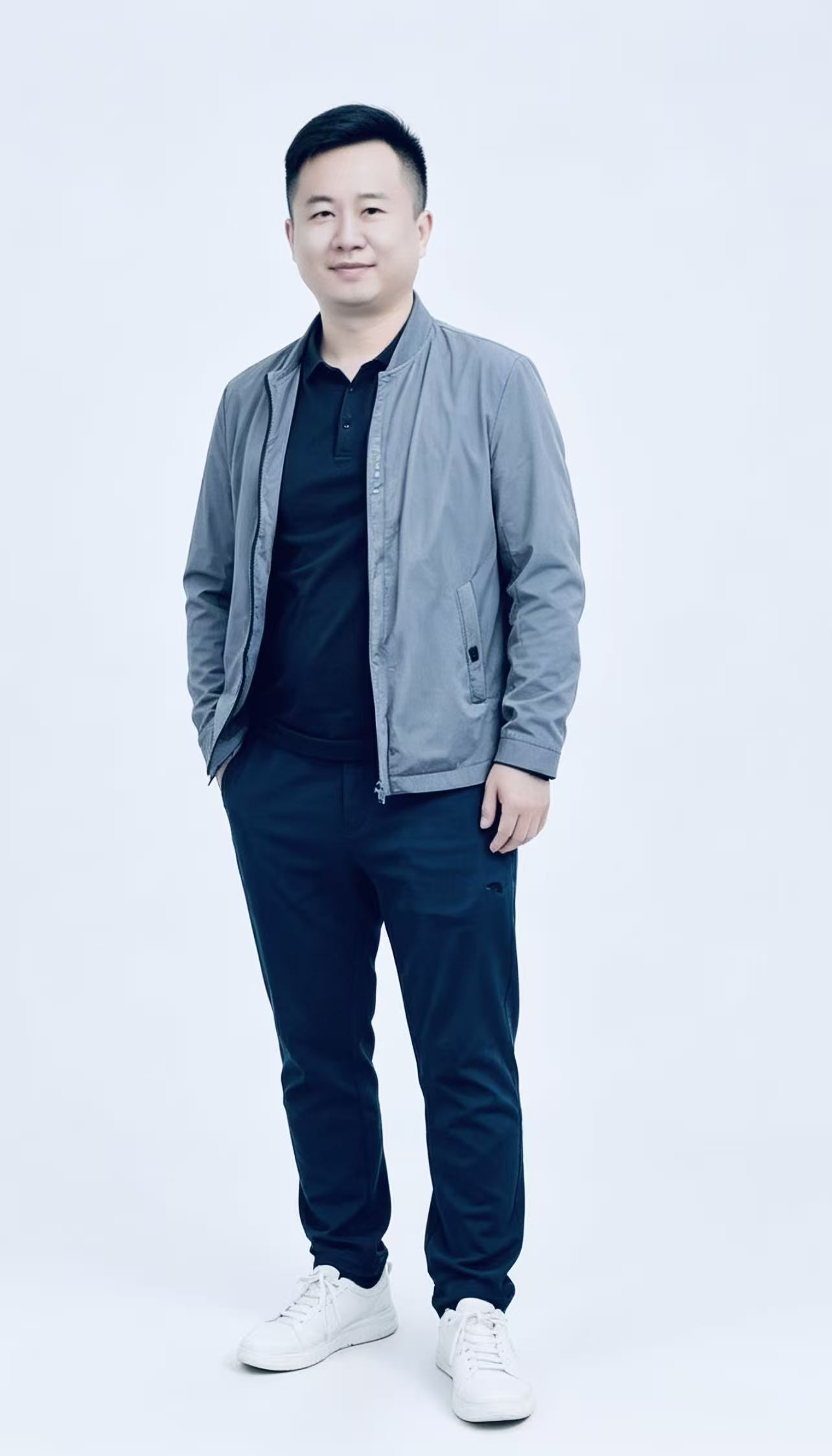
Owen is the second-generation founder of Sueban Group, a reborn doll manufacturer based in Guangdong, China. With over 20 years of family manufacturing heritage, Owen leads the company's B2B operations serving wholesalers, brands, and institutional buyers across 20+ countries.
Meet Owen →
 English
  Deutsch
  Français
  Español
  Italiano
  Nederlands