Clinical Benefits of Doll Therapy
Seeing a memory care resident pace the halls with severe anxiety is tough. I regularly hear from facility administrators who are exhausted trying to manage wandering and physical agitation. If you are exploring non-pharmacological memory care solutions to handle these challenges safely, knowing how to start a doll therapy program in nursing homes is a highly effective operational upgrade.
Psychosocial Impact on Dementia Patients
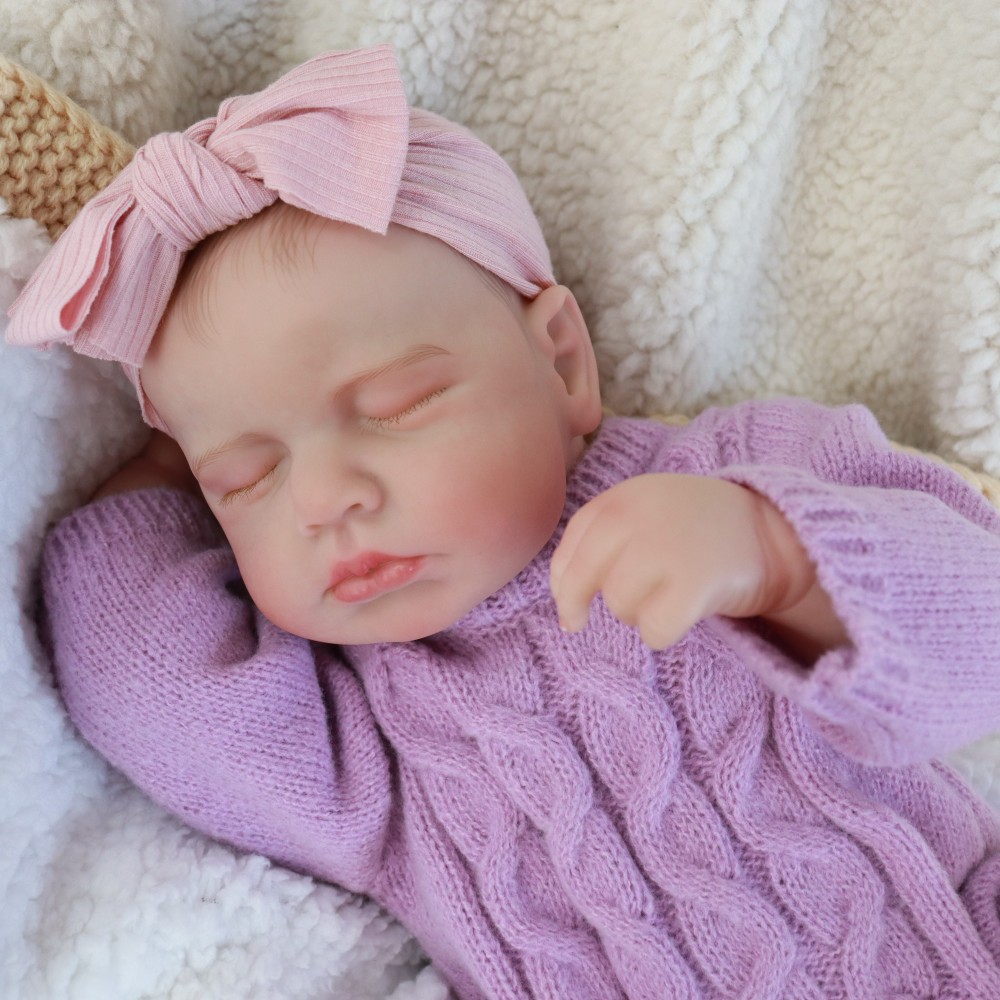
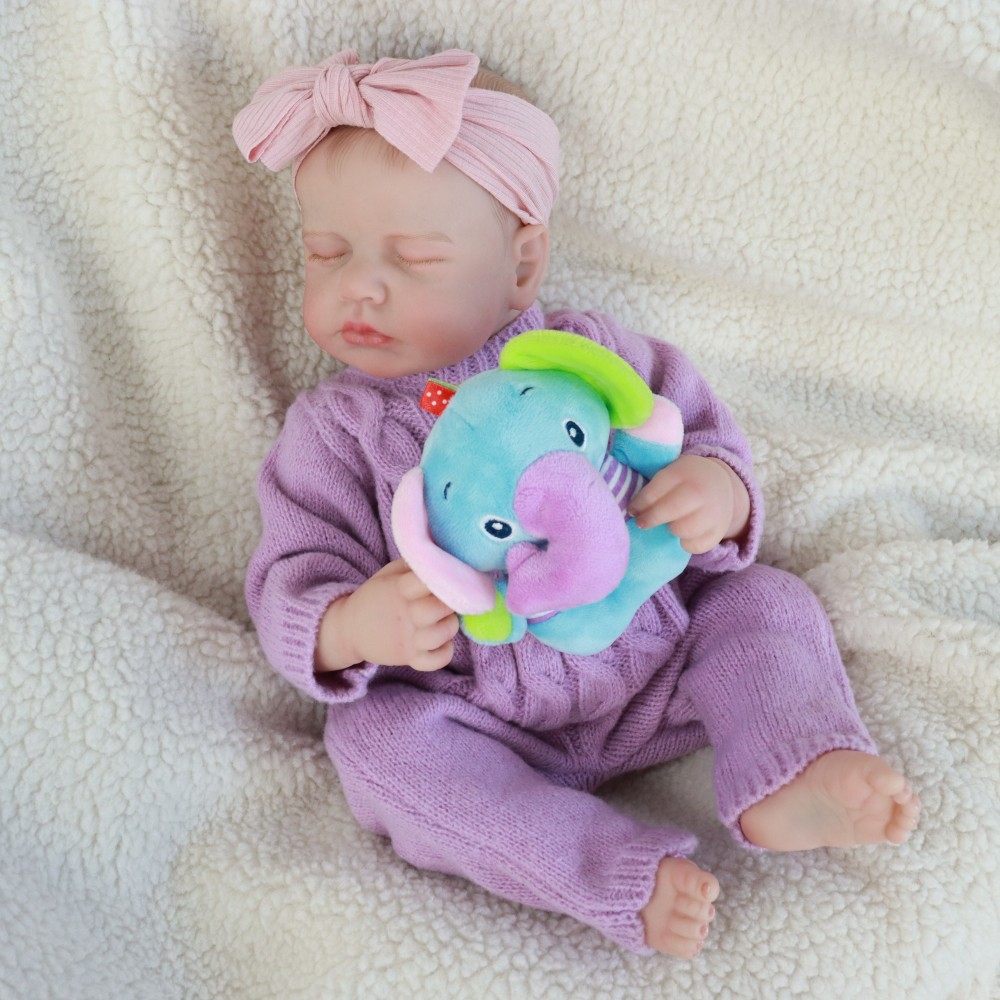
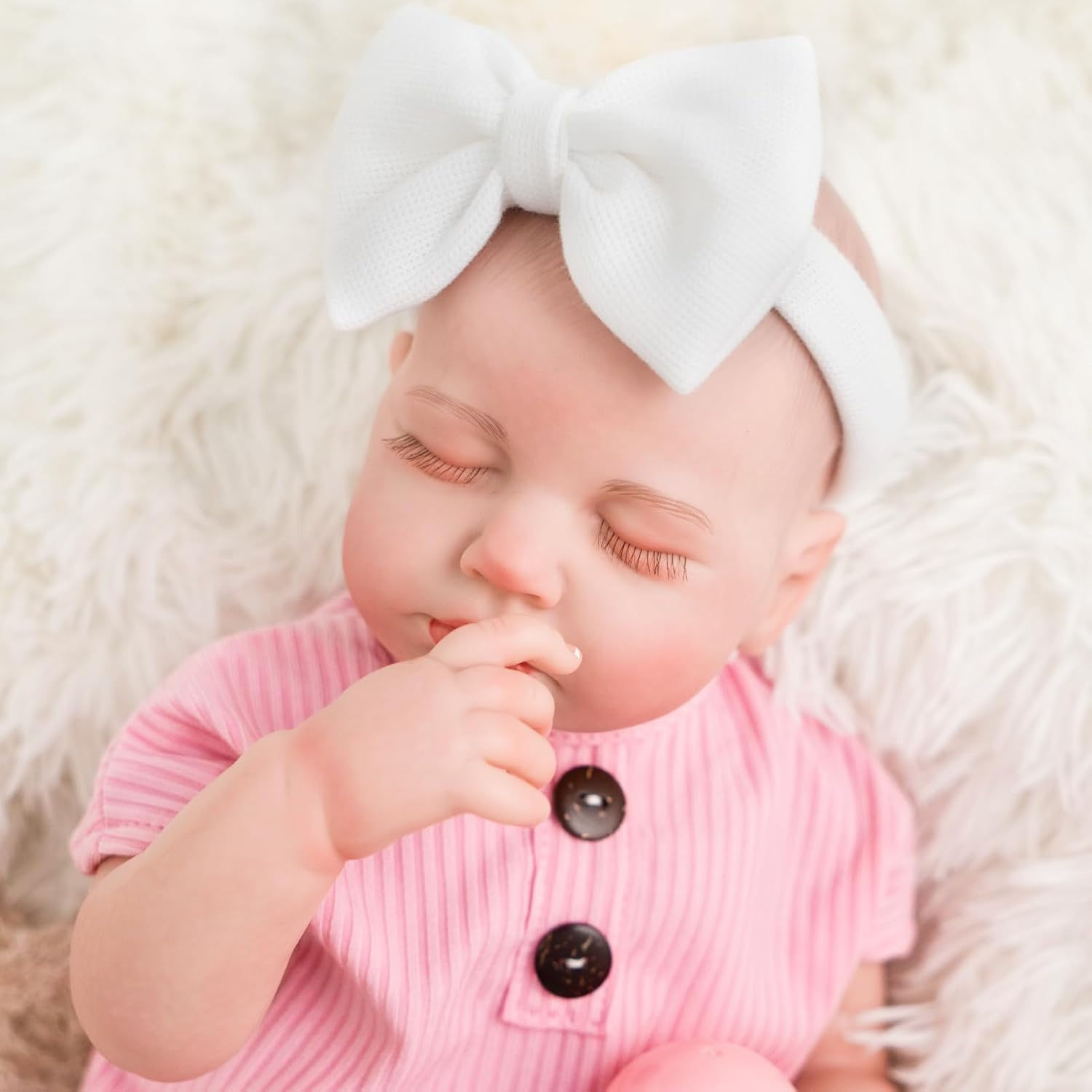
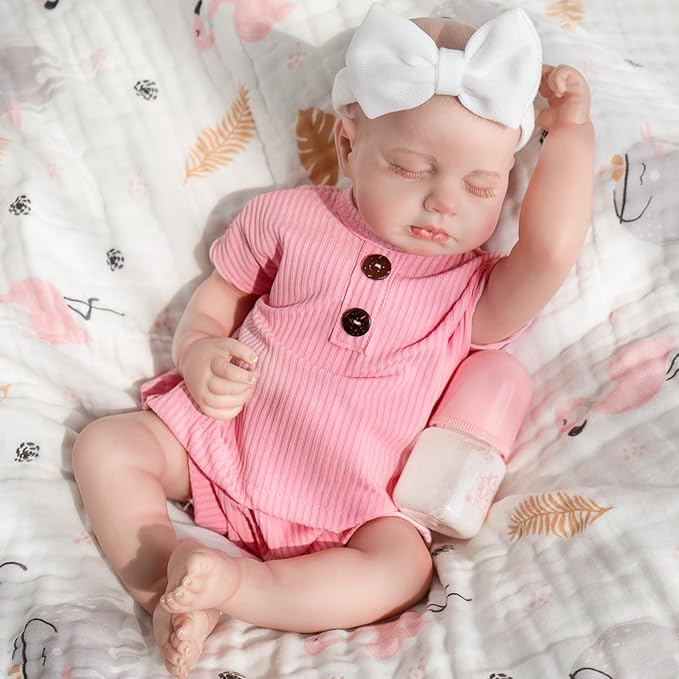
Therapeutic baby dolls for the elderly are not toys; they are clinical tools deeply rooted in attachment theory. When a resident is handed a lifelike doll, it instantly taps into ingrained nurturing instincts.
- Restores a Sense of Purpose: Caring for the doll gives residents a tangible, meaningful daily “duty.”
- Dementia Behavior Management: This focused, positive attention drastically reduces pacing, wandering, and aggressive outbursts.
- Emotional Security: Holding and rocking the doll provides immediate comfort, mitigating the profound isolation often experienced in memory care wings.
Sensory Stimulation and Tactile Engagement
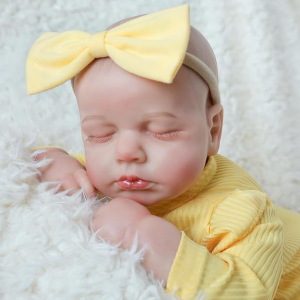
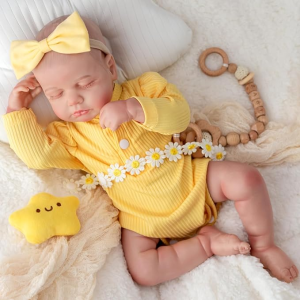
For late-stage dementia residents, verbal communication fades, making physical touch absolutely vital. To work effectively as Alzheimer’s sensory therapy tools, the intervention must feel authentic. The realistic weight and soft silicone touch of our reborn therapy dolls provide essential grounding input.
Why Tactile Feedback Matters:
| Feature | Sensory Benefit | Clinical Outcome |
|---|---|---|
| Realistic Weight | Mimics the physical burden of holding a real infant | Provides deep pressure therapy to immediately calm the nervous system |
| Soft Silicone Touch | Engages declining tactile receptors safely | Decreases agitation and redirects nervous, repetitive hand movements |
Implementing these targeted sensory interventions shifts your staff’s focus from merely managing distress to actively fostering calm. A well-executed doll therapy program nursing home initiative directly elevates the standard of care on your floor.
Doll Therapy Ethical Considerations and Facility Policies
When we help facilities figure out how to start a doll therapy program in nursing homes, our first piece of advice is to establish strict guidelines upfront. A successful program requires clear ground rules to protect the residents, ease family concerns, and keep your staff on the exact same page.
Here are the core policies every care facility needs to implement:
- Maintaining Dignity: The way your staff handles the dolls directly impacts the resident’s experience. If a senior refers to the therapy tool as a “baby,” the staff must do exactly the same. Never carry the doll casually by its limbs or toss it onto a chair. Treating the doll with the utmost respect is a cornerstone of effective dementia behavior management.
- Family Consent and Communication: Before introducing therapeutic baby dolls for elderly patients, you must get the family on board * Maintaining Dignity: The way your staff handles the dolls directly impacts the resident’s experience. If a senior refers to the therapy tool as a “baby,” the staff must do exactly the same. Never carry the doll casually by its limbs or toss it onto a chair. Treating the doll with the utmost respect is a cornerstone of effective dementia behavior management.
- Family Consent and Communication: Before introducing therapeutic baby dolls for elderly patients, you must get the family on board. Draft straightforward consent forms that clearly explain the clinical goals. It often helps to provide families with a comprehensive [reborn doll therapy guide](https://www.suebangroup* Maintaining Dignity: The way your staff handles the dolls directly impacts the resident’s experience. If a senior refers to the therapy tool as a “baby,” the staff must do exactly the same. Never carry the doll casually by its limbs or toss it onto a chair. Treating the doll with the utmost respect is a cornerstone of effective dementia behavior management.
- Family Consent and Communication: Before introducing therapeutic baby dolls for elderly patients, you must get the family on board. Draft straightforward consent forms that clearly explain the clinical goals. It often helps to provide families with a comprehensive reborn doll therapy guide so they understand exactly how these sensory tools reduce anxiety and provide comfort, rather than viewing them as mere toys.
- Strict Hygiene Protocols: Like all memory care facility supplies, these dolls must adhere to standard infection control. Create a mandatory, logged schedule for wiping down, washing, and sanitizing the dolls. Consistent, documented hygiene practices ensure the dolls remain completely safe for daily, tactile dementia patient engagement.
Selecting the Right Therapy Dolls
Technical Specs & Patient Safety
When figuring out how to start a doll therapy program in nursing homes, safety and physical realism are my top priorities. You can’t just grab a standard toy off a retail shelf; memory care facilities require specialized Alzheimer’s sensory therapy tools designed specifically for older adults.
Material Matters: Silicone vs. Vinyl
Choosing the right material directly impacts the resident’s comfort and your facility’s daily operations.
| Material Type | Best For | Key Features |
|---|---|---|
| Platinum Silicone | Full-body realism & hygiene | Bath-friendly, incredibly easy to sanitize, and offers an ultra-realistic touch. Ideal if you are sourcing medical grade silicone dolls. |
| Vinyl (with Soft Cloth Body) | Frailer residents | Much lighter weight. The soft cloth core provides an ergonomic “ComfortHold™” suited for seniors with limited mobility. |
Sizing and Weight
You must match the doll’s dimensions to the physical capabilities of your elderly residents.
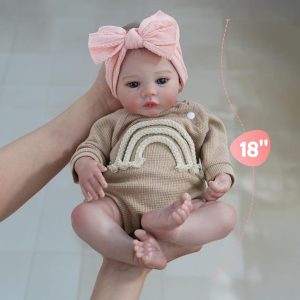
- 10-inch to 14-inch options: Perfect for seniors with severe arthritis or reduced upper body strength who still want the comfort of holding a baby.
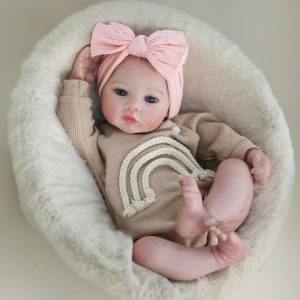
- 18-inch to 22-inch options: Provide the realistic, heavier weight of a newborn, which is excellent for triggering deep sensory engagement and grounding behaviors.
Certifications to Look For
I always stress that nursing home activity programs must strictly source dolls with verified safety markers. Ensure your memory care facility supplies carry CE, CPC, and ASTM certifications. These guarantee that the construction is durable, the paints are non-toxic, and the materials are safe for vulnerable adults who might handle them constantly.
Representation and Customization
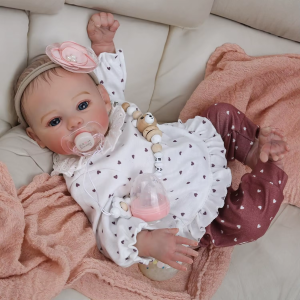
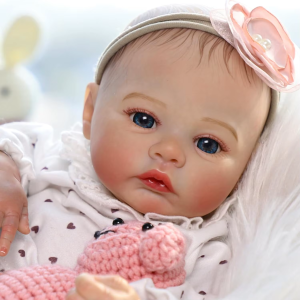
A strong psychological connection relies on familiarity. It is incredibly important to provide reborn therapy dolls for dementia that reflect the diverse demographics of your actual residents. Look for suppliers offering custom skin tones, 3D hand-painted details, and options for both open and sleeping eyes. Seeing a familiar, lifelike face grounds the resident. Just as we see how realistic baby dolls aid development through mirroring human traits, that same visual realism builds immediate trust, reduces agitation, and brings immense emotional comfort to seniors.

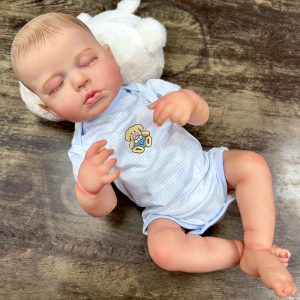
A 4-Step Plan for Introducing Therapy Dolls to Seniors
When figuring out how to start a doll therapy program in nursing homes, the rollout strategy is everything. You cannot simply hand a therapy tool to a memory care resident and walk away. Successful dementia patient engagement requires a thoughtful, phased rollout. Here is the 4-step framework I recommend for integrating these tools into your facility.
Step 1: The Indirect Approach
- Set the stage naturally: Place the doll in a common area, such as seated on a sofa in the day room or resting in a bassinet.
- Let the resident initiate: Allow the senior to discover the doll on their own terms. Handing it to them directly can sometimes feel overwhelming or confusing. Let their natural curiosity and nurturing instincts take the lead.
Step 2: Observation
- Monitor the initial reaction: Step back and watch how the resident interacts. Do they immediately cradle the doll, or are they completely disinterested?
- Never force interaction: If a resident ignores or rejects the doll, leave it be. Doll therapy should always be a choice. The goal is comfort, not forced compliance.
Step 3: Staff Integration
- Train your frontline team: Your nurses and aides need clear guidelines on how to leverage the dolls during daily care.
- Distraction during routines: These dolls are incredible tools for dementia behavior management. Having a resident hold and soothe their “baby” can peacefully distract them during historically stressful routines, such as administering daily medication or bathing. For instance, handing a resident a sleeping silicone reborn doll during an evening shift can effectively signal that it is time to rest, dramatically lowering sundowning agitation.
Step 4: Managing Attachment
- Establish safe removal protocols: Residents often develop deep emotional bonds. Staff must know how to safely separate the resident from the doll when it needs to be washed, or if it suddenly causes distress (e.g., the resident begins crying because they believe the baby is sick).
- Maintain the illusion: Always treat the doll like a real infant during removal so you do not break the resident’s reality or cause panic. I always advise facility directors to have their staff review a reborn doll mistakes new owners guide to ensure aides understand how to properly handle, remove, and clean these lifelike items without causing friction on the floor.
Budgeting and Procurement Strategy for Facilities
When setting up a doll therapy program nursing home initiative, getting the budget and supply chain right is just as important as the clinical side. As a supplier, I always advise facility directors to map out their purchasing strategy carefully to avoid wasted resources.
Planning the Rollout
Deciding exactly how to implement dementia therapy across your organization comes down to scale and budget.
- The Pilot Program: Start small. Roll out the dolls in a single memory care wing first. This allows your team to monitor staff bandwidth, refine hygiene protocols, and gauge patient response.
- Multi-Facility Launch: Once the pilot proves successful, you can scale the program across all your locations using a standardized purchasing framework.
Testing with Standard Samples
Before committing to a massive bulk order of therapy dolls for elderly care, test the waters. Activity directors should always request standard samples first. Observing firsthand how residents react to different doll weights, materials, and features ensures you invest in the most effective memory care solutions before signing off on a large purchase order.
Navigating B2B Wholesale
When you are ready to scale, choosing the right manufacturing partner is critical for sourcing reliable memory care facility supplies. If your residents need diverse representation or specific weighted features, working directly with custom silicone reborn doll manufacturers ensures your facility gets exactly what it needs without dealing with middlemen.
Here is exactly what you should demand from a B2B wholesale reborn dolls partner to keep your program financially viable:
| Procurement Requirement | What to Look For |
|---|---|
| Minimum Order Quantity (MOQ) | Look for accessible MOQs, ideally starting at 100 pieces, to keep your initial rollout costs manageable. |
| B2B Payment Terms | Expect standard, fair terms: typically a 30% deposit upfront to start manufacturing, with the 70% balance due before shipment. |
| Production Speed | Demand fast OEM/ODM production cycles so you can restock or scale the program efficiently as demand grows. |
Related Sources

Owen is the second-generation founder of Sueban Group, a reborn doll manufacturer based in Guangdong, China. With over 20 years of family manufacturing heritage, Owen leads the company's B2B operations serving wholesalers, brands, and institutional buyers across 20+ countries.
Meet Owen →
 English
  Deutsch
  Français
  Español
  Italiano
  Nederlands