
Reborn Dolls for Dementia Care: Benefits, Doll Therapy and Buying Guide
Reborn dolls for dementia care are an option for care homes and senior care facilities looking for meaningful activities to support residents living with dementia. Through doll therapy, some individuals may experience comfort, emotional engagement, and opportunities to reconnect with familiar caregiving routines.
But are realistic reborn dolls suitable for dementia patients? Are silicone or vinyl baby dolls better for care homes? And what should healthcare buyers consider before purchasing reborn dolls in bulk?
This guide explores the potential benefits and limitations of dementia doll therapy, compares different types of reborn baby dolls, and explains how to choose suitable products for care facilities. It also covers customization, product materials, cleaning requirements, and wholesale sourcing for professional buyers.
1. Can Reborn Dolls Help People With Dementia?
Reborn dolls for dementia patients are sometimes used as part of doll therapy, an activity that allows residents to hold, interact with, and care for a baby doll.
Some care providers report that doll therapy can help certain residents feel more relaxed, become more engaged, and take part in familiar caregiving activities. However, responses vary from person to person.
Commonly reported benefits include:
Emotional comfort: Some residents appear calmer when holding or caring for a baby doll.
Social interaction: A realistic baby doll may create opportunities for conversation between residents and caregivers.
Meaningful activity: Caring for a doll can provide a familiar daily routine, such as holding, dressing, or gently rocking a baby.
Engagement: Residents who show limited interest in other activities may respond positively to a doll.
Nurturing behavior: Some individuals may reconnect with memories of parenting or caring for children.
It is important to understand that doll therapy is not a medical treatment for dementia. Current research is limited, and there is not enough strong evidence to establish that reborn dolls are more effective than ordinary baby dolls.
For care homes and healthcare professionals, the best approach is to introduce doll therapy as an optional, individualized activity and observe each resident’s response.
2. How Doll Therapy Supports Seniors With Dementia
Doll therapy for seniors is based on the idea that familiar caregiving activities may provide comfort and a sense of purpose for some people living with dementia.
A baby doll can create an opportunity for residents to participate in activities that feel familiar, especially for individuals who previously spent much of their lives caring for children.
For example, a resident may enjoy:
Holding a baby doll during a quiet afternoon.
Choosing clothes and dressing the doll.
Sitting with the doll during group activities.
Gently rocking or singing to the doll.
Talking with caregivers about the baby.
These activities can be included in a broader dementia care program.
However, care staff should avoid assuming that every older adult will enjoy doll therapy. Some residents may not show interest, while others may become confused or distressed if they believe the doll is a real baby.
The purpose of dementia doll therapy should be to support the individual’s comfort and dignity, not to force participation or create unrealistic expectations.
3. Are Reborn Dolls Suitable for Alzheimer’s Patients?
Reborn dolls for Alzheimer’s patients may be worth considering when a resident responds positively to baby dolls and familiar nurturing activities.
However, Alzheimer’s disease affects people differently. A resident’s personal history, preferences, cognitive abilities, and emotional responses should all be considered.
Some residents may enjoy realistic baby dolls because their appearance reminds them of familiar family experiences. Others may prefer simpler soft dolls that are easier to hold and recognize as toys.
Care providers should consider the following factors:
Personal history
Residents who previously enjoyed caring for children may be interested in a baby doll. However, past parenting experience does not guarantee a positive response.
Emotional condition
Consider whether the resident appears comfortable, relaxed, and engaged when introduced to a doll.
Individual preferences
Some people prefer realistic facial features, while others feel more comfortable with simple designs.
Possible distress
A highly realistic doll may cause confusion or emotional discomfort for certain residents. Staff should observe reactions and stop the activity if the resident becomes upset.
Families and care professionals may also provide useful information about a resident’s personal history and preferences.
Ultimately, the most suitable doll for Alzheimer’s patients is not necessarily the most realistic or expensive one. It is the doll that supports the individual’s comfort and well-being.
4. Choosing the Best Reborn Dolls for Care Homes
Choosing reborn dolls for care homes involves more than selecting a realistic baby face. Buyers should consider how the dolls will be used, who will handle them, and how frequently they will need cleaning.
There are several common types of baby dolls available for dementia care.
Soft Fabric Baby Dolls
Soft fabric dolls are lightweight and generally easy to hold. Their flexible bodies may be comfortable for residents with limited strength or mobility.
They can be a practical choice for facilities looking for affordable dolls for everyday activities.
However, their appearance may be less realistic than that of reborn baby dolls.
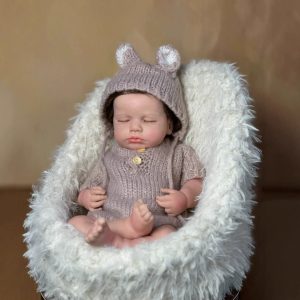
Vinyl Reborn Baby Dolls
Vinyl reborn dolls usually feature a vinyl head and limbs with a soft fabric body.
They can offer a balance between realistic appearance, comfortable handling, and cost.
Vinyl dolls may be suitable for care facilities that want realistic baby dolls without the higher cost of some full-body silicone models.
Full-Body Silicone Reborn Dolls
Full-body silicone reborn dolls are made from silicone throughout the body.
They offer a more continuous material structure and a realistic feel. Depending on the model, they may also be suitable for water-related activities.
However, buyers should carefully check the doll’s weight, surface finish, cleaning instructions, and maintenance requirements before choosing this type for a care setting.
Which Type Should Care Facilities Choose?
The right choice depends on the residents and the facility’s budget.
Soft fabric dolls may suit residents who need lightweight products.
Vinyl reborn dolls may suit facilities seeking a balance between appearance and cost.
Full-body silicone dolls may suit buyers who prioritize material consistency and a more realistic feel.
For many care homes, starting with a small selection of different doll types is a practical way to understand residents’ preferences before placing a larger order.
5. What Features Should Dementia Care Dolls Have?
When purchasing dementia care dolls, product specifications should reflect the needs of residents and the daily requirements of care staff.
A realistic appearance is useful for some residents, but comfort, safety, durability, and ease of maintenance are equally important.
Size and Weight
The size and weight of a reborn baby doll affect how easily residents can hold and carry it.
A lightweight doll may be more suitable for individuals with limited arm strength. Some residents may prefer a heavier doll because it feels more like holding an infant.
Care facilities should consider the physical abilities of their residents before selecting a weight range.
Body Materials
Common materials include vinyl, platinum silicone, and soft fabric.
Each has different characteristics:
Vinyl: Often used for doll heads and limbs, with a relatively firm surface.
Platinum silicone: Offers a soft, flexible feel and is used in full-body silicone dolls.
Fabric: Commonly used for soft doll bodies and can provide a comfortable holding experience.
Buyers should request detailed material information from the manufacturer and confirm the recommended care instructions.
Facial Features
Facial expressions can influence how residents respond to a doll.
Some may prefer closed eyes and a peaceful sleeping expression, while others may prefer open eyes.
A calm, gentle expression can be a useful starting point, but actual preferences should guide the final choice.
Hair and Skin Tone
Reborn dolls are available with rooted hair, painted hair, or bald designs.
Different skin tones and appearances can also help facilities provide more choices for residents.
For care homes serving diverse communities, offering dolls with different appearances may be worth considering.
Clothing and Accessories
Simple clothing that can be removed for cleaning is often more practical than complicated outfits.
Accessories such as feeding bottles, pacifiers, blankets, and small toys may be included depending on the model.
Care providers should check that accessories are suitable for the intended users and do not create additional safety risks.
6. Custom Reborn Dolls for Dementia Care Facilities
Custom reborn dolls can help care facilities select products that better match their residents’ needs.
Instead of choosing only from standard models, buyers may be able to customize selected product features through an experienced reborn doll manufacturer.
Available options depend on the manufacturer’s production capabilities.
Custom Size and Weight
Facilities can discuss different doll sizes and weight options.
For example, a smaller and lighter doll may be more manageable for residents with reduced strength, while a larger doll may be preferred for certain activities.
Custom Materials
Buyers may choose from different product constructions, including:
Vinyl head and limbs with a fabric body.
Silicone head and limbs with a fabric body.
Full-body silicone construction.
The choice should reflect the facility’s handling, cleaning, and budget requirements.
Custom Skin Tone and Facial Features
Custom skin tones, facial details, and eye styles can help buyers select dolls that suit different resident preferences.
Options may include open eyes, closed eyes, rooted hair, and painted hair.
Custom Clothing and Packaging
Clothing, accessories, and packaging can also be customized for larger projects.
For care facilities and distributors, customized packaging may help organize products and support a consistent purchasing program.
Custom Reborn Dolls From Photos
Some buyers may want a custom reborn doll based on a reference photograph.
This requires additional consideration in dementia care settings. A doll that closely resembles a real child or family member may create confusion or emotional distress for some residents.
Permission should also be obtained before using a real person’s photograph for product development.
For most care facilities, a general baby design is a more practical starting point.
7. How to Choose a Reborn Doll Manufacturer for Care Homes
Finding a reliable reborn doll manufacturer is an important part of purchasing for care facilities.
The supplier should be able to explain its materials, production capabilities, product specifications, and quality-control procedures.
Before selecting a reborn doll supplier, professional buyers should review several areas.
Manufacturing Experience
Ask how long the manufacturer has been producing reborn dolls and which materials it works with.
A supplier with experience in vinyl and silicone products may provide more options for different budgets and applications.
Product Quality and Consistency
Request actual product photos and videos rather than relying only on promotional images.
For repeat purchases, ask how the manufacturer maintains consistency in appearance, materials, painting, and accessories across production batches.
Customization Capabilities
If your facility or distribution business needs specific designs, confirm whether the manufacturer can support customization.
Discuss available options for size, materials, skin tones, hair, clothing, accessories, and packaging.
Quality and Compliance Documents
Ask for relevant product specifications and available testing or compliance documents.
Requirements vary depending on the destination market and intended use. Buyers should verify which regulations apply to their products rather than assuming that one certificate covers every market or care environment.
Production and Delivery
Confirm the minimum order quantity, sample arrangements, production lead time, packaging, and shipping terms before placing an order.
A reliable supplier should communicate clearly about what is included in the quotation and which costs, such as freight, customs duties, and taxes, are separate.
8. Wholesale Reborn Dolls for Care Homes and Healthcare Buyers
Wholesale reborn dolls may be suitable for care home groups, healthcare product distributors, specialist retailers, and organizations purchasing multiple dolls for activity programs.
Bulk purchasing can help buyers manage product selection and maintain consistent specifications across several facilities.
However, the right purchasing quantity depends on the number of residents, the intended use, and the available budget.

What to Consider Before Buying in Bulk
Before requesting a wholesale quotation, prepare the following information:
Preferred doll materials: vinyl, silicone, or fabric body.
Required sizes and approximate weights.
Preferred facial features and skin tones.
Estimated quantities.
Packaging and accessory requirements.
Delivery destination.
Any customization or documentation requirements.
Providing these details helps a reborn doll supplier recommend suitable models and prepare a more accurate quotation.
Existing Models or Custom Production?
Existing reborn doll models are generally a practical option when buyers want to select products more quickly.
Custom reborn dolls are more suitable when a buyer needs specific facial features, body construction, clothing, or branded packaging.
For facilities testing doll therapy for the first time, existing models may be a sensible starting point before investing in custom development.
Why Request a Sample First?
A sample allows buyers to check the doll’s actual size, weight, material, appearance, and construction.
It also gives care staff an opportunity to evaluate whether the product is comfortable to hold and suitable for the intended activities.
A small initial purchase can provide useful feedback before a larger wholesale order.
9. Safety, Cleaning and Infection Control for Dementia Care Dolls
Cleaning and product safety are important considerations when selecting reborn dolls for care homes.
Dolls may be held close to the body, shared during activities, or carried between different areas of a facility.
For this reason, care providers should establish clear procedures before introducing them.
Cleaning Instructions
Different materials and surface finishes may require different cleaning methods.
Before purchasing, ask the manufacturer:
Which cleaning products are suitable?
Can the doll be wiped with approved disinfectants?
Can the doll be washed or immersed in water?
Are there restrictions on cleaning painted surfaces?
How should fabric bodies and clothing be maintained?
Do not assume that every silicone or vinyl doll can tolerate repeated use of strong disinfectants.
Always follow the manufacturer’s instructions and the facility’s infection-control policies.
Regular Product Inspection
Care staff should inspect dolls regularly for:
Loose or damaged components.
Cracks, tears, or surface damage.
Loose eyes or attached accessories.
Damaged seams or exposed filling.
Changes in the surface finish.
Damaged products should be removed from use until they have been assessed.
Resident Dignity and Consent
Doll therapy should always respect individual preferences.
Residents should not be forced to hold or care for a doll. Staff should also avoid insisting that the doll is a real baby.
If a resident becomes distressed or uncomfortable, the activity should be stopped or adjusted.
Facilities should follow their own care policies and consult relevant professionals when deciding whether doll therapy is appropriate.
10. Are Reborn Dolls Worth the Investment for Care Facilities?
Reborn dolls can be worth considering when residents respond positively to realistic baby dolls and when the facility can support the required cleaning and maintenance.
However, higher product prices do not automatically lead to better care outcomes.
A simple soft doll may be sufficient for some residents, while others may prefer a more realistic vinyl or silicone baby doll.
Care facilities should compare products based on:
Resident response and comfort.
Size and weight.
Material and construction.
Cleaning and maintenance requirements.
Product durability.
Initial purchasing cost.
Availability of replacement products.
A practical strategy is to start with a small selection, observe resident responses, and collect feedback from care staff.
The facility can then decide whether additional models or customized reborn dolls are worth purchasing.
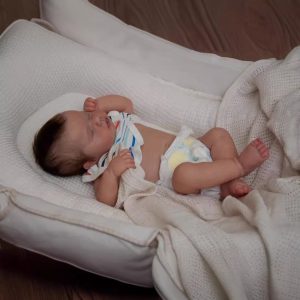
Looking for a Reborn Doll Manufacturer or Wholesale Supplier?
Choosing the right reborn dolls for dementia care requires a balance of realistic appearance, comfortable handling, suitable materials, and practical maintenance.
For care home groups, healthcare product distributors, retailers, and institutional buyers, working with an experienced manufacturer can make product selection and customization easier.
At Sueban Group, we specialize in realistic reborn dolls made from platinum silicone and vinyl. We support B2B buyers with product selection, customization, and OEM manufacturing solutions.
Our product options include:
Full-body platinum silicone reborn dolls.
Vinyl reborn dolls with soft fabric bodies.
Different sizes, skin tones, and facial features.
Custom clothing, accessories, and packaging.
OEM and private-label manufacturing solutions.
Depending on the selected model and project requirements, we can discuss product specifications, available documentation, sample arrangements, and bulk purchasing options.
Whether you are sourcing reborn dolls for a care facility, developing a specialist retail range, or looking for a reliable wholesale reborn doll supplier, our team can help you explore suitable options.
Contact Sueban Group to discuss your reborn doll sourcing or customization project.
Frequently Asked Questions About Reborn Dolls for Dementia Care
1. Are reborn dolls good for dementia patients?
Some people with dementia may enjoy holding and caring for reborn dolls. Others may show little interest or become uncomfortable. Their suitability should be assessed individually.
2. What is the best doll for dementia patients?
There is no single best doll for everyone. Soft fabric dolls, vinyl reborn dolls, and full-body silicone dolls may all be considered depending on the resident’s preferences, physical abilities, and care requirements.
3. Do reborn dolls help Alzheimer’s patients?
Some Alzheimer’s patients may respond positively to doll therapy, but evidence is limited. Reborn dolls should be considered an optional activity rather than a medical treatment.
4. What is the difference between reborn dolls and dementia care dolls?
Reborn dolls are designed to look like realistic babies. Dementia care dolls are a broader category that may include simple soft dolls and realistic baby dolls selected for use in care settings.
5. Can care homes use full-body silicone reborn dolls?
Care homes can consider full-body silicone reborn dolls, provided their materials, construction, cleaning requirements, and safety characteristics are suitable for the intended environment. Buyers should confirm these details with the manufacturer.
6. Can reborn dolls be customized for care facilities?
Yes, depending on the manufacturer’s capabilities. Customization may include size, weight, materials, skin tone, facial features, hair, clothing, and packaging.
7. Where can care facilities buy wholesale reborn dolls?
Care facilities can contact specialist reborn doll manufacturers and wholesale suppliers directly. Before purchasing, compare product quality, material specifications, MOQ, pricing, sample availability, and shipping arrangements.
8. What should buyers ask a reborn doll manufacturer?
Buyers should ask about materials, product sizes, weights, customization options, quality control, available compliance documents, production lead time, MOQ, and shipping terms.
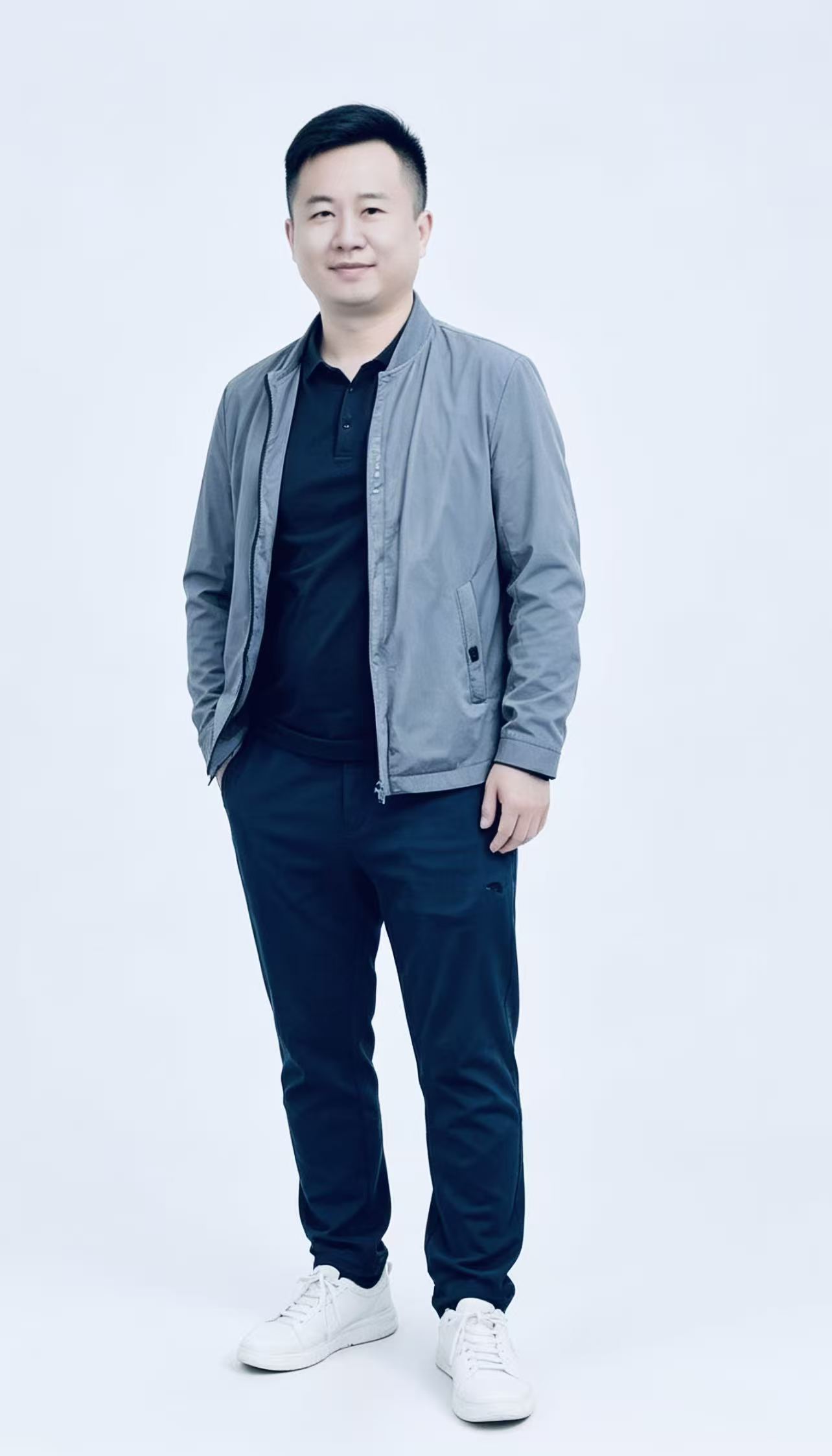
Owen is the second-generation founder of Sueban Group, a reborn doll manufacturer based in Guangdong, China. With over 20 years of family manufacturing heritage, Owen leads the company's B2B operations serving wholesalers, brands, and institutional buyers across 20+ countries.
Meet Owen →
 English
 Deutsch
 Français
 Español
 Italiano
 Nederlands