
Reborn dolls are made by transforming a blank vinyl or silicone doll kit into a lifelike newborn through many thin layers of heat-set paint, individually rooted hair, and careful weighting. The short version: an artist strips the factory finish, builds skin tone in 20 to 30 translucent passes, roots mohair one strand at a time, then weights and assembles the body so it feels like holding a real baby. A single collector-grade piece takes 40 to 80 hours of hands-on work.
This guide walks through the full wedergeboren pop making process, the materials involved, and where quality is won or lost. It’s written for people who source, sell, or produce these dolls at scale, so we’ll be specific about time, cost, and technique rather than vague about “craftsmanship.”
Key Takeaways
- Reborn dolls are transformed from blank vinyl or silicone kits into lifelike infants through 20–30 layers of heat-set paint, hand-rooted hair, and precision weighting.
- A single artist-grade reborn takes 40–80 hours of labor, which explains price bands of roughly $150–$400 for standard vinyl and $800–$3,500+ for full-body silicone.
- Genesis Heat Set Paints dominate the craft because they cure permanently and resist fading, unlike air-dry acrylics.
- Rooting a full head of mohair one strand at a time can consume 20–30 hours on its own.
- Quality separates hobbyist output from collector-grade work: layering discipline, color realism, and anatomical weighting.
What Is a Reborn Doll?
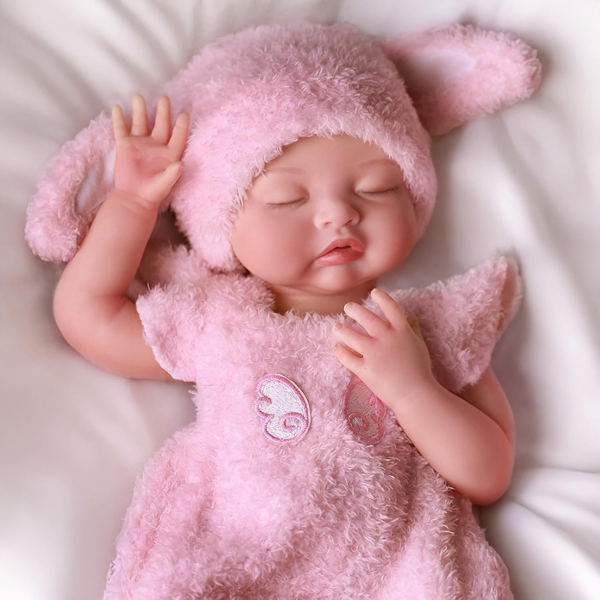
A reborn doll starts as a manufactured doll kit that has been artistically altered to resemble a real newborn or infant. The base kit—usually vinyl, sometimes silicone—arrives blank and uniform in color. The artist then paints, roots, weights, and finishes it until it convincingly reads as a living baby in photos and in hand.
The craft began in the early 1990s among hobbyists and has since grown into a global collector market. Reborn baby dolls now sell through dedicated marketplaces, auctions, and OEM/ODM partnerships that supply retail brands worldwide.
Reborn vs. Standard Dolls: What Actually Changes
Functie | Factory Doll | Reborn Baby Doll |
Skin paint | Single-tone spray, glossy | 20–30 translucent layers, matte, mottled |
Weight | Light, hollow | Weighted to newborn heft (4–7 lb typical) |
Hair | Molded or wig | Hand-rooted mohair or human hair |
Realisme | Toy-like | Veins, capillaries, nail beds, natural flush |
Who Buys Reborn Dolls and Why It Matters
Reborn dolls appeal to a broader market than collectors alone, although collectors remain the largest segment. They are used in therapeutic settings for dementia care and grief support, and by photographers as newborn stand-ins on set. For anyone producing or wholesaling these dolls, this mix matters: therapeutic and photography buyers prioritize durability and realistic weight, while collectors may pay premiums for artist detail and limited sculpts.
The Reborn Doll Making Process at a Glance
Here is how reborn dolls are made, step by step, before we dig into each stage:
- Prepare the blank kit— wash, degrease, and matte the vinyl.
- Paint the skin— build tone in many thin heat-set layers.
- Add veining and blushing— subdermal detail and natural flush.
- Root the hair— insert mohair one strand at a time.
- Weight and assemble— fill limbs and body, attach parts.
- Finish— seal, gloss lips and nails, groom, and detail.
Each stage depends on the one before it. Rushed prep, for example, causes paint to lift no matter how skilled the later work is.
Materials Used to Make Reborn Dolls
The materials used to make reborn dolls determine both realism and cost. Below are the core inputs with typical ranges practitioners see when buying at hobby-to-small-batch scale.
- Blank kit (vinyl):$40–$150 for popular sculpts; limited-edition kits run higher.
- Full-body silicone kit:$300–$1,200+.
- Genesis Heat Set Paints:a working palette of 8–12 colors, roughly $60–$120.
- Mohair (Angora goat):$30–$90 per 10-gram batch depending on grade.
- Rooting needles, thinning medium, pouncing sponges:$40–$80 combined.
- Glass beads and poly-pellets for weighting:$15–$30 per doll.
Vinyl vs. Silicone Reborn Baby Dolls
Vinyl is the workhorse of the craft. It takes paint predictably, tolerates repeated heat curing, and is durable enough for shipping and handling. Most reborn dolls on the market are vinyl for these reasons.
Silicone reborn dolls, by contrast, offer superior tactile realism—the skin squishes and pulls like real flesh, and full-body silicone can be bathed and posed more freely. That realism comes at a cost: silicone reborn baby dolls are harder to paint, more expensive to produce, and priced accordingly, often $800 to $3,500 and up.
The Essential Toolkit
A functional studio setup includes Genesis Heat Set Paints, a thinning medium, natural sea sponges for pouncing, single-tine rooting needles, mohair or ethically sourced human hair, glass or poly-pellet weights, and a dedicated toaster oven for curing. That oven should never be reused for food—cured paint fumes make cross-use unsafe.
Sourcing Sculpts and Kits
Serious makers source artist-sculpted kits, many of which ship with authenticity certificates and numbered editions. For brands scaling into wholesale, sculpt licensing and consistent kit supply matter more than any single tool. Verify that a supplier can guarantee repeatable kit quality and lead times before committing to a production line—inconsistent vinyl batches are a common and costly surprise.
Step 1: Preparing the Blank Kit
Every kit arrives coated in mold-release agent, a slick residue left over from the manufacturing pour. If you paint over it, the paint will eventually peel. Artists wash each part in warm water with a mild degreasing soap, rinse thoroughly, and let it dry completely.
Next comes matting. Because paint won’t grip glossy vinyl well, the surface is lightly matted—either with a matte medium or fine abrasion—so the first flesh layer bonds. Skipping this stage is the single most common reason a finished doll’s paint chips at the seams.
Step 2: How to Paint Reborn Doll Skin
Painting reborn doll skin is the heart of the craft. The realism comes not from any single color but from layering many translucent passes so light scatters through them the way it does in real skin. Rushing thick coats produces a flat, plastic look that immediately reads as fake.
Building Realistic Skin Tones in Layers
Artists build 20 to 30 thin layers, curing each in the oven before the next. Early layers establish a flesh base; middle layers add mottling—the subtle blotchy blue, purple, and red undertones newborns actually have. Each pass is applied with a pouncing sponge and thinned heavily so no single stroke dominates.
The discipline here is patience. A layer that looks like “nothing changed” is exactly right; visible change per layer usually means the paint is too thick.
Veining, Blushing, and Capillary Detail
Subdermal veins are painted in fine blue-green lines on the temples, eyelids, hands, and feet, then buried under a translucent layer so they sit “under” the skin rather than on top. Natural flushing is built into the cheeks, nose, knees, elbows, and knuckles—the spots where real infant circulation shows. Nail beds get a soft pink with a faint moon at the base.
Heat-Setting and Curing
Genesis paints cure with heat, typically at 265–285°F (about 130–140°C) in short cycles of a few minutes per layer. Consistency is critical: too hot or too long, and vinyl can discolor or warp; too cool, and paint stays tacky and never fully bonds. Experienced artists log their oven’s real temperature with a separate thermometer rather than trusting the dial.
Step 3: Reborn Doll Rooting Hair Techniques
Reborn doll rooting hair techniques separate a good doll from a great one. Hair is inserted strand by strand into the vinyl scalp with a fine barbed needle, following the natural growth pattern of a real infant’s head.
Choosing Mohair vs. Human Hair
Mohair from Angora goats is the standard: it’s fine, holds a soft newborn curl, and is easier to work with. Human hair (often baby-fine buy-cut) can look ultra-realistic but is more expensive, harder to root evenly, and prone to going frizzy. Most collector-grade reborn baby dolls use premium mohair.
Micro-Rooting One Strand at a Time
Using a single-tine needle, the artist inserts a few hairs per puncture, angling each to match the crown swirl and hairline direction. A realistic hairline is slightly irregular—perfectly even rooting looks like a wig. A full head done this way can take 20 to 30 hours, which is why densely rooted dolls command higher prices.
Sealing the Roots
To stop shedding, the inside of the head is sealed. Common methods include applying a flexible sealant or hair glue to the interior scalp, locking each rooted strand in place from behind. Poorly sealed roots pull out during grooming and washing—a defect that surfaces after the sale and damages reputation.
Step 4: Weighting and Assembly
A convincing reborn feels like a real baby, which means weight and floppiness matter as much as looks. Artists fill the torso, head, and limbs with a mix of glass beads and poly-pellet stuffing, distributing weight so the doll flops and settles the way a sleeping newborn does when cradled.
Total weight is usually tuned to 4–7 pounds depending on the sculpt’s size. Limbs and head are attached to the cloth body with cable ties, zip mechanisms, or the kit’s own flange system, tightened enough to hold but loose enough to allow natural head lolling.
Step 5: Finishing Touches for Lifelike Realism
Finishing is where custom reborn dolls reach collector grade. A final matte sealer unifies the skin’s sheen so it reads as skin, not vinyl. Lips, nostrils, and nail beds get a controlled high-gloss to look moist and alive. Some artists add magnetic pacifiers, hand-drawn eyebrows in fine layered strokes, and a light final blush to tie everything together.
Grooming the rooted hair—damping, styling, and setting a soft curl—is the last step before photography and packaging. Small details here, like a faint milk spot or subtle skin texture, are what make a buyer do a double take.
How to Choose (or Commission) a Quality Reborn Doll
Whether you’re buying stock to resell or commissioning custom reborn poppen, judge quality on four things:
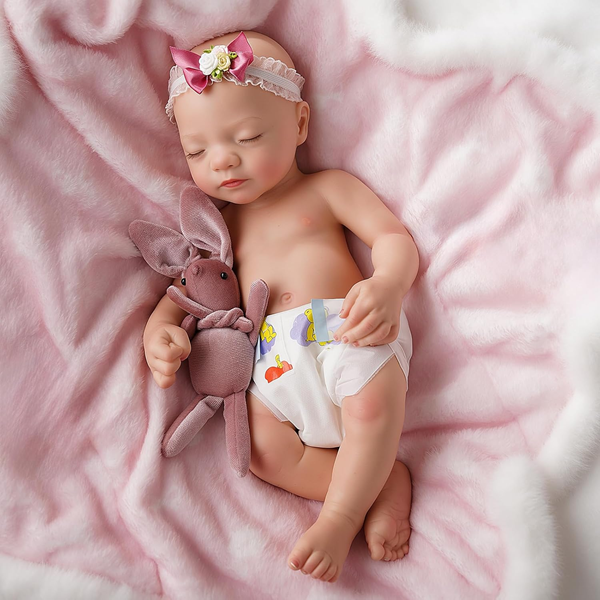
- Layering depth:skin should have visible mottling and undertones, not one flat color.
- Weighting:the doll should flop and feel balanced, not lopsided or hollow.
- Rooting density and direction:a natural crown and irregular hairline, no bald patches.
- Finish:matte skin, glossy lips and nails, clean seams with no paint lift.
When commissioning, give clear specs: sculpt name, skin tone, hair color and density, eye color, weight target, and finish preferences. Vague briefs lead to disputes; detailed ones protect both parties.
Common Mistakes to Avoid
- Skipping matte prep→ paint peels at seams within months.
- Over-thick paint layers→ flat, plastic look with no depth.
- Uneven curing→ discoloration, warping, or tacky patches.
- Sparse rooting→ visible scalp and an unnatural hairline.
- Unbalanced weighting→ the doll won’t cradle or pose convincingly.
Each flaw is visible to an experienced buyer and hard to fix after the fact, which is why disciplined process beats speed every time.
Industry Data and Market Context
Industry estimates place the global reborn doll market at roughly $100–150 million annually as of 2025, with steady single-digit growth driven by the collector and therapeutic segments. Typical figures in this segment put standard vinyl reborns at $150–$400 retail, artist-signature pieces at $500–$1,500, and full-body silicone reborn baby dolls at $800–$3,500 and beyond.
Labor is the dominant cost. With 40–80 hours per artist-grade doll, even modest hourly rates push production cost well above materials—one reason wholesale buyers work with specialized OEM/ODM partners rather than attempting in-house craft production.
Expert Perspective
“The difference between a hobby reborn and a professional one isn’t talent—it’s restraint. Beginners want to see progress every layer, so they paint too heavy. Pros trust the process, cure between every thin pass, and let the depth build slowly. That patience is the whole craft.” — a veteran reborn artist and studio trainer
Veelgestelde vragen
How long does it take to make a reborn doll?
Artist-grade work takes 40 to 80 hours in total. Rooting alone can be 20 to 30 hours for a full head, and skin painting adds many more because of the layering and curing between passes.
How much do reborn dolls cost to make?
Materials for a vinyl doll typically run $150–$300 (kit, paints, mohair, weights), but labor is the real cost. At 40–80 hours per piece, total production cost commonly lands between $300 and $700 for standard vinyl, which supports retail prices of $150–$400 at the low end and much higher for signature and silicone work.
Can you make a reborn doll at home?
Yes. Starter kits bundle a blank sculpt, basic Genesis paints, and mohair. Expect a real learning curve—your first doll will teach you layering and curing more than anything else—and budget for a dedicated toaster oven that’s never used for food.
What paint is used on reborn dolls?
Genesis Heat Set Paints are the industry standard. Unlike air-dry acrylics, they only cure with heat, cure permanently, and resist fading and cracking over time, which is essential for a collectible meant to last.
Are silicone or vinyl reborns better?
Neither is universally better. Vinyl is durable, easier to paint, and more affordable, making it ideal for most buyers and resellers. Silicone offers unmatched tactile realism and posing but costs far more and is harder to produce. Choose based on the end use and budget.
Conclusion and Next Steps
Making a reborn doll is a layered, patient craft: prep, 20–30 paint passes, hours of one-strand rooting, precise weighting, and careful finishing. Every quality signal buyers care about—skin depth, natural hair, cradle-worthy weight—comes directly from disciplined execution of these steps. Cut a corner, and it shows.
If you’re a brand, wholesaler, or distributor looking to bring collector-grade reborn baby dolls to your market, we specialize in Reborn Doll OEM/ODM—from sculpt sourcing and custom skin tones to hand-rooting and consistent batch production. Contact us to request samples, discuss a custom spec, or explore wholesale sourcing tailored to your line.
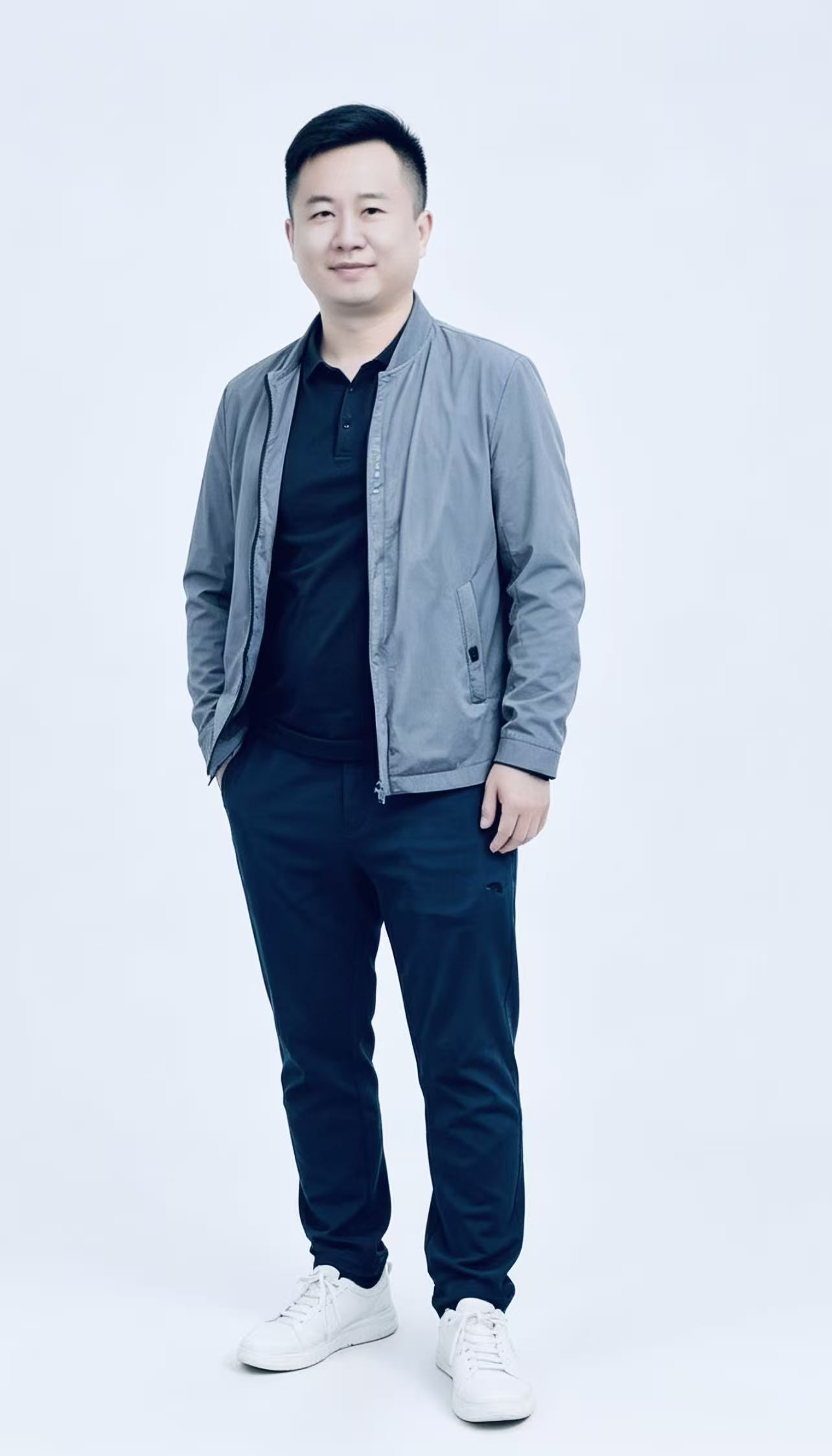
Owen is de tweede generatie oprichter van Sueban Group, een fabrikant van reborn dolls gevestigd in Guangdong, China. Met meer dan 20 jaar familie-erfgoed in de productie, leidt Owen de B2B-activiteiten van het bedrijf en bedient hij groothandels, merken en institutionele kopers in meer dan 20 landen.
Ontmoet Owen
 English
  Deutsch
  Français
  Español
  Italiano
  Nederlands