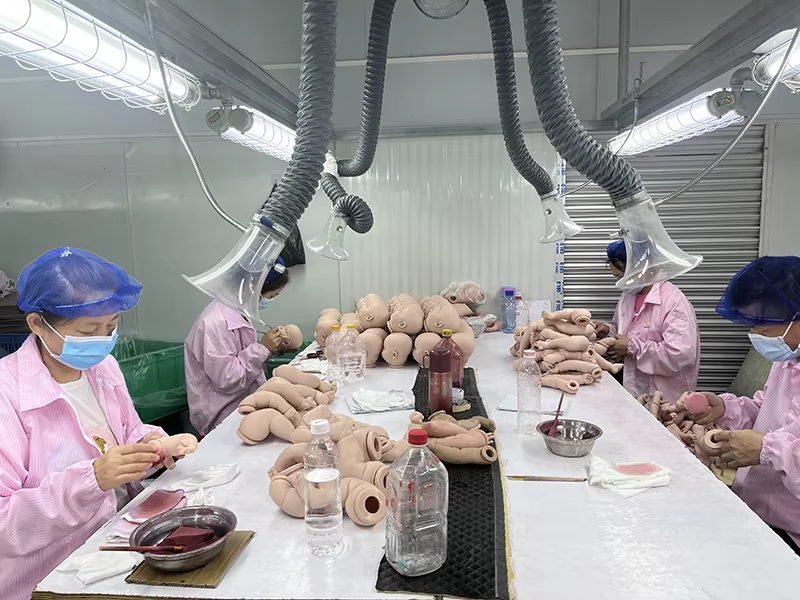
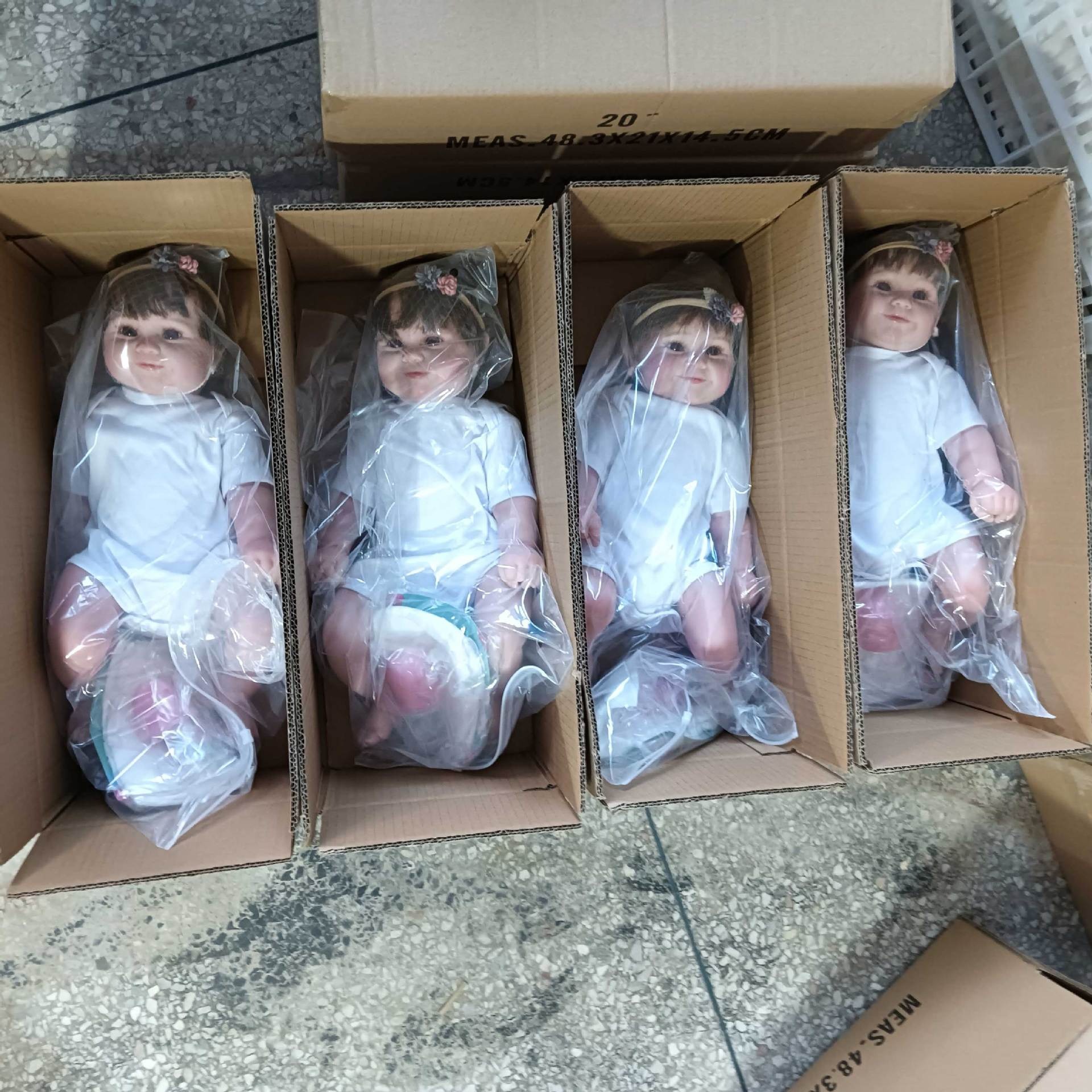
If you’re trying to scale reborn doll manufacturing, it’s tempting to chase faster output to meet demand. But here’s the reality: in a product defined by realism, safety, and emotional value, consistent quality will outperform fast production every time.
Rushed timelines create small defects that buyers notice immediately—uneven skin tones, paint rubbing, loose joints, inconsistent weighting, or shortcuts in materials. And once trust is gone, it’s hard to win back—especially in OEM relationships where reborn doll quality control and doll factory quality determine whether your brand grows or gets buried by refunds and negative reviews.
In this guide, you’ll see why quality-first processes protect your reputation, reduce costly rework, and deliver the lifelike results collectors actually pay for. Let’s get into it.
Understanding Reborn Doll Manufacturing: Quality vs. Speed
Ever wonder why one reborn looks unbelievably real for years, while another shows cracks, shiny vinyl, or fading paint after a few months? In reborn doll manufacturing, the difference usually comes down to one thing: consistent quality matters more than fast production.
Reborn Doll Production Basics (Materials + Steps)
Here’s what goes into reborn doll production quality when it’s done right:
- Vinyl parts (head/limbs): chosen for softness, finish, and long-term stability
- Paint layers: heat-set or air-dry systems, built up in many thin coats for depth
- Rooted hair or wigs: mohair or high-grade fibers, sealed properly to prevent shedding
- Fabrics + body: cloth torso, stuffing, and weighted beads for realistic weight distribution
- Assembly: limb tension, joint alignment, head/neck stability, and final detailing
When I’m evaluating a doll factory, I don’t just look at how fast they can output units—I look at whether their doll manufacturing standards support repeatable results.
Slow vs. Fast Doll Production (Where Quality Gets Lost)
Fast production often means:
- Fewer paint layers (less realism, more blotching)
- Shorter curing time (higher risk of tacky finish or early fading)
- Rushed assembly (loose limbs, uneven weighting, weak neck support)
- Less inspection (defects slip through)
Quality-focused production usually includes:
- Hand-crafting + step-by-step checks
- Multi-point reborn doll quality control (paint, seams, weighting, scent, hair, safety)
- Batch tracking so issues don’t repeat across shipments
A simple real-world comparison I use: an automated line might push volume faster, but if defect rates jump even slightly (say, from 2% to 8%), you don’t just lose time—you lose trust, reviews, and reorders.
OEM Reborn Dolls: Material Consistency Problems
One of the biggest challenges with OEM reborn dolls is reborn doll material consistency. If vinyl, paint, or fabric suppliers change from batch to batch, you’ll see issues like:
- Fading or discoloration (especially with unstable pigments)
- Peeling or cracking paint (poor adhesion or rushed sealing)
- Structural weaknesses (thin vinyl, weak joints, uneven stuffing)
- Inconsistent skin tone matching across limbs and head
This is exactly why strict OEM doll quality assurance and clear doll factory quality standards matter—without them, “same model” doesn’t mean “same quality.”
What “Success” Looks Like in Quality-First Manufacturing
In the US market, speed doesn’t build a brand—consistency does. The metrics I care about most are:
- Customer retention rate (repeat buyers + referrals)
- Defect/return rate (the real cost of rushed toy production)
- Product lifespan (how the doll holds up after months/years)
- Review consistency (not just one viral moment—steady satisfaction)
That’s why at Sueban Group, we treat reborn doll manufacturing like a craft business with factory discipline: consistent inputs, controlled processes, and reborn doll quality control that protects long-term value.
The Key Benefits of Consistent Quality in Reborn Doll Manufacturing
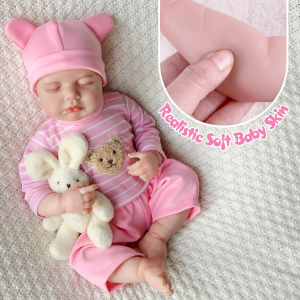
When I prioritize consistent quality in reborn doll manufacturing, the payoff shows up in the two things U.S. buyers care about most: realism and how well the doll holds up over time. A well-made reborn isn’t just “pretty out of the box”—it stays beautiful after months (or years) of gentle handling, display, and outfit changes.
Durability + realism buyers can feel
High-end reborn doll production quality comes from getting the basics right every time—materials, paint layers, and assembly.
- Better weight distribution: a balanced, baby-like feel (not “head-heavy” or awkward)
- Lifelike details: soft mottling, blushing, subtle veining, and natural creases that don’t look flat
- Stronger build: tighter seams, better limb fit, and more reliable stuffing/structure
- More consistent materials: fewer surprises like uneven vinyl texture or parts that don’t match
If you’re new to the category, our quick breakdown on what reborn dolls are and how they’re made explains why craftsmanship matters so much for realism.
Reborn doll quality control reduces defects (and returns)
Speed can hide problems until the customer opens the box. Reborn doll quality control catches issues early—before a doll ships.
Here’s what our doll manufacturing standards focus on at Sueban Group:
| What we check | What it prevents | Why it matters to U.S. customers |
|---|---|---|
| Paint cure + finish consistency | tacky feel, uneven color, early fading | dolls look “new” longer |
| Assembly fit + limb movement | loose joints, squeaks, tearing | safer handling for collectors + parents |
| Weight + balance test | unnatural “toy” feel | realism that feels premium |
| Visual inspection under good lighting | blotches, gloss spots, patchy rooting | fewer “not as pictured” complaints |
| Safety/material screening | odor, irritants, questionable coatings | trust + peace of mind |
This is the core difference between rushed output and OEM doll quality assurance done right: fewer defects, fewer remakes, and a more predictable customer experience.
Customer wins: satisfaction, repeat orders, and better reviews
Consistency builds confidence. When buyers know they’ll get the same quality every time, they’re more likely to:
- leave positive reviews (detail accuracy, paint stability, realism)
- buy a second doll for a gift or collection upgrade
- recommend us to other collectors and “reborn communities” online
Real-world pattern we see: a doll made with shortcuts may look fine at first, but after normal handling it can show shine spots, rub marks, loose stuffing, or paint wear. A doll built with stronger reborn doll durability factors keeps its finish and structure far longer, which protects the buyer’s investment.
Less waste + more ethical manufacturing
Quality isn’t just a product issue—it’s a responsibility issue.
- Environmental sustainability: fewer flawed units means less wasted vinyl, fabrics, packaging, and shipping emissions
- Ethical manufacturing in doll factories: consistent quality is easier to maintain when teams aren’t pushed into unrealistic rush schedules—better training, steadier output, and fewer mistakes
That’s why I treat reborn doll manufacturing as a long game: consistent craftsmanship protects the customer, the brand, and the long-term value of every doll we ship.
The Risks and Drawbacks of Prioritizing Fast Production in Reborn Doll Manufacturing
When speed becomes the main goal in reborn doll manufacturing, quality usually slips in predictable ways: more paint flaws, mismatched parts, loose joints, uneven weighting, and rushed curing time. I also see corners cut on materials—cheaper vinyl blends, weaker stitching, and low-grade adhesives—because they’re faster to work with. That’s where real risk shows up: poor ventilation during painting, questionable pigments, and inconsistent sealing can create potential health hazards (especially for families in the U.S. who expect toys to meet stricter safety expectations). In short: faster output often means weaker reborn doll production quality and shakier doll manufacturing standards.
The financial downside is just as real. In the broader toy and collectible space, “fast and cheap” manufacturing is where returns, chargebacks, and recall-style pullbacks typically start—often tied to OEM reborn dolls with inconsistent batches (paint rubbing off, tacky finishes, or parts that don’t match the sample). Even when a company avoids an official recall, the impact feels the same: lost inventory, extra rework, shipping replacements, and damaged partnerships. Once buyers label a supplier as unreliable, rebuilding that reputation costs far more than slowing down and investing in OEM doll quality assurance from day one.
Speed-first production also breaks buyer trust fast. Many shoppers actively search phrases like “reborn doll quality control” because they’ve already been burned by dolls that look great in photos but arrive with shiny blotches, uneven skin tones, or a “factory smell.” That’s exactly why I focus on consistent processes at Sueban Group—clear specs, controlled materials, and repeatable checks—because reborn doll quality control isn’t a marketing line; it’s how we prevent the same disappointment that drives negative reviews.
Quick ways to spot a low-quality reborn doll (before you buy)
- Paint tells the truth: watch for speckling, harsh lines, glossy patches, or rubbing in “high-touch” areas (hands, cheeks).
- Ask about materials: vague answers on vinyl type, paint sealing, or fabrics usually signal weak reborn doll material consistency.
- Check realism + balance: a quality doll should feel stable, not “lumpy” or oddly top-heavy (key reborn doll durability factors).
- Look for strong QC proof: close-up photos, batch consistency, and clear defect policies matter more than filtered lifestyle shots.
- Smell and stickiness are red flags: strong chemical odor or tacky skin can point to rushed curing or poor sealing—classic risks of rushed toy production.
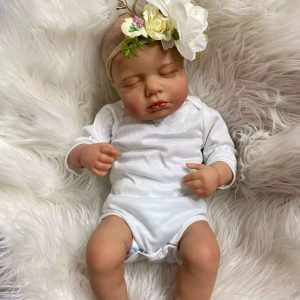
Why Consistent Quality Matters More Than Fast Production in Reborn Doll Manufacturing
Quality-first strategies that actually work (even on small runs)
If you’re trying to improve reborn doll manufacturing without cutting corners, I’ve found these steps move the needle fast—without rushing production:
- Standardize materials: lock in the same vinyl grade, fabric type, and stuffing specs to improve reborn doll material consistency and reduce “batch-to-batch” surprises.
- Use simple, advanced QA tools:
- color-matching lights for paint consistency
- weight checks for realistic feel and reborn doll durability factors
- seam/limb pull checks to avoid loose joints
- Train artisans with repeatable steps (not “style-only” training): paint layering order, drying time rules, and assembly checklists to protect reborn doll production quality.
- Build in QC gates: do a check after painting, after rooting, and after final assembly—this is the backbone of real quality control for reborn dolls.
Our Sueban Group approach: OEM scale, strict doll factory quality
At Sueban Group, we blend OEM reborn dolls capability with tight doll manufacturing standards. That means we don’t treat OEM like “fast and done”—we treat it like “repeatable and controlled.” For example, with our soft cloth body vinyl reborn doll options for wholesale and custom factory orders, we keep the same core spec across runs so customers get consistent realism and fewer defects over time.
Quick customer story (what consistent quality looks like in real life)
One U.S. boutique buyer told us they switched to our production after dealing with returns from rushed imports—paint rub-off, uneven weighting, and stitching failures. After moving to Sueban Group, their return rate dropped and repeat orders increased because customers said the dolls “still look new” after months of handling. That’s the real long-term value in reborn dolls: fewer problems, better reviews, and stronger trust.
Why this answers what buyers are really searching for
When shoppers search reborn doll quality control or compare slow vs. fast doll production, they’re usually trying to avoid disappointment—bad paint, weak seams, unsafe materials, or a doll that doesn’t match the photos. These best practices directly solve that “why”: consistent quality protects realism, safety, and durability—so the doll holds up in real American homes, not just on launch day.
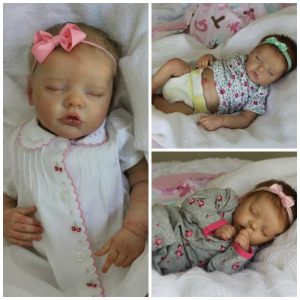
The Future of Reborn Doll Manufacturing: Why Consistent Quality Matters More Than Fast Production
The next wave of reborn doll manufacturing is going to reward makers who treat reborn doll quality control like a system—not a last-minute check. In the U.S. market, buyers are more informed than ever, and they’re pushing for safer materials, longer-lasting finishes, and fewer “looks great in photos, falls apart in months” disappointments. Here are the trends I’m watching that will keep shifting the industry toward consistent quality over fast production.
Sustainable materials will become a real differentiator
Speed-first factories often cut corners with fillers, low-grade vinyl, and unstable dyes. That’s getting harder to hide as customers compare wear over time. Expect more demand for:
- More stable vinyl and silicone blends that resist cracking, stickiness, and discoloration
- Low-odor, safer paints and sealants (especially important for families and gift buyers)
- Better textiles—premium cotton outfits and tested fabrics that don’t bleed color onto vinyl
This is one reason we pay close attention to material choices in both dolls and accessories, including OEM doll clothing like our premium cotton reborn doll clothing set (OEM manufacturer)—because material consistency is part of durability, not just “nice to have.”
AI-assisted checks will boost quality without turning dolls into mass-produced clones
AI doesn’t replace artistry—it supports doll manufacturing standards by catching what rushed teams miss. The factories that win will use tech for:
- Surface inspection (paint texture, mottling balance, gloss control)
- Assembly verification (limb alignment, joint tension, weighting consistency)
- Batch consistency tracking for OEM reborn dolls across large orders
That means fewer defects, fewer returns, and stronger OEM doll quality assurance—without sacrificing the handmade realism collectors want.
Where Sueban Group is going: quality-first, built for real buyers
My focus at Sueban Group is simple: keep pushing forward on reborn doll production quality while making it easier for U.S. customers to buy with confidence. We’re investing in tighter process controls, more repeatable finishing standards, and smarter inspection—so every doll feels like it came from the same high bar, not a different factory mood that day. And as silicone demand grows, we’re staying ahead of that shift too—see our view on the rise of silicone reborn dolls and what it means for long-term realism and upkeep.
Call to action: choose long-term value, not short-term speed
If you’re sourcing, collecting, or gifting, prioritize reborn doll durability factors and quality control for reborn dolls over fast turnaround promises. Explore Sueban Group’s current lineup, or subscribe for practical guidance on slow vs. fast doll production, material choices, and what to look for before you place your next order.

Owen is the second-generation founder of Sueban Group, a reborn doll manufacturer based in Guangdong, China. With over 20 years of family manufacturing heritage, Owen leads the company's B2B operations serving wholesalers, brands, and institutional buyers across 20+ countries.
Meet Owen →
 English
  Deutsch
  Français
  Español
  Italiano
  Nederlands