
Can a lifelike reborn doll truly ease anxiety, soothe dementia symptoms, or help heal deep emotional grief?
For thousands of people navigating loss, memory loss, or loneliness, the answer is a resounding yes.
Therapeutic reborn dolls are far more than hyper-realistic collectibles—they are designed to provide comfort, companionship, and emotional support in therapeutic settings.
In this guide, you’ll discover how therapeutic reborn dolls are used, the potential emotional and therapeutic benefits they may offer, and how to choose the right reborn baby doll for your specific needs.
Let’s dive right in.
Understanding Therapeutic Reborn Dolls: Definition and Anatomy
When memory care staff, clinicians, or grieving families search for effective sensory support tools, they need more than a simple toy. Therapeutic reborn dolls are precision-crafted sensory instruments designed for emotional grounding, memory care, and non-pharmacological comfort.
We design these reborn dolls by combining anatomical accuracy with clinical-grade durability to support consistent use in therapeutic settings.
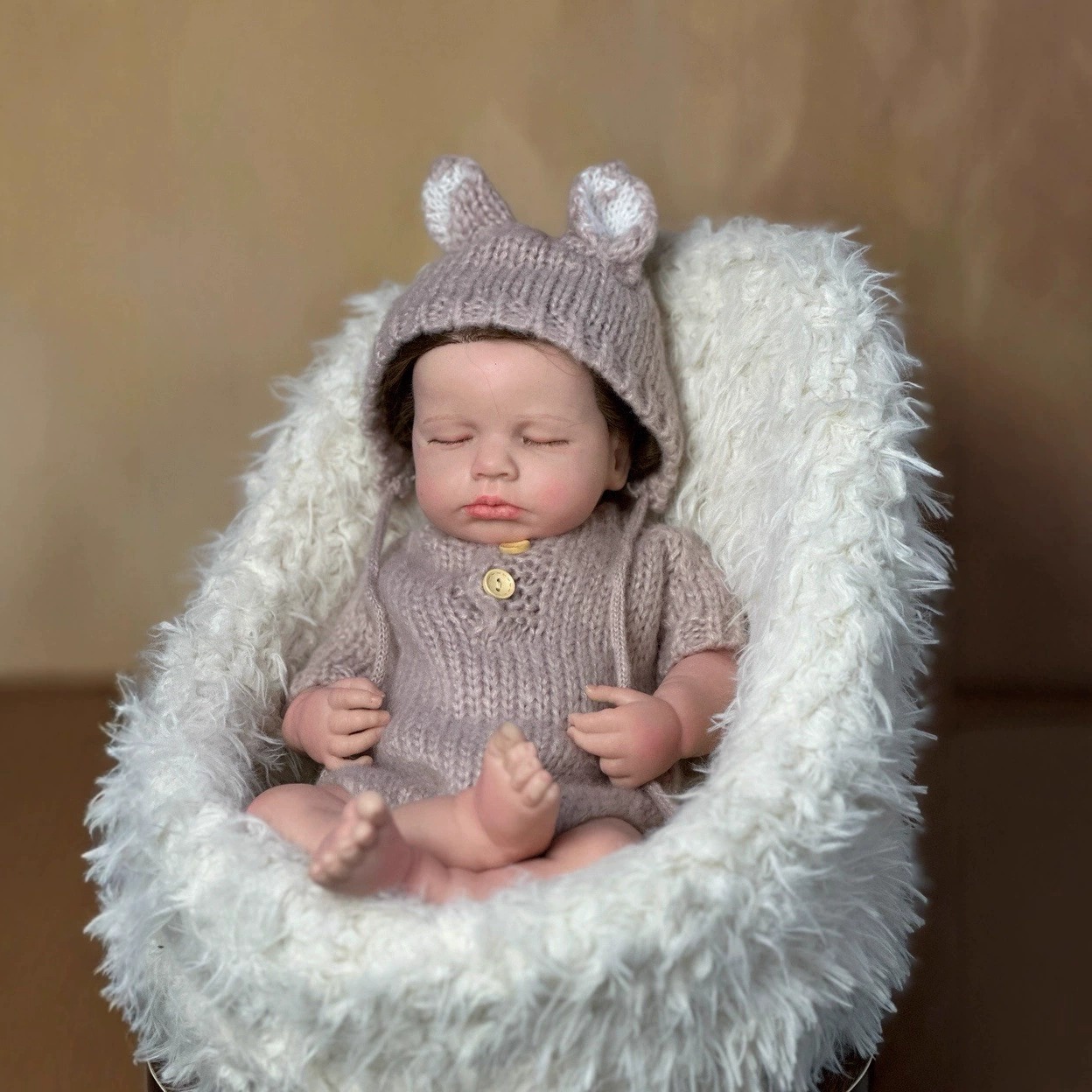
Comparing Doll Grades: Play, Collector, and Clinical-Grade
| Feature | Standard Play Dolls | Collector Reborn Dolls | Clinical Therapeutic Reborns |
|---|---|---|---|
| Primary Purpose | Children’s play & imagination | Artistic display & hobby collecting | Sensory therapy, dementia care, bereavement |
| Weight Distribution | Lightweight, hollow plastic | Artistically weighted for adult display | Ergonomically weighted to mimic infant center of gravity |
| Skin Material | Basic PVC/hard vinyl | Painted vinyl or standard silicone | Medical-grade silicone or non-toxic soft-touch vinyl |
| Sanitization | Surface wipe only | Not designed for regular cleaning | Institutional sanitization-resistant materials |
| Durability | Mass-market grade | Fragile art piece | Reinforced seams and heavy-duty structural integrity |
Micro-Weighted Anatomy and Natural Head Drop
Authentic emotional response starts with physical touch. Our therapeutic reborn dolls feature calibrated micro-weighting that replicates the exact weight distribution of a newborn baby:
- Dynamic Center of Gravity: Filled with non-toxic glass micro-beads and soft fiberfill to distribute weight naturally across the torso and limbs.
- Realistic Infant Head Drop: The neck joints are engineered to require gentle head support, instantly activating instinctive, gentle caregiving behaviors.
- Proprioceptive Grounding: Holding a weighted doll provides continuous deep-pressure tactile input, helping to ease anxiety and lower physical restlessness.
Hyper-Realistic Visual and Tactile Sensory Triggers
Realism is essential for unlocking emotional connection and reminiscence:
- Multi-Layered Skin Undertones: Hand-applied 3D paint layers create lifelike mottling, subtle infant redness, and delicate translucent veins.
- Tactile Material Selection: Built using soft-touch vinyl or high-grade platinum silicone to provide a warm, human-like touch that avoids sensory rejection.
- Sensory Details: Micro-rooted soft hair, delicate eyelashes, and flexible fingers offer diverse textures that encourage positive tactile exploration.
The Science of Doll Therapy: Neurological and Psychological Mechanisms
When caregivers ask us why holding a lifelike baby doll creates such an immediate calming effect, the answer lies in neuroscience. Using therapeutic reborn dolls is an evidence-based sensory intervention that activates hardwired neural and psychological pathways, producing measurable shifts in emotional and physical well-being. Clinical observations confirm that reborn dolls for therapy and professional training provide reliable non-pharmacological support for agitation, grief, and cognitive distress.
Oxytocin and Cortisol Regulation
Cradling a realistic, weighted infant creates an immediate biological response by balancing vital neurochemicals:
- Oxytocin release: The instinctive act of holding, rocking, and looking at an infant face triggers oxytocin—the body’s natural bonding and comfort hormone.
- Cortisol reduction: As oxytocin levels rise, circulating cortisol (stress hormone) drops, easing anxiety, slowing rapid breathing, and relaxing tense muscles.
- Emotional stabilization: This biochemical shift provides a gentle, drug-free way to soothe distressed individuals during moments of peak agitation.
Reminiscence and Attachment Theory
Even when short-term memory fades, deeply ingrained emotional memories and attachment instincts remain accessible.
- Activating nurturing instincts: Nurturing behaviors rely on early-formed procedural memory, allowing individuals to engage naturally without feeling tested or confused.
- Validating emotional identity: Holding a doll restores a sense of role, responsibility, and purpose, directly combating feelings of helplessness.
- Reminiscence activation: The experience frequently unlocks positive, comforting memories of early family life and parenthood, opening pathways for verbal expression and connection.
Sensory Grounding and Proprioceptive Input
Sensory deprivation and confusion often manifest as restless pacing or physical agitation. Lifelike infant simulation provides structured grounding through multiple sensory channels:
- Tactile sensory stimulation: Realistic skin textures, soft-touch materials, and gentle hair provide continuous tactile input that keeps hands peacefully occupied.
- Proprioceptive feedback: The calculated heft replicates deep pressure therapy, sending steady signals to the brain that help orient the nervous system and anchor the user in the present moment.
Primary Therapeutic Applications and Clinical Use Cases
We see firsthand how therapeutic reborn dolls bridge emotional and sensory gaps across clinical care and home environments. When words or traditional interventions fall short, a weighted, lifelike presence provides direct comfort and emotional stabilization. Understanding how these tools integrate safely into elderly care and therapy helps families and clinical staff target specific behavioral and psychological challenges effectively.
Dementia and Alzheimer’s Care
Memory care units routinely face non-cognitive symptoms that distress residents. Introducing a lifelike doll provides an immediate focus for nurturing: Sundowning and Agitation: Holding a weighted baby eases late-afternoon restlessness and lessens combativeness. Pacing and Wandering: Directing attention toward cradling and rocking reduces aimless wandering. Emotional Grounding: Triggers maternal and paternal instincts, giving patients a comforting sense of purpose and routine.
Bereavement and Perinatal Loss
For individuals processing miscarriage, stillbirth, or neonatal loss, the physical ache to hold an infant can complicate grief. In specialized therapeutic contexts, therapeutic reborn dolls serve as compassionate transitional objects: Fills the physical void to help parents process traumatic grief at their own pace. Facilitates open communication during grief counseling and peer support sessions. Validates maternal identity and aids in the gradual transition through stages of bereavement.
Anxiety, PTSD, and Sensory Processing Support
The physical weight of our dolls delivers steady deep pressure input directly to the nervous system: Downregulates the Nervous System: Grounding tactile input helps lower heart rates during acute panic or sensory overload. Trauma Recovery: Offers an uncritical, steady presence for grounding during emotional flashbacks. Sensory Engagement: Gives restless hands a constructive, soothing texture to touch and hold.
Geriatric Isolation and Palliative Care
Long-term care settings often struggle with pervasive resident loneliness and depressive symptoms: Combating Apathy: Encourages active engagement, speech, and movement during daily activities. Palliative Comfort: Brings quiet, non-demanding warmth and tactile companionship to end-of-life care. Social Facilitation: Acts as a natural conversation starter between residents, visiting family members, and clinical staff.
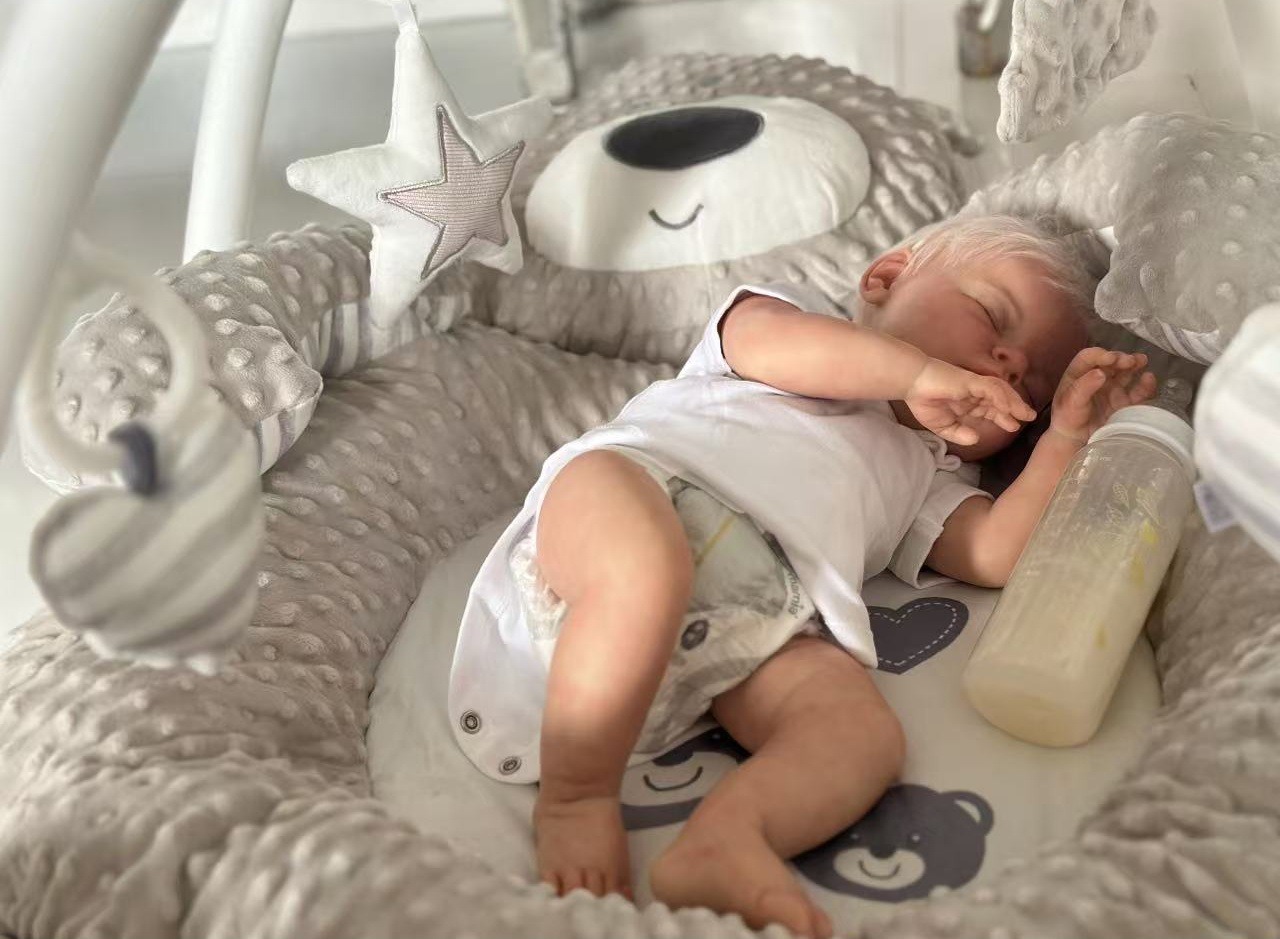
Essential Criteria for Choosing a Therapeutic Reborn Doll
Selecting the right therapeutic reborn dolls requires balancing lifelike sensory input with practical care needs. Whether you are outfitting a memory care facility or supporting a loved one at home, focus on these essential criteria:
Material Selection: Vinyl vs. Platinum Liquid Silicone
Material choice directly impacts both tactile comfort and longevity: Non-Toxic Soft-Touch Vinyl: Lightweight, highly durable, and cost-effective for multi-resident environments. Vinyl holds up well to frequent handling and surface wipe-downs. Platinum Liquid Silicone: Delivers an unmatched, warm, skin-like feel and natural movement. It provides superior sensory feedback for individual bereavement or deep pressure therapy. When deciding on construction, evaluate the best materials for reborn dolls: vinyl vs. silicone to match your specific clinical setting and budget.
Ergonomic Weighting (3.5 to 6 lbs)
Weight distribution is critical for authentic infant simulation and safety: Joint Protection: Dolls should weigh between 3.5 and 6 pounds. This range triggers calming proprioceptive input without straining frail wrists, arms, or lap joints of elderly users. Balanced Core: Weight must be distributed through the torso and limbs with a natural head drop to encourage intuitive, gentle cradling.
Facial Expression: Sleeping vs. Gentle-Awake
A doll’s expression influences emotional safety and prevents overstimulation: Sleeping Sculpts: Provide a peaceful, low-demand presence. They are ideal for reducing sundowning anxiety and agitation in dementia patients. Gentle-Awake Sculpts: Feature soft, neutral gazes that encourage social engagement and eye contact without appearing startled or overly intense.
Durability and Institutional Sanitization Standards
Clinical environments require high hygiene standards. We prioritize dementia therapy reborn dolls with non-toxic and durable builds that withstand routine institutional cleaning: Wipeable Surfaces: Sealed finishes resist moisture and allow for safe, alcohol-free disinfectant wipe-downs. Washable Apparel: Fully removable, machine-washable clothing ensures consistent infection control between uses. Secure Fastenings: Micro-rooted hair and sealed limbs prevent shedding and material degradation under daily handling.
Ethical and Practical Implementation of Therapeutic Reborn Dolls
Implementing therapeutic reborn dolls in memory care facilities, palliative units, or at home requires thoughtful guidelines that prioritize resident dignity, emotional well-being, and clinical safety. When we integrate these sensory tools into care routines, we focus on patient-led engagement, ethical communication, and structured infection control.
Respecting Autonomy and Voluntary Engagement
We never force a resident or patient to interact with a doll. Successful non-pharmacological dementia interventions rely on self-direction and personal comfort:
- Passive Placement: We place the doll in a visible, shared area—such as a resting chair or side table—allowing the person to notice and reach for it independently.
- Consent-Driven Interaction: If a resident shows disinterest or pushes the doll away, we remove it immediately without pressure.
- Shared Ownership: In group environments, we ensure enough memory care engagement tools are available to prevent disputes or resource guarding among residents.
Dignified Communication Strategies
Maintaining dignity is essential when using doll therapy for dementia and cognitive decline. Caregivers and clinical staff should never speak down to patients:
- Validate Emotions, Not Delusions: If a resident treats the doll as a live infant, we validate their nurturing instincts by saying, “You are holding the baby so gently,” rather than correcting them or creating false narratives.
- Avoid Infantilizing Language: We speak to adults as adults. We refer to the doll respectfully and avoid patronizing tones when discussing their interactions.
- Respect Individual Perspectives: If a patient recognizes the doll as a lifelike craft or sensory object, we engage with them on that level without pretending it is real.
Monitoring Behavioral Responses and Attachment
While therapeutic reborn dolls provide significant anxiety relief and grounding, caregivers must monitor usage patterns:
- Calming vs. Over-Attachment: We observe whether the doll reduces agitation or if it triggers distress, such as anxiety over “feeding” or hyper-vigilance during rest periods.
- Separation Management: If taking the doll for cleaning causes panic, we schedule cleaning during meals, activities, or sleep routines to prevent separation distress.
- De-escalation: If an individual becomes overstimulated, we gently redirect their attention to other calming activities.
Clinical Hygiene and Safe Storage Protocols
Maintaining high infection control standards is critical in healthcare and institutional settings. Following structured guidelines for care for reborn dolls, including cleaning and maintenance, ensures safe, hygienic daily use:
- Surface Sanitization: Soft-touch vinyl and medical-grade silicone limbs should be wiped down regularly using hospital-grade, alcohol-free disinfectant wipes that protect material integrity.
- Laundering Doll Apparel: Doll clothing and blankets must be washed weekly—or immediately if soiled—using hypoallergenic, fragrance-free detergents at standard institutional temperatures.
- Designated Storage: When not in use, dolls should be stored in clean, ventilated storage areas off the floor, away from direct heat sources and sunlight to preserve material longevity and maintain sanitary standards.
Precision Craftsmanship and OEM/ODM Sourcing Considerations
When designing therapeutic reborn dolls for clinical environments, production standards directly impact patient well-being and therapeutic success. We manufacture clinical-grade dolls built specifically to withstand rigorous daily handling while delivering the authentic sensory triggers necessary for effective care.
Specialized Clinical Standards vs. Standard Production
Institutional settings require distinct engineering specifications that standard toy manufacturers cannot fulfill. We balance lifelike realism with medical-grade hygiene and safety.
| Feature | Standard Retail Dolls | Clinical Therapeutic Reborn Dolls |
|---|---|---|
| Material Safety | Basic vinyl / synthetic blends | Certified non-toxic, hypoallergenic medical vinyl & platinum silicone |
| Sanitization | Surface wipe only | Alcohol- and disinfectant-safe finishes |
| Weighting System | Loose pellets / uneven fill | Sealed, ergonomic micro-glass bead distribution |
| Durability | Play-grade seams | Reinforced multi-layer stitching for heavy clinical use |
Custom Specifications for Healthcare Facilities and Brands
We work directly with memory care facilities, therapy clinics, and specialized brands to engineer custom runs tailored to specific clinical goals. Through our dedicated custom OEM therapy dolls for dementia care facilities, we deliver purpose-built designs that align with therapeutic workflows.
- Targeted Weight Profiles: Custom balanced between 3.5 and 6 lbs to provide deep pressure therapy without straining frail users.
- Expression Sculpting: Closed-eye (sleeping) and neutral, soft-gaze sculpts designed to minimize cognitive agitation and sensory overload.
- Sensory Details: Multi-layer, skin-safe painting for visible depth and tactile warmth, paired with sealed, micro-rooted or molded hair options.
Regulatory Compliance and Scale
Scaling production for memory care networks and healthcare distributors requires unwavering adherence to international safety guidelines. We ensure all materials strictly comply with global non-toxic requirements, verified through comprehensive reborn doll materials and safety standards. Every batch undergoes rigorous quality control to deliver consistent weight distribution, seamless finishes, and durable structural integrity across large-scale institutional orders.
Frequently Asked Questions (FAQs)
Is doll therapy scientifically backed for dementia care?
Yes. Clinical studies in geriatric psychology and memory care demonstrate that non-pharmacological interventions like doll therapy significantly decrease agitation, wandering, and aggression in dementia and Alzheimer’s residents. Holding lifelike therapeutic reborn dolls stimulates oxytocin production, lowers cortisol levels, and activates nurturing memories that bring emotional security.
What is the ideal weight for a therapeutic reborn doll?
The recommended weight ranges between 3.5 and 6 pounds (1.6 to 2.7 kg).
- Geriatric & Memory Care: 3.5 to 4.5 lbs prevents wrist, joint, and lap fatigue among frail seniors.
- Adult Bereavement & Anxiety: 5 to 6 lbs delivers effective deep pressure stimulation for sensory grounding.
For clinical programs evaluating specific builds, our guide on how to choose therapeutic reborn dolls for emotional support details ergonomic considerations for different patient populations.
How should healthcare facilities sanitize reborn dolls between uses?
Infection control is critical in institutional environments. Follow these standard protocols: Vinyl/Silicone Limbs and Faces: Wipe with alcohol-free hospital-grade disinfectant wipes (quaternary ammonium compounds). Avoid harsh bleach to protect delicate paint layers. Fabric Bodies: Spot-clean with mild antimicrobial foam or use UV-C disinfection cabinets between patient sessions. Apparel: Machine-wash all clothing in hot water with hypoallergenic clinical detergent.
Can male patients benefit from therapeutic reborn dolls?
Yes. Many male memory care residents respond positively to doll therapy. Men with advanced dementia often connect with feelings of fatherhood, protective caregiving, and routine. Using neutral or boy-sculpted dolls helps male residents regain purpose, ease afternoon pacing, and reduce verbal distress.
What is the difference between silicone and vinyl reborns in clinical settings?
| Feature | Soft-Touch Vinyl | Platinum Liquid Silicone |
|---|---|---|
| Tactile Feel | Semi-firm with soft cloth body | Ultra-soft, fully flexible, seamless |
| Durability | High impact resistance for daily handling | Delicate; requires gentle handling |
| Sanitization | Easy wipe-down; highly practical | Specialized cleaning; lint-prone |
| Best Clinical Use | High-traffic memory care & eldercare units | Intensive bereavement & one-on-one therapy |
Facilities seeking durable institutional batches can source certified best reborn dolls for dementia therapy factory-direct to meet specific care protocols and safety standards.
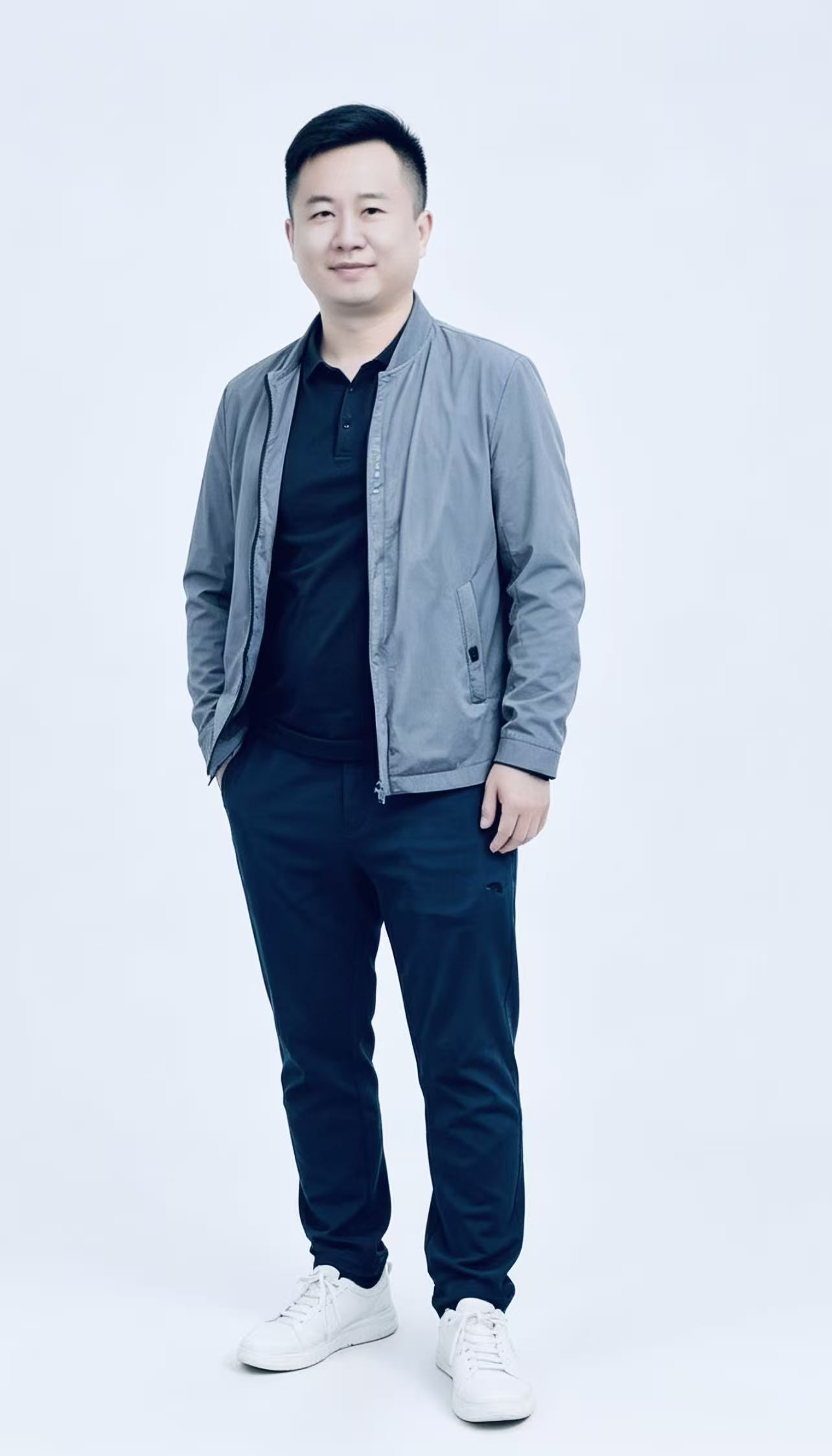
Owen is the second-generation founder of Sueban Group, a reborn doll manufacturer based in Guangdong, China. With over 20 years of family manufacturing heritage, Owen leads the company's B2B operations serving wholesalers, brands, and institutional buyers across 20+ countries.
Meet Owen →
 English
  Deutsch
  Français
  Español
  Italiano
  Nederlands