
Every reborn doll begins as a material decision. Whether you’re an artist sourcing your next kit, a retailer curating inventory, or a collector weighing a purchase, understanding what goes into these hyper-realistic infants shapes cost, realism, longevity, and safety. This guide breaks down each material layer with the practical detail practitioners actually need.
What Are Reborn Dolls Made Of? (Quick Answer)
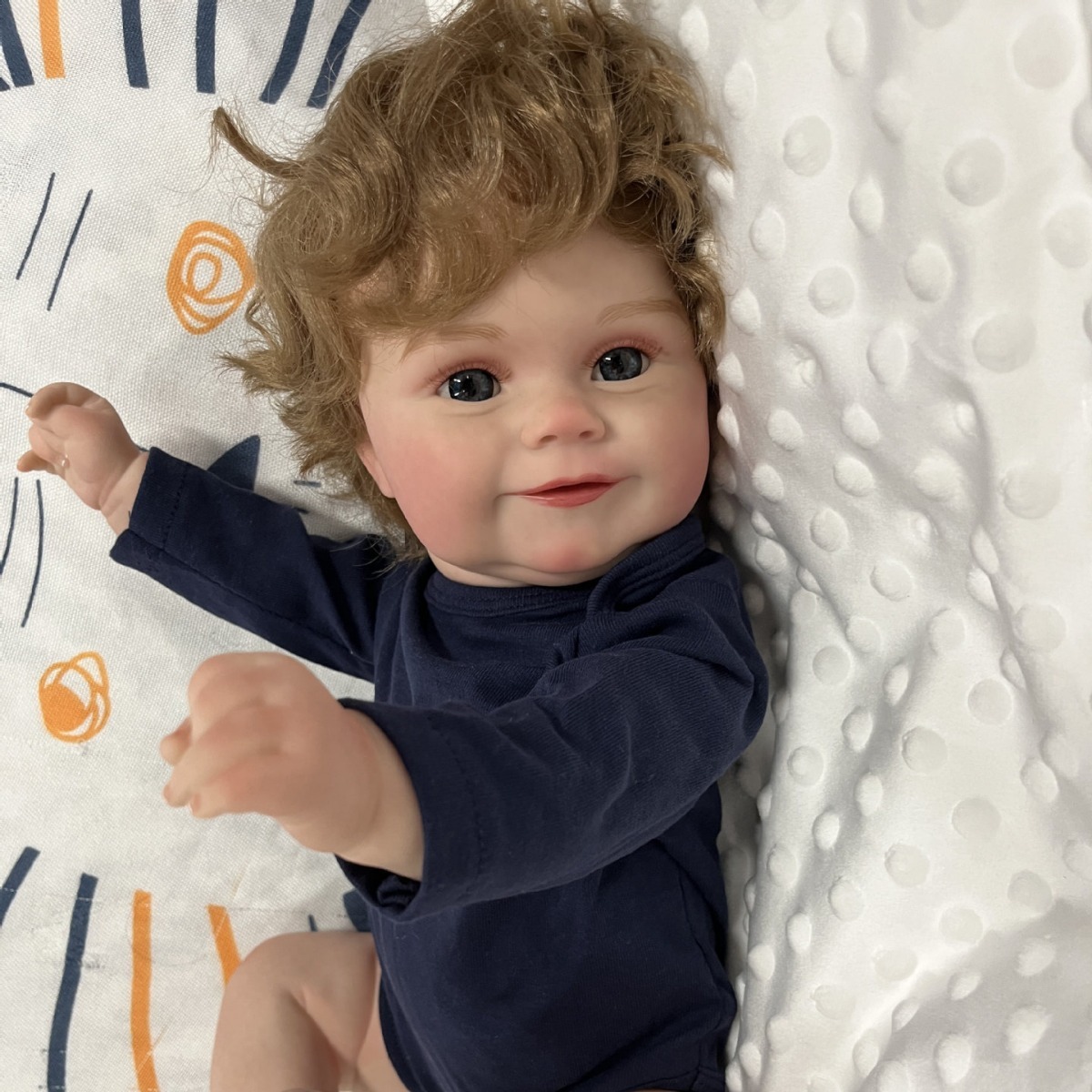
Reborn dolls are hyper-realistic infant dolls built primarily from vinyl of siliconen, then hand-finished with heat-set or air-dry paints, rooted hair, and weighted bodies to mimic a real newborn’s heft and skin tone.
Vinyl remains the dominant material for its affordability, durability, and paint receptivity, while silicone occupies the premium end for its lifelike squish and translucency. Beyond the base sculpt, a finished doll also relies on cloth or full-limb bodies, glass or steel weighting media, and mohair or synthetic hair.
The Anatomy of a Reborn Doll
Understanding a reborn means seeing it as assembled layers, each a decision point for the builder:
- The sculpt— the head and limbs, either vinyl or silicone, forming the doll’s face and anatomy.
- The body/torso— usually a weighted cloth body, or full-limb construction for higher realism.
- Hair— hand-rooted mohair, synthetic fibers, or painted hair on newborn sculpts.
- Eyes— acrylic or glass, in half-round or full-round forms.
- Weighting media— glass beads, poly-fil, or steel shot that give the doll its infant-like heft.
Each layer interacts with the others. A soft vinyl head, for example, pairs differently with weighting than a rigid one, and hair choice depends heavily on the sculpt’s molded detail.
Vinyl Reborn Poppen: The Industry Standard
Vinyl dominates the reborn market for good reason. It holds paint beautifully, resists everyday handling, and costs a fraction of silicone. For beginners learning the craft and professionals producing volume, vinyl reborn dolls remain the practical baseline.
Types of Vinyl Used in Reborn Kits
Not all vinyl is equal. Kits range across soft, medium, and hard grades, measured loosely by durometer — how firm or squeezable the material feels.
Soft vinyl offers a slight give at the cheeks and limbs, closer to infant flesh, but demands a gentler painting hand. Medium vinyl is the workhorse: forgiving during baking and stable during posing. Harder vinyl holds fine sculpted detail but reads less lifelike to the touch.
Many popular kits ship as GHSP-style blanks (German high-quality soft plastic), prized for consistent color and fine surface texture. Artist-blank kits typically run $40 to $150 depending on sculptor reputation, edition size, and limb configuration.
Best Vinyl for Reborn Dolls: What to Look For
When evaluating the best vinyl for reborn dolls, prioritize four criteria that directly affect your finished result:
- Color base— a neutral or pink-toned base is easier to build realistic flesh over than a heavily yellowed or gray blank.
- Surface texture— fine, subtle grain accepts wash layers and mottling without looking plastic.
- Seam quality— clean, minimal seams reduce cleanup time and prevent visible lines under paint.
- Paint receptivity— vinyl that grips thin heat-set layers evenly saves you from patchy coverage.
Test a small area before committing to a full build. Reputable sculptors and established kit suppliers generally deliver dependable blanks; deeply discounted “mystery” kits often disappoint on seam quality and color consistency.
Pros and Cons of Vinyl
Factor | Vinyl Strength | Vinyl Limitation |
Duurzaamheid | Withstands frequent handling; ideal for play or display | Can scuff if dropped on hard surfaces |
Cost | Affordable entry point ($40–$150 kits) | — |
Painting | Excellent receptivity to heat-set and air-dry systems | Requires careful bake control |
Heat resistance | Tolerates repeated oven curing | Over-baking warps or discolors |
Realisme | Convincing under skilled paintwork | Limited translucency and squish vs. silicone |
Silicone Baby Dolls: Premium Realism
Silicone baby dolls represent the high end of the craft. The material’s translucency lets light pass through the “skin,” mimicking the subtle glow of an infant’s flesh in a way vinyl struggles to match. That realism comes with a significant cost jump and more demanding care.
Platinum vs. Tin-Cure Silicone
Silicone cures through one of two chemistries, and the difference matters for skin-contact realism.
Platinum-cure silicone is the preferred choice for lifelike pieces: it resists yellowing, stays color-stable for years, and cures cleanly without odor. Tin-cure silicone is cheaper but yellows over time and has a shorter usable life, making it better suited for molds than finished dolls.
For any artist doll intended to be held, displayed, or resold, platinum-cure is the standard worth paying for. Its longevity protects both the artist’s reputation and the collector’s investment.
Full Body Silicone Reborn Doll Material Explained
De full body silicone reborn doll material question usually comes down to solid versus hollow construction.
Solid full-body silicone dolls are poured completely filled, giving a dense, realistic weight and the most convincing squish across the entire body. Hollow — often called “drink-and-wet” — pieces have internal channels that allow functional feeding and diapering play, at a lighter overall weight.
Expect artist full-body silicone pieces to run roughly $800 to $3,000 or more, with limited-edition sculpts and top artists commanding the upper range. Solid pieces cost more due to material volume; hollow versions trade some realism for interactivity and reduced weight.
Ecoflex, Dragon Skin & Common Silicone Brands
Serious silicone artists work with checkable, professional-grade product lines. Smooth-On’s Ecoflex series — including Ecoflex 00-30 and 00-20 — delivers a soft, skin-like squish thanks to its low Shore hardness. The Dragon Skin line offers slightly firmer options with excellent tear strength for limbs that endure handling.
Shore hardness ratings guide the choice: lower numbers (Shore 00 scale) mean softer, more flesh-like results, while higher ratings add structural durability. Many artists blend hardnesses across a single doll — softer for cheeks and belly, firmer where joints take stress.
Reborn Doll Silicone vs. Vinyl: How to Choose
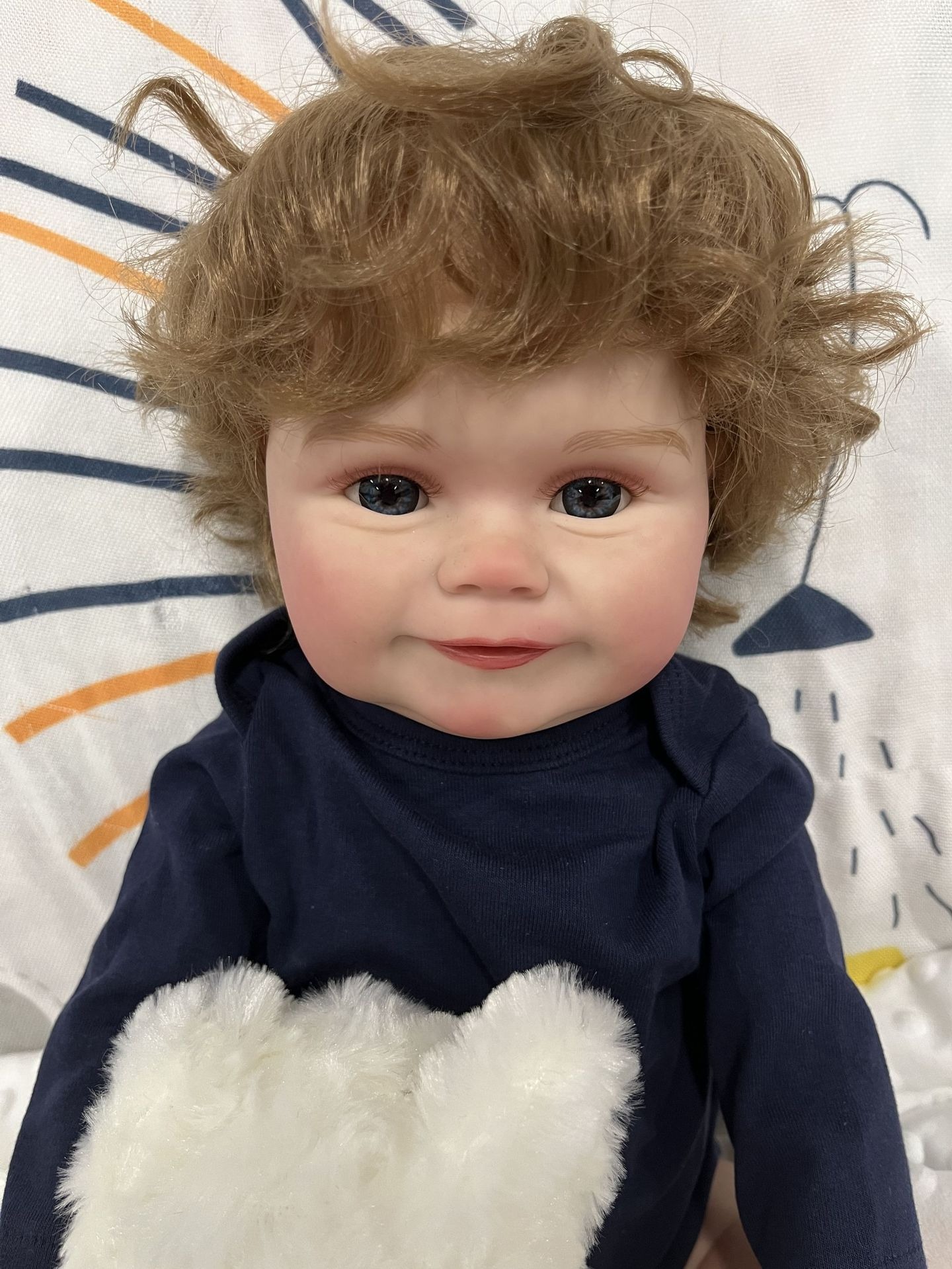
De reborn doll silicone vs vinyl decision is the single most consequential choice a buyer or artist makes. Each material serves a distinct use case, budget, and realism expectation.
Cost, Durability & Realism Compared
Criterion | Vinyl | Silicone |
Typical price (finished artist piece) | $150–$600 | $800–$3,000+ |
Lifespan | Many years with basic care | Long-lasting if platinum-cure; tin-cure yellows |
Realism (touch & translucency) | High under skilled paint | Highest — squish and light transmission |
Onderhoud | Low; wipe clean | Higher; attracts dust, needs gentle care |
Resale value | Steady for known artists | Strong for limited platinum-cure pieces |
Which Material Fits Your Use Case
Match the material to the buyer, not the hype:
- Hobbyist starter— vinyl. Affordable, forgiving, and widely supported by tutorials and supplies.
- Professional artist— both. Vinyl for volume and commissions, silicone for signature high-realism pieces.
- Therapeutic or memorial use— often weighted vinyl for durability, though soft silicone offers unmatched comfort for holding.
- Collector display pieces— platinum-cure silicone or premium vinyl from established sculptors, chosen for realism and resale stability.
Doll Body Types and Filling Materials
Body construction is often overlooked, yet it dictates how a finished doll poses, weighs, and reads in the arms. Doll body types interact directly with the sculpt material.
Cloth vs. Full-Limb Bodies
Most vinyl reborns use a jointed cloth body with vinyl limbs attached at the shoulders and hips. Builders choose between 3/4 limbs — vinyl to the elbow and knee, with cloth upper arms and legs — and full limbs, which extend the vinyl higher for greater realism when the doll is undressed.
Full-limb bodies cost more and add weight but photograph and pose more convincingly. Cloth bodies with 3/4 limbs keep costs down and simplify weighting, making them the practical default for beginners.
Weighting and Stuffing Media
The right heft sells the illusion. A convincing reborn typically weighs between 4 and 8 pounds, echoing a real newborn.
- Glass beads— smooth, dense, and the industry favorite for controlled weighting in the torso and limbs.
- Poly-fil— lightweight stuffing that fills volume without adding much weight.
- Steel shot— very dense; use sparingly and always double-bag to prevent leakage and rust exposure.
Safe weighting means sealing beads or shot inside secured pouches so nothing escapes, especially if the doll may reach a child. Distribute weight to mimic how an infant’s head, bottom, and limbs settle naturally when held.
Reborn Doll Hair: Mohair vs. Synthetic
Hair can make or break newborn realism. The reborn doll mohair vs synthetic hair debate centers on fineness, sheen, and rooting behavior.
Alpaca, Angora & Premium Mohair
Ethically sourced mohair is the gold standard for newborn realism. Its ultra-fine strands mimic the wispy, translucent hair of a real infant far better than coarser alternatives. Baby alpaca and angora offer similar softness, each with subtle differences in curl and sheen.
Premium mohair is sold by weight, typically ranging from $5 to $15 per gram for top-quality, colorfast fiber. A full head of dense rooting can consume several grams, so premium hair meaningfully affects the final build cost.
Synthetic Hair and Micro-Rooting Techniques
Synthetic hair has its place — it resists frizzing, holds color, and costs less, making it useful for practice pieces or specific styling. It generally reads slightly shinier and coarser than mohair under close inspection, however.
Both fiber types are applied with fine rooting needles, one to three strands at a time, in a labor-intensive process that can take 20 to 40 hours for a dense head. For many newborn sculpts, artists skip rooting entirely and use painted hair, layering fine strokes to replicate the fuzzy, barely-there look of a fresh newborn.
Paints, Sealers & Finishing Materials
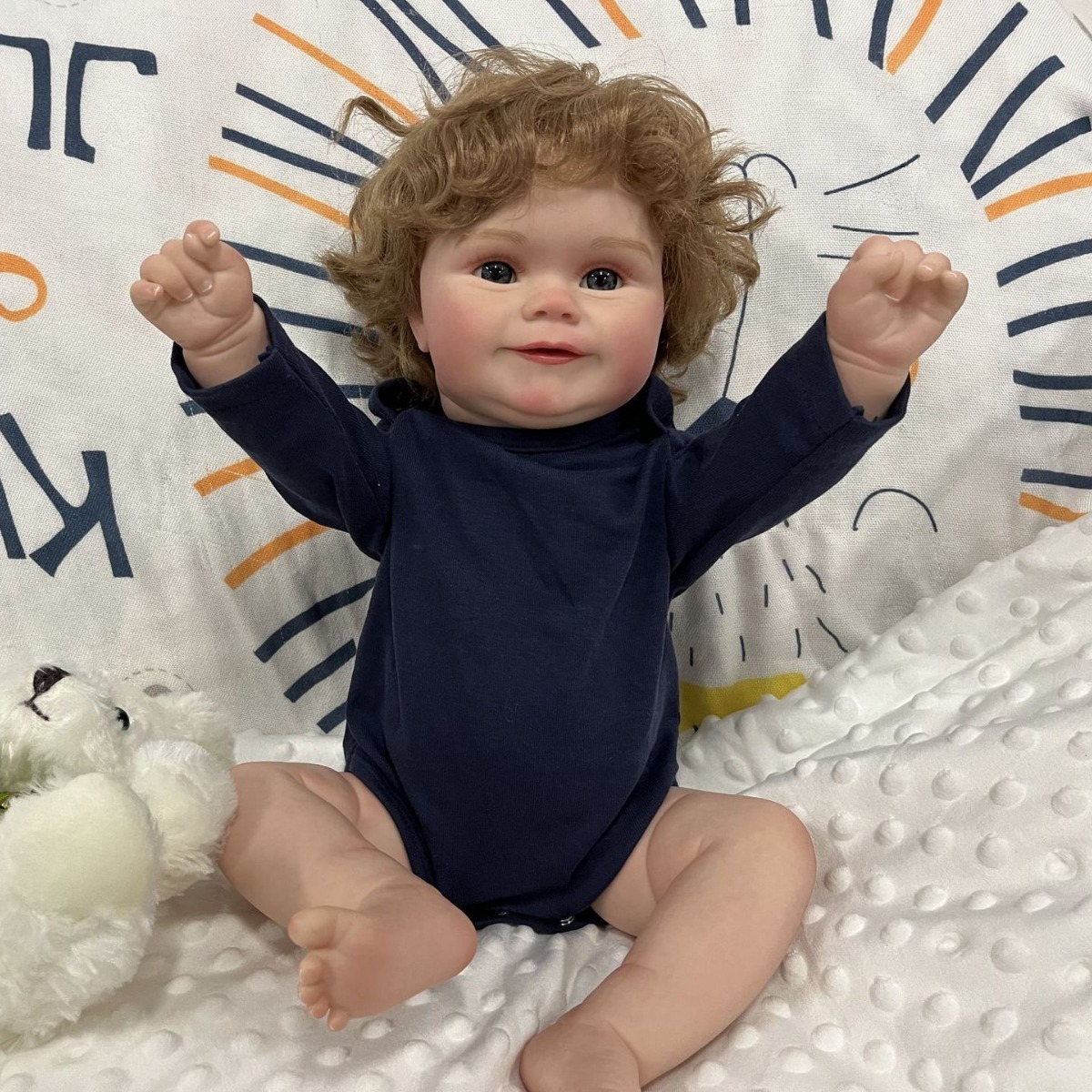
The surface chemistry is where raw material becomes lifelike skin. Paint and sealer choice determines depth, mottling, and the all-important matte finish.
Genesis Heat-Set vs. Air-Dry Paints
Genesis heat-set paints dominate professional vinyl work. Each thin layer is cured in a low oven around 265–275°F (130–135°C), building translucent depth through many passes — capillaries, blushing, and mottling emerge gradually. The heat-set system is stable and won’t smear once cured.
Air-dry paints skip the oven and suit artists without reliable heat control or those painting silicone, which can’t tolerate repeated high-heat curing. They cure at room temperature but demand careful layering and sealing to reach comparable realism.
Matte Varnishes and Sealants
Finish is the final realism lever. A well-chosen matte varnish kills plastic shine and gives skin its soft, non-reflective quality. Some artists add selective satin or gloss to lips, nails, and tear ducts to suggest natural moisture.
Match your sealer to your paint system — heat-set finishing products for Genesis-style paints, compatible sealers for air-dry work — to avoid tackiness or peeling down the line.
Common Material Mistakes to Avoid
Experience teaches these pitfalls the hard way. Watch for them:
- Mismatched paint-to-vinyl systems— pairing incompatible paints and sealers causes tack, cracking, or lifting.
- Over-baking vinyl— excessive heat or time warps limbs and darkens the blank irreversibly.
- Cheap tin-cure silicone that yellows— a false economy that ruins realism within a year or two.
- Unsafe weighting— loose glass beads or unsecured steel shot pose leakage and choking risks.
- Poor hair root density— sparse rooting exposes the scalp and instantly breaks the newborn illusion.
Sourcing, Safety & Compliance Notes
Material safety depends on how the doll is marketed. Pieces sold as children’s toys must meet toy safety standards — ASTM F963 in the United States and EN 71 in the European Union — covering material composition, small parts, and mechanical hazards.
Most artist reborns are sold as collector-only items not intended for young children, which places them outside toy-safety scope but obligates clear labeling to that effect. Whichever path you choose, work with reputable material suppliers, retain safety data information for your paints and silicones, and secure all weighting media so nothing can be released during handling.
Choosing the Right Material: A Practical Framework
So, what material are reborn dolls made of, and which should you choose? Map your decision against three variables — budget, skill level, and end use — with this quick checklist:
- Budget under $200 and learning?Start with a medium-vinyl kit, glass-bead weighting, and heat-set paints.
- Building for commission or resale?Choose premium GHSP vinyl blanks and dense mohair rooting for consistent, marketable quality.
- Chasing maximum realism for a collector or memorial piece?Invest in platinum-cure full-body silicone from an established sculptor.
- Prioritizing durability and easy care?Vinyl wins on both counts.
- Marketing to children?Confirm ASTM F963 or EN 71 compliance before selling.
The vinyl reborn dolls that anchor the market and the silicone baby dolls that push realism forward both have a rightful place. Match the material to your buyer and your capabilities, respect the finishing chemistry, and secure every component for safety — that combination is what separates a convincing reborn from a plastic imitation.

Owen is de tweede generatie oprichter van Sueban Group, een fabrikant van reborn dolls gevestigd in Guangdong, China. Met meer dan 20 jaar familie-erfgoed in de productie, leidt Owen de B2B-activiteiten van het bedrijf en bedient hij groothandels, merken en institutionele kopers in meer dan 20 landen.
Ontmoet Owen
 English
  Deutsch
  Français
  Español
  Italiano
  Nederlands