
Silicone vs Vinyl Reborn Dolls: Which Material Is Better for Your Business?
Neither material wins outright. Silicone suits buyers who put realistic touch and weight first and accept higher unit costs and more demanding handling. Vinyl suits buyers who want wider price tiers, easier repainting and more flexible production. This guide compares silicone vs vinyl reborn dolls in terms of material behavior, durability, production, cost, customer fit and sourcing criteria.
Are Silicone Reborn Dolls Better Than Vinyl, or Just Different?
They are different, and “better” depends on the customer and the price tier. Silicone leads on softness and realism. Vinyl leads on cost, repairability and customization.
A collector who wants a doll that gives under the fingers and feels closer to real skin will usually prefer silicone. A buyer who wants a detailed, hand-painted, heavily customized piece at a more accessible price will usually be better served by vinyl. Both are legitimate products, and mixing the two tiers in one catalog is common.
The trade-off is that silicone’s advantages show up mostly in hand. Online, a well-painted vinyl doll can photograph just as convincingly, so the premium has to be justified at the moment of touch, through videos, descriptions and clear return policies.
For retailers and distributors, the useful question is not which material is superior. It is which material matches the expectations of the target customer, and whether the expected retail margin can absorb the extra cost and care that silicone demands.

What Are the Real Material Differences Between Silicone and Vinyl?
Silicone is a soft, flexible, skin-like elastomer. Reborn vinyl is typically made from plasticized PVC-based material that is firmer and takes paint differently. The contrast shows up in three main areas: how the doll feels, how much it weighs and how its surface can be finished.
Feel, Weight and Realism
Silicone compresses when pressed. On a cheek or thigh, it deforms and recovers in a way that resembles soft tissue. Vinyl yields less, so its limbs feel firmer and more plastic, even though a skilled artist can make the surface look very lifelike.
Weight follows a similar pattern. Full-body silicone dolls are generally heavier than vinyl-limbed dolls with cloth bodies. This helps create a realistic holding experience but also increases shipping costs and handling requirements.
Full-Body Silicone vs Partial Silicone Reborn Dolls
Not all silicone reborn dolls have the same body structure.
Full-body silicone dolls use silicone for the head, arms, legs and torso. This creates a more consistent soft-touch experience throughout the body, although the doll is generally heavier and more expensive to produce.
Partial silicone dolls use silicone for selected parts, such as the head and limbs, while the torso may be made from fabric or another material. This construction can offer a balance between realistic external features, manageable weight and production cost.
For buyers, understanding the body structure is important before comparing supplier quotations. Two products described as silicone reborn dolls may have very different material coverage, weight and pricing.
Common Vinyl Reborn Doll Body Structures
Vinyl reborn dolls are also available in different constructions.
Vinyl limbs with a cloth body: A common structure, combining a molded vinyl head, arms and legs with a soft fabric torso.
Full vinyl body: Uses molded vinyl for most or all of the body, depending on the design.
Weighted cloth body with vinyl limbs: Uses weighted filling in the fabric torso to create a more realistic holding experience.
These differences affect the doll’s weight, flexibility, production cost and suitability for different customer groups. Retailers should confirm the exact body construction rather than comparing products by material name alone.
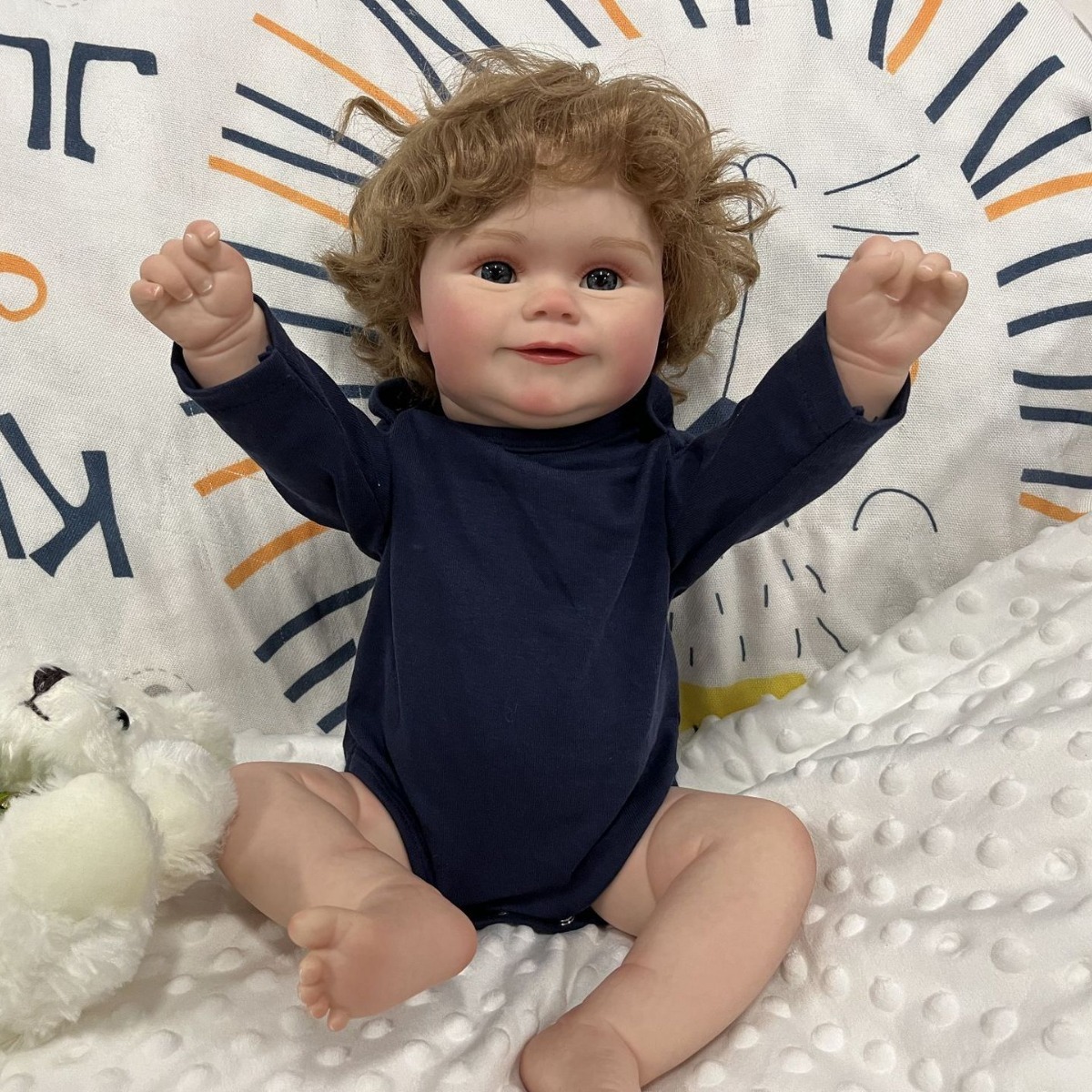
Paint and Finish Behavior
Vinyl is the traditional canvas for reborn artistry. Artists build thin, translucent layers of paint, typically heat-set between coats, to create veining, mottling and depth. The material tolerates repeated layering and correction.
Silicone takes pigment differently. Color can be mixed into the material, and specialized silicone paints can be applied afterward. Fine detail is possible, but the finish is generally less forgiving of reworking than vinyl.
How Does Full-Body Silicone Reborn Baby Production Differ From Vinyl Kits?
A full-body silicone reborn baby is usually made by pouring silicone into a mold and curing it, while a vinyl doll is typically assembled from molded parts. That difference changes lead times, defect rates and finishing steps.
Silicone Production Process
Mold preparation: Silicone casting needs a clean, well-maintained mold because surface flaws can transfer directly to the doll.
Pouring and curing: The material must be mixed, degassed where required and cured according to the formulation. Air bubbles and incomplete curing are common defect sources.
Demolding and trimming: Soft parts can tear or distort during removal, so yield losses at this stage affect unit cost.
Coloring and detailing: Pigment and painting follow, with less opportunity to correct mistakes than on vinyl.
Finishing and inspection: Hair, eyes, nails and other details are completed, followed by inspection for seams, bubbles, surface tackiness and other defects.
Vinyl Doll Production Process
Vinyl kits follow a different production process. The parts are already molded and cured, so the artist’s work focuses more on painting, rooting, weighting and assembly.
Output depends more on artist skill, painting capacity and assembly efficiency than on casting yield.
For a buyer, the practical difference is that silicone lead times and rejection rates are closely tied to the manufacturer’s casting discipline, while vinyl timelines depend more on painting and finishing capacity.
Silicone or Vinyl Reborn: Which Lasts Longer?
The common assumption is that one material simply outlasts the other. In practice, neither lasts indefinitely. Both age with handling, light and storage, and each has its own typical failure modes.
Silicone tends to fail through tearing, particularly at thin sections, joints and fingers, and through surface tackiness that attracts lint and dust. The quality of the formulation and curing process affects how likely these issues are, which is why supplier questions matter more than material labels.
Vinyl tends to experience discoloration, stiffening and paint wear. Plasticizers can migrate over time, and sun exposure or poor storage may yellow the surface or change its feel. Repainting can restore a vinyl doll’s appearance, although it cannot reverse material aging.
Storage habits often decide the outcome. Away from direct sunlight, excessive heat and contact with incompatible plastics or dyed fabrics, either material can hold up considerably better. Contact with dark or printed fabrics can transfer color onto both.
If durability is your concern, the sensible position is this: silicone is more exposed to physical damage, while vinyl is more susceptible to gradual chemical and cosmetic changes. Match the material to how the end customer will actually handle the doll.
What Do the Data Points Say About Cost, Weight and Care?
Silicone generally costs more and weighs more than vinyl, with higher material and finishing costs. Actual figures vary widely by manufacturer, size, construction and finish, so these should be treated as relative comparisons rather than fixed prices.
Compare the two on three axes.
Cost and Wholesale Pricing
Silicone carries higher raw material expenses, more demanding casting requirements and labor-intensive finishing. Entry prices therefore tend to sit well above those of comparable vinyl dolls.
Vinyl covers a much wider price range, from basic kits to artist-grade pieces. This gives retailers more flexibility when building product lines for different customer budgets.
Weight and Shipping
A full-body silicone doll is typically noticeably heavier than a vinyl-limbed doll of the same length. This difference feeds directly into freight charges, packaging requirements and handling costs.
For international buyers, the shipping quotation should be based on actual product weight and carton dimensions rather than doll length alone.
Care and Maintenance
Vinyl is usually the lower-maintenance option, needing gentle surface cleaning and protection from sunlight.
Silicone often requires more attention: dusting with suitable powder or cleaning products, avoiding sharp objects and monitoring surface tackiness. Cleaning guidance should always come from the manufacturer of the specific formulation.
How Does Material Choice Affect Wholesale Profit Margins?
For retailers and distributors, the purchase price is only one part of the cost calculation.
A useful comparison should include:
Unit purchase cost from the factory.
Packaging and protective materials.
International freight and insurance.
Import duties, taxes and customs clearance.
Inspection costs and potential defective-product losses.
Expected retail price and profit margin.
After-sales service and return-related expenses.
A lower factory price does not automatically mean a higher profit margin. A heavier silicone doll may have a higher retail value but also higher freight and handling costs. A vinyl doll may offer a more accessible retail price and broader customer reach.
Before placing a bulk order, compare the estimated landed cost of both materials at your intended sizes and quantities.
Silicone vs Vinyl: Pros and Cons at a Glance
Seven criteria matter most: realism, cost, weight, repair, customization, shipping and care. The table below highlights the main trade-offs.
| Silicone: Advantages | Silicone: Limitations | Vinyl: Advantages | Vinyl: Limitations |
|---|---|---|---|
| Soft, squishy feel close to skin | Higher unit cost | Wide price range, from entry to artist-grade | Firmer, less lifelike touch |
| Natural weight and body-like response | Heavier, so freight costs rise | Lighter and cheaper to ship | Can discolor or stiffen with age |
| Strong appeal for premium gift and companion buyers | Prone to tearing and surface tack | Repainting and repair methods are well established | Plasticizer changes and paint wear need attention |
| Consistent whole-body softness in full-body designs | Less forgiving of paint rework | Layered paint allows detailed customization | Cloth body and vinyl limbs feel less uniform |
No single row decides the question. Your customer’s priorities determine which side of the table carries more weight.
Which Customers and Use Cases Suit Each Material?
Consider a retailer whose enquiries split between buyers asking “How soft is it?” and buyers asking “Can I have custom features?” Those two questions point to different materials.
Collectors Seeking Realistic Touch
These buyers value softness and weight above price. Look for even coloring, no visible bubbles or seams, and a surface that is not excessively tacky out of the box.
Full-body silicone is often attractive to this group because it provides a consistent soft-touch experience.
Therapeutic or Companion Buyers
Families or carers who use dolls for comfort often want a lifelike holding experience. Silicone may appeal here, but check the care instructions and durability requirements based on realistic daily handling.
Premium Gift Tiers
A gift buyer pays for presentation and first impressions. Silicone can support a higher price point if the packaging, documentation and finishing quality match the product’s positioning.
Entry-Level Collectors and Volume Retail
Newer buyers and mass retail channels often need lower price points and predictable freight costs. Vinyl fits these requirements, and its lighter weight can improve shipping economics.
Custom Painters and Commission Work
Artists who want to alter features, repaint or build one-off pieces generally prefer vinyl because the surface accepts layering and correction more readily.
How to Choose Reborn Doll Material for Your Product Line
A useful rule of thumb is to choose the material your target price tier can support without creating unnecessary margin pressure, then confirm your decision with a sample order before committing to volume.
The decision rests on five checks.
Target price tier: Silicone makes sense when customers are willing to pay for a premium tactile experience. If your range focuses on entry or mid-tier products, vinyl may protect margins more effectively.
Customer handling: Dolls that will be carried, dressed and cuddled daily need appropriate durability and clear cleaning instructions. Display-only products may allow more delicate finishes.
Return risk: Soft silicone can be vulnerable to bubbles, tackiness and minor tears. Include an inspection process and a clear return policy in your sourcing plan.
Shipping cost: Heavier dolls cost more to ship, particularly across borders. Calculate landed cost rather than relying only on the ex-factory price.
Customization needs: If you offer repainting, different rooting styles, custom clothing or other personalized features, vinyl may provide more flexibility.
For many retailers, carrying both materials is a practical strategy. Vinyl can serve entry and mid-range customers, while silicone can support a premium collection.

Questions to Ask a Reborn Doll Factory Before Ordering
Ask for the exact material specification and body construction, not just a generic “silicone” or “vinyl” label.
Before placing an order, clarify the following:
Material specification: What material is used for the head, limbs and torso? Is the doll full-body silicone or partial silicone?
MOQ: What is the minimum order quantity, and can different styles or sizes be mixed?
Sample policy: Are samples available, do they match bulk production quality, and who pays for them?
Production lead time: How long does production take, and how does the schedule change during peak seasons?
Quality inspection: What finish tolerances are checked for seams, bubbles, color variation, surface tackiness and other defects?
Customization: Can the factory customize skin tones, hair, clothing, accessories, packaging and product designs?
Documentation: Can the supplier provide test reports, material declarations and relevant certificates for the intended destination market?
If a supplier cannot provide the requested documentation, treat that as important information when evaluating the sourcing risk.
What Compliance and Safety Checks Apply to Reborn Doll Materials?
One common mistake is assuming a reborn doll is automatically exempt from toy safety requirements because it is marketed to adults.
A product’s regulatory classification cannot be determined by its label alone. Authorities may also consider its design, marketing, packaging, intended users and reasonably foreseeable use.
Dolls sold as toys for children generally need to meet the applicable toy safety requirements. Products genuinely designed and marketed as adult collectibles may fall under different general product safety rules. The distinction varies by market and should be checked with a qualified compliance specialist.
European Union
For products classified as toys, the EU Toy Safety Directive 2009/48/EC and relevant EN 71 standards are important reference points. Chemical restrictions under REACH may also apply to materials and components.
United Kingdom
For toys placed on the Great Britain market, buyers should check the applicable UK toy safety legislation, conformity assessment requirements and current marking rules. Northern Ireland may follow different arrangements under the applicable EU-related framework.
United States
ASTM F963 and the Consumer Product Safety Improvement Act (CPSIA) are important reference points for children’s toys. Requirements may include testing, certification, chemical restrictions and tracking information.
Material and Component Checks
Plasticizers in PVC-based vinyl, including certain restricted phthalates, are an important area of concern in children’s products. Small parts, coatings, paints and filling materials should also be assessed for the intended age group and market.
Ask suppliers for test documentation from an appropriately accredited laboratory that matches the specific product and destination market, rather than relying on a general report for a similar item.
Confirm that the documentation covers the relevant materials, components and finishes. Keep copies for your product compliance records.
Labeling also matters. Age grading, small-part warnings and traceability information should match the product’s actual classification and intended use. Your packaging, product listings and marketing materials should communicate consistent information.
Conclusion: Choosing the Right Reborn Doll Material for Your Business
There is no universal winner in the silicone vs vinyl comparison. Each material serves a different market position and customer expectation.
Silicone is a strong choice for premium product lines where softness, realistic weight and tactile experience justify a higher purchase price. Vinyl offers greater flexibility across price tiers, established painting and customization methods, and more accessible shipping costs.
For retailers, distributors and brands, the best strategy may be to combine both materials. A balanced product range can attract entry-level buyers while also serving collectors and customers looking for premium realistic dolls.
The key is to evaluate material quality, body construction, production consistency, customization capabilities and landed cost before selecting a manufacturing partner.
A Sueban Group, we specialize in the B2B supply of realistic silicone and vinyl reborn dolls, supporting retailers, distributors and brands with product selection and customization solutions. From different sizes and body structures to skin tones, clothing, accessories and branded packaging, we help business buyers develop product ranges that match their target markets.
Contact our team to discuss your product requirements and explore suitable silicone and vinyl reborn doll options for your business.
Domande frequenti
Are silicone reborn baby dolls worth the higher price?
Yes, for buyers who value a soft touch and realistic weight. The premium is harder to justify for display-only or entry-level purchases. Check finish quality, body construction and care requirements before paying more.
Can vinyl reborn dolls be repainted or repaired more easily?
Yes, generally. Vinyl accepts layered paint and corrections, and repainting methods are well established. Silicone can be touched up, but it is usually less forgiving of reworking.
Does silicone attract dust or feel tacky over time?
Sometimes. Surface tackiness and dust pickup can occur with some silicone formulations, depending on curing, finishing and storage conditions. Ask the manufacturer about the formulation and recommended cleaning method.
Which material ships more cheaply?
Vinyl usually costs less to ship because many vinyl-limbed dolls are lighter than full-body silicone dolls. However, the actual freight cost depends on product weight, packaging dimensions, shipping method and destination.
Is full-body silicone suitable for children?
Not automatically. Suitability depends on the doll’s design, age grading, materials and test documentation for the destination market. A silicone doll should only be marketed as a children’s toy when it meets the applicable safety requirements.
What is the difference between full-body silicone and partial silicone reborn dolls?
Full-body silicone dolls use silicone throughout the head, limbs and torso. Partial silicone dolls use silicone for selected parts, while other sections may use fabric or another material. The construction affects softness, weight, production cost and care requirements.
Which material is better for a reborn doll wholesale business?
It depends on your target customers and retail price range. Vinyl is often suitable for broader product ranges and volume retail, while silicone can support premium collections. Many retailers choose to offer both to reach different customer segments.

Owen è il fondatore di seconda generazione di Sueban Group, un produttore di bambole reborn con sede a Guangdong, Cina. Con oltre 20 anni di eredità manifatturiera familiare, Owen guida le operazioni B2B dell'azienda servendo grossisti, marchi e acquirenti istituzionali in oltre 20 paesi.
Incontra Owen
 English
 Deutsch
 Français
 Español
 Italiano
 Nederlands