
Reborn dolls are hyper-realistic vinyl or silicone dolls that have been hand-modified — re-rooted, repainted, weighted, and reassembled — to mimic the appearance and heft of a human infant. If you are sourcing for a boutique, building a studio brand, or evaluating OEM/ODM manufacturing capacity, this guide covers the craft process, the buyer’s decision framework, and the B2B sourcing discipline that separates profitable operations from costly ones.
The category is not a toy segment. Under most regulatory frameworks, reborn baby dolls are collectible art objects, and the supply chain behind them now spans artist studios, Chinese factories, and specialty component suppliers in ways that directly affect your margin.
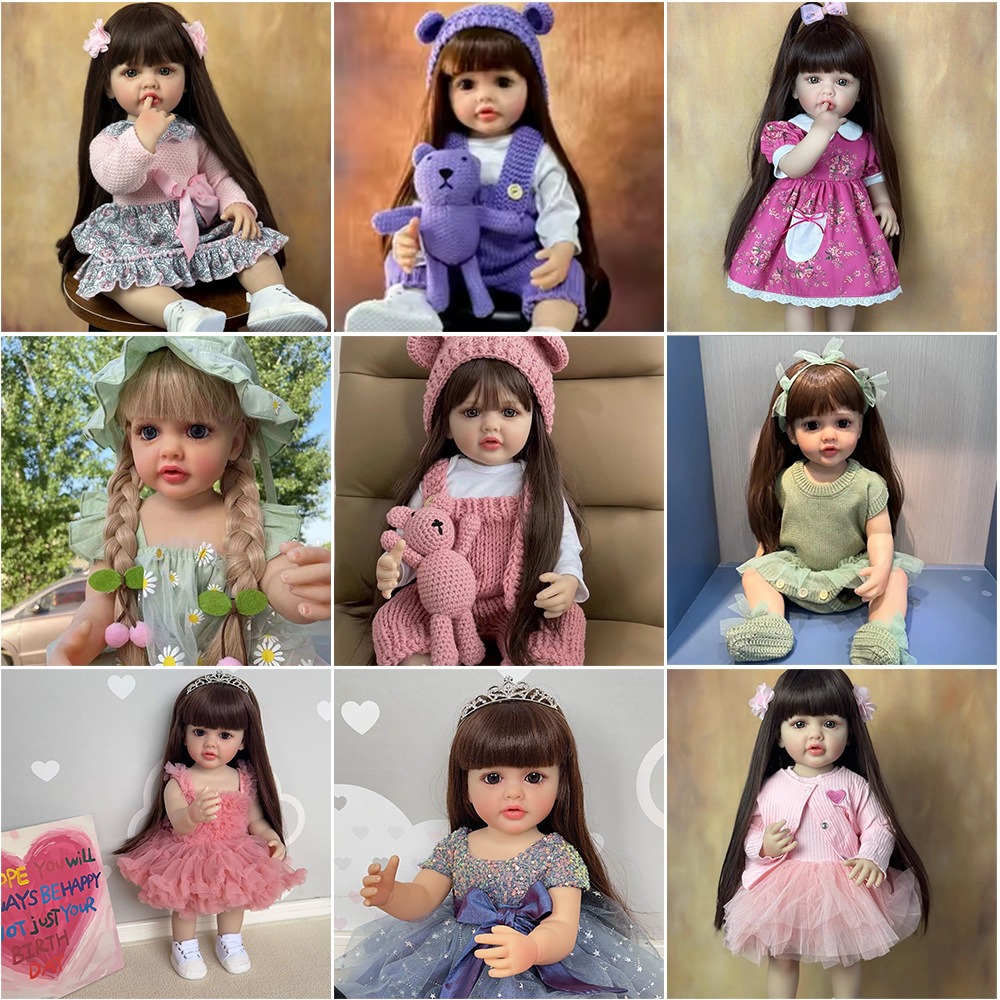
What Are Reborn Dolls? A Working Definition for Practitioners
The reborn doll craft began in the early 1990s among hobbyists stripping and repainting Berenguer and Lee Middleton play dolls. Today it spans a multi-tier market running from $60 beginner kits to $5,000+ custom silicone commissions.
Understanding the tiers matters commercially, because each carries different lead times, defect profiles, and customer expectations.
Metric | Typical Figure | Notes |
Global collectible doll market | ~$1.6–2.1B annually (industry estimates) | Reborn segment growing faster than mass-market dolls |
Standard reborn kit tier | 18–22″ | 90%+ of kits sold fall in this range |
Beginner kit price band | $60–$150 | Vinyl, unpainted, includes limbs + head |
Finished artist reborn | $350–$1,200 | Vinyl, single artist, rooted hair |
$2,500–$6,000+ | Platinum-cure silicone, months-long waitlist | |
Weighting target | 15–20% of finished weight | Newborns average 3.5 kg (7 lb 11 oz) |
Production turnaround | 20–80 hours per doll | Rooting alone can consume 30+ hours |
Why the Reborn Market Matters Right Now
The Kit-to-Silicone Migration
Muñecas renacidas de vinilo dominated 2005–2015. Since then, platinum-cure silicone — cast from artist-sculpted originals — has captured the high-margin tier. Silicone flows differently, accepts a soft powder-matte finish, and photographs closer to skin. Artists who resisted silicone in 2018 now treat it as the default upsell.
Professionalization of the Artist Tier
What was once a forum-based hobby around reborn dolls in the 2000s now has certification programs, juried competitions, and a documented commission process. Buyers increasingly ask for portfolios, not just product photos — a shift that rewards studios with proper documentation systems.
Supply Consolidation in China
The overwhelming majority of raw reborn doll kits, eyeglass-grade acrylic eyes, mohair, and pre-weighted bodies are manufactured in Guangdong and Zhejiang provinces, then distributed through wholesalers. Sourcing discipline is now a core competency for any studio or retailer.
How to Make Reborn Dolls: The Production Workflow
The process divides into five irreversible stages. Skipping sequence creates defects you cannot fix later.
Stage 1: Kit Preparation and Cleaning
Wash the vinyl with warm water and a mild degreaser to remove mold-release residue. Any remaining residue will cause paint to bead or lift. Fully disassemble the limbs, head, and torso plate before painting.
Stage 2: Painting the Vinyl or Silicone
Artists work in 15–25 translucent mottling layers using Genesis Heat Set paints (baked at 265°F/130°C) or air-dry acrylics. The goal is subsurface realism: veins, mottling, milk spots, and the bluish-red undertone of newborn skin.
Painting System | Cure Method | Durabilidad | Beginner Difficulty |
Genesis Heat Set | Oven, 8 min per layer | Highest | Moderado |
Air-dry acrylic (e.g., RebornFX) | Ambient, 24 hr | Alto | Lower |
Oil-based | 48–72 hr | Medium | Alto |
Silicone pigment | Catalyst + heat | Highest | Very high |
Stage 3: Reborn Doll Rooting Hair Guide
Rooting is where most tutorials fail, so be precise about the variables that actually control outcome quality.
- Mohair grades:Yearling mohair (finest, ~18–22 microns) for newborn projects; adult mohair for older child dolls. Kid mohair sits between.
- Needle selection:40–43 gauge crown needles for hairline detail; 38 gauge for bulk density. Micron size matters more than brand.
- Direction:Root at a 30–45° angle, following the natural growth whorl at the crown. Reversed direction creates a visible “stuck-on” look.
- Density targets:6–10 hairs per follicle plug is standard. Full coverage on a newborn head requires 30,000–50,000 individual inserts.
- Time reality:A first-time rooter should budget 40+ hours; experienced rooters finish a head in 12–18 hours.
Stage 4: Weighting and Balancing
Use a layered fill: glass microbeads in nylon stockings at the limbs and base, poly-fil to distribute volume, and steel shot or plastic pellets in the torso for a center of gravity. Balance the head against the body — an over-weighted head on a light torso makes the doll impossible to pose.
Stage 5: Assembly and Finishing
Attach limbs with zip ties or threaded connectors, set a magnet for pacifiers, seal and matte-varnish the paint, and insert a scent wafer if the buyer requests it.
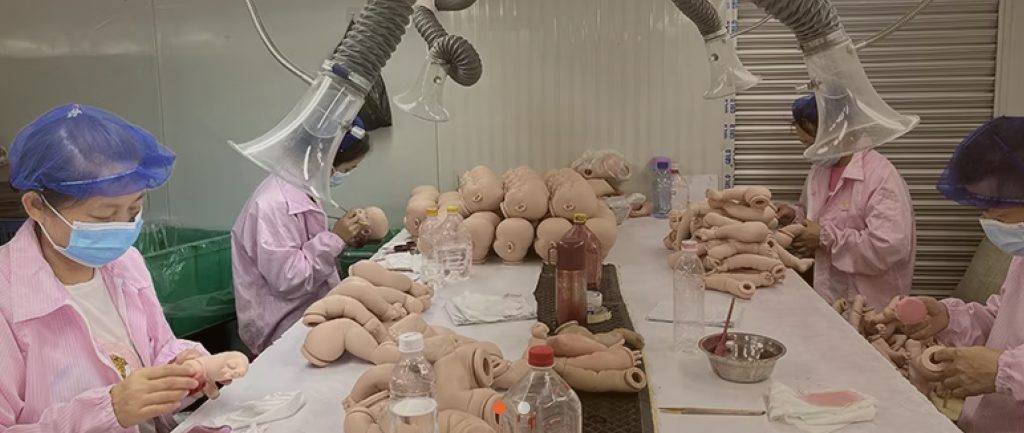
How to Choose a Reborn Doll: A Buyer’s Decision Framework
Identify the Silicone vs. Vinyl Fork First
Vinyl is rigid, holds paint securely, and costs less. Silicone drapes, squishes, and photographs more convincingly but requires careful, powder-based maintenance. For a first purchase, vinyl. For a collection centerpiece or a therapy comfort doll, silicone.
Verify Artist Credentials
Request four things: a dated portfolio with process images rather than finished photos only; kit provenance including sculptor and manufacturer; a written care guide; and an invoice with an explicit return policy. A legitimate artist will have all four without hesitation.
Match Doll Size to Purpose
Therapy and memory-care applications favor 19–21″ dolls with realistic weight (2.5–3.5 kg), soft cloth bodies, and closed eyes. Display collectors favor open-eyed dolls with detailed painting because they photograph better.
How to Choose a Reborn Doll Supplier: Wholesale and B2B Sourcing
For retailers and studio owners, supplier selection drives margin and reputation simultaneously. The channel you choose determines your MOQ, your working capital cycle, and how much quality control you have to absorb yourself.
Supplier Profile | Cantidad mínima de pedido | Lead Time | Typical Unit Cost | Risk Level |
Direct factory (Guangdong) | 50–200 units | 20–35 days | $18–$45 | Medium — QC varies |
Trading company | 20–50 units | 10–20 days | $25–$60 | Low — markup |
Domestic wholesale distributor | 5–20 units | 3–10 days | $40–$90 | Low — best for testing |
Artist-direct consignment | 1–5 units | 30–90 days | 50–60% margin split | High — supply unreliable |
Due Diligence Checklist
- Request a sample batch before bulk.Photograph and measure against spec.
- Confirm material declaration.“Silicone” from some factories means TPE. Ask for cure type (platinum vs. tin) in writing.
- Verify safety compliance.Dolls sold as children’s products in the US must satisfy CPSIA lead and phthalate limits; collectibles marketed to adults fall outside that scope, but mislabeling creates liability.
- Test paint adhesion.Baked vinyl that flakes after 60 days signals under-cured paint — a factory-level defect.
- Check eye and hair sourcing.Acrylic eyes and mohair are usually third-party; inconsistent sourcing creates visible batch variance.
Reading Reborn Doll Supplier Reviews Critically
Supplier reviews are frequently inflated. Look for reviews that mention batch consistency over time, defect resolution speed, and whether the reviewer ordered more than once. A single 5-star review with stock photography is a weak signal; three 4-star reviews describing a resolved defect are stronger.
If you are comparing a factory against a trading company, weigh the unit-cost gap against your internal QC capacity. A $12 per-unit saving means nothing if you cannot inspect incoming batches.
Common Mistakes to Avoid
- Skipping the degrease step.Paint failure traced back to mold release is the most common rework cause.
- Rooting against the growth direction.Unfixable without stripping the head.
- Under-weighting the limbs.Creates a “floppy top, stiff bottom” posture that reads as fake.
- Buying on price alone in wholesale.A $12 unit cost difference disappears after one defective batch.
- Marketing collectibles to children.Creates regulatory exposure and returns problems.
- Not documenting the commission.Scope creep on custom orders is the leading cause of artist-buyer disputes.
- Assuming all silicone is platinum-cure.Tin-cure silicone degrades and cannot be repaired.
Market Snapshot and Practitioner Data Points
Segment | Est. Share of Revenue | Typical Buyer | Growth Trend |
Finished vinyl art dolls | 45% | Adult collectors | Stable |
Full-body silicone customs | 25% | Coleccionistas de alta gama | Rising |
Unpainted kits (DIY) | 18% | Hobbyist artists | Stable |
Therapy / memory-care dolls | 8% | Care facilities, families | Rising |
Wholesale / retail resale | 4% | Boutiques, online sellers | Rising |
Industry estimates put active reborn artists worldwide in the low tens of thousands, with a long tail of part-time practitioners and a concentrated top tier of roughly 200–400 artists commanding waitlists and premiums. For OEM buyers, that top tier is rarely a sourcing option — they commission, they do not manufacture at volume.
Preguntas frecuentes
How long does it take to make a reborn doll?
A skilled artist produces a vinyl reborn in 25–40 hours; a full-body silicone custom takes 60–100 hours spread over several weeks. Beginners should expect roughly double those figures.
What are the best reborn doll kits for beginners?
Look for unpainted vinyl kits in the 18–20″ range from established sculptors, ideally sold with a pre-rooted or bald-head option. Kits priced $60–$120 with clear limb-to-head proportions are the standard starting point. Avoid silicone for a first project.
Where can I buy realistic reborn dolls?
Three channels: artist-direct commission (highest realism, longest wait), established online marketplaces (wider selection, variable quality), and wholesale importers for resale (best unit economics, requires QC capacity).
How much does a realistic reborn doll cost?
Finished vinyl dolls run $350–$1,200; rooted-hair vinyl with detailed painting sits at the top of that band. Full-body silicone customs start around $2,500 and routinely exceed $6,000.
Do reborn dolls need special care?
Yes. Keep them out of direct sunlight, dust with a soft brush, avoid alcohol-based cleaners on painted vinyl, and re-powder silicone dolls periodically with cosmetic-grade matte powder.
Can I wash a reborn doll’s hair?
Mohair can be gently washed with baby shampoo and cold water, then air-dried. Never brush wet mohair — it stretches and frizzes permanently.
The Bottom Line
Reborn dolls sit at the intersection of craft, collectible market, and therapeutic tool. For artists, the differentiator is process discipline: correct cure protocols, directionally accurate rooting, and honest documentation. For buyers, it is verification — portfolio, provenance, and policy. For wholesale buyers, it is sourcing rigor: sample first, declare materials in writing, and audit batch consistency rather than trusting a price list.
If you are an OEM/ODM buyer evaluating a manufacturing partner, the questions that matter most are cure type, paint adhesion over time, and whether your supplier can hold a spec across a 500-unit run — not the headline unit price.
Ready to move? Request sample kits from at least three suppliers this week and run the paint-adhesion test before committing to any bulk order. Ask each supplier to document platinum vs. tin cure in writing, and request a 60-day follow-up on your previous batch’s finish quality. If you are buying a single doll, ask the artist for the four documents listed above. If you are building your own, order a mid-range vinyl kit and start with the hairline — it is the skill that separates competent work from convincing work.
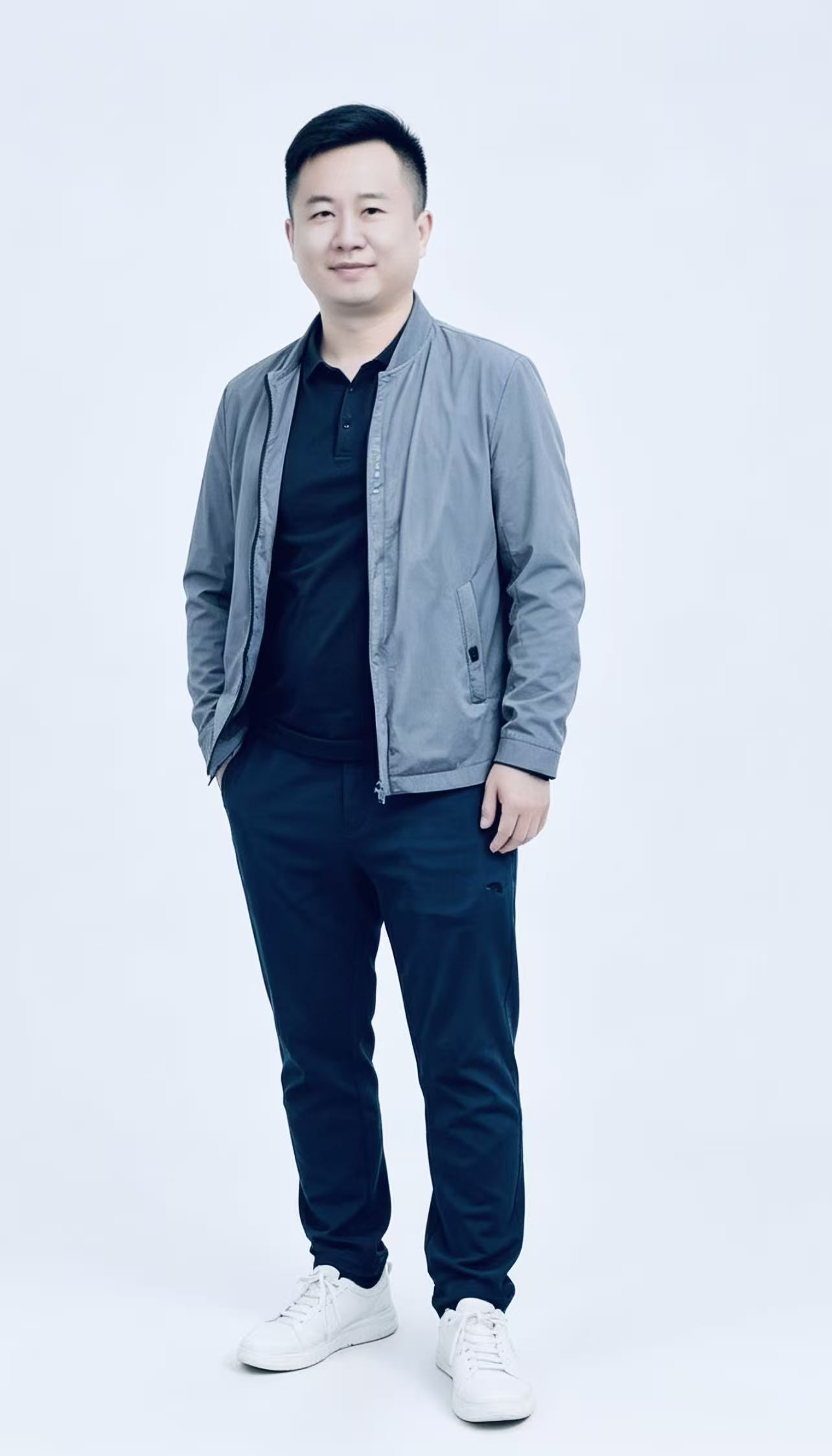
Owen es el fundador de segunda generación de Sueban Group, un fabricante de muñecas reborn con sede en Guangdong, China. Con más de 20 años de herencia familiar en manufactura, Owen lidera las operaciones B2B de la empresa, atendiendo a mayoristas, marcas y compradores institucionales en más de 20 países.
Conoce a Owen
 English
  Deutsch
  Français
  Español
  Italiano
  Nederlands