Five years ago, most emotional comfort products were still viewed as children’s items. Today, that perception is changing quickly.
In the U.S., emotional support products are now appearing in therapy clinics, senior care centers, workplaces, and everyday homes. Adults are buying weighted plush, sensory calming products, and tactile comfort tools not because they want “toys,” but because modern life has become emotionally exhausting.
Long work hours, digital overload, loneliness, anxiety, and burnout are reshaping how people think about emotional wellness. As a result, comfort-focused products are moving far beyond traditional toy categories and becoming part of a larger emotional wellness economy.
This shift is not just a temporary trend. It reflects a deeper change in how consumers manage stress, emotional regulation, and daily self-care.
What Are Emotional Comfort Products?
Emotional comfort products are designed to help people feel calmer, safer, or more emotionally regulated through touch, texture, pressure, warmth, or familiarity.
Unlike entertainment products, these items are usually connected to emotional routines and stress management. Common examples include:
- Weighted plush and blankets
- Soft sensory cushions
- Fidget and grounding tools
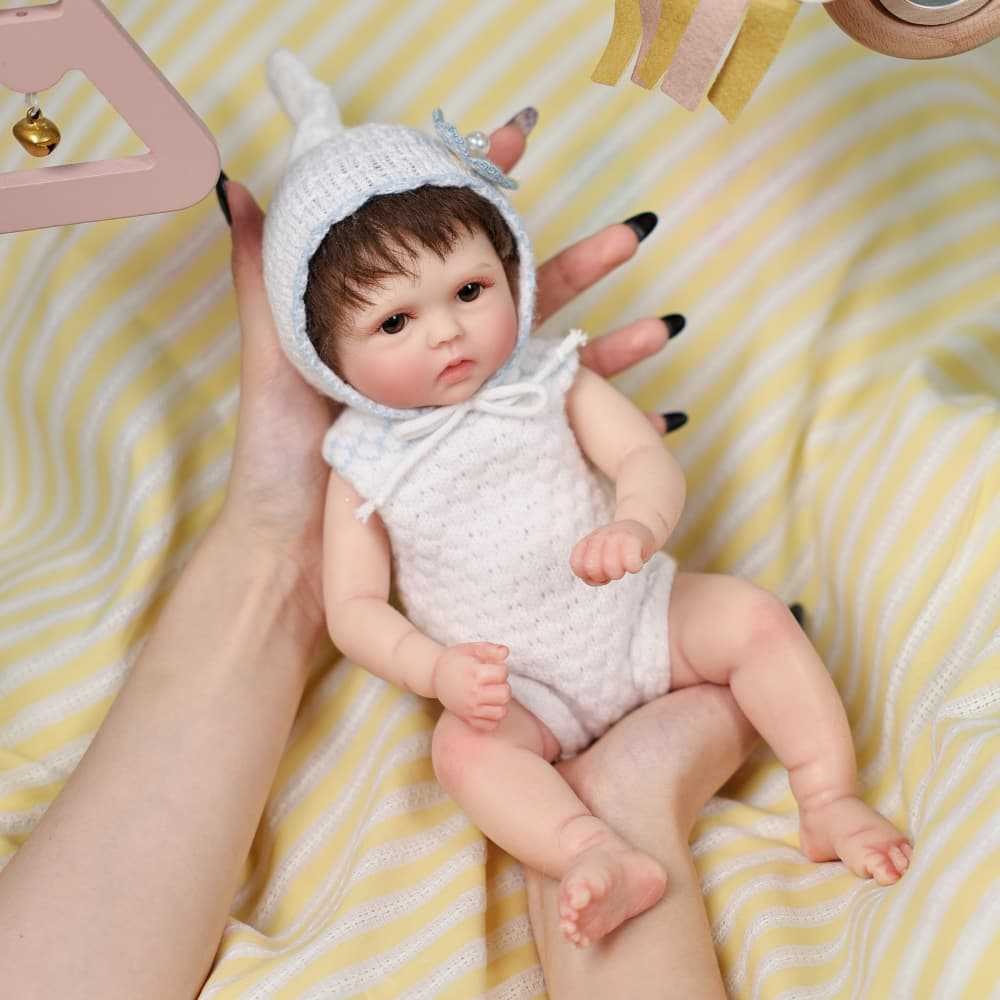
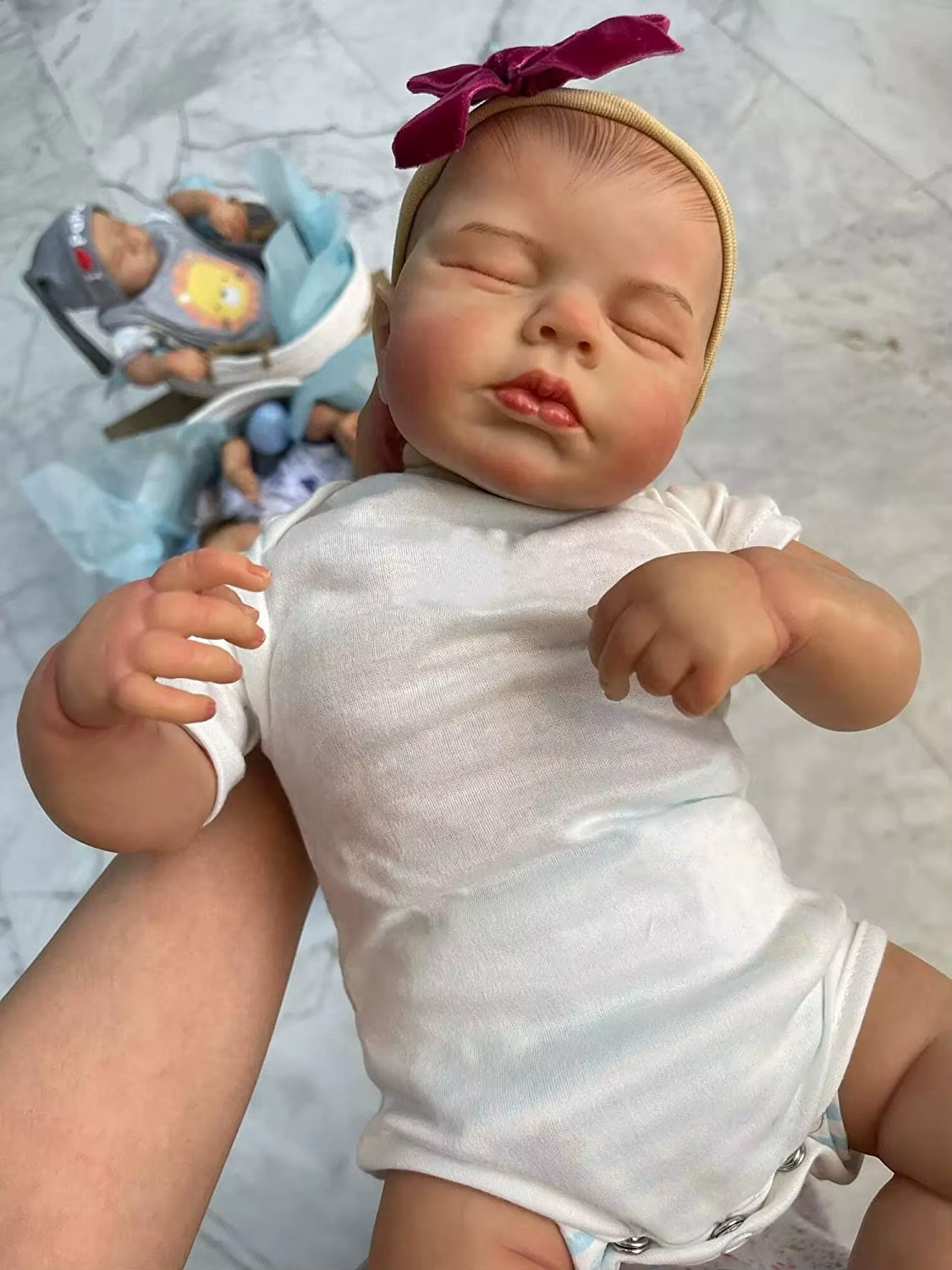
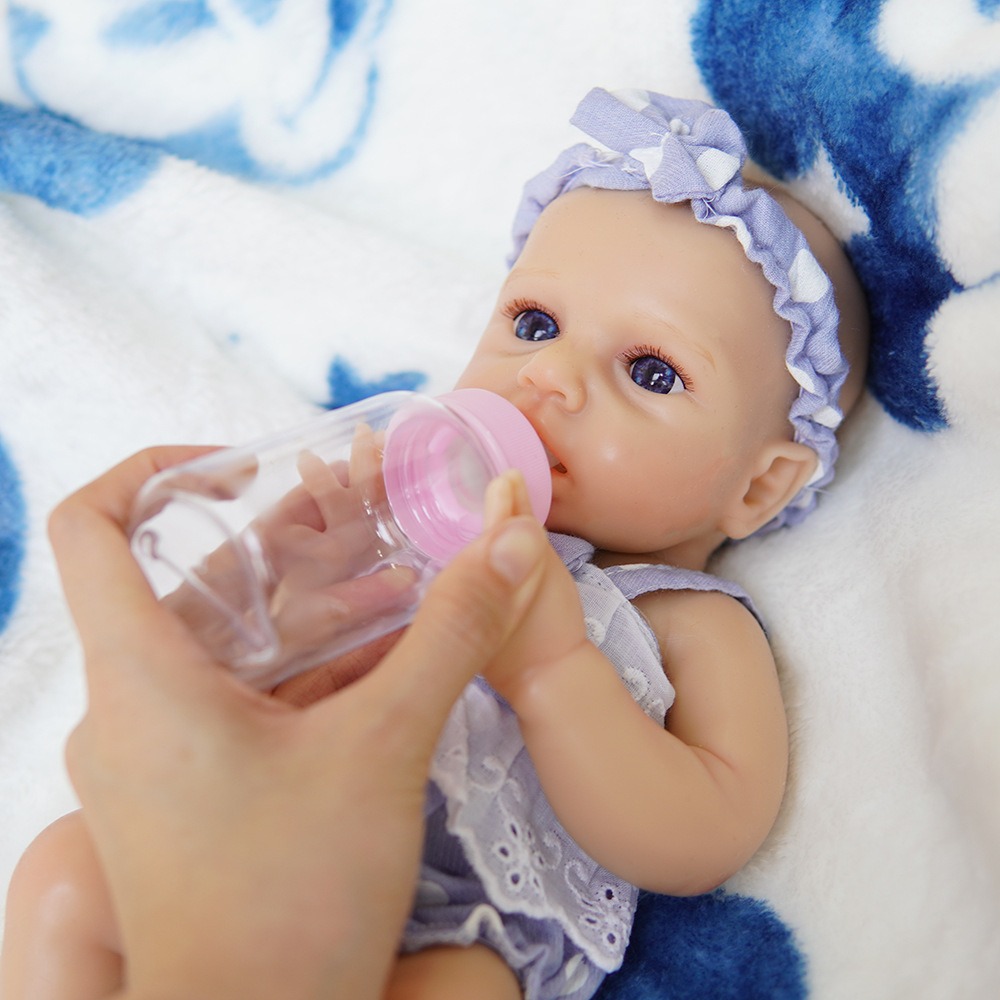
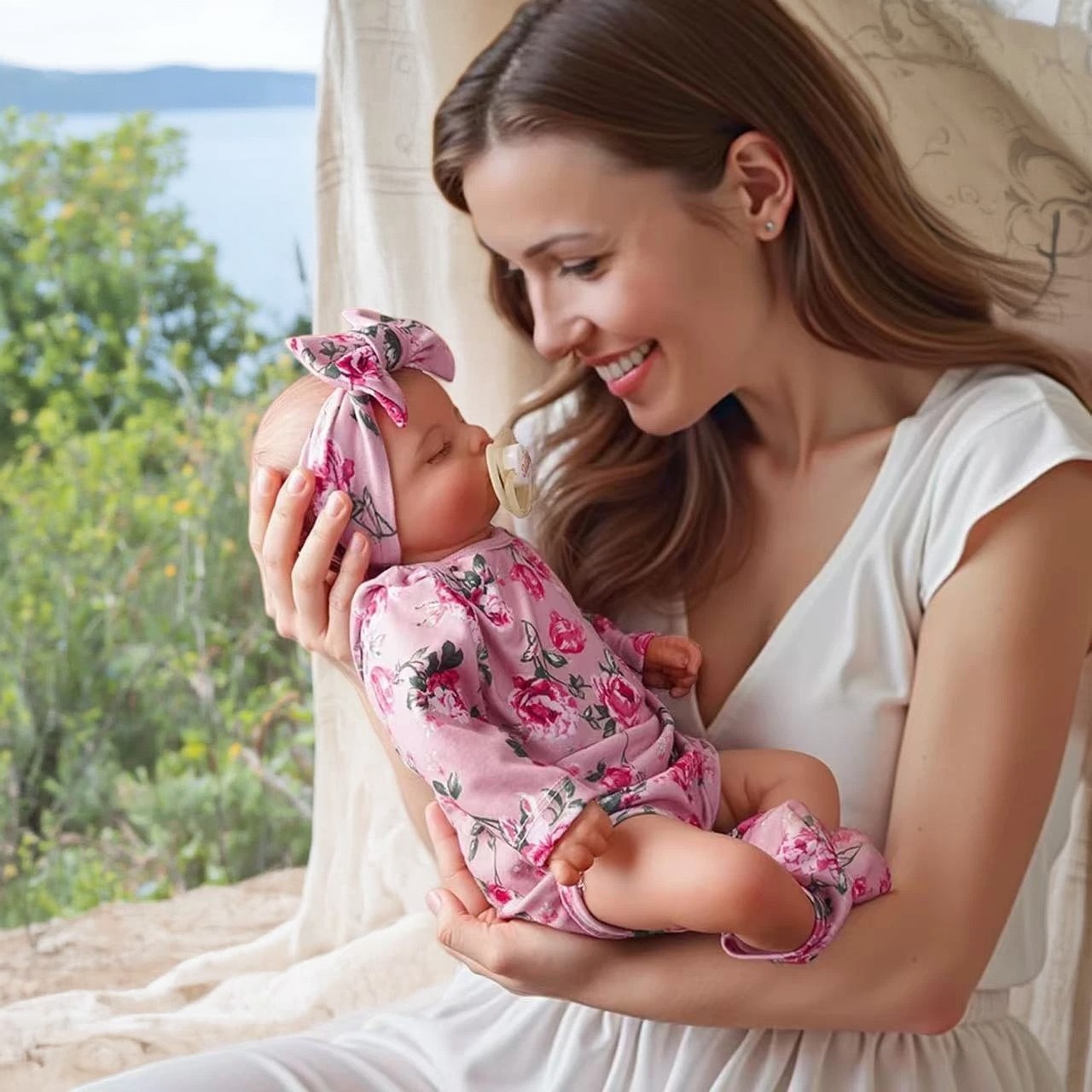
- Memory-support dolls for seniors
- Anxiety-relief accessories
- Sleep-support comfort products
What makes these products different is their purpose. People use them to relax after work, improve sleep routines, reduce anxiety, or create a sense of emotional stability during stressful moments.
In many cases, consumers are not looking for luxury or novelty. They are looking for something simple that helps them feel emotionally settled.
Why Adults Are Buying More Emotional Comfort Products
One major reason behind this market growth is that adult stress levels are increasing across nearly every part of daily life.
Remote work blurred the line between work and rest. Constant notifications and screen exposure leave many people mentally overstimulated. At the same time, social isolation and fast-paced routines have made emotional fatigue more common.
Because of this, many adults are turning toward physical comfort tools that feel immediate and easy to use.
Instead of downloading another wellness app or subscribing to complicated self-improvement systems, people often prefer products that provide direct sensory comfort:
- Soft textures
- Gentle pressure
- Familiar routines
- Quiet tactile interaction
These products fit naturally into modern life because they require little effort. People can use them while working, resting, traveling, or winding down before sleep.
For many consumers, emotional comfort products are becoming part of everyday emotional maintenance, similar to sleep aids, aromatherapy, or wellness routines.
The Growing Role of Emotional Comfort in Senior Care
Another important driver behind the comfort economy is the aging population.
Senior care providers and family caregivers are increasingly exploring non-pharmacological ways to support emotional well-being, especially for individuals living with dementia, memory loss, anxiety, or loneliness.
In these environments, emotional comfort products are often used to create familiarity and reduce emotional distress.
Common examples include:
- Soft weighted lap products
- Sensory calming items
- Memory-support dolls
- Tactile therapy tools
- Comfort objects used during emotional regulation routines
Many caregivers report that tactile comfort can help reduce agitation and create calmer emotional responses during difficult moments.
This is one reason emotional support products are expanding rapidly beyond traditional retail categories and entering healthcare and wellness-related spaces.
Related reading:
Why the “Toy” Label Is Slowly Disappearing
One of the biggest market shifts is how these products are being positioned.
In the past, soft sensory products were usually marketed as children’s toys. Today, brands are redesigning them for adults, seniors, therapy environments, and wellness-focused consumers.
That means:
- More neutral colors
- Minimalist designs
- Higher-quality fabrics
- Better durability
- Adult-friendly packaging
- Products suitable for offices and healthcare spaces
Consumers also view emotional wellness differently now than they did a decade ago. Mental health discussions have become more mainstream, especially among Millennials and Gen Z.
As a result, people feel less embarrassed about using products that support emotional regulation, stress relief, or sensory comfort.
The conversation is shifting from:
“Why would an adult buy this?”
to:
“If it helps people feel calmer, why wouldn’t they?”
Emotional Comfort Products in the Workplace
Workplace wellness has become another important growth area.
As hybrid work and burnout continue affecting employees, companies are paying more attention to stress management and emotional well-being.
Some businesses now include calming products inside wellness kits or quiet spaces, such as:
- Stress-relief desk tools
- Sensory cushions
- Weighted lap blankets
- Heat wraps
- Sleep-support accessories
These products are appealing because they are non-disruptive, practical, and easy to integrate into daily routines.
Instead of treating emotional wellness as something separate from work, companies are beginning to view emotional regulation as part of long-term productivity and employee well-being.
Why Younger Consumers Are Driving the Market
Gen Z and Millennials are playing a major role in the expansion of emotional wellness products.
Compared to older generations, younger consumers are more open about stress, anxiety, burnout, and emotional health. They are also more willing to spend money on products that improve daily comfort and emotional balance.
However, this audience is highly selective.
They are not looking for products that feel childish or overly commercialized. Instead, they prefer:
- Minimal designs
- Functional comfort
- Portable products
- Soft premium materials
- Wellness-focused aesthetics
- Real emotional usefulness
Social media has also helped normalize emotional support products by showing real-life use cases rather than traditional advertising.
People now openly share:
- bedtime comfort routines
- desk wellness setups
- anxiety-relief habits
- sensory calming tools
This visibility has helped reduce stigma around adult comfort products.
Challenges Facing the Emotional Comfort Industry
Despite strong market growth, the industry still faces several challenges.
Balancing Comfort and Credibility
Consumers are becoming more skeptical of exaggerated wellness claims. Brands that overpromise emotional or medical outcomes often lose trust quickly.
The companies performing best in this space usually focus on realistic positioning:
- comfort
- emotional support
- calming routines
- sensory regulation
- stress management
rather than making unsupported medical claims.
Product Quality Matters More Than Ever
Because emotional comfort products are highly tactile, quality has a direct impact on customer trust.
Consumers pay close attention to:
- fabric softness
- stitching quality
- durability
- safety standards
- washable materials
- skin-friendly construction
Poor-quality comfort products can easily feel cheap or insincere, especially in wellness-focused markets.
Supply Chain Pressure
Demand spikes driven by social media trends and seasonal stress periods can create inventory and consistency problems.
For manufacturers and suppliers, maintaining stable quality while scaling production is becoming increasingly important.
This is especially true in categories connected to therapy, emotional wellness, and senior care, where reliability matters more than novelty.
The Future of Emotional Comfort Products
The emotional wellness market is still evolving, but the direction is becoming clearer.
Consumers are no longer buying comfort products simply for entertainment. They are buying them because emotional regulation has become part of everyday life.
In the coming years, we will likely see:
- More adult-focused comfort designs
- Greater demand from healthcare and wellness sectors
- Better integration with sleep and stress-management routines
- Higher-quality sensory materials
- Increased focus on emotional well-being in workplaces
The biggest opportunities will belong to brands that understand one simple reality:
People are not just searching for products anymore.
They are searching for emotional relief that feels practical, calming, and easy to live with.
And that is exactly why emotional comfort products are continuing to expand far beyond the toy industry.

Owen is the second-generation founder of Sueban Group, a reborn doll manufacturer based in Guangdong, China. With over 20 years of family manufacturing heritage, Owen leads the company's B2B operations serving wholesalers, brands, and institutional buyers across 20+ countries.
Meet Owen →
 English
  Deutsch
  Français
  Español
  Italiano
  Nederlands