If you’ve noticed that people are paying extra for comfort—from cushioned sneakers to ergonomic chairs to “easy” tech—you’re not imagining things.
Comfort-driven purchasing has become one of the strongest forces in modern consumer behavior, and it’s now reshaping product design worldwide in a big way. Not just in furniture or fashion—but in electronics, cars, home goods, and even packaging.
In this introduction, I’ll break down why comfort is winning, what’s fueling this global shift, and how brands are redesigning products to feel better, work smoother, and fit real life—so you can spot the trend (and use it) before your competitors do.
Understanding Comfort-Driven Purchasing
Are you buying things because they look cool—or because you want to feel better right now? That shift is exactly what comfort-driven purchasing is: choosing comfort products that improve physical ease, emotional balance, or mental well-being. In plain terms, it’s wellness-driven products over flashy features—think less “nice-to-have,” more “my body and brain need this.”
What comfort-driven purchasing really means
When I look at comfort-driven consumer behavior, it usually comes down to products that deliver:
- Physical comfort: ergonomic support, softer materials, easier grip, better fit
- Emotional comfort: calm, familiarity, “I feel safe with this choice”
- Mental comfort: less friction, simpler use, fewer decisions, more control
This is also why user-centric design trends and ergonomic product design are exploding—people want products that work with them, not against them.
Why comfort is trending hard right now
Comfort-driven purchasing has surged because daily life feels heavier than it used to:
- Post-pandemic lifestyle shifts: more time at home, home offices, and hybrid routines
- Stress relief needs: buyers seek small upgrades that make days easier
- Self-care product trends: comfort now counts as “health,” not “indulgence”
- Lifestyle-driven purchasing: people invest in what supports their real routine
Who’s driving comfort-driven consumer behavior
I’m seeing the strongest demand from:
- Millennials: value practicality + mental comfort; willing to pay for daily-use upgrades
- Gen Z: prioritizes emotional well-being and emotional consumer preferences
- Aging populations: need adaptive design for comfort, accessibility, and less strain
The psychology behind emotional purchasing trends
Comfort isn’t just physical—it’s emotional. Consumer psychology in purchasing shows people buy comfort to get:
- Security: “This choice reduces risk and stress.”
- Relaxation: “This helps me recover and reset.”
- Happiness: “This makes my everyday life feel better.”
That’s why emotional consumer trends are shaping what wins in the market: buyers aren’t only comparing specs—they’re chasing a feeling.
The Global Impact of Comfort-Driven Purchasing on Consumer Trends
Market data and stats behind comfort-driven consumer behavior
I’m seeing comfort-driven purchasing move from “nice-to-have” to “must-have,” and the numbers back it up. Demand keeps rising for ergonomic product design (standing desks, lumbar-support chairs, adjustable beds) and wellness-driven products like sleep trackers, massage tools, and noise-reducing headphones. Retailers in the U.S. are also giving more shelf space to self-care product trends and “feel-good” home upgrades—because emotional purchasing trends now strongly influence what people buy and what they keep.
Cultural influences on global product design trends
Comfort doesn’t look the same everywhere, and that’s shaping global product design trends:
- Japan: comfort often means simplicity and calm—minimalist layouts, space-saving furniture, quiet tech, and clean materials.
- U.S. + Western markets: comfort leans toward plush and premium—thicker cushioning, soft-touch fabrics, warmer lighting, and “cozy” lifestyle branding.
- Nordic markets: comfort is tied to function + natural materials—practical shapes, breathable textiles, and light, airy interiors.
This cultural split is why user-centric design trends are getting more localized—brands can’t ship one “comfortable” product worldwide and expect it to land the same way.
Economic factors shaping comfort products
Money pressure changes how people define comfort. When inflation is high, shoppers still chase comfort—but they shift to:
- Value comfort: durable basics, multi-use items, easy maintenance
- Small upgrades: pillows, slippers, affordable wellness tech instead of big-ticket furniture
- Lifestyle-driven purchasing: items that reduce daily friction (time-saving, easy-to-use, low learning curve)
In higher disposable-income regions, comfort spending expands into premium materials, smart features, and comfort-focused innovations like personalized settings and subscription-based wellness products.
Sustainability intersection: sustainable comfort designs
Comfort is increasingly tied to conscience. More buyers want sustainable comfort designs—organic or recycled fabrics, low-VOC materials, longer-lasting builds, and less wasteful packaging—without sacrificing softness or ease. The winning products combine comfort in product innovation with smarter sourcing, so the purchase feels good physically and emotionally (a big driver in consumer psychology in purchasing).
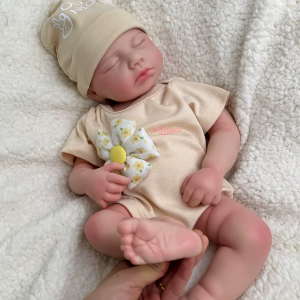
How comfort-driven purchasing is influencing product design
Shift in design philosophy: comfort is now “core function”
I’m seeing product teams treat comfort as the main feature—not a bonus. Comfort-driven purchasing is pushing ergonomic product design and user-centric design trends that reduce strain, friction, and decision fatigue. That shows up as:
- Softer-touch materials (less scratchy, less rigid, more forgiving)
- Intuitive interfaces (fewer steps, clearer buttons, easier setup)
- Calm-first aesthetics (clean lines, warm tones, less visual noise)
- Accessibility by default (bigger grips, clearer labels, easier adjustments)
Industry examples of comfort-focused innovations
- Furniture (home offices): Ergonomic chairs with better lumbar support, wider seat pans, and simple adjustments; adjustable beds and supportive mattresses built for recovery and better sleep—big in the U.S. where hybrid work is still the norm.
- Fashion: Athleisure keeps winning because it fits lifestyle-driven purchasing—stretch fabrics, breathable knits, and adaptive design for comfort like magnetic closures and adjustable waistbands.
- Technology: Wearables are moving toward wellness-driven products—lighter bands, skin-friendly materials, longer battery life, and fewer annoying alerts. Comfort here is both physical (fit) and mental (less stress).
- Automotive: Interiors are being designed like “mobile living rooms”—better seat ergonomics, quieter cabins, heated/ventilated seating, and ambient lighting that supports relaxation.
Innovation: AI personalization + smart materials
The newest wave of comfort in product innovation is customization at scale:
- AI-driven personalization that learns user preferences (fit, firmness, temperature, reminders)
- Smart materials that regulate heat, wick moisture, reduce pressure points, or soften with use
- Modular components so customers can “tune” comfort without buying a whole new product
User-centric design principles: feedback loops drive the build
Real comfort comes from testing, not guessing. Brands winning in comfort-driven consumer behavior bake in:
- User testing with diverse body types and ages
- Wear-and-return insights (what people keep vs. send back)
- Micro-feedback (short surveys, post-purchase reviews, support tickets)
- Iteration on the “small stuff” that matters—seams, edges, weight, noise, and setup time
In categories like baby and comfort goods, this feedback is everything—our soft-goods decisions (fabric hand-feel, stretch, closures) follow the same logic you see in our baby swaddle set design and material options, where comfort and ease-of-use drive what customers choose.
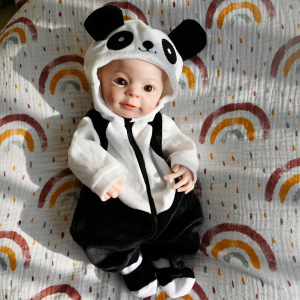
Challenges and Opportunities for Brands Like Sueban Group in Comfort-Driven Purchasing
Challenges: comfort vs. cost, sustainability, and scale
In today’s comfort-driven purchasing market, the hardest part isn’t proving comfort matters—it’s delivering it consistently without pricing people out. For brands like mine at Sueban Group, the main hurdles usually look like this:
- Cost pressure: Softer-touch materials, better weight balance, improved finishes, and tighter QA all raise unit costs—while U.S. shoppers still compare prices fast.
- Sustainable comfort designs: Customers want comfort and cleaner materials, lower waste, and smarter packaging. The challenge is keeping that promise without compromising durability or feel.
- Scalability: Comfort is personal. Scaling “comfort products” means tighter tolerances, stable supply chains, and repeatable processes so the experience stays consistent from the first unit to the 10,000th.
- Returns and expectations: Comfort is subjective, which can increase returns if product descriptions and user guidance aren’t crystal clear.
Opportunities: turning comfort into a clear value prop
The upside is huge. Emotional consumer trends are pushing people toward products that feel safe, reassuring, and easy to live with. Brands can win by building comfort into the whole experience:
- Design the comfort story: Spell out what comfort means—softness, flexibility, ease of use, quiet operation, calming aesthetics, or less maintenance.
- User-centric design trends: Collect real customer feedback, run small-batch tests, and iterate quickly—comfort improves when customers steer the details.
- Lifestyle-driven purchasing: In the U.S., comfort sells best when it fits real routines: long workdays, stress relief, and self-care habits at home.
Sueban Group’s perspective: comfort you can trust
At Sueban Group, I treat comfort as a measurable standard, not a vague promise. That means focusing on material feel, realism, safety, and consistency—especially in products where touch and emotional reassurance matter. Our approach leans on proven materials and clear quality benchmarks, including our focus on why platinum silicone reborn dolls set the gold-standard for realism and comfort and how different options compare in our rebirth doll materials and types guide. This is how we connect consumer comfort priorities with repeatable manufacturing and dependable customer satisfaction.
Future outlook: where comfort-driven consumer behavior is headed
I expect comfort-driven consumer behavior to keep expanding, but with higher expectations:
- More personalization: People will want comfort tuned to their needs (weight, texture, ease of care, sensory preference).
- Smarter “comfort-focused innovations”: Better material tech, improved finishing methods, and more consistent production controls will separate premium comfort from “looks good online.”
- Stronger emotional positioning: Consumer psychology in purchasing will matter more—buyers will choose brands that feel calming, trustworthy, and transparent, not just trendy.
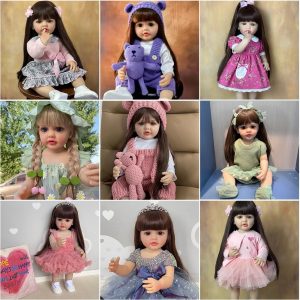
Practical Takeaways: Comfort-Driven Purchasing for Consumers and Businesses
For consumers: buy comfort products that match your life
Comfort-driven purchasing works best when I tie “comfort” to how I actually live in the U.S.—work-from-home days, long commutes, screen time, and daily stress. Before I spend, I sanity-check comfort, health, and values in one pass:
- Define your comfort goal first (physical, emotional, mental).
Examples: less back pain (ergonomic product design), calmer evenings (wellness-driven products), or less hassle (user-centric design trends). - Look for real ergonomic signals—not buzzwords.
Prioritize adjustability, pressure relief, breathable fabrics, easy-grip controls, and sizing that fits your body and space. - Test “comfort over time,” not just in the first 30 seconds.
I check return windows, warranties, and whether comfort holds up after an hour, a week, and a month. - Match comfort to your values (sustainable comfort designs).
Materials, durability, repairability, and low-tox finishes matter if comfort includes peace of mind. - If emotional comfort is the point, buy intentionally.
Products tied to emotional purchasing trends (like soothing routines, collectible items, or caregiving experiences) should feel calming—not impulse-driven. If you’re choosing realistic comfort items like silicone dolls, I’d stick to trusted product specs and care guidance, like this new owner guide to avoiding common reborn doll mistakes, so comfort doesn’t turn into frustration.
For businesses: build comfort into product design, marketing, and experience
If I’m selling into comfort-driven consumer behavior, I don’t treat comfort as a slogan—I design and prove it:
- Product design: commit to user comfort as a feature.
Use user testing, comfort scoring, and simple iterations (softer touch points, quieter operation, lighter weight, better fit). This is where comfort-focused innovations actually show up. - Make comfort measurable and easy to compare.
Clear sizing charts, firmness/softness levels, materials, and “who it’s for” guidance reduce returns and build trust. - Market the outcome, not the spec sheet.
Speak to the moment: “feels better after 8 hours,” “easier to use with limited grip,” “calms your routine.” That aligns with consumer psychology in purchasing. - Customer experience should feel comfortable too.
Fast shipping, simple setup, friendly support, and straightforward returns are part of the comfort promise. - Offer comfort options at different price points.
With inflation and tight budgets, tiered offerings (good/better/best) keep comfort accessible without watering down quality.
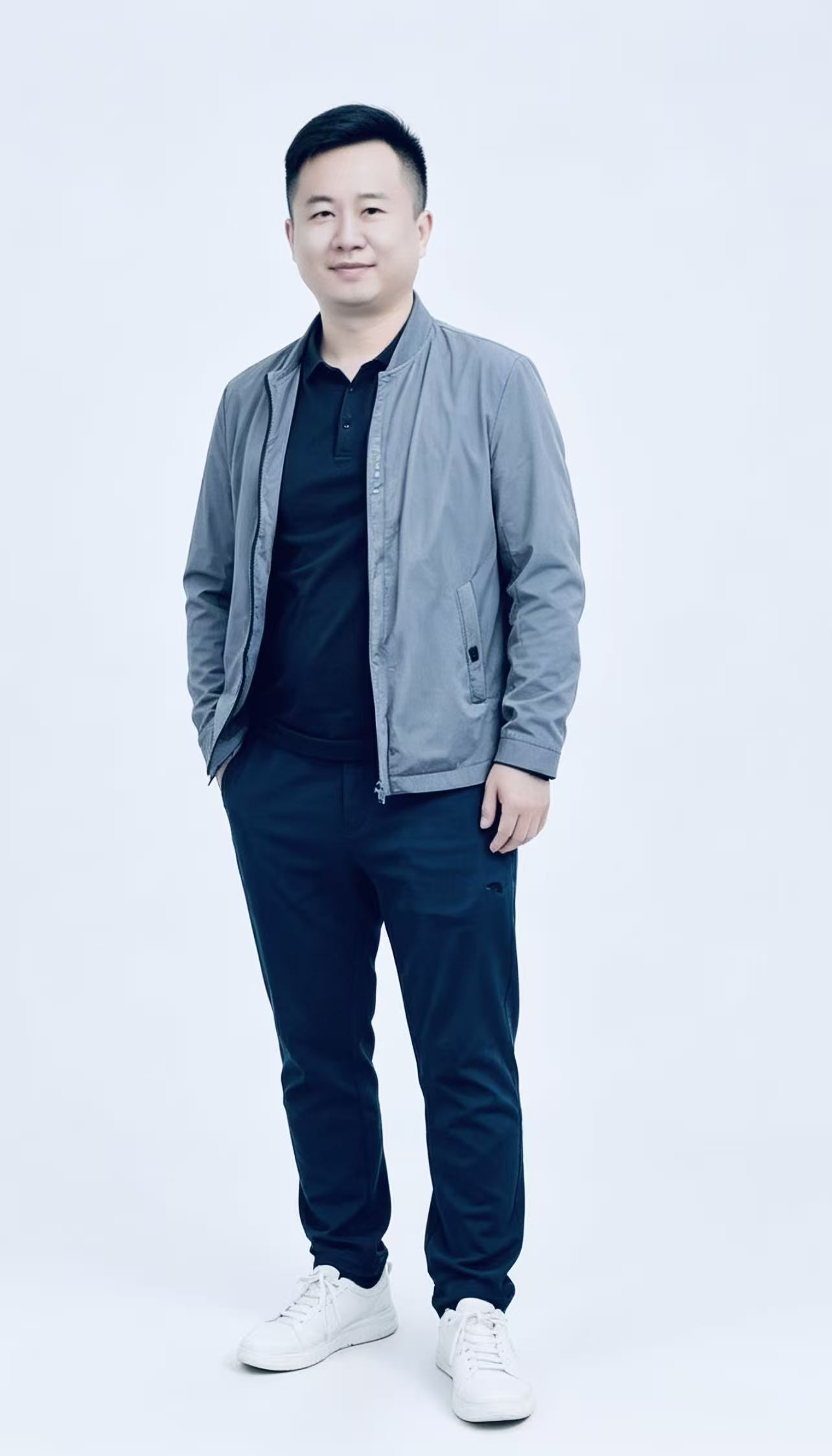
Owen is the second-generation founder of Sueban Group, a reborn doll manufacturer based in Guangdong, China. With over 20 years of family manufacturing heritage, Owen leads the company's B2B operations serving wholesalers, brands, and institutional buyers across 20+ countries.
Meet Owen →
 English
  Deutsch
  Français
  Español
  Italiano
  Nederlands