Over the past few years, one consumer trend has quietly moved from the margins to the mainstream: people are actively seeking products that help them feel emotionally secure.
In 2026, emotional reassurance products are no longer viewed as niche wellness items. They have become part of everyday purchasing decisions across multiple industries, from home goods and wearable technology to sleep products, sensory tools, and therapeutic comfort items.
As manufacturers and product developers look ahead, understanding why consumers are prioritizing emotional comfort may be just as important as understanding traditional factors such as price, convenience, or functionality.
Why Emotional Reassurance Products Are Growing So Quickly
The demand for emotional reassurance products is being driven by a combination of social, economic, and psychological factors.
Consumers today face constant information overload, economic uncertainty, digital fatigue, and increasing levels of stress. While technology has made life more connected, many people report feeling emotionally exhausted and mentally overstimulated.
As a result, purchasing decisions are increasingly influenced by a simple question:
“Will this product help me feel better?”
This shift is reshaping consumer behavior across industries.
Instead of buying solely for status or entertainment, many consumers are now looking for products that provide:
- Comfort
- Stability
- Familiarity
- Emotional regulation
- Stress reduction
For brands, this represents a significant change in what customers perceive as value.
The Mental Wellness Economy Continues to Expand
The broader wellness industry has been growing for years, but emotional wellness is emerging as one of its fastest-growing segments.
Products that support psychological well-being are becoming part of everyday routines rather than occasional purchases.
Examples include:
- Sleep-enhancing products
- Guided mindfulness tools
- Weighted comfort products
- Sensory aids
- Mood-tracking applications
- Stress-management wearables
- Emotional support items
What makes this trend particularly important is that consumers increasingly view these products as preventative support rather than reactive solutions.
Instead of waiting until stress becomes overwhelming, people are investing in small daily habits that help maintain emotional balance.
Generational Changes Are Accelerating Demand
Much of the growth is being driven by younger consumers.
Gen Z Prioritizes Emotional Well-Being
For Gen Z, mental wellness is often considered part of overall health.
This generation tends to be more comfortable discussing stress, anxiety, burnout, and emotional needs openly. As a result, products that support emotional regulation face far less stigma than they would have a decade ago.
Millennials Continue Investing in Self-Care
Millennials remain one of the largest consumer groups purchasing wellness and self-care products.
Many are balancing demanding careers, parenting responsibilities, and financial pressures simultaneously.
Products that help reduce daily stress often feel like practical investments rather than discretionary purchases.
Together, these generations are creating long-term demand for emotional reassurance products across multiple categories.
Emotional Reassurance Is Expanding Beyond Traditional Wellness Products
One of the most interesting developments in 2026 is that emotional comfort is no longer limited to wellness brands.
Companies across different industries are redesigning products around emotional experiences.
Examples include:
Home Products
Consumers increasingly favor products that create calming environments through texture, lighting, sound, and simplicity.
Technology
Many technology companies are shifting from productivity-focused messaging toward digital well-being.
Features such as focus modes, stress tracking, guided breathing, and screen-time management are becoming standard.
Automotive Design
Vehicle manufacturers are emphasizing quiet cabins, ergonomic seating, ambient lighting, and reduced sensory overload.
Consumer Goods
Packaging, materials, and user experiences are increasingly designed to feel reassuring rather than stimulating.
This broader shift demonstrates how emotional comfort is becoming a core design principle rather than a standalone product category.

The Rise of Therapeutic Comfort Products
Another notable development is the growing demand for products that provide comfort through physical interaction and emotional connection.
This includes:
- Weighted comfort products
- Sensory support tools
- Companion-style products
- Therapeutic comfort items used in caregiving environments
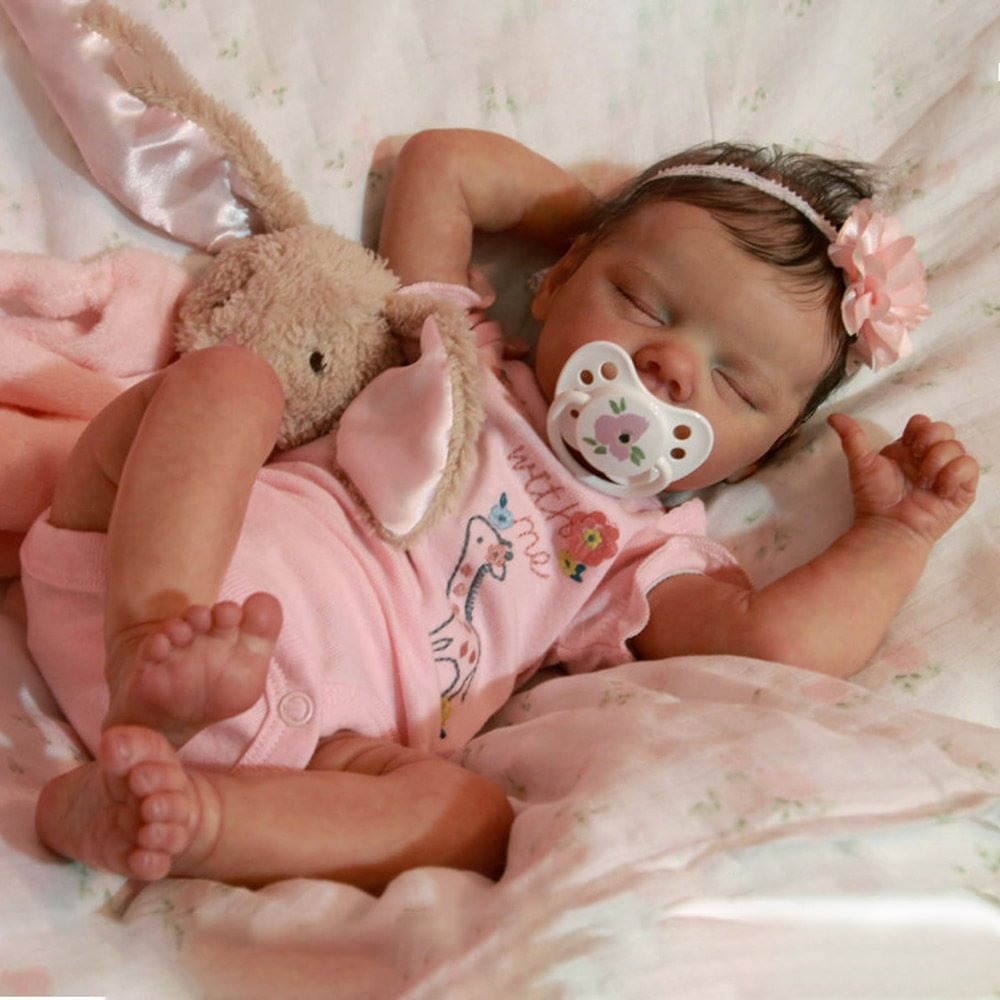
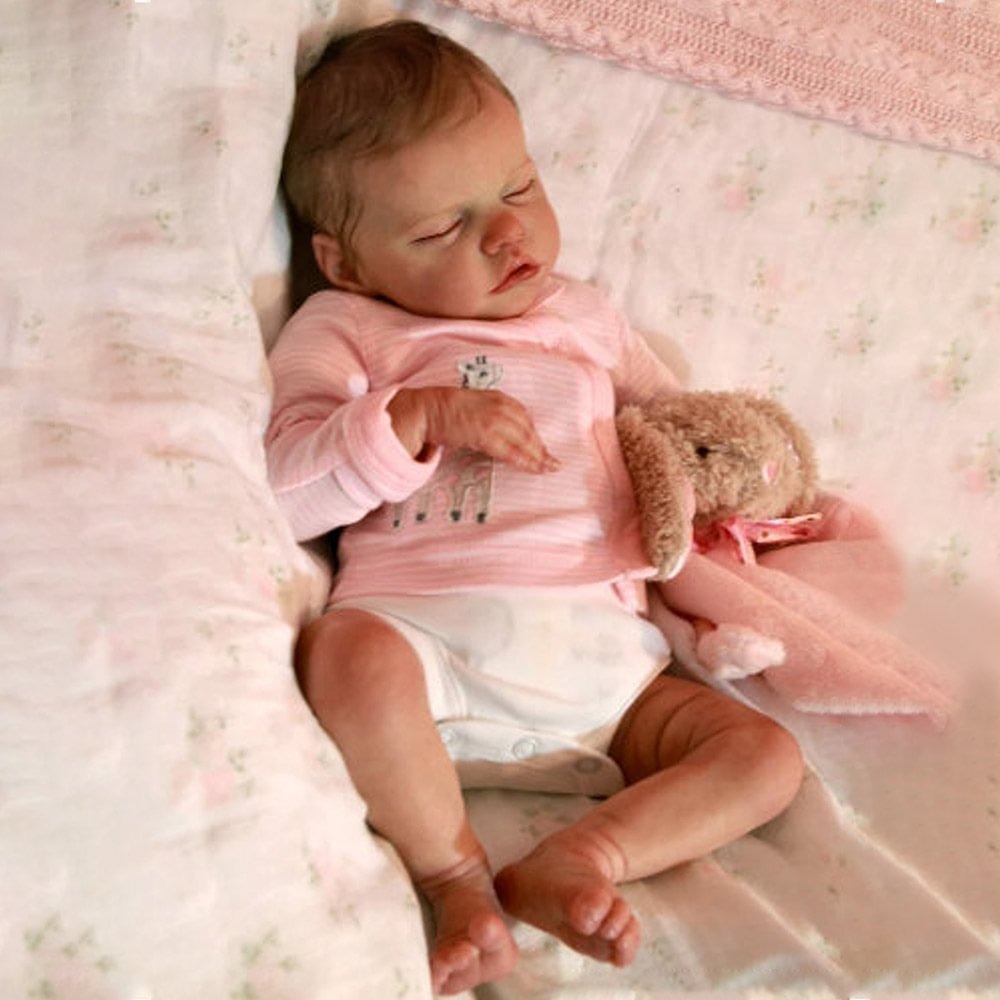
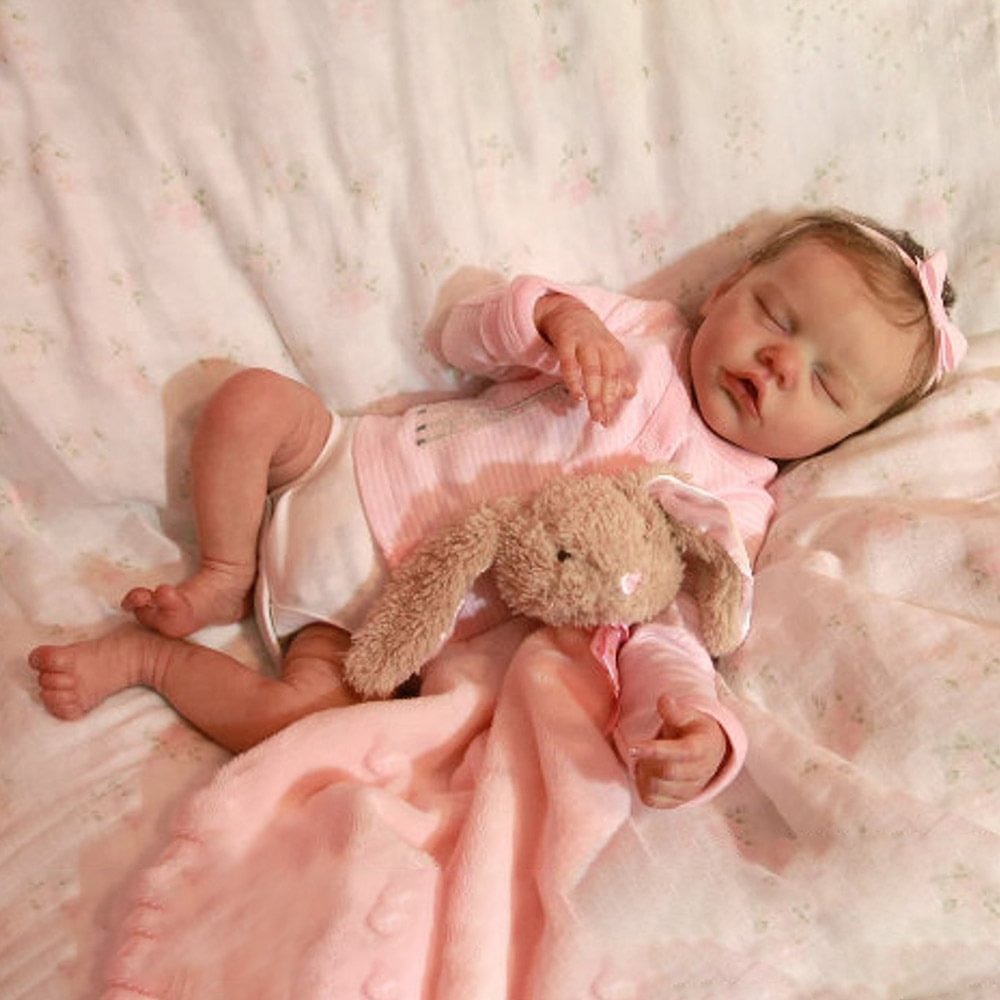
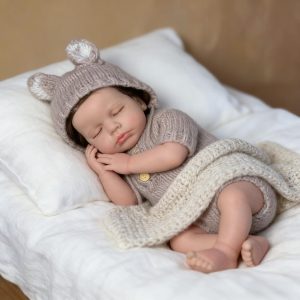
Within this category, reborn dolls have gained attention in certain healthcare, dementia-care, and grief-support settings.
While originally created for collectors, some care professionals and families have found that realistic dolls can provide comfort, routine, and emotional engagement for specific individuals.
The trend reflects a broader movement toward tactile and emotionally supportive products rather than purely functional goods.
For manufacturers, it highlights how emotional value is becoming an increasingly important part of product development.
Challenges Facing the Emotional Comfort Market
Despite rapid growth, the industry also faces important challenges.
Accessibility and Affordability
Many emotional wellness products are priced as premium lifestyle purchases.
For the market to continue expanding, brands must find ways to make emotional support products more accessible to a wider audience.
Evidence and Credibility
Consumers are becoming more skeptical of exaggerated wellness claims.
The brands likely to succeed long-term will be those that:
- Avoid unrealistic promises
- Communicate benefits clearly
- Use evidence where appropriate
- Focus on practical outcomes
Trust is becoming a competitive advantage.
Avoiding Trend Fatigue
As emotional wellness becomes more popular, consumers are also becoming more selective.
Products that genuinely improve daily experiences will continue growing.
Products built solely around marketing buzzwords may struggle to maintain momentum.
What the Future Looks Like in 2026 and Beyond
Looking ahead, emotional reassurance products will likely become more personalized, data-driven, and integrated into everyday life.
Several developments are worth watching:
AI-Assisted Emotional Support
Applications and devices are increasingly capable of recognizing behavioral patterns and offering personalized recommendations for stress management and emotional regulation.
Smart Sensory Technologies
Materials, lighting systems, sound environments, and wearable devices are becoming more responsive to individual comfort preferences.
Personalization at Scale
Consumers increasingly expect products to adapt to their unique emotional and sensory needs rather than offering a one-size-fits-all experience.
Comfort as a Competitive Advantage
Perhaps the biggest shift is that emotional comfort is becoming a mainstream purchasing driver.
Just as convenience shaped product innovation during the 2010s and sustainability influenced purchasing decisions during the 2020s, emotional reassurance is emerging as a defining consumer expectation for the years ahead.
Final Thoughts
The growing demand for emotional reassurance products in 2026 reflects a deeper change in consumer priorities.
People are not simply looking for products that work. They are looking for products that help them feel better, recover faster from stress, and navigate increasingly complex daily lives.
For brands, manufacturers, and product developers, this trend offers both opportunity and responsibility.
The companies that succeed will be those that move beyond marketing language and create products that genuinely support emotional well-being through thoughtful design, reliable quality, and meaningful user experiences.
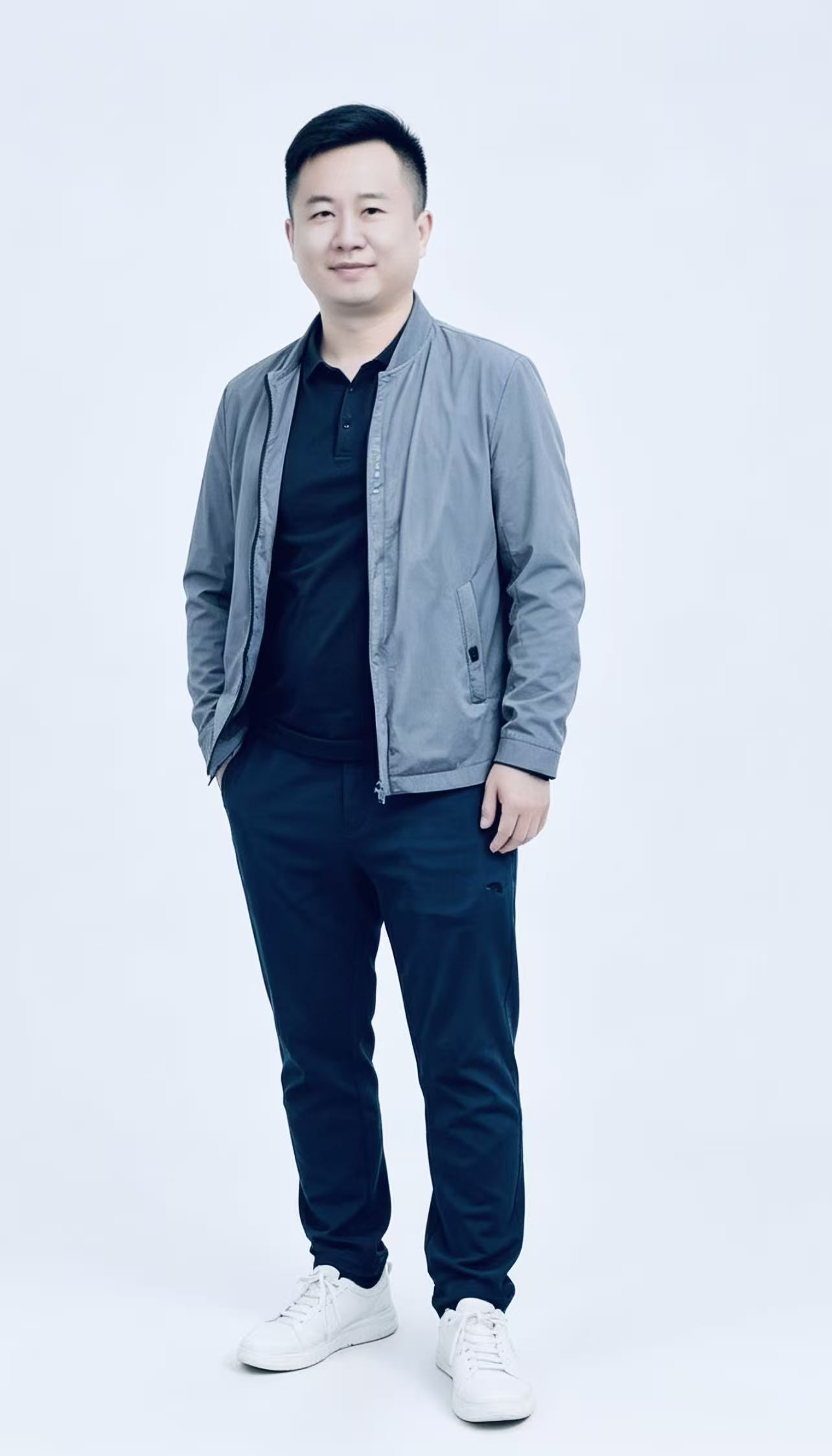
Owen is the second-generation founder of Sueban Group, a reborn doll manufacturer based in Guangdong, China. With over 20 years of family manufacturing heritage, Owen leads the company's B2B operations serving wholesalers, brands, and institutional buyers across 20+ countries.
Meet Owen →
 English
  Deutsch
  Français
  Español
  Italiano
  Nederlands