Are your residents pacing the halls endlessly? Do you struggle to manage aggressive outbursts during busy shift changes? If you run a memory care facility, you know the daily exhaustion of trying to keep residents calm, safe, and engaged. Finding the Best Therapy Activities for Dementia Patients in Nursing Homes isn’t just about filling the activity calendar—it’s about deploying real, clinical intervention.
The Science Behind Therapeutic Activities in Memory Care
To understand why certain dementia activities nursing home staff use actually work, we have to look at how the brain changes and adapts.
Procedural Memory vs. Declarative Memory
In dementia patients, declarative memory—the ability to recall facts, names, or recent conversations—fades quickly. However, procedural memory—the deep-seated, automatic ability to perform ingrained habits and physical motions—remains intact much longer. The most effective memory care activities tap directly into these surviving neural pathways. By focusing on the physical routines residents can still do, we hand them back a vital sense of independence and control.
The Power of Non Drug Dementia Therapy
Relying heavily on medication to manage behavior is an outdated approach. Structuring the day around evidence-based therapy ideas for elderly residents delivers measurable, facility-wide psychological benefits:
- Reduces Wandering: Purposeful, engaging tasks channel restless, anxious energy into safe and focused actions.
- Calms Aggressive Agitation: Familiar, repetitive motions naturally lower stress hormones, significantly reducing unexpected behavioral outbursts.
- Combats Depression: Participating in a daily routine restores a much-needed sense of purpose, fighting the severe isolation that accompanies cognitive decline.
The “Connection Over Perfection” Philosophy
For your nursing staff, the end result of an activity does not matter. A perfectly sorted box of fabrics or a flawlessly completed puzzle isn’t the goal. I always advise my facility partners to train their care teams on one golden rule: Connection over perfection.
It is the process of doing the activity that heals. Validating a resident’s effort—even if the task is messy, repetitive, or incomplete—builds profound emotional safety and trust. When staff prioritize human connection over getting the task “right,” agitation drops, and genuine therapeutic healing begins.

Cognitive and Reminiscence Therapies
When mapping out the best therapy activities for dementia patients in nursing homes, engaging the mind through non drug dementia therapy is essential. We rely on practical, everyday cognitive exercises for seniors that spark joy, trigger memories, and establish daily comfort.
Memory Boxes for Sparking Conversation
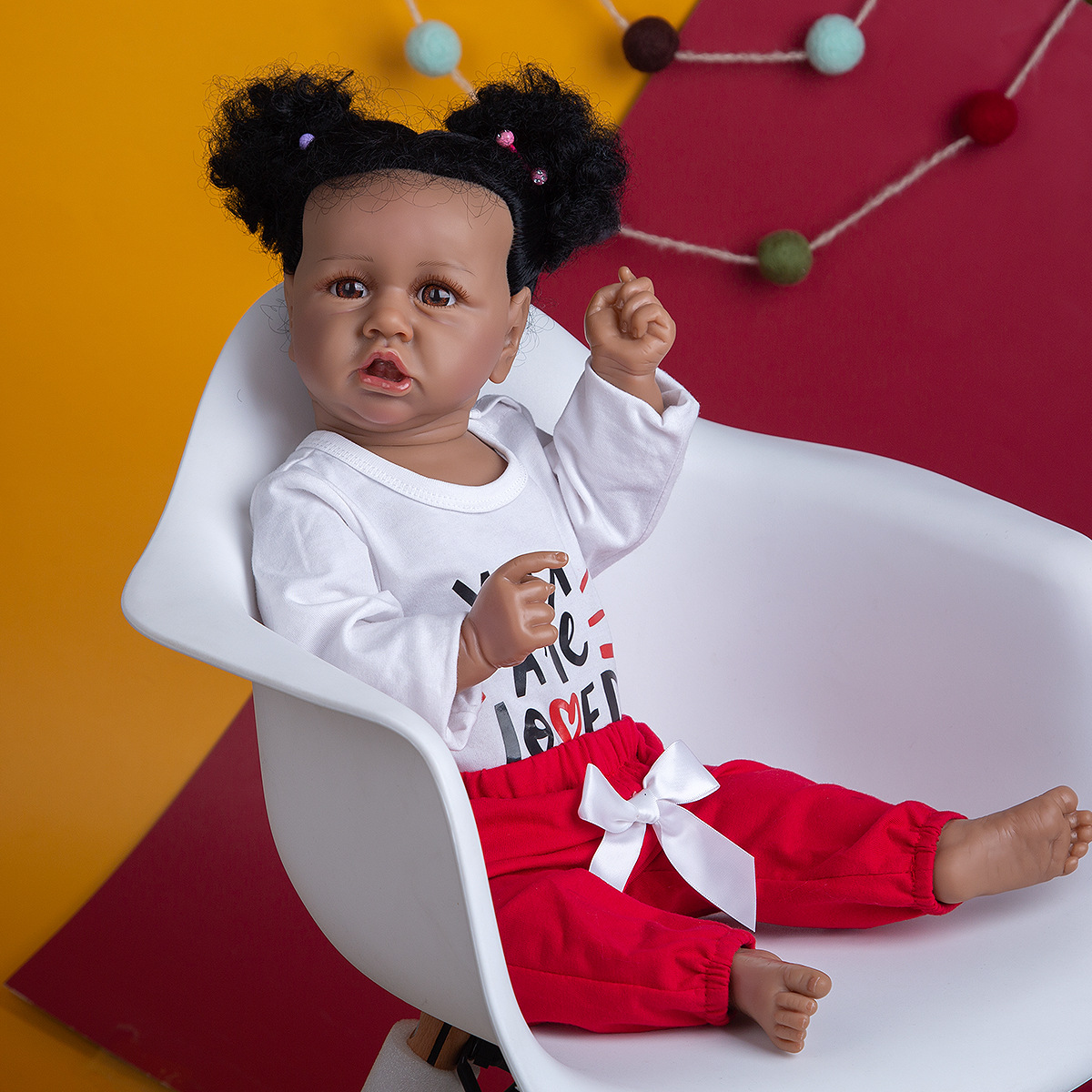
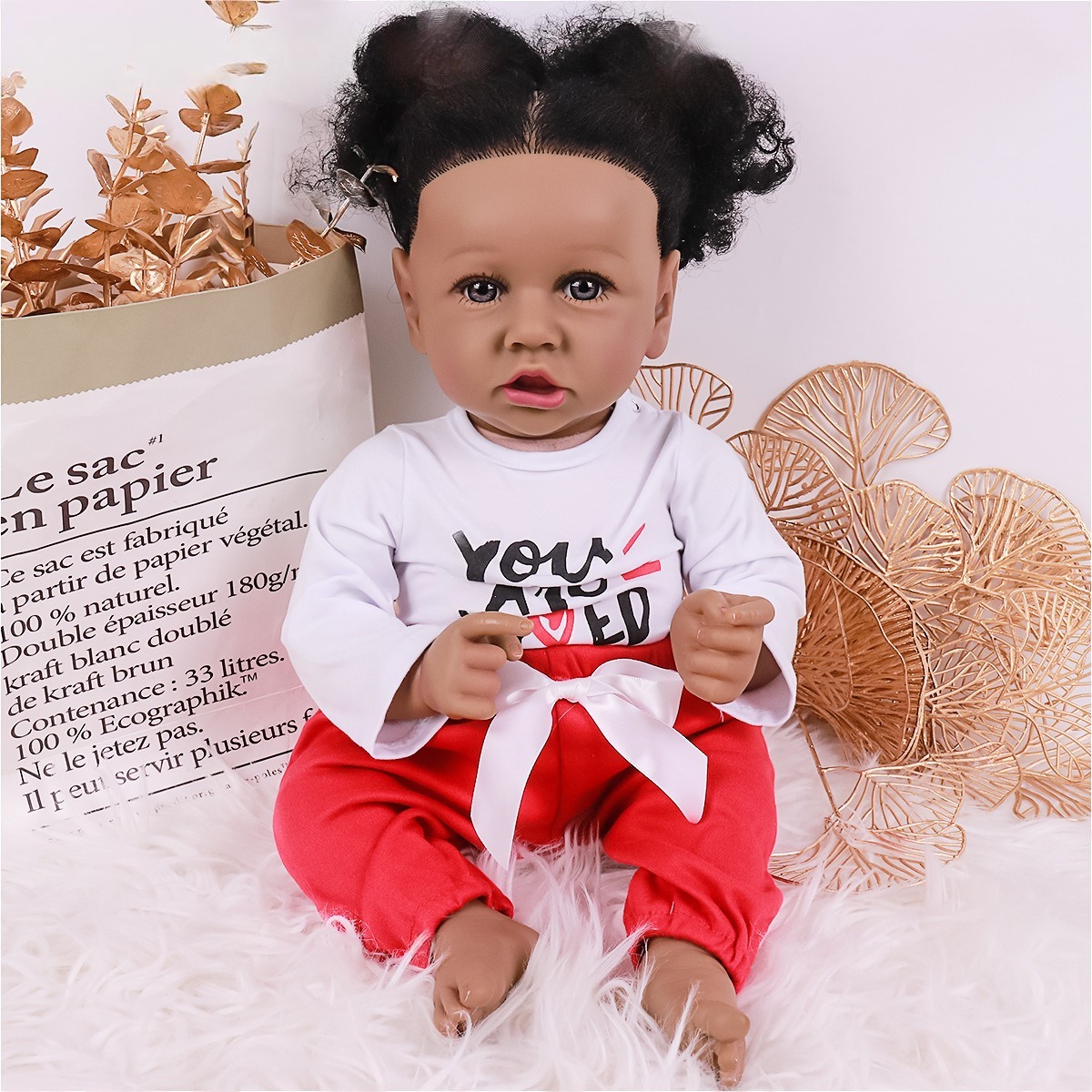
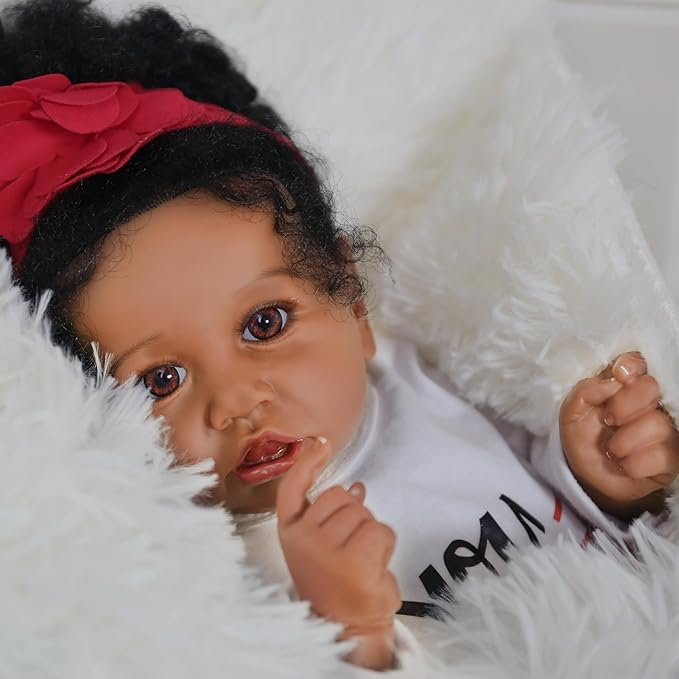
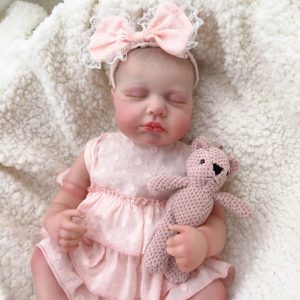
Creating a personalized kit is one of the most effective reminiscence therapy examples available. A memory box is simply a collection of items tied to a resident’s past, such as family photos, old keys, or familiar fabrics. Holding these items grounds the individual. Just as we see a growing trend of adults buying reborn dolls for emotional comfort, tactile keepsakes in a memory box provide profound security and naturally encourage storytelling.
Music Therapy for Mood Regulation
Music should be a staple in any memory care facility activity calendar. Playing familiar songs from a resident’s young adulthood does more than just entertain. It actively fires up neural pathways that often remain intact even as the disease progresses. This therapy quickly improves mood, curbs agitation, and brings moments of clarity.
Simple Sorting and Everyday Chores
Residents still crave purpose. Setting up safe, straightforward chores is a fantastic way to incorporate therapy ideas for elderly individuals into their daily routine.
- Towel Folding: Offers comforting, repetitive hand motions.
- Sock Matching: Provides a gentle cognitive challenge.
- Sorting Hardware or Buttons: Keeps restless hands busy and mimics past hobbies.
These straightforward memory care activities give residents a feeling of accomplishment and help maintain a structured, calming routine.
Physical and Fine Motor Activities
Keeping residents moving is a cornerstone of effective memory care activities. Physical movement doesn’t have to be strenuous to make a real impact. In my experience supplying care facilities, simple, targeted exercises maintain joint mobility, boost mood, and preserve independence. These non drug dementia therapies keep hands and bodies active in a completely safe, controlled environment.
Safe Fine Motor Activities for Seniors
Here are proven physical therapy ideas for elderly residents that are easy for staff to implement:
- Seated Yoga and Stretching: Perfect for residents with limited mobility. Gentle, guided seated stretches improve joint flexibility and promote healthy blood flow without the risk of falls.
- Balloon Volleyball or Soft Catch: Using a lightweight balloon or soft ball is an excellent dementia activity in the nursing home for safe hand-eye coordination. It triggers natural reflexes and encourages group interaction while keeping injury risks at zero.
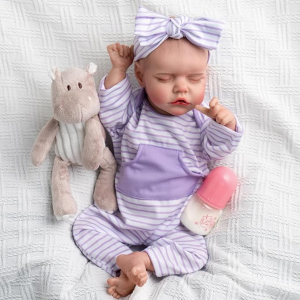
- Community Gardening: Getting hands in the soil is deeply therapeutic. Planting in raised beds or sorting large seeds lets residents safely interact with nature while practicing precision hand movements. Maintaining this fine motor dexterity is crucial; it allows seniors to easily grasp everyday objects or comfortably hold therapeutic items, such as a popular cloth-body vinyl reborn doll, during their calming sensory sessions.

Sensory Stimulation for Dementia
When developing the best therapy activities for dementia patients in nursing homes, tapping directly into the senses is incredibly effective. Sensory stimulation for dementia serves as a highly practical non drug dementia therapy. It allows residents to connect with their environment and find comfort even when verbal communication becomes difficult. In our experience working alongside memory care facilities across the country, actively engaging the senses is a reliable way to ground residents and stabilize their moods.👉 silicone reborn dolls for dementia therapy
Aromatherapy for Agitation Reduction
Familiar, pleasant smells can instantly trigger a sense of safety. We strongly recommend incorporating straightforward aromatherapy routines to calm the room and ease distress.
- Calming Scents: Lavender, chamomile, or vanilla are highly effective for agitation reduction in memory care.
- Nostalgic Smells: Aromas like cinnamon, pine, or fresh baked goods can spark positive emotional memories and even encourage a better appetite.
- Application: Stick to safe, passive delivery methods like essential oil diffusers or gentle hand massages using lightly scented lotions to reduce anxiety naturally.
Tactile Fabric Sorting
Keeping restless hands occupied is a daily priority in memory care. Tactile fabric sorting is a brilliant, safe fine motor activity for seniors that requires very little setup but delivers massive emotional returns.
- Varied Textures: Provide residents with a simple basket containing fabric squares of contrasting textures—smooth silk, ribbed corduroy, fluffy fleece, and crisp cotton.
- Purposeful Movement: The act of feeling, folding, and sorting these materials provides soothing sensory feedback and redirects anxious energy into a purposeful task.
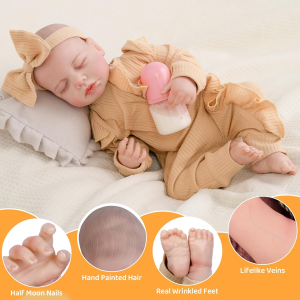
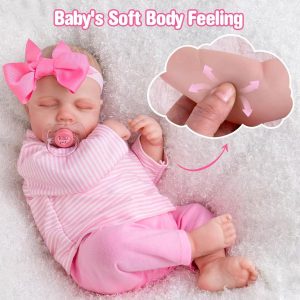
- Advanced Tactile Comfort: This hands-on engagement pairs perfectly with more advanced sensory interventions. For example, the incredibly soft, lifelike skin of the best silicone reborn dolls provides an unmatched tactile experience, giving residents a comforting, realistic texture to hold, stroke, and care for alongside their daily activities.
The Transformative Power of Doll Therapy in Emotional Care
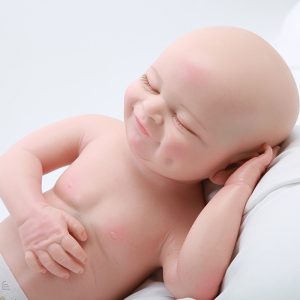
As a provider in this space, I’ve seen firsthand how crucial doll therapy for Alzheimer’s patients has become. When mapping out dementia activities in nursing homes, doll therapy isn’t just a diversion—it acts as a vital emotional anchor for residents navigating cognitive decline.
Fulfilling the Need to Nurture
The psychological mechanism behind this non drug dementia therapy is incredibly straightforward. It taps into the deep-seated, universal human instinct to nurture and care for another. Holding, rocking, and dressing a doll gives seniors a renewed sense of purpose and self-worth.
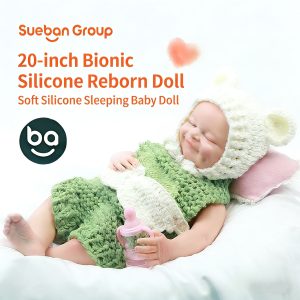
To maximize the effectiveness of these memory care activities, the realism of the doll matters. Facilities that source high-quality silicone reborn dolls provide a therapeutic tool with the proper weight and tactile feedback needed to genuinely comfort and ground patients.
Measurable Care Outcomes
The impact on daily life within a facility is immediate. Implementing lifelike reborn therapy dolls is recognized as one of the most reliable therapy ideas for elderly residents struggling with severe distress.
Key Benefits of Doll Therapy:
| Clinical Benefit | Direct Impact on Memory Care Residents |
|---|---|
| Increased Vocalization | Residents frequently talk, sing, or hum to the doll, stimulating dormant communication skills. |
| Reduced Wandering | Holding a “baby” provides a specific task, keeping restless patients safely seated and occupied. |
| Improved Cooperation | A grounded, calm resident is much easier for staff to assist during meals and bathing. |
By serving as a reliable focal point, this therapy drives significant agitation reduction in memory care units, making the daily routine smoother for both patients and staff.


Why Quality Matters in the Best Therapy Activities for Dementia Patients in Nursing Homes
When implementing doll therapy for Alzheimer’s patients, handing a resident a standard retail toy often backfires. To truly see the benefits of this non drug dementia therapy, the quality and build of the doll are everything.
Standard Toys vs. Lifelike Reborn Therapy Dolls
There is a massive difference between a mass-produced plastic toy and purpose-built lifelike reborn therapy dolls. Standard toys usually feel hollow and look artificial, which breaks the illusion that brings comfort to seniors. Therapeutic dolls, on the other hand, are specifically engineered to provide immediate sensory and emotional grounding.
Key Quality Features for Memory Care Facilities:
- Lifelike Realism and Weight: A therapeutic doll must feel like a real infant to be effective. We ensure our dolls feature properly weighted bodies to provide gentle deep pressure therapy. This realistic weight delivers trusted comfort and reduces agitation. For instance, utilizing a high-quality 19-inch silicone reborn baby doll provides the exact tactile feedback necessary to soothe restless hands and naturally trigger a calming, nurturing response.
- Institutional Safety Standards: We know that US nursing homes operate under strict regulatory scrutiny. Therapy items must be completely free of choking hazards, sharp edges, or easily detachable small parts.
- Hygiene and Certifications: In memory care activities, materials must be highly durable, non-toxic, and easy to sanitize. It is strictly required to use dolls backed by CE, CPC, ASTM, and ISO certifications. This guarantees that the items meet the rigorous safety and hygiene protocols required for daily institutional settings.
Sourcing B2B Wholesale Therapy Dolls
When outfitting nursing homes, sourcing high-quality lifelike reborn therapy dolls at scale is a critical step for successful memory care programs. As the manufacturer behind Sueban Group, we partner directly with healthcare providers across the United States to supply reliable, facility-wide non drug dementia therapy solutions.
Sueban Group OEM/ODM Benefits
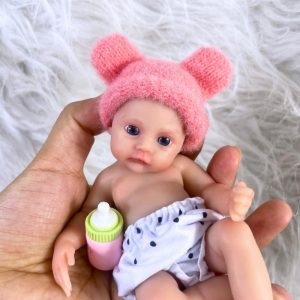
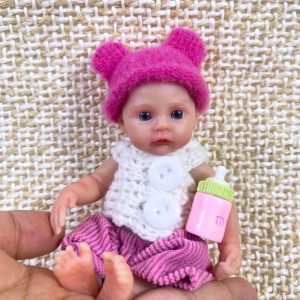
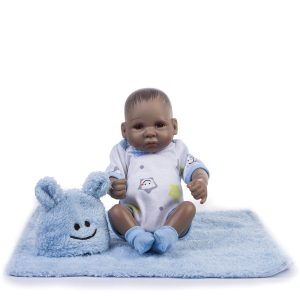
We understand that memory care facilities need durable and comforting products. Our manufacturing process focuses on safety, sensory engagement, and deep customization. For instance, our 12-inch platinum silicone premium dolls are crafted specifically to withstand institutional use while providing maximum emotional comfort.
- Platinum Silicone: Delivers an incredibly realistic, skin-like feel that is safe, non-toxic, and easy to sanitize.
- ComfortHold™ Technology: Ergonomically designed to feel natural, weighted properly, and secure in a senior’s arms.
- Facility Customization: Fully adaptable weight, size, and sensory features to meet the specific emotional needs of your residents.
Reliable Supply for Facility Rollouts
Rolling out a new dementia activities nursing home program requires a dependable supply chain. We streamline the procurement process for care centers, ensuring you get exactly what you need without tying up unnecessary capital or dealing with inventory shortages.
| Service Feature | Nursing Home Benefit |
|---|---|
| Low MOQs | Start with small trial orders before scaling up to facility-wide rollouts. |
| Direct Supply Chain | Consistent, on-time US deliveries without middleman delays or markups. |
| Dedicated B2B Support | Direct access to our manufacturing team for ongoing custom adjustments. |
Adapting the Best Therapy Activities for Dementia Patients in Nursing Homes
We know that tailoring memory care activities to a resident’s specific level of cognitive decline is critical. What engages a newly admitted senior will often frustrate someone in the advanced stages of the disease. To successfully implement dementia activities nursing home staff can consistently rely on, we must categorize our approach based on the progression of the illness.
Here is how we break down dementia stage-specific activities:
- Early Stage (Active & Social): In the beginning stages, residents still benefit greatly from complex cognitive exercises for seniors. Group social events, puzzle-solving, and active reminiscence therapies help maintain their independence, keep neural pathways active, and build a supportive community environment.
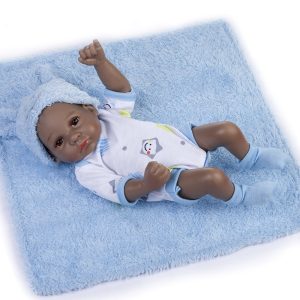
- Middle Stage (Sensory & Repetitive): As the disease progresses, we pivot toward sensory stimulation for dementia and structured, repetitive tasks. This is the optimal window for non drug dementia therapy interventions. Handing a resident a lifelike 18-inch vinyl reborn baby doll provides an immediate emotional anchor, fulfilling a deep-seated human need to nurture. We consistently see this specific therapy reduce agitation and curb wandering. We also utilize simple sorting chores during this stage to keep restless hands occupied with a sense of purpose.
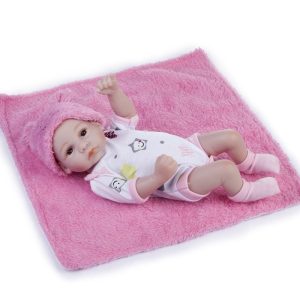
- Late Stage (Passive & Comforting): For advanced dementia, our therapy ideas for elderly residents transition entirely to passive sensory experiences. The primary goal becomes pure comfort. Gentle touch, hand massages, and soothing music replace active tasks. Even providing residents with soft, tactile items—like comforting reborn doll accessories or weighted blankets—keeps them relaxed and provides continuous, non-demanding stimulation.
By aligning the specific activity directly with the resident’s current stage, we ensure these non-pharmacological interventions actively improve their daily quality of life without causing overstimulation.
Safety Protocols for Memory Care Activities
When organizing the best therapy activities for dementia patients in nursing homes, safety and respect are our top priorities. Executing successful non drug dementia therapy requires staff to closely monitor both the physical environment and the emotional state of the residents.
Here are our essential best practices for keeping activities safe, effective, and respectful:
- Read Resident Moods: Always watch for early signs of frustration, fatigue, or overstimulation. If a resident becomes agitated, stop the activity immediately. Shift to a quiet environment or a soothing sensory task to prevent distress.
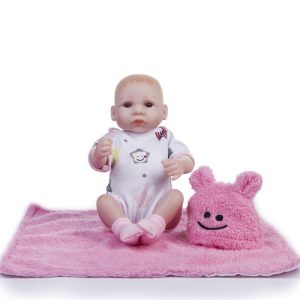
- Secure the Environment: Before starting any memory care activities, clear the room of tripping hazards, sharp objects, and toxic materials. Ensure all therapy tools meet strict institutional safety standards. For example, supplying a non-toxic, hypoallergenic platinum silicone baby doll guarantees a completely safe, hygienic, and tear-resistant option for tactile comfort.
- Treat Residents with Dignity: Never use baby talk or treat residents like children. Frame all therapy ideas for elderly residents as meaningful, adult responsibilities. Instead of saying “let’s play a game,” ask, “Could you help me sort these items?” This simple shift in language preserves their dignity and provides a genuine sense of purpose.

Owen is the second-generation founder of Sueban Group, a reborn doll manufacturer based in Guangdong, China. With over 20 years of family manufacturing heritage, Owen leads the company's B2B operations serving wholesalers, brands, and institutional buyers across 20+ countries.
Meet Owen →
 English
  Deutsch
  Français
  Español
  Italiano
  Nederlands