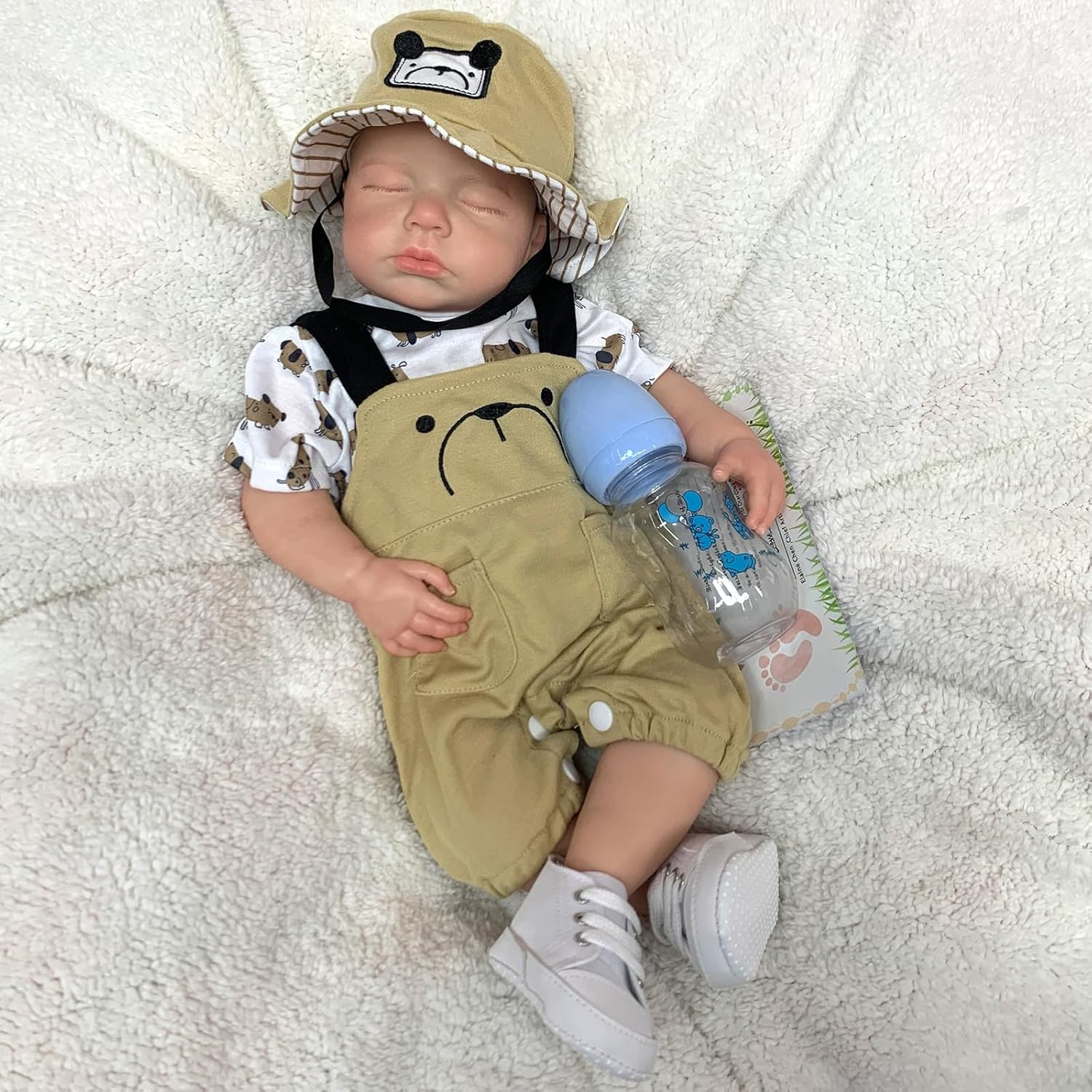
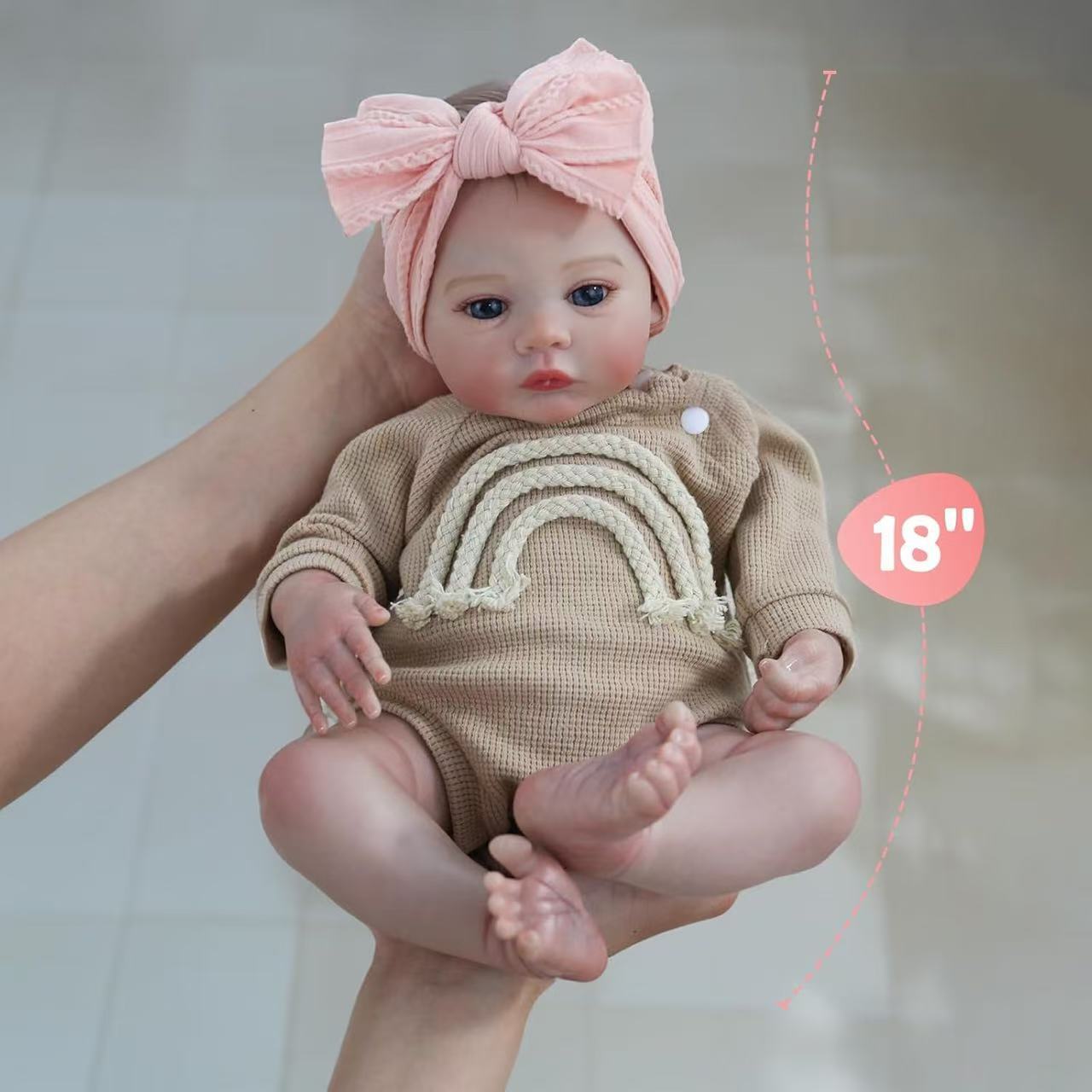
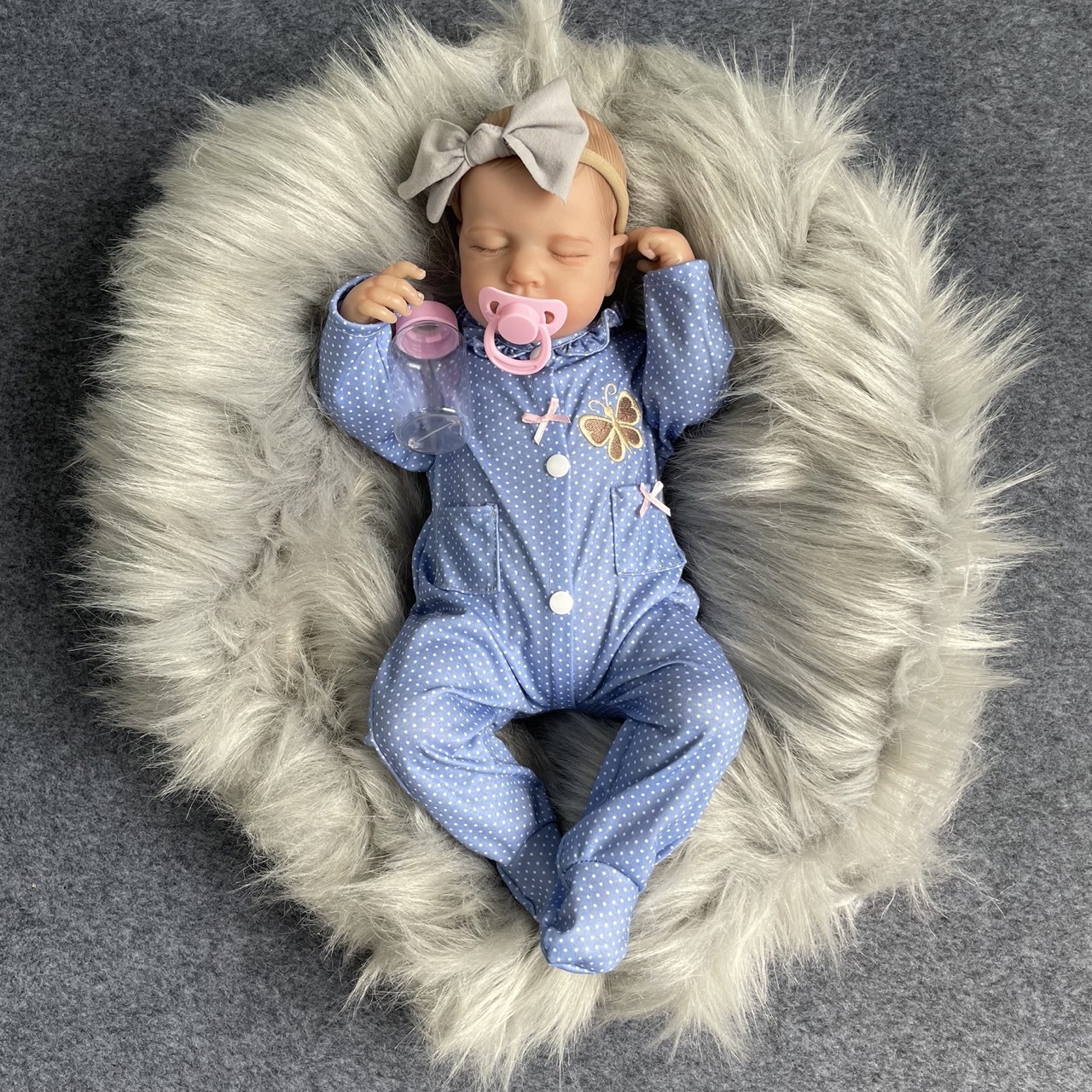
Assessing Company Background and Legitimacy
Before committing to a bulk order, I always prioritize verifying the foundation of a potential partner. The reborn doll manufacturer questions you ask at the start determine whether you are dealing with a middleman or the actual source. In this industry, transparency is the bridge to a successful long-term partnership.
Direct Factory vs. Trading Company
Knowing exactly who is making your dolls is non-negotiable. I recommend asking point-blank: Are you a direct factory or a trading company?
- Direct Factories: Offer better pricing, direct control over the doll manufacturing process, and faster communication regarding technical adjustments.
- Trading Companies: Might offer a wider variety of products but often at a higher markup and with less oversight on the production floor.
Industry Experience and Proven Track Record
Experience matters when dealing with the intricate details of vinyl reborn doll factory production. I look for partners who have navigated the market for at least 5–10 years.
- Years in Business: Ask how many years they have specialized specifically in reborn dolls, as the painting and rooting techniques are far more complex than standard toy manufacturing.
- Client References: A reliable doll supplier should be able to provide case studies or references from existing wholesale doll supplier clients or OEM partners in the United States or Europe.
In-House Design and Prototyping
A top-tier OEM doll manufacturer China or elsewhere must have the talent to back up their claims. I always verify if they have an in-house design and prototyping team.
| Capability | Why It Matters |
|---|---|
| Sculpting Team | Ensures unique, proprietary designs that aren’t “off-the-shelf” molds. |
| Prototyping | Allows for rapid adjustments to the look and feel before mass production. |
| IP Protection | In-house teams make it easier to sign and enforce Non-Disclosure Agreements (NDAs). |
Using a reborn doll factory checklist to vet these background details ensures that your brand’s reputation is built on a solid, professional foundation.
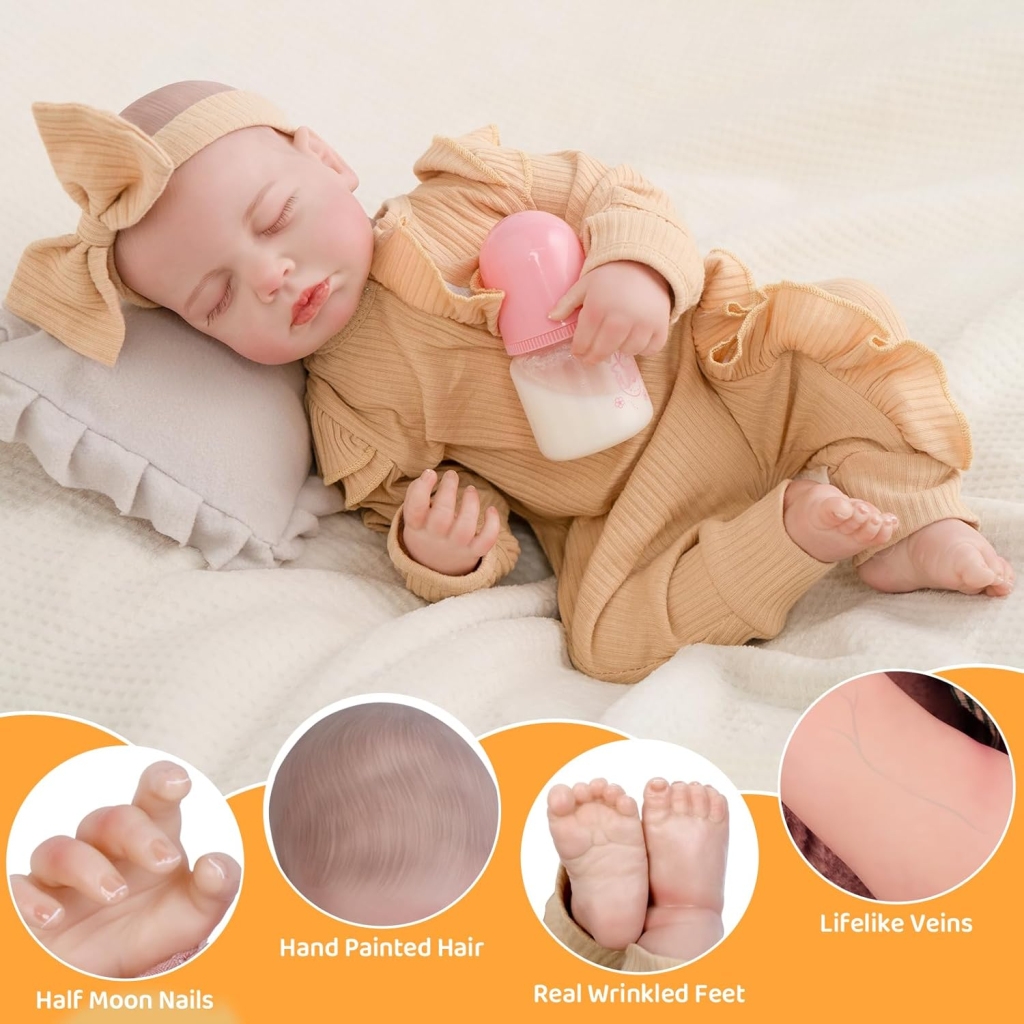
Evaluating Production Capabilities and Customization (OEM/ODM)
When I vet a reborn doll manufacturer, I need to know they can actually execute my vision. It’s not just about having a factory; it’s about having the technical skill to handle custom reborn doll production from a rough sketch to a finished product. I always dig deep into their specific capabilities to ensure they can meet the high standards of the US market.
Material Specialization and MOQs
The first thing I check is their material expertise. Whether you need medical-grade silicone or high-quality vinyl, the factory must prove they can handle the specific “real-feel” textures collectors expect. I also look for flexibility in their reborn doll MOQ (Minimum Order Quantity).
- Materials: Do they specialize in solid silicone, soft vinyl, or cloth body reborn dolls?
- MOQ Split: What is the minimum for a completely custom sculpt versus using their pre-made “open” molds?
- Scale: Can they handle a small boutique run of 500 units as easily as a mass-market order of 5,000?
The Prototyping and Production Workflow
A reliable vinyl reborn doll factory should offer a turnkey solution. I don’t want to hire a separate sculptor, a painter, and a tailor. I need a partner who manages the entire lifecycle. For a deeper look at this process, I often refer to this guide on custom reborn doll manufacturing.
- End-to-End Service: Can they handle everything from the initial clay sculpting and wax mold creation to hand-rooting hair and sewing custom outfits?
- Reborn Doll Prototyping: How long does it take to see a physical sample? Usually, a professional setup takes 3–6 weeks for a prototype.
- Cost Transparency: What is the exact cost for the prototype, and is that fee refundable once the bulk order is placed?
Knowing these details upfront prevents “production creep” and ensures that the final doll looks exactly like the original design.
Ensuring Reborn Doll Safety Standards and Quality Control
When I source from a factory, safety is my non-negotiable priority. In the United States market, compliance isn’t just a preference—it’s a legal requirement. I demand full transparency regarding the chemical composition of the materials used and the rigorousness of the testing protocols.
Critical Safety Certifications
I always verify that a manufacturer can provide valid test reports for the following standards:
- ASTM F963: The standard consumer safety specification for toy safety in the US.
- CPSIA: Ensures products are tested for lead and phthalates.
- EN71: Essential if you plan to distribute in the European market.
Material Integrity and Non-Toxic Components
The realism of a doll depends on high-quality materials, but those materials must be safe. I ensure that all silicone reborn dolls and vinyl components are made from medical-grade or food-grade materials. The paints must be non-toxic, eco-friendly, and resistant to fading or peeling, as these dolls are often handled frequently by collectors and children.
Rigorous Internal QC and Third-Party Inspections
A reliable reborn doll manufacturer must have a documented internal Quality Control (QC) process. This should include:
- Raw Material Inspection: Testing batches before production begins.
- In-Process Checks: Monitoring the painting, rooting, and assembly stages for consistency.
- Final Pre-Shipment Inspection: A 100% check on aesthetics and structural integrity.
I also maintain a firm policy of allowing third-party inspection companies (such as SGS or Intertek) to visit the factory. If a supplier hesitates to allow an outside eye to verify the reborn doll safety standards, it is a major red flag. Transparency in the production line is the only way to guarantee that the final product matches the approved prototype.
Pricing, Payment Terms, and Lead Times for Reborn Doll Manufacturing
When sourcing from a reborn doll manufacturer, transparency in financial and scheduling commitments is non-negotiable. I always insist on a detailed cost breakdown to avoid hidden surprises during the production phase.
Understanding the Total Investment
Before signing any contract, I require a line-item quote that covers every aspect of the project:
- Mold Fees: The upfront cost for custom sculpting and mold creation, which is a significant part of custom reborn doll production.
- Unit Price: Based on material (vinyl vs. silicone) and the complexity of the hand-painting.
- Packaging: Custom boxes, Certificates of Authenticity (COA), and any included accessories.
- Logistics: Estimated freight costs and import duties for the US market.
Standard Payment Terms and Production Schedules
For bulk orders, I typically follow industry-standard payment structures. Most reliable factories require a 30% deposit to initiate the manufacturing process, with the 70% balance due after a successful final quality inspection but before the goods leave the factory.
| Production Phase | Typical Timeline |
|---|---|
| Prototyping & Sculpting | 15–30 Days |
| Mass Production | 30–45 Days |
| Peak Season (Q3/Q4) | 45–60+ Days |
Managing lead times is critical, especially when preparing for the holiday season. I always ask how a factory handles “peak season” surges. A professional wholesale reborn doll supplier should have a clear buffer strategy or additional production lines to prevent delays that could impact retail inventory. If delays occur, I expect immediate communication and a revised timeline to adjust marketing and sales expectations accordingly. Ensuring your custom silicone reborn doll manufacturers have a proven track record of meeting deadlines is the best way to protect your bottom line.
Communication, Shipping, and After-Sales Support
When you are scaling your business, the relationship with your supplier doesn’t end once the payment clears. You need a partner who answers the phone and stands by their craftsmanship. I prioritize clear communication and ironclad logistics to ensure your wholesale reborn dolls arrive on time and in perfect condition.
Streamlining Logistics and Account Management
I recommend asking these specific questions to ensure a smooth B2B reborn doll sourcing experience:
- Dedicated Account Manager: Who will be my main point of contact? I expect a response within 24 hours to keep production on track.
- Shipping Terms (Incoterms): Do you offer DDP (Delivered Duty Paid)? For many US-based sellers, DDP is the best choice because the manufacturer handles customs and taxes, delivering directly to your door. We also provide FOB and EXW options if you prefer using your own freight forwarder.
- Defective Item Policy: How do you handle production errors? A reliable doll supplier should have a clear policy for replacements or credits if a shipment doesn’t meet the agreed-upon quality standards.
- Intellectual Property (IP) Protection: How are my custom designs secured? If you are investing in a unique sculpt, ensure the factory signs an NDA and guarantees your designs won’t be sold to competitors.
Protecting Your Investment
Reliability is the foundation of a long-term partnership. Beyond just the price, the way a reborn doll manufacturer handles after-sales support defines their professionalism. I make sure every client understands our commitment to reborn doll quality control from the factory floor to the final delivery. By locking in clear shipping terms and IP protections early, you safeguard your brand’s reputation and your bottom line.
Frequently Asked Questions About Reborn Doll Manufacturing
Navigating the world of reborn doll manufacturer questions can be tricky. I’ve compiled the most common concerns our B2B partners have to ensure you have a clear roadmap for your next order.
How do I verify a factory’s legitimacy?
To ensure you are working with a real factory and not a middleman, follow this reborn doll factory checklist:
- Request Documentation: Ask for a valid business license and export permits that match their corporate bank details.
- Live Video Tours: A legitimate OEM doll manufacturer in China will have no problem showing you their production line, painting rooms, and warehouse via a live video call.
- Third-Party Audits: Look for factories that have been audited by recognized bodies like SGS or Intertek.
What is the difference between OEM and ODM in doll making?
- OEM (Original Equipment Manufacturer): You provide the unique sculpts or 3D designs, and we handle the technical production. This is best for brands with proprietary artwork.
- ODM (Original Design Manufacturer): You select from our existing high-quality molds and customize the hair, eyes, and outfits. It’s a faster, more cost-effective way to launch. Understanding rebirth doll materials and types is essential when deciding which route fits your brand.
Can I order a single sample before committing to a bulk order?
Yes, and you should. I always insist on a sample phase so you can feel the vinyl texture and test the limb joints. Knowing how to spot quality in reborn dolls during the sample stage is the best way to ensure the final bulk shipment meets your expectations.
Why is safety certification so important for reborn dolls?
In the United States, reborn doll safety standards are not just a suggestion; they are a legal necessity for retail.
- ASTM F963 & CPSIA: These certifications prove the dolls are free from lead, phthalates, and choking hazards.
- Consumer Trust: Providing ASTM EN71 CPSIA dolls builds your brand’s reputation for quality and safety, which is a major selling point for American parents and collectors.
- Eco-Friendly Materials: We use non-toxic, medical-grade silicone and vinyl to ensure every doll is environmentally friendly and safe for long-term handling.
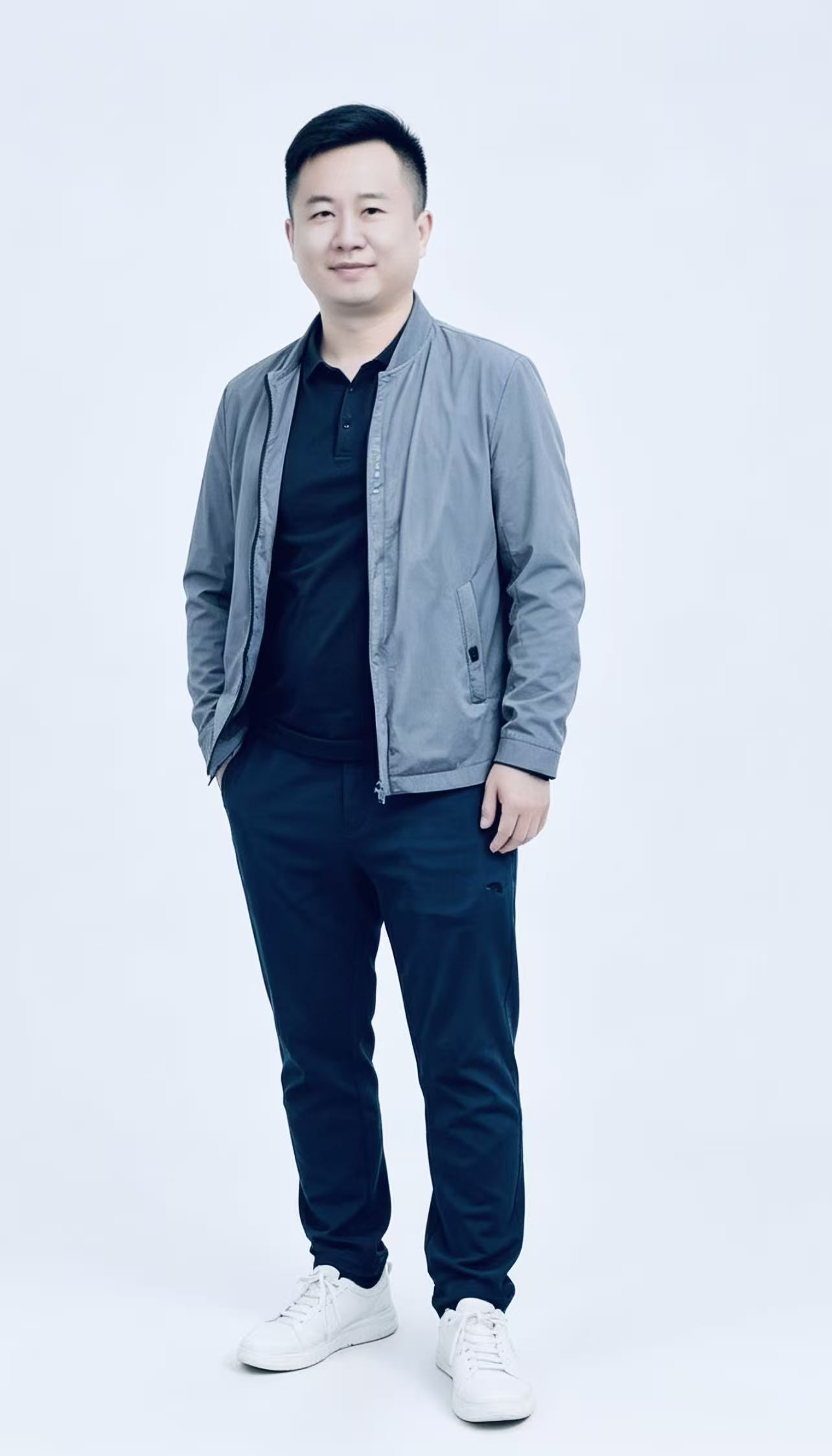
Owen is the second-generation founder of Sueban Group, a reborn doll manufacturer based in Guangdong, China. With over 20 years of family manufacturing heritage, Owen leads the company's B2B operations serving wholesalers, brands, and institutional buyers across 20+ countries.
Meet Owen →
 English
  Deutsch
  Français
  Español
  Italiano
  Nederlands