
The materials used in rebirth dolls greatly influence their realism, feel, and durability. Each material has its unique characteristics, advantages, and care requirements. The bodies of rebirth dolls are typically made of vinyl, silicone, or fabric. Here is a detailed introduction to each material:
Vinyl Of Realistic Baby Doll
Introduction: Vinyl is the most commonly used material for rebirth dolls, usually for the head and limbs. It has a firm yet slightly elastic texture. After coloring and fine finishing, vinyl can showcase realistic skin tones and subtle blood vessel textures, making the doll look incredibly lifelike.
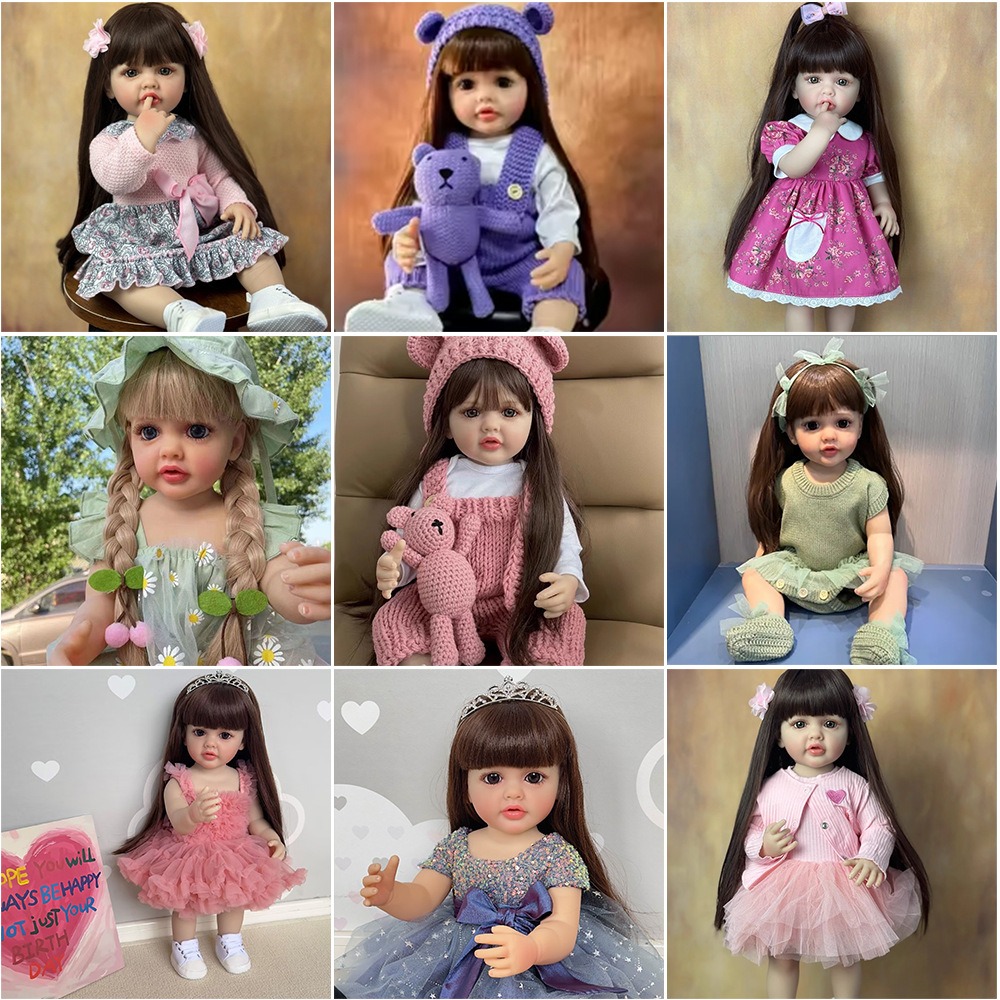
Difference from Silicone:
Vinyl is more durable and scratch-resistant than silicone.
It’s easier to clean; you can wipe it with a damp cloth without worrying about water damage.
While not as soft as silicone, vinyl still provides a realistic feel.
Vinyl dolls are generally more affordable, making them suitable for collectors on a budget.
Vinyl Rebirth Doll Production Process:
Step1: Mold Making: A high-precision silicone mold is created based on the original sculpture.
Step2: Injection or Casting: Liquid vinyl is poured into the mold, or injection molding is performed using a machine.
Step3: Baking/Heating: The vinyl material is baked to cure and fully harden.
Step4: Sanding and Polishing: Edges and seams are carefully sanded, and nail and facial details are meticulously finished.
Step5: Coloring: Multiple layers of hand-painted skin tone, blush, and fine blood vessel textures create a realistic effect.
Step6: Hair Implantation: High-quality baby hair or synthetic fibers are carefully implanted.
Assembly: Attach the limbs and head to the body, which can be made of fabric or a molded vinyl torso.
Advantages:
Durable and long-lasting
Easy to clean
Realistic skin tones and details
Affordable, ranging from $80 to $250
Vinyl retains its shape for a long time and can be displayed for extended periods
Versatile uses: Suitable for photography, display, gentle play, and entry-level collections
Silicone Material Of Realistic Baby Doll
Introduction: Silicone reborn dolls are favored for their ultra-soft, realistic skin feel. The entire doll or just the head and limbs can be made of silicone, providing a tactile experience remarkably similar to a real baby.
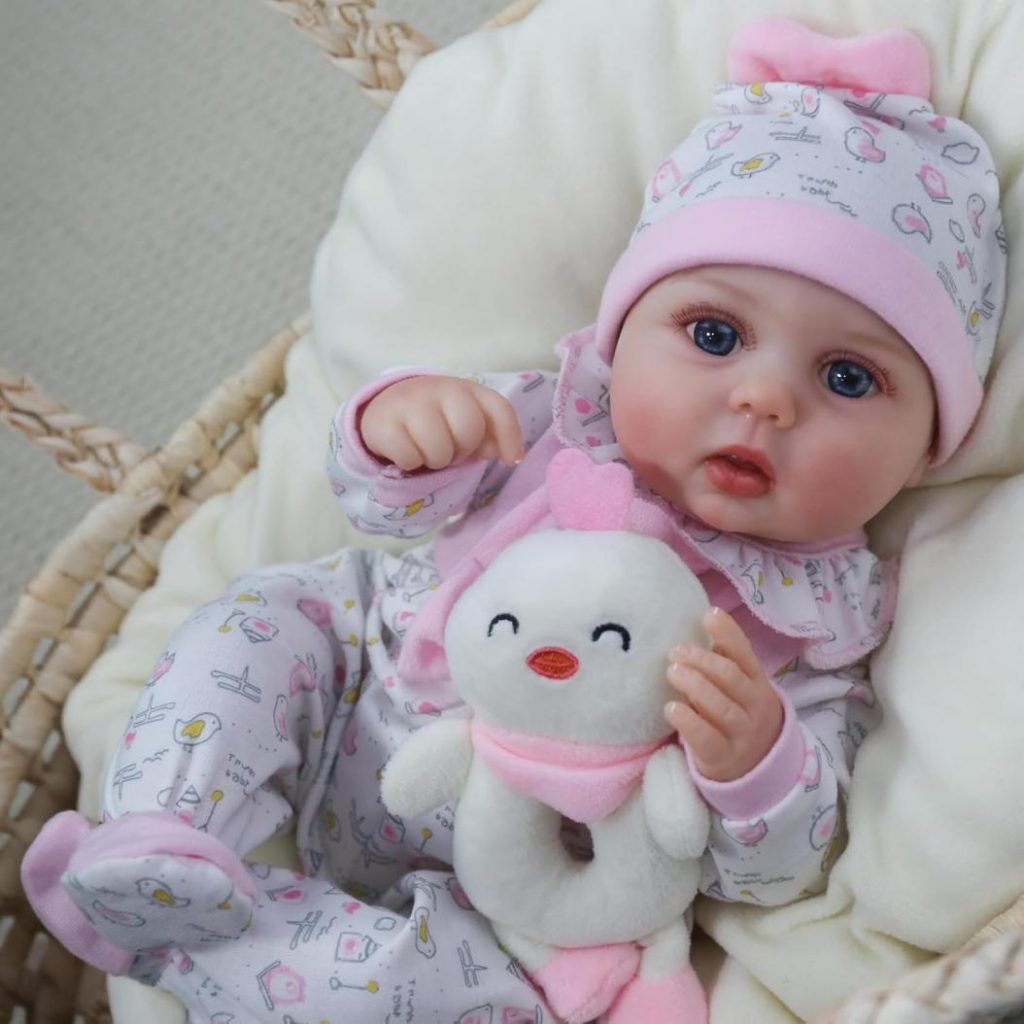
Silicone Material Differences from Vinyl Material :
Silicone is softer and more flexible than vinyl.
Limbs can bend 30°–45°, allowing for natural poses.
Complex manufacturing process and higher price.
Production Process:
Step1: Mold Making: Create a high-precision silicone mold.
Step2: Pouring and Degassing: Pour molten silicone into the mold, remove air bubbles, and ensure a smooth surface.
Step3: Curing: Apply temperature control to maintain softness and durability.
Hand-painting: Apply 20–40 layers of silicone-specific pigment to create blood vessels, blush, and skin tone.
Step4: Hair Implantation: Individual hairs are implanted at a density of 80–120 hairs per square centimeter to create a natural and realistic effect.
Step5: Assembly: Attach the silicone limbs and head to a fabric or weighted body.
Step6: Fine Finishing: Nails, lips, and skin texture are meticulously polished.
Advantages:
Ultra-realistic touch
Realistic weight for a lifelike experience
Highly refined appearance with naturally realistic blood vessels, blush, and skin tone
Limbs can bend naturally in sitting or lying positions
Fabric Body Of Realistic Baby Doll
Description: The torso of the fabric doll is made of soft stuffed fabric, while the head and limbs are made of vinyl or silicone. This design enhances comfort and realism when holding or hugging the doll.
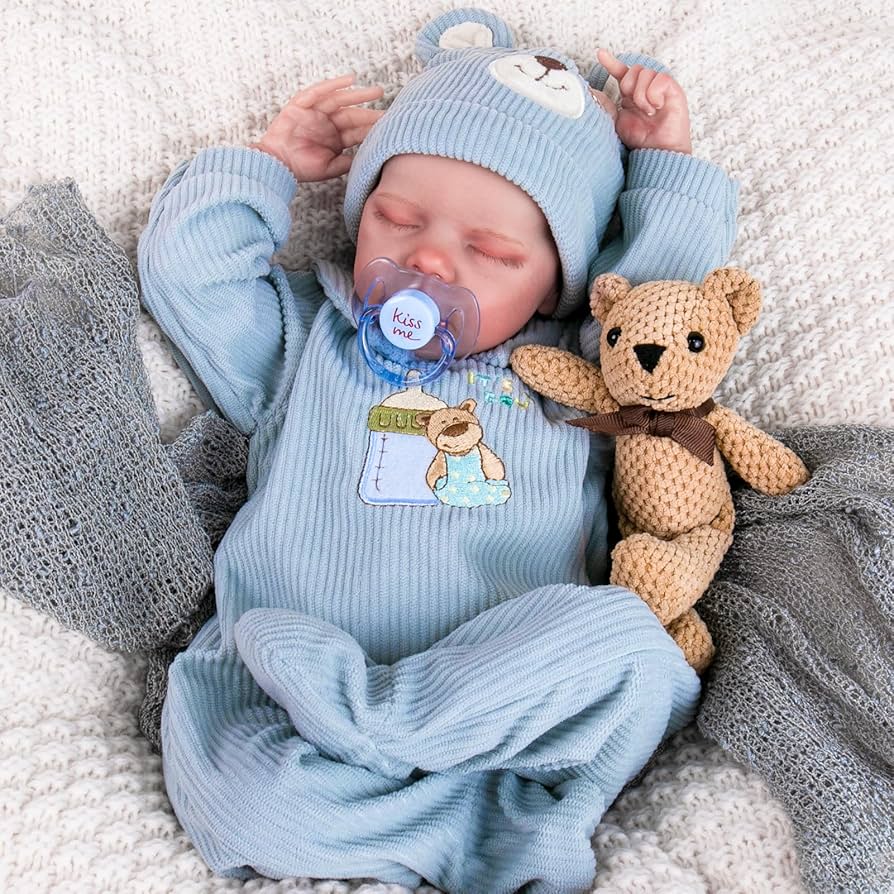
Differences from Vinyl and Silicone:
Exceptionally soft and comfortable to the touch; provides a more realistic “hug” experience
Natural weight distribution for easy holding or posing
Not suitable for washing
Production Process:
Step1: Cutting and Sewing: High-quality fabric is sewn into the doll’s body shape.
Step2:Stuffing: Cotton or weighted beads (600–1200 grams depending on size) are added for realistic weight.
Step3:Attaching Limbs and Head: Vinyl or silicone parts are securely attached.
Step4:Adding Weight: Optional beads or sandbags create realistic body weight.
Step5:Final Inspection: Ensures seams, balance, and posture are natural.
Advantages:
Soft and Comfortable: Shore A hardness of 0.3–0.5, very gentle to the touch.
Realistic Weight Distribution: Total doll weight 1.2–2.0 lbs, similar to a real newborn.
Safe: Soft body won’t injure hands; suitable for parent-child interaction.
Highly Interactive: Ideal for photography, play, or display; cuddly and enjoyable.
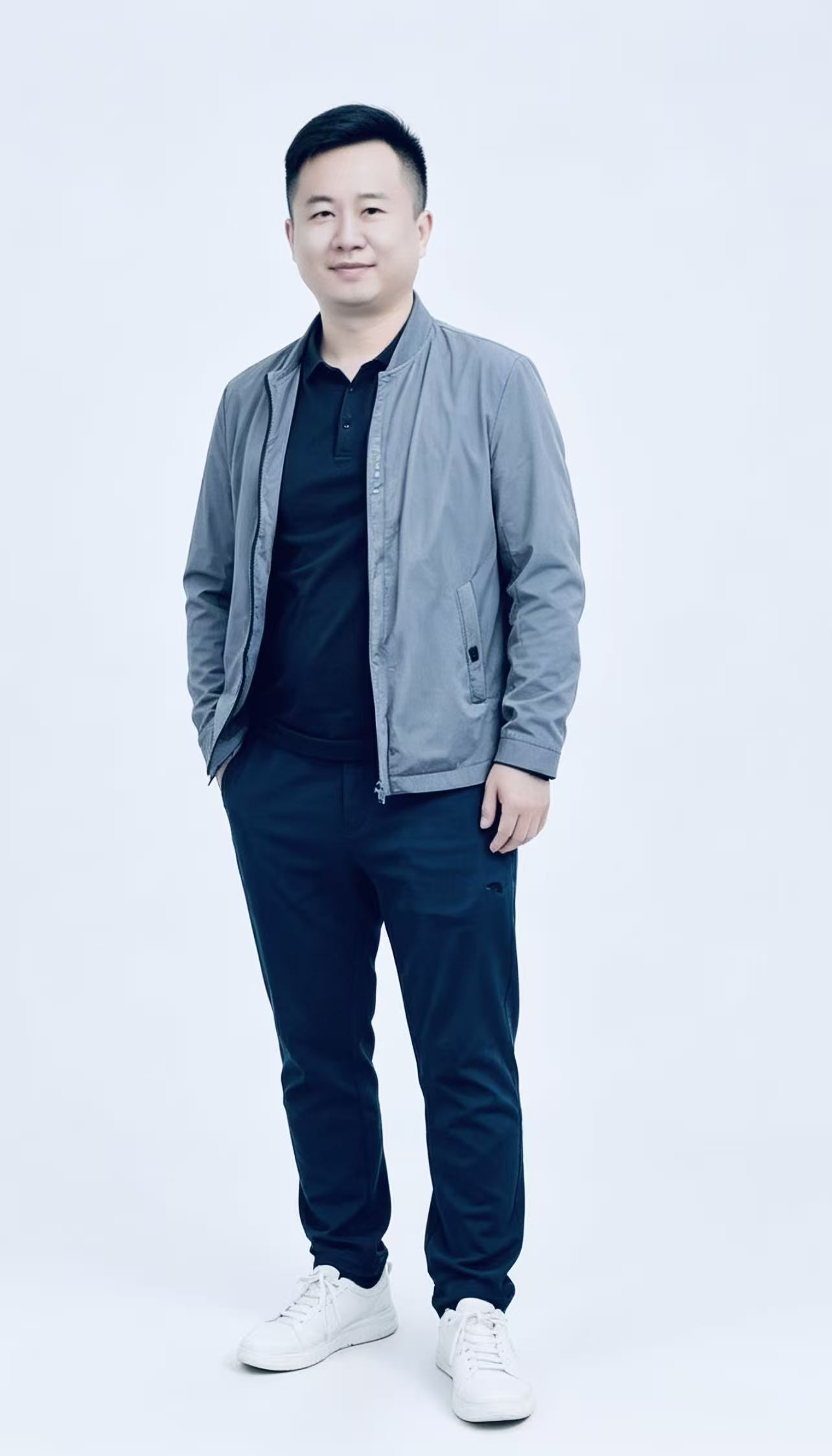
Owen is the second-generation founder of Sueban Group, a reborn doll manufacturer based in Guangdong, China. With over 20 years of family manufacturing heritage, Owen leads the company's B2B operations serving wholesalers, brands, and institutional buyers across 20+ countries.
Meet Owen →
 English
  Deutsch
  Français
  Español
  Italiano
  Nederlands