
2026 Reborn Doll Trends: Silicone, Collecting & Realism
The reborn doll market continues to attract collectors, retailers, and businesses looking for realistic baby dolls with distinctive designs and lifelike details. From soft silicone models to carefully painted vinyl dolls, today’s products serve a wide range of preferences, budgets, and business needs.
In 2026, several themes are worth watching: interest in realistic materials, growing variety in doll designs, more customization options, and greater attention to product quality. At the same time, buyers are becoming more careful about material specifications, supplier reliability, and the differences between factory-made products and individually crafted dolls.
For retailers, distributors, and brands, understanding these trends can help with product selection and sourcing decisions. This guide explores the materials, styles, customization options, and supplier considerations shaping the reborn doll market.
What Are Reborn Dolls and Why Do People Collect Them?
Reborn dolls are realistic baby dolls designed to resemble real infants through detailed sculpting, painting, and finishing. Depending on the model, they may feature subtle skin-tone variations, delicate facial details, rooted hair, realistic hands and feet, and weighted bodies.
The production process varies by product type. Independent artists may transform doll kits through multiple layers of paint and extensive hand-finishing. Commercial manufacturers typically use established production processes to create consistent products across a model range. Some dolls emphasize detailed artistic work, while others focus on affordability, repeatable quality, and availability for retail.
People collect reborn dolls for different reasons. Some appreciate the craftsmanship and realism, while others enjoy photographing, dressing, or displaying their dolls. Certain collectors also value dolls as personal keepsakes or creative collectibles.
Reborn dolls are sometimes used in photography, personal remembrance, or care-related activities. However, their suitability for a particular care setting depends on the individual’s needs, the product’s construction, and the guidance of relevant professionals.
The market includes individual collectors as well as B2B buyers. Retailers, distributors, online businesses, and specialist suppliers may look for products that suit different customer groups. For these buyers, a successful product range often combines appealing designs with clear specifications, consistent quality, and dependable supply.
Silicone vs. Vinyl: Choosing the Right Reborn Doll Material
Material selection is one of the most important factors when choosing a reborn doll. Silicone and vinyl offer different tactile qualities, production requirements, and price points. Understanding these differences helps buyers match products to their customers’ expectations.
Full-Body Silicone Reborn Dolls
Full-body silicone dolls are valued for their soft, flexible feel. The material can compress under gentle pressure and return toward its original shape, depending on the formulation and construction.
These qualities make silicone a popular option for buyers seeking a more lifelike tactile experience. Detailed sculpting and careful finishing can further enhance the appearance of the doll.
Platinum-cure silicone is one material option used in silicone doll manufacturing. The finished product’s performance depends on the silicone formulation, curing process, mold quality, and production controls. Buyers should evaluate the actual model rather than assuming that the material name alone guarantees a particular level of quality.
For B2B buyers, it is important to confirm the material used throughout the doll, along with the product’s weight, care instructions, and available documentation.
Vinyl Reborn Dolls
Vinyl is widely used for reborn doll heads and limbs. It supports detailed sculpting and painting and can be used in a range of product designs.
Many vinyl reborn dolls have vinyl heads and limbs with a cloth body. This construction offers a different feel from a full-body silicone doll and may suit customers who prefer a lighter or more budget-friendly option.
Vinyl dolls also provide manufacturers with flexibility when developing different sizes, facial designs, clothing combinations, and retail product ranges.
How Should Wholesale Buyers Compare the Materials?
There is no single material that is best for every business. The right choice depends on the intended customer, target retail price, product design, and expected use.
When comparing suppliers, consider the following:
Material composition: Confirm whether the head, limbs, and torso are silicone, vinyl, cloth, or a combination.
Product feel: Compare softness, flexibility, weight, and surface finish where possible.
Appearance: Review facial details, skin-tone finishing, hair options, and overall proportions.
Care requirements: Ask for the manufacturer’s cleaning and handling instructions.
Production costs: Compare the complete quotation, including customization, packaging, and other applicable charges.
Shipping requirements: Consider product weight, carton dimensions, order quantity, and shipping method.
Comparing these factors helps buyers choose products based on their actual business needs rather than material labels alone.
Custom Reborn Dolls: Personalization and Brand Development
Customization allows retailers and brands to create product ranges that better reflect their market positioning. Depending on the manufacturer’s capabilities, buyers may be able to select options from existing models or develop a more distinctive design.
Common customization options include skin tone, eye style, hair color, hairstyle, clothing, accessories, and packaging. Some projects may also involve changes to facial features, body proportions, or the original mold.
Customizing Existing Models
For businesses that want to expand their product range without developing an entirely new doll, modifying an existing model may be a practical starting point.
Depending on the product, customization may include different clothing sets, skin tones, hairstyles, or accessories. These changes can help retailers offer more variety while using an established product design.
Buyers should confirm which options are available for each model, whether there are minimum quantities for customized components, and how the changes affect pricing and lead time.
Developing an Original Doll Design
Brands seeking a distinctive product may require custom sculpting or new molds. This process generally involves more development work than selecting options from an existing model.
A typical development process may include:
Reviewing the project requirements and reference images.
Preparing drawings or 3D designs for review.
Refining the design according to agreed revision terms.
Confirming the final design before mold making.
Producing and reviewing a physical prototype.
Approving the product specifications before mass production.
The exact process depends on the project. Buyers should clarify the number of design revisions included in the quoted fee and confirm when additional charges may apply.
It is especially important to approve the design carefully before mold production. Changes made after a mold has been completed may require additional tooling work or a new mold, depending on the modification.
Planning Customization Costs and Lead Times
Customization costs depend on the scope of the project. Adjusting clothing or packaging may require less development than creating a new face, body, or mold.
Production timelines also vary according to design complexity, material selection, prototype approval, order quantity, and factory capacity.
Before starting a custom project, discuss the following with the manufacturer:
Development and tooling fees
Minimum order quantity
Included revision rounds
Prototype production and approval
Ownership of molds and designs
Bulk production lead time
Applicable product testing and documentation
Clear agreements help both sides understand the project scope and reduce the risk of delays or unexpected costs.
Reborn Doll Styles Trending in 2026
Reborn doll styles range from realistic newborn designs to imaginative fantasy creations. Different customers have different preferences, so retailers should consider their target audience when selecting products.
Realistic Newborn Dolls
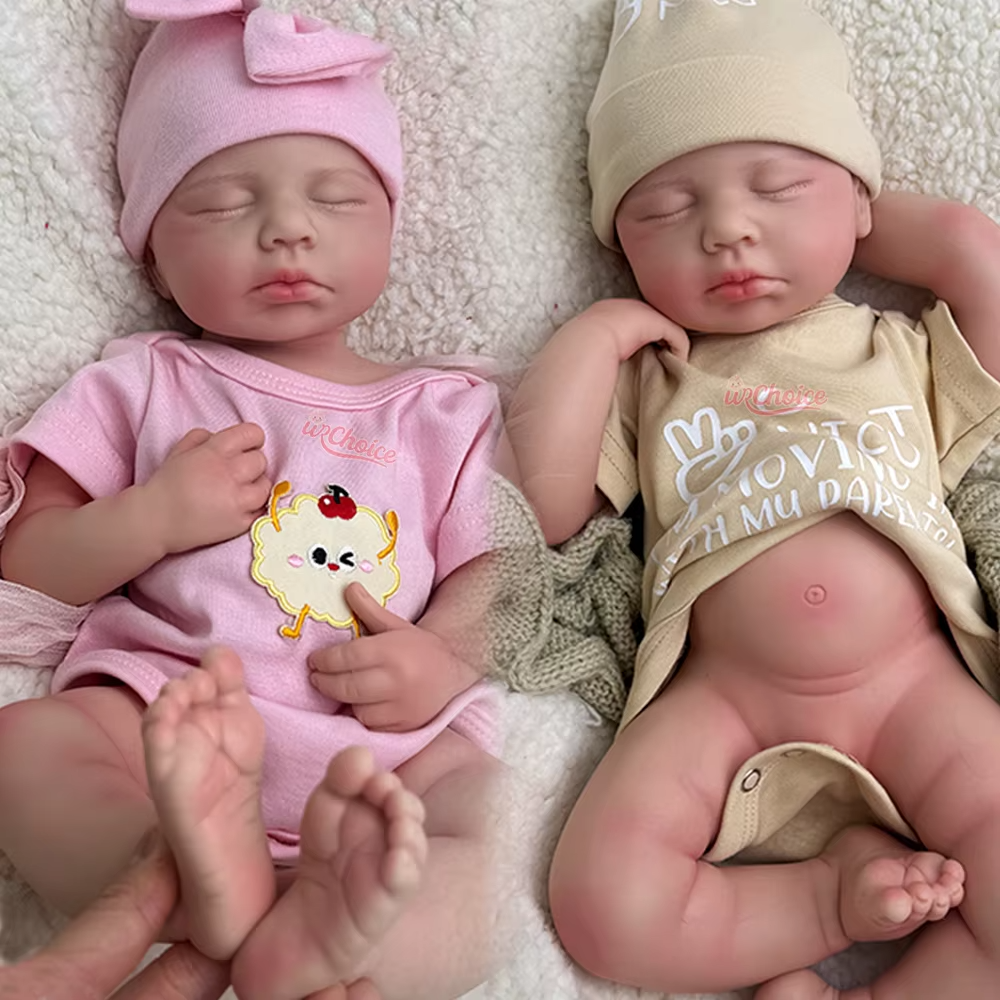
Realistic newborn designs remain an important part of the reborn doll category. They often feature delicate facial proportions, carefully finished hands and feet, subtle skin-tone variations, and newborn-inspired expressions.
For collectors who value realism, small details can make a difference. Facial sculpting, eye style, hair placement, and the overall balance of the design all contribute to the final appearance.
For manufacturers, consistency in these details is important when producing multiple units of the same model.
Preemie-Style Reborn Dolls
Preemie-style dolls are designed with proportions inspired by premature infants, often featuring smaller bodies and relatively large heads.
These designs may appeal to collectors who prefer smaller dolls or are interested in distinctive newborn proportions. Their development requires attention to sculpting details and structural durability so that the finished doll can withstand normal handling.
Businesses considering this category should evaluate the size, materials, finish, and target customer before adding products to their inventory.
Diverse Skin Tones and Facial Features
A varied product range can help retailers serve customers with different preferences. Buyers may look for dolls representing a range of skin tones, hair types, and facial features.
Developing varied designs involves more than changing the surface color. Sculpting, facial proportions, hair choices, and finishing details all contribute to the final appearance.
For B2B buyers, discussing available models and customization capabilities with the manufacturer can help identify options suited to their target market.
Fantasy and Creative Reborn Dolls
Fantasy-inspired designs offer an alternative to traditional newborn realism. Depending on the collection, these dolls may include imaginative skin colors, elf-like features, animal-inspired details, or other creative elements.
They may appeal to customers who prefer unusual collectibles or distinctive display pieces.
Retailers should evaluate whether these styles fit their brand identity and customer base. Offering a balanced selection of realistic and creative designs can provide variety without making the product range difficult to manage.
How to Evaluate Reborn Doll Quality
Whether purchasing a doll for personal enjoyment or sourcing wholesale inventory, buyers should look beyond product photographs. Materials, finishing, construction, documentation, and supplier reliability all influence the overall buying experience.
1. Check Material Composition
Confirm what the doll is made of. A full-body silicone doll differs from a vinyl doll with a cloth body or a hybrid design.
Ask the supplier to specify the materials used for the head, arms, legs, and torso. Clear product descriptions help prevent misunderstandings about texture, flexibility, and care requirements.
2. Review Painting and Surface Finish
Careful painting can create depth and variation in a doll’s appearance. Depending on the design, details may include subtle shading around the cheeks, hands, feet, and skin creases.
For wholesale orders, buyers should review a representative sample and agree on acceptable quality standards before mass production. This is particularly important when the same model will be ordered repeatedly.
3. Examine Hair and Facial Details
Hair options vary by model and may include rooted hair, wefts or hair pieces, or a bald style.
For rooted-hair designs, review the hair distribution and finishing. Facial features, eye style, mouth shape, and overall proportions should also match the approved product specifications.
Where possible, request clear photographs or videos of the actual model rather than relying exclusively on general catalog images.
4. Verify Product Documentation
Documentation requirements depend on the product and destination market. Buyers should ask which documents are available for the specific model and whether they apply to the actual materials, accessories, and product configuration being purchased.
Where relevant, request applicable test reports, declarations, or other compliance documents. Do not assume that documentation for one model automatically covers every product in a supplier’s range.
5. Review Design Rights
For artist-made dolls, buyers may value sculptor information or certificates of authenticity. For factory-made products, it is important to confirm that the supplier is authorized to manufacture and sell the designs being offered.
For custom development projects, written agreements should clearly identify ownership of designs, molds, and related intellectual property.
6. Compare the Total Cost
The quoted product price may not include customization, packaging upgrades, shipping, import duties, or taxes.
Wholesale buyers should request a clear quotation and check which expenses are included. Comparing the total landed cost provides a more realistic basis for evaluating suppliers.
7. Assess Supplier Reliability
A dependable supplier should communicate clearly, explain product specifications, and provide realistic information about production schedules and order requirements.
Before placing a large order, consider requesting samples, reviewing quality control procedures, and agreeing on packaging, delivery schedules, and the process for handling defects.
These steps can help reduce sourcing risks and support a more reliable long-term business relationship.
Reborn Doll Manufacturer vs. Independent Artist: Which Is Right for You?
Factory production and independent artist commissions serve different needs. The right option depends on purchasing quantity, customization requirements, budget, and the intended customer.
| Factor | Factory Manufacturer | Independent Artist |
|---|---|---|
| Production approach | Uses established processes and product specifications | Creates pieces through an individual artistic process |
| Order quantities | Can support wholesale orders subject to MOQ and capacity | Often focuses on individual commissions or smaller quantities |
| Unit cost | Production at scale may lower the cost per unit | Individual hand-finishing may result in higher prices |
| Product consistency | Standardized processes can support consistency across units | Each piece may have individual variations |
| Customization | Options depend on existing models and development capabilities | May offer direct collaboration on artistic details |
| Lead time | Depends on stock, order quantity, and production schedule | Depends on the artist’s workload and project complexity |
| Best suited for | Retailers, distributors, brands, and repeat orders | Collectors seeking individually crafted pieces |
For wholesale buyers, evaluating a factory involves more than comparing prices. Ask about product specifications, material options, quality control, customization services, production capacity, and relevant documentation.
For custom projects, confirm whether the manufacturer can work from reference images or 3D designs, how many revisions are included, whether physical prototypes are available, and who owns the resulting molds and designs.
Independent artists may be a better fit for buyers seeking individual artistic interpretation. Factory manufacturing may be more suitable for businesses that need repeatable products and a consistent supply.
Some retailers may choose to work with both channels, using factory-produced dolls for their core inventory and individually crafted pieces for a specialized customer segment.
Therapeutic and Memorial Reborn Dolls
Some reborn dolls are used in care-related settings or created as personal memorial objects. These applications require thoughtful product selection and clear expectations.
In certain dementia care settings, doll-based activities may provide comfort for some residents. However, individual responses vary, and reborn dolls should not be marketed as a guaranteed treatment for agitation, anxiety, or other medical symptoms. Care teams should consider the person’s preferences, dignity, and response when deciding whether such activities are appropriate.
For businesses supplying care facilities, practical features may include manageable weight, secure construction, suitable surface materials, and clear cleaning instructions. Buyers should confirm whether the product meets the hygiene and safety requirements of its intended environment.
Silicone and vinyl models have different surface properties and care requirements. A soft texture alone does not establish that a doll is suitable for healthcare use, so buyers should evaluate the complete product specification.
Memorial reborn dolls may be commissioned by families who wish to create a keepsake in memory of a baby. Depending on the project, customization may involve specific facial details, skin tones, or other visual characteristics. These projects can carry significant emotional meaning, so communication should be respectful and expectations should be agreed upon carefully.
For B2B buyers serving these specialized markets, durability, product consistency, cleanability, and transparent product information may be particularly important.
Common Mistakes to Avoid When Buying Reborn Baby Dolls
A few common mistakes can lead to unexpected costs or products that do not match the buyer’s expectations.
Assuming All Silicone Dolls Are Full-Body Silicone
The term “silicone doll” does not always mean that every part of the doll is made from silicone. Some models combine vinyl heads or limbs with cloth bodies or other materials.
Always confirm the construction of the head, limbs, and torso before purchasing.
Ignoring Customization and Tooling Costs
A quoted price may cover only the finished product or a defined part of the development process. Custom designs may involve separate fees for 3D modeling, molds, prototypes, and revisions.
Ask for a breakdown of the costs before approving a project.
Overlooking Import and Shipping Expenses
For international orders, the total cost depends on more than the unit price. Packaging, shipment size, freight charges, import duties, and taxes may affect the final landed cost.
Request a clear quotation that identifies which costs are included and which are payable separately.
Relying Only on Photographs
Photographs may not fully show the doll’s weight, texture, flexibility, or finishing quality.
Where possible, request additional photographs, videos, product specifications, or a physical sample before placing a significant order.
Choosing a Supplier Based on Price Alone
A low unit price may not represent the best value if product consistency, communication, or delivery performance is unreliable.
Compare suppliers based on product quality, material specifications, production capacity, customization options, order terms, and relevant documentation.
Where Reborn Doll Trends May Head Through 2027
The reborn doll market may continue to evolve as manufacturers, artists, and retailers explore new design tools, product features, and sourcing practices. These developments are possibilities rather than guaranteed outcomes.
Digital Design and Customization
Digital design tools can help buyers and manufacturers review proportions, compare facial features, and communicate changes before creating physical prototypes.
However, the final result still depends on sculpting, material behavior, production methods, and quality control. Buyers should confirm which digital design services a manufacturer actually provides.
Interactive Product Features
Some premium doll concepts explore features such as simulated breathing, heartbeat effects, or warming mechanisms.
These features may appeal to certain customers, but they can also increase product complexity, cost, maintenance needs, and safety considerations. Buyers should review actual product specifications and supporting documentation before marketing interactive features.
Material Use and Production Efficiency
Manufacturers may continue exploring ways to improve production efficiency, reduce material waste, and optimize packaging.
Environmental claims about recycled content, bio-based materials, or reduced environmental impact should be supported by appropriate evidence. Buyers interested in sustainability should request specific material information rather than relying on broad claims.
Clearer Product Information for Online Buyers
Online product videos, detailed photographs, and accurate descriptions help buyers compare products before purchasing.
For manufacturers and B2B suppliers, providing clear specifications, organized catalogs, and practical customization information can make sourcing easier for retailers and distributors.
Product Development Based on Customer Needs
Rather than relying on predictions alone, businesses can monitor customer inquiries, repeat purchases, and product performance when deciding which styles to develop.
A balanced product range, reliable manufacturing, and clear communication may be more valuable than following every emerging trend.
Finding the Right Reborn Doll Manufacturer for Your Business
The reborn doll market offers a wide range of materials, styles, and customization possibilities. Whether you are sourcing vinyl reborn dolls, full-body silicone dolls, or products developed for a specific customer group, understanding the differences between materials and manufacturing methods can help you make more informed purchasing decisions.
For B2B buyers, choosing the right reborn doll manufacturer involves more than comparing unit prices. Product consistency, material quality, customization capabilities, production planning, and clear communication all contribute to a reliable supply partnership.
At Sueban Group, we manufacture realistic vinyl and platinum silicone reborn dolls for retailers, brands, distributors, and care-related businesses. Buyers can explore existing models for bulk purchasing or discuss custom development options based on their product requirements.
If you are planning to expand your reborn doll range or develop products for your own brand, contact the Sueban Group team to discuss your requirements. We can help you explore available models, material options, customization possibilities, and suitable manufacturing arrangements for your target market.

Owen is the second-generation founder of Sueban Group, a reborn doll manufacturer based in Guangdong, China. With over 20 years of family manufacturing heritage, Owen leads the company's B2B operations serving wholesalers, brands, and institutional buyers across 20+ countries.
Meet Owen →
 English
  Deutsch
  Français
  Español
  Italiano
  Nederlands