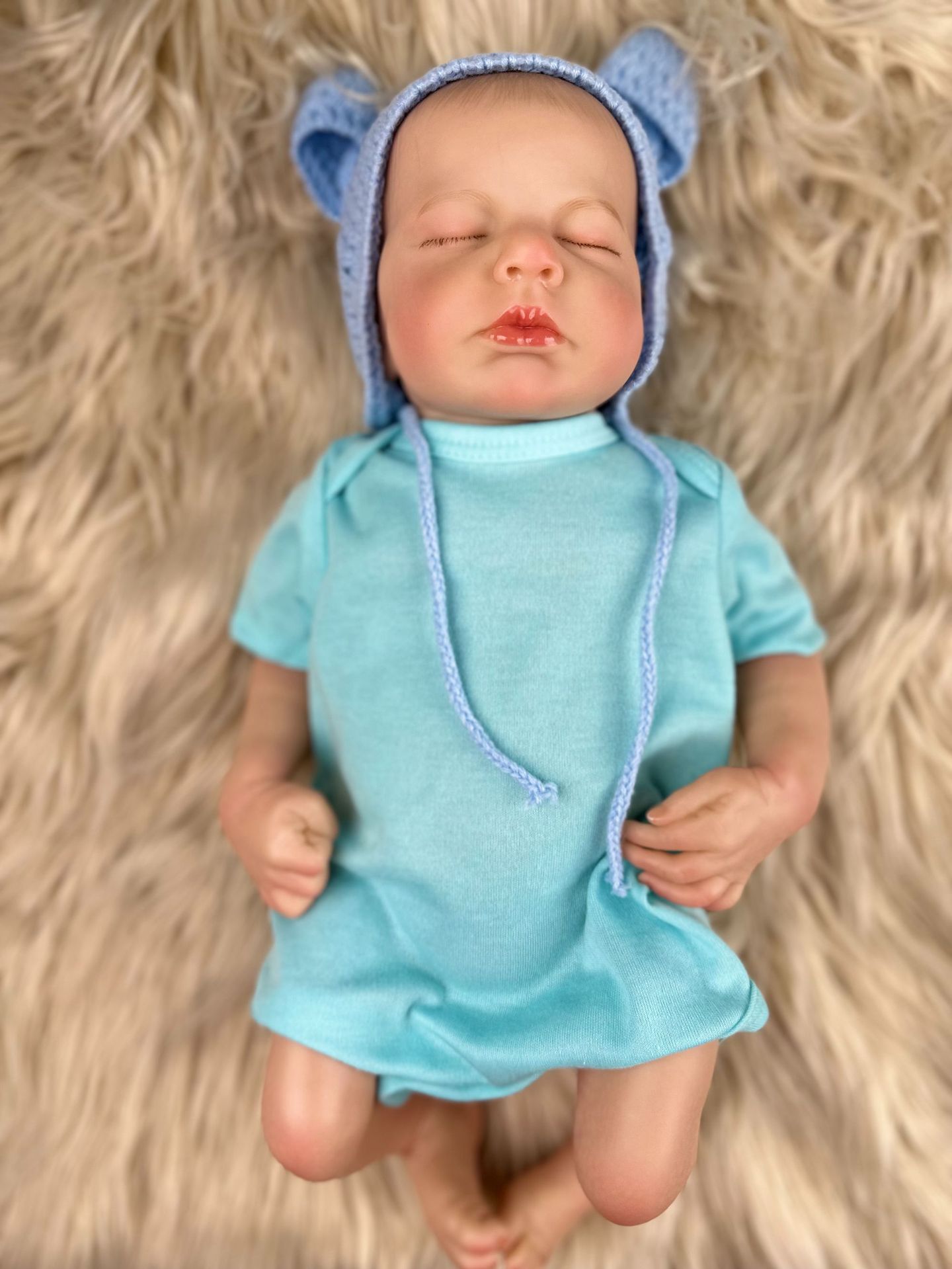
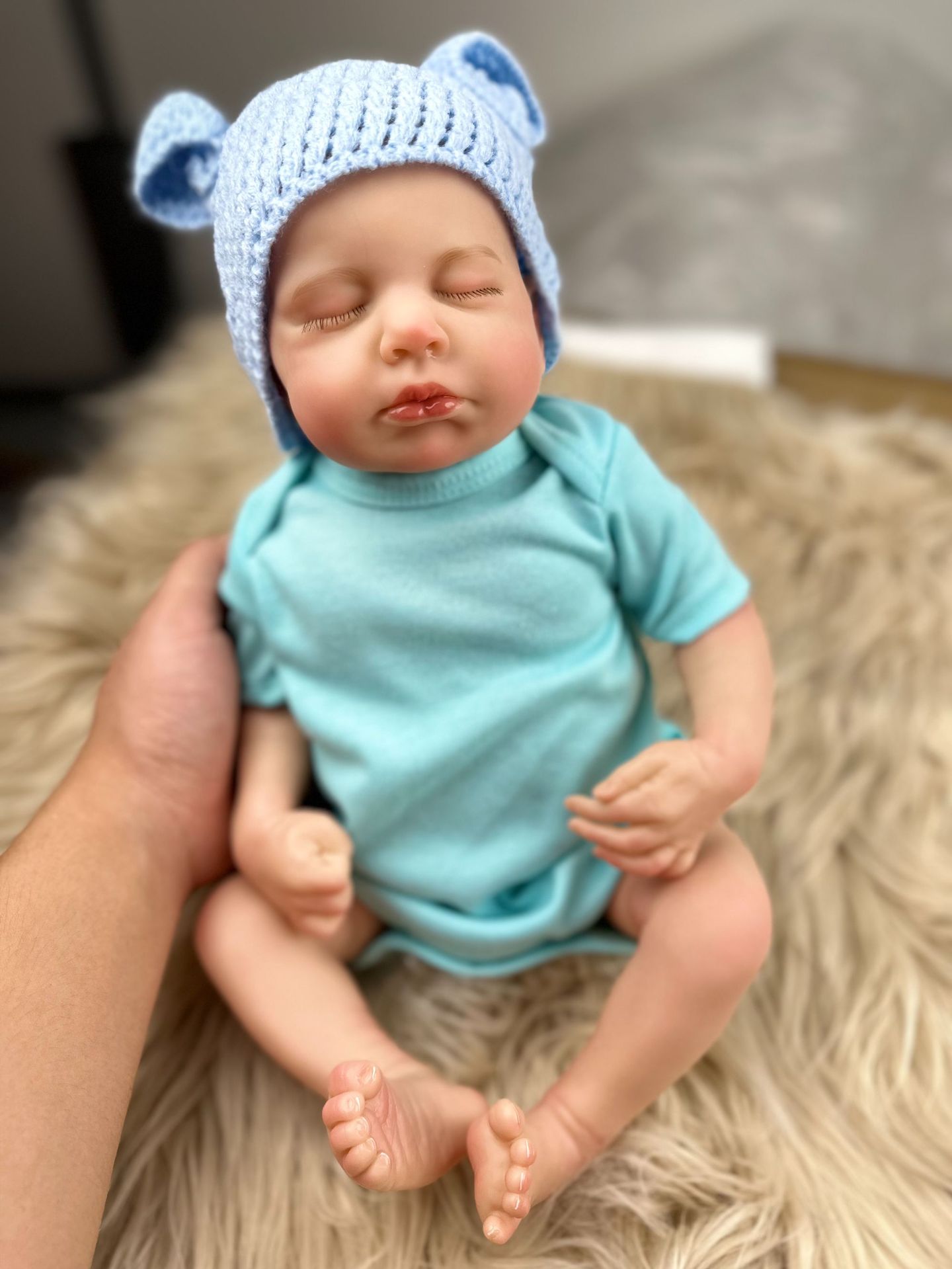
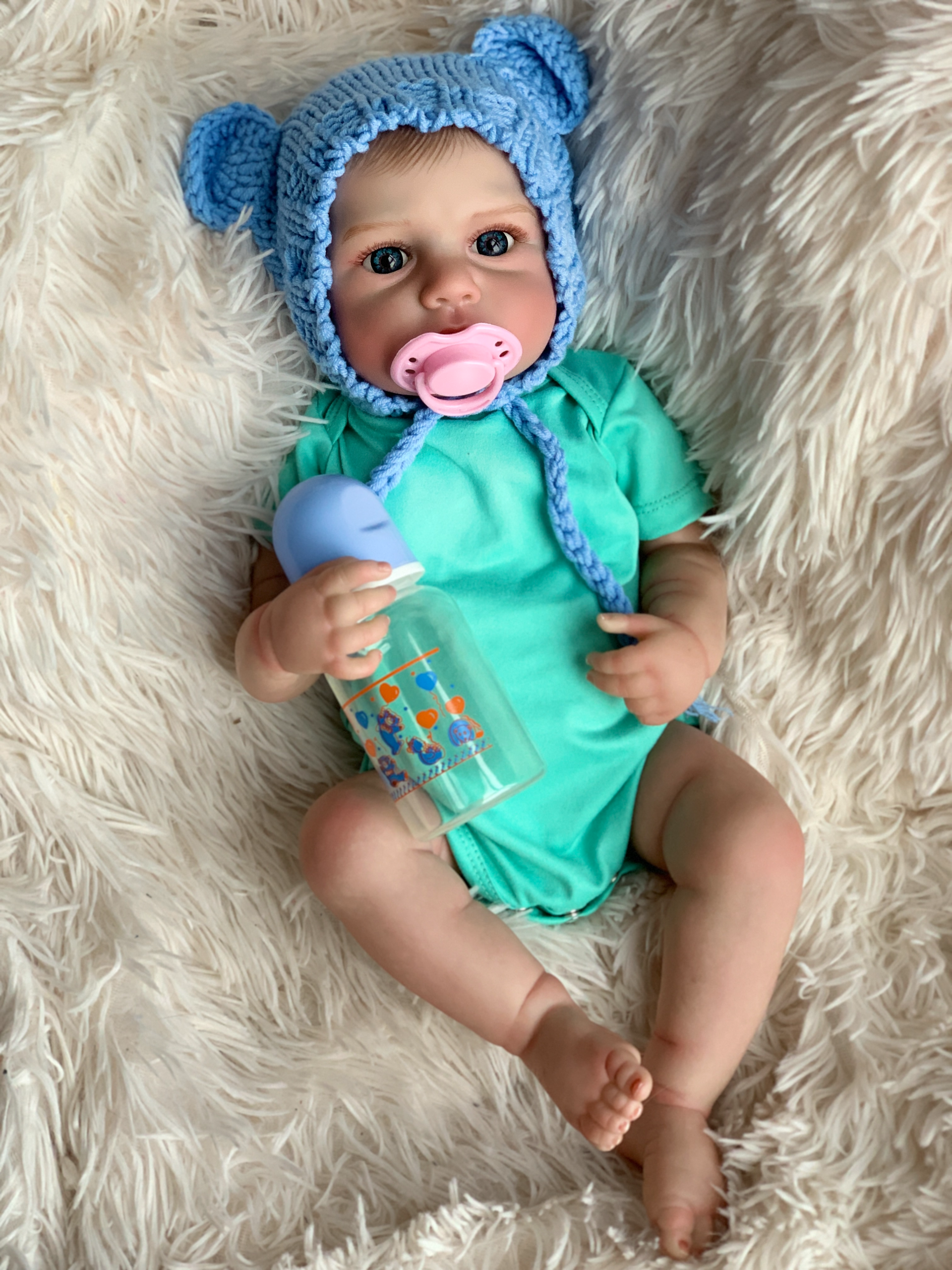
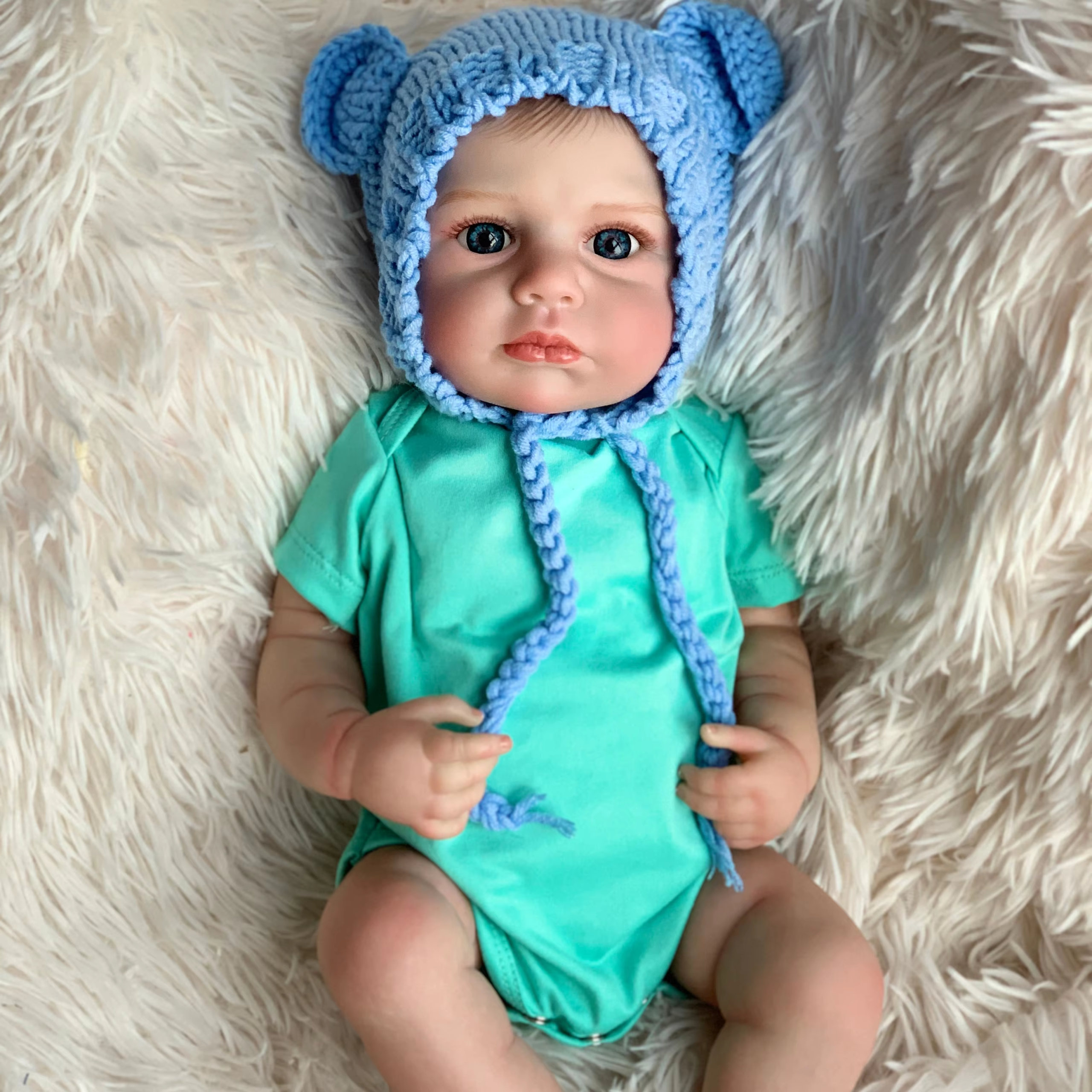
If you’ve ever stumbled upon a reborn doll priced at $8,000, you probably asked yourself: why are some reborn dolls so expensive? These hyper-realistic baby dolls aren’t your typical toys—they’re intricate works of art crafted with medical-grade platinum silicone, hundreds of labor-intensive hours, and premium materials like German glass eyes and fine micro-rooted mohair. In this post, we’re diving deep inside the world of the $8,000 lifelike baby doll market to uncover exactly what drives these staggering prices and why collectors and artists alike value them so highly. Let’s explore the extraordinary craftsmanship and materials that transform a doll into a living masterpiece.
The Anatomy of Cost: The Canvas (The Sculpt), Limited Edition Kits, and Scarcity
When you hear about $8,000 lifelike baby dolls, a big part of that price comes down to the very foundation of the reborn doll: the sculpt. Think of the sculpt as the canvas for a reborn doll artist’s work—it sets the tone for every detail that follows.
Limited edition doll sculpts are a major factor in price. These prototype reborn dolls are often produced in very small batches, sometimes fewer than a hundred pieces worldwide. Scarcity drives up value. When you own a limited edition sculpt, you’re holding a rare piece of collectible artistry, not just a doll.
Here’s why the sculpt matters so much:
- Unique design and detail: Each sculpt captures lifelike baby features—soft creases, realistic expressions, and delicate proportions—that require exceptional craftsmanship.
- Original mold creation: Skilled sculptors spend months perfecting the initial prototype, a costly and time-intensive process.
- Authentic reborn kits: High-end artists often purchase official and licensed kits, ensuring quality and authenticity, which can raise costs compared to generic molds.
- Collector appeal: Limited runs and exclusive editions create hunting value in the reborn secondary market, often pushing prices upward.
This scarcity combined with exquisite sculpt detail forms the essential canvas. Without it, even the finest painting and micro-rooting can’t reach the same emotional and aesthetic impact that collectors and enthusiasts seek in hyper-realistic collectible dolls.
The Anatomy of Cost: Materials Breakdown—Eyes, Hair, and Weighting Quality
One big factor behind why reborn dolls can reach prices as high as $8,000 is the quality of materials used. Top-tier dolls are more than just vinyl or silicone—they come with meticulously selected parts that add realism and weight, creating that lifelike feel collectors crave.
Eyes:
High-end reborn dolls often feature hand-blown glass eyes or premium acrylic eyes, which are far more realistic than standard plastic ones. These eyes capture light and depth, giving the doll an almost lifelike gaze that vinyl painted eyes just can’t match.
Hair:
Micro-rooting mohair—where each strand is inserted individually by skilled reborn doll artists—is a time-consuming process that adds to the cost. Mohair is prized for its soft, natural texture, and sometimes you’ll find dolls with real human hair, which adds another layer of authenticity.
Weighting and Body Quality:
Weighting is essential. Many high-end dolls use weighted cloth bodies with fine details like lifelike skin textures or even full body silicone for that realistic feel. Weighted limbs, heads, and bodies mimic the feel of a real baby’s weight distribution, elevating the doll’s realism. Quality stuffing materials can add hundreds of grams, making the experience far more immersive.
If you want to understand the variety of materials used in reborn dolls, including silicone and vinyl types, check out this detailed guide on rebirth doll materials and types. Whether you’re a collector or a first-time buyer, knowing what goes into the materials helps explain why some reborn dolls command high prices.
In short, every small detail—from glass eyes to weighted cotton filling—builds toward that hyper-realistic collectible doll status. These choices push prices up but also shape the doll’s final look and feel, setting high-end reborns apart from the rest.
The Silicone vs. Vinyl Price Gap: Vinyl Reborns Characteristics and Painting
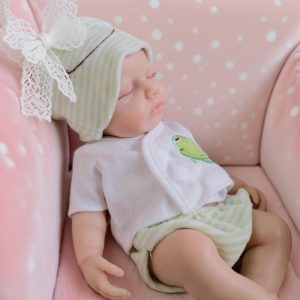
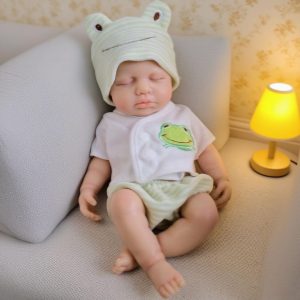
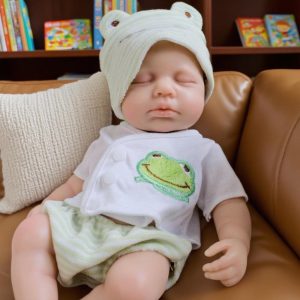
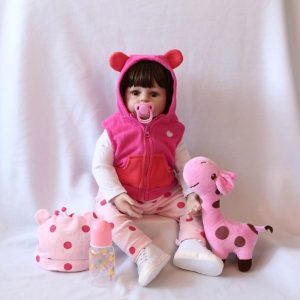
Vinyl reborn dolls are generally more affordable than their silicone counterparts, but that doesn’t mean they lack charm or detail. These dolls are made from durable vinyl, which allows for a lighter, less flexible doll compared to full body silicone reborns. Vinyl is easier to work with, making it popular for beginners and collectors who want a lifelike baby without the steep price.
The painting process on vinyl dolls is crucial for their realistic appearance. Artists use multiple layers of Genesis Heat Set Paints (GHSP) to add depth to the skin tone. These heat-set paints are baked onto the vinyl, making the colors vibrant and long-lasting. Despite being less flexible, vinyl surfaces hold paint well and allow for intricate details resembling veins, mottling, and blushing that mimic a real baby’s skin.
While vinyl dolls typically have painted or inset eyes and rooted mohair, they don’t usually match the hyper-realistic feel of silicone babies, which have lifelike skin texture and movement. Still, high-end vinyl reborn dolls can be stunning collectibles, especially when created from limited edition doll sculpts and enhanced by expert reborn doll artists.
For those curious about vinyl options and the difference quality materials make, check out some notable examples like the 22-inch silicone reborn doll that highlight how materials impact cost and realism in reborn dolls.
The Silicone vs. Vinyl Price Gap: Solid Silicone Reborns, Platinum Silicone, and Casting Process
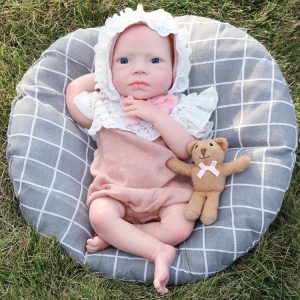
One major reason solid silicone reborn dolls cost more than vinyl ones is the materials and production involved. High-end reborn dolls made from platinum silicone are prized for their softness, lifelike skin texture, and durability—qualities that vinyl simply can’t match. Platinum silicone baby dolls feel much more realistic because the material moves and stretches like actual baby skin.
The casting process for solid silicone is also more complex and time-consuming. Unlike vinyl, which is typically oven-baked, platinum silicone cures at room temperature in carefully controlled molds. This process requires precision to avoid imperfections and achieve the delicate skin translucency that collectors want. The casts need multiple layers and often a solid body insert to create a fully weighted, lifelike feel.
Because of these complexities, solid silicone kits, especially those that use top-grade platinum silicone, are more expensive to produce. This price gap reflects in the final product, making full body silicone reborns a premium choice for collectors looking for the ultimate realism.
For those comparing options, it’s worth checking out the differences between silicone reborn twins dolls and vinyl dolls, as the investment in materials and craftsmanship really shows.
The Labor of Love: Painting Depth and Micro-Rooting Techniques
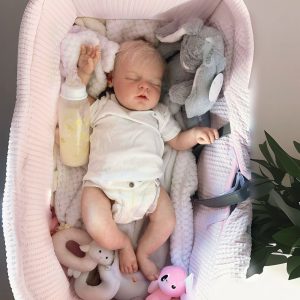
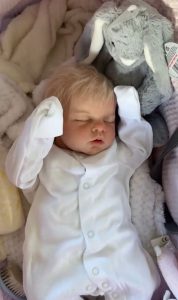
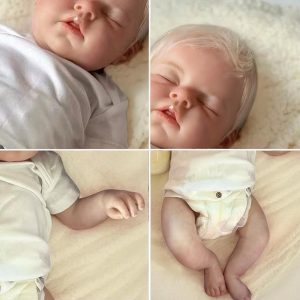
One major reason high-end reborn dolls reach prices near $8,000 is the incredible labor involved in painting and micro-rooting. Artists use multiple layers of Genesis heat set paints (GHSP) to create realistic skin textures—everything from subtle veins and mottling to tiny capillaries that mimic newborn skin. This depth of painting takes hours to master and days to complete per doll.
Micro-rooting is another painstaking process where ultra-fine mohair strands are individually inserted into the doll’s scalp using a tiny needle. This technique creates lifelike hair growth, allowing the hair to be gently styled or even rooted down to baby-fine detail. Unlike glued wigs, micro-rooted hair moves naturally and enhances the doll’s realism dramatically.
Together, these finishing touches—the depth of painting and delicate micro-rooting—demand skill, patience, and time from expert reborn doll artists. This quality craftsmanship is a key factor separating custom, limited edition or platinum silicone baby dolls from more affordable mass-produced versions.
For those interested in full body silicone reborns that also feature similar artistry, exploring options like this 10-inch full silicone reborn baby girl doll can showcase this level of handmade detail and care firsthand.
The Labor of Love: Finishing Touches and Artist Reputation
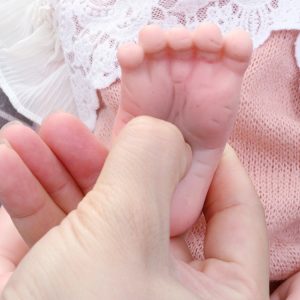
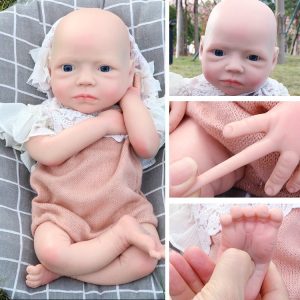
When it comes to high-end reborn dolls priced up to $8,000, the finishing touches make a huge difference. These final steps include adding realistic details like hand-painted nails, subtle veining, and blushing—work that brings the doll to life. Artists often use specialized products like Genesis Heat Set Paints (GHSP) to ensure colors last and look natural. Another key finishing technique is micro-rooting mohair strand by strand, which requires immense patience and skill to mimic real baby hair perfectly.
The reputation of the reborn doll artist also plays a big role in the value. Established artists with a strong following and consistent quality command higher prices because collectors trust their craftsmanship and uniqueness. Limited edition doll sculpts or prototype reborn dolls from popular artists can drive the price even higher. Buyers often seek out these names to ensure their doll not only looks authentic but also holds value in the reborn secondary market.
This combination of meticulous finishing and artist prestige helps explain why some reborn dolls cost so much—they’re truly pieces of collectible art, not just toys. For those interested in learning how to spot trustworthy creations or reliable manufacturers, resources like how to choose a reliable reborn doll factory can be invaluable.
The Market Dynamics: Collector Profiles and Doll Scams
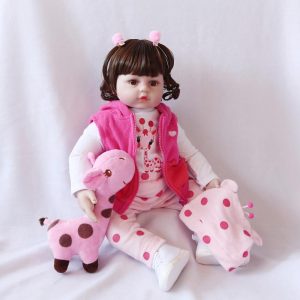
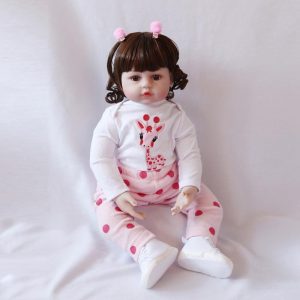
The $8,000 lifelike baby doll market attracts a wide range of collectors—from casual enthusiasts to serious investors. Many buyers are drawn by the artistry and emotional connection, often seeking hyper-realistic collectible dolls that feel like more than just toys. These collectors value limited edition doll sculpts, prototype reborn dolls, and authentic reborn kits that add rarity and prestige to their collections.
However, the high price tag also makes this market a target for reborn doll scams. Some sellers misrepresent cheaper vinyl reborn dolls as high-end silicone reborns or fake the authenticity certificates that serious collectors rely on. This can lead to disappointment and financial loss, especially in the reborn secondary market where verifying a doll’s origins is tough.
To avoid scams:
- Buy from reputable reborn doll artists or trusted sellers.
- Demand a reborn certificate of authenticity (COA) for proof.
- Be cautious of deals that seem too good to be true.
By knowing who’s buying and spotting red flags, collectors can better navigate this unique market. For those interested, exploring high-quality options like platinum silicone reborn dolls offers security in craftsmanship and value.
The Market Dynamics: Authenticity and Certificate of Authenticity (COA)
In the high-end reborn doll market, authenticity plays a huge role in pricing and trust. With so many hyper-realistic collectible dolls out there, buyers want proof their doll is genuine—especially when spending thousands on an $8000 lifelike baby doll. That’s where the Certificate of Authenticity (COA) comes in. This document verifies the doll’s origin, confirms it was crafted using authentic reborn kits, and links it to a specific reborn doll artist or limited edition doll sculpt.
A COA protects collectors from reborn doll scams, which are unfortunately common in the secondary market. Without one, buyers risk paying top dollar for dolls that may be copies or lower-quality replicas. This certificate also often details materials used, like platinum silicone baby dolls or vinyl, and sometimes even the specific paint and micro-rooting mohair techniques applied.
In effect, a COA boosts confidence and often increases the doll’s value over time. For those investing in reborn dolls both as collectors and for therapeutic therapy dolls, authentic papers prove the doll’s story and quality. When shopping for high-end reborn dolls, always ask for a reborn certificate of authenticity—it’s a key part of making a secure purchase.
For more on choosing authentic silicone reborns or understanding reborn doll materials, check out this detailed product material deep dive.
Is an $8,000 Doll Worth It? Return on Investment and Emotional Value
Spending up to $8,000 on a lifelike reborn doll might sound steep, but many collectors and enthusiasts find real value beyond just the price tag. For some, these high-end reborn dolls are not just toys—they’re works of art and emotional companions.
Return on Investment
- Limited editions and rare sculpt kits often increase in value over time, especially prototype reborn dolls or platinum silicone baby dolls crafted by well-known reborn doll artists.
- Buyers who treat dolls as collectibles can benefit from resale in the reborn secondary market, sometimes at a profit when the doll’s scarcity and artist reputation grow.
- Investing in full body silicone reborns provides durability and longevity, making them sought after compared to standard vinyl dolls.
Emotional Value
- For many, these hyper-realistic collectible dolls offer therapeutic therapy benefits, providing comfort, companionship, and a sense of nurturing.
- The depth of micro-rooting mohair and attention to detail like weighted cloth bodies make each doll feel incredibly lifelike, which enhances emotional attachment.
- Unlike mass-produced toys, these dolls are customized to personal preferences, creating a unique bond between owner and doll.
Ultimately, whether an $8,000 reborn doll is worth it depends on your intention—be it investment, art appreciation, or emotional connection. Understanding both sides helps you make a well-informed choice.
If you want to explore how high-quality vinyl and silicone reborn dolls differ in value and maintenance, this guide on how to care for silicone reborn dolls can be a helpful resource.
Is an $8,000 Doll Worth It?..Choosing the Right Doll for Your Budget
Spending $8,000 on a reborn doll isn’t for everyone. If you’re considering a high-end reborn doll, it’s important to match the doll with your budget and purpose. Here’s what to keep in mind:
Purpose: Are you collecting hyper-realistic collectible dolls for display, or do you want a therapeutic therapy doll for comfort? This guides whether you invest in top-tier full body silicone reborns or more affordable vinyl models.
Material Preference: Silicone reborn dolls, especially those made from platinum silicone, offer unmatched lifelike features but come at a higher price. Vinyl dolls are more budget-friendly and still impressive but won’t have the same softness or weight.
Artist Reputation: Investing in well-known reborn doll artists ensures you get quality labor like micro-rooting mohair and painting with Genesis heat set paints (GHSP), which justify the cost.
Limited Editions vs. Custom Orders: Limited edition doll sculpts can appreciate in value and come with certificates of authenticity, making them better for collectors. Custom reborn nursery dolls offer personalization but may not hold resale value the same way.
Your Budget: If an $8,000 doll stretches your finances, consider starting with mid-range options that still feature excellent craftsmanship but less costly materials. Suppliers like SueBan Group offer collectible silicone reborn dolls at various price points.
Bottom line: An $8,000 lifelike baby doll is worth it if you value intricate detail, rare materials, and artistry. But there are beautiful, quality reborns for every budget if you know where to look. Choose based on what fits your needs and wallet, not just the hype.