
What Raw Materials and Realism Standards Do You Use for Reborn Dolls?
When vetting a factory for high-end reborn doll production, your first priority should be verifying their material supply chain and finishing quality. The core material determines the reborn doll’s tactile feel, weight distribution, and retail value.
Rotocast Vinyl vs. Platinum Liquid Silicone
We offer two distinct material systems to match your brand positioning and target price point:
| Material Type | Key Features | Production Method | Best For |
|---|---|---|---|
| Rotocast Vinyl | Soft, durable, cost-effective | Rotational molding | High-volume retail, weighted cloth-body dolls |
| Medical-Grade Platinum Silicone (Eco-Flex) | Seamless, squishy, ultra-realistic flexibility | Liquid injection / pour casting | Premium collector lines, full-body anatomically correct editions |
Weighting Materials and Safety Fillers
Authentic weight distribution creates the signature reborn baby experience. We strictly avoid cheap, organic fillers (such as sand, seeds, or ground nutshells) that attract moisture, mold, and fail international customs inspections.
- Micro-Glass Beads: Used for dense, balanced limb and body weighting. Non-toxic, dust-free, and hypoallergenic.
- Virgin Poly-Pellets: Used to provide soft bulk inside fabric torsos, ensuring a natural, floppy newborn feel.
- Sealed Inner Pouches: All weighting media are encased in reinforced, double-stitched cotton or poly casings to prevent leakage.
Multi-Layer 3D Skin Tone Painting
To achieve lifelike depth, our painters execute a multi-step 3D painting workflow:
- Veining & Capillaries: Subtle blue and red undertones applied under the base layers for realistic translucency.
- Mottling & Blushing: Multi-tonal skin texture simulating realistic newborn blood circulation on cheeks, joints, palms, and feet.
- Paint System Options: We utilize specialized heat-set paints for rotocast vinyl parts and air-cure medical silicone pigments that chemically bond directly with platinum silicone bodies.
- Matte Varnish & UV Protection: Every doll receives a final, scratch-resistant matte topcoat that stops surface shine, resists friction peeling, and prevents UV yellowing over time.
Hair Insertion and Rooting Techniques
A doll’s hairline often dictates perceived quality. We support three primary hair application methods:
- Hand-Rooted Premium Mohair: Micro-rooted strand-by-strand using ultra-fine German needles for collector-grade realism.
- Synthetic Micro-Fiber: Durable, easy to style, and ideal for standard retail production runs.
- 3D Hand-Painted Hair: Zero-shedding alternative featuring fine brush strokes that mimic natural baby down.
- Sealed Interior Construction: For all rooted styles, we apply a waterproof, industrial-grade sealant inside the head cavity to lock hair roots permanently in place, preventing fallout during consumer brushing and styling.
How Do You Handle Digital Sculpt Prototyping, Tooling, and IP Protection?
When scaling a custom doll line, protecting your original artwork and ensuring exact physical reproduction are critical checkpoints. Knowing what to ask a reborn doll manufacturer about tooling and intellectual property (IP) safeguards your capital before you commit to production runs.
Understanding how to create your own reborn doll brand with an OEM manufacturer requires clear visibility into how your digital files or physical sculpts transition from concept to final factory steel.
Master Mold Tooling and Precision Transfer
Turning an artistic design into a mass-produced doll requires precision engineering to prevent loss of detail: Clay and 3D File Translation: We convert raw 3D digital CAD files (.OBJ, .STL) or physical clay sculpts into production-ready copper or steel electroformed molds without losing fine facial expressions. Shrink Rate Compensation: Rotocast vinyl and silicone cure at different rates. We calibrate master mold dimensions with calculated expansion allowances (typically 1.5% to 3%) to ensure the final cast matches your exact target dimensions. Skin Texture Transfer: Micro-pores, newborn wrinkles, and delicate skin folds are etched directly into the tooling surface to eliminate a flat plastic appearance.
Prototyping, Physical Proofing, and Revision Policies
Before cutting production molds, you need to verify physical prototypes through structured approval stages:
| Stage | Process & Deliverables | Typical Timeline |
|---|---|---|
| Phase 1: 3D Master Print | High-resolution resin print for scale and anatomy verification | 5–7 business days |
| Phase 2: First-Article Sample (FAS) | Raw vinyl/silicone casting to test texture, balance, and limb fit | 10–14 business days |
| Phase 3: Color & Detailing Proof | Hand-painted sample showing skin tone mottling and hair rooting | 7–10 business days |
Our standard pre-production sample approval process includes defined revision rounds. We address anatomical adjustments at the 3D print stage before metal tooling begins, keeping custom sculpt mold development on budget and on schedule.
IP Protection, Mold Ownership, and Security Protocols
Your sculpts are proprietary assets. We protect your intellectual property through binding factory protocols: Exclusive Ownership Contracts: You retain 100% legal ownership of custom tooling and mold cavities. Mold tooling fees are billed transparently, ensuring molds are never repurposed for third-party clients. Enforceable NDAs and Non-Compete Agreements: Strict bilateral NDAs are signed before receiving 3D files or reference artwork. Secure Storage and Anti-Counterfeiting: Tooling is tagged, cataloged, and stored in secure tooling rooms. Molds are decommissioned or returned per client contract terms to eliminate unauthorized market overruns.
Which International Toy Safety Certifications and Lab Tests Do You Provide?
When evaluating what to ask a reborn doll manufacturer, safety compliance and chemical testing must be at the top of your checklist. Sourcing custom reborn dolls without verified test documentation puts your inventory at risk of customs seizure, heavy fines, or recall. We ensure that every batch meets target market regulations before shipping.
Global Market Compliance Standards
Different destination markets enforce distinct mechanical, physical, and chemical requirements for reborn baby dolls and collectible figures:
| Market / Region | Standard | Key Safety Checks |
|---|---|---|
| United States | ASTM F963 / CPSIA | Lead substrate limits, phthalates (8 specified types), small parts choke hazards, sharp edges |
| European Union | EN71 (Parts 1, 2, 3) | Mechanical & physical safety (Part 1), flammability (Part 2), migration of 19 heavy metals (Part 3), REACH compliance |
| International | ISO 8124 | Physical torque/tension thresholds, toxic element migration, flame propagation |
Understanding the distinction between EN71 vs ASTM vs CE certifications for reborn dolls allows you to determine precisely which lab protocols your project requires before production begins.
Chemical Safety and Heavy Metal Documentation
We verify that all raw materials used in our reborn doll manufacturing processes meet non-toxic benchmarks:
- Phthalate-Free & BPA-Free Vinyl: Formulations free from prohibited plasticizers (DEHP, DBP, BBP, DINP, DIDP, DNOP).
- Non-Toxic Surface Coatings: Cured paints and matte varnishes tested for zero lead and cadmium content.
- Pure Weighting Fillers: Inert micro-glass beads and virgin poly-pellets free from organic contamination and chemical residues.
Factory Batch Reports vs. Project-Specific Certification
Always ask your doll manufacturer how their test reports are structured:
- Factory-Held Generic Test Reports: Standard reports verifying our raw vinyl, platinum silicone, and base paints meet general regulatory thresholds. These confirm baseline raw-material safety across routine production.
- Project-Specific Compliance Testing: Custom testing run directly on your fully assembled OEM/ODM doll sculpt, complete with your specific paint layers, hair fibers, and custom apparel. We coordinate directly with globally recognized, accredited labs—such as SGS, TÜV, and Intertek—to issue official test certificates registered under your brand name for hassle-free import clearance.
What to Ask a Reborn Doll Manufacturer About MOQs and Tiered Pricing
When scaling your doll brand, knowing exact production limits and pricing structures protects your cash flow. You need full transparency on how order volumes impact your bottom line before signing a production agreement.
Rotocast Vinyl vs. Solid Silicone Production MOQs
Minimum Order Quantities (MOQs) depend heavily on the material and tooling method:
- Rotocast Vinyl Dolls: Typically require an MOQ of 500 to 1,000 units per sculpt. Rotational vinyl molding requires substantial machine setup and raw material batches to maintain cost efficiency.
- Solid Platinum Silicone Dolls: Offer flexible, lower-batch runs starting around 50 to 100 units. Hand-poured silicone molds do not require large-scale machinery, making them suitable for boutique or limited-edition runs. Learn more about the production variations by understanding 100% silicone and vinyl reborn baby dolls.
| Metric | Rotocast Vinyl Dolls | Solid Platinum Silicone |
|---|---|---|
| Typical Factory MOQ | 500 – 1,000 pcs | 50 – 100 pcs |
| Tooling / Mold Expense | High initial cost (Electroformed copper/steel) | Moderate initial cost (Silicone/epoxy master molds) |
| Unit Production Cost | Low to moderate per unit | High per unit (Labor & material intensive) |
| Best Suited For | High-volume retail & commercial lines | Limited-edition art & high-end collector lines |
Split MOQ Allowances Across Variants
Always clarify if your manufacturer allows split variants under a single mold order. We frequently structure orders so a single 1,000-unit vinyl run can be split across:
- Skin Tones: Caucasian, African American, Hispanic, or Asian undertones (e.g., 250 units each).
- Hair Details: A mix of hand-rooted mohair, painted hair, and bald variants.
- Outfit Sets: Multiple clothing designs sharing the same core body sculpt.
Comprehensive Cost Breakdown
Avoid surprise costs by requesting an itemized invoice that covers every stage of production:
- Mold and Tooling Fees: A one-time payment for sculpt conversion, master molds, and production molds.
- Base Unit Production: Casting the head, limbs, and weighted body.
- Artisan Finishing: Multi-layer painting, blushing, veining, and hair application.
- OEM Clothing and Packaging: Apparel fabrication, branded unboxing elements, certificates, and presentation boxes. You can bundle custom apparel and boxes through our options to customize reborn dolls brand packaging OEM.
Volume Discounts and Scalability Milestones
A dependable reborn baby doll wholesale supplier provides clear price tiers that decrease as your production grows:
- Tier 1 (500 – 999 units): Standard wholesale baseline rate.
- Tier 2 (1,000 – 2,999 units): 10% to 15% reduction per unit.
- Tier 3 (3,000+ units): Maximum volume discount with optimized logistics and automated packaging assembly.
Do You Offer Full-Package OEM/ODM Packaging, Clothing, and Accessories?
When sourcing custom reborn baby dolls, partnering with a full-service factory that handles end-to-end accessories and packaging saves significant freight costs and prevents supply chain bottlenecks. Understanding our apparel tailoring, accessory integration, and protective packaging capabilities is an essential part of what to ask a reborn doll manufacturer before placing a production run.
Custom Doll Apparel and Boutique Finishes
Doll clothing requires precise pattern scaling and strict material safety. We handle full garment production in-house: Certified Fabrics: We use skin-safe, OEKO-TEX certified cottons, knits, and plush fabrics that do not bleed dyes onto vinyl or silicone skin. Boutique Construction: Outfits feature French seams, durable snaps, tailored hems, and miniaturized trims that mirror authentic infant apparel. Turnkey Styling: From basic bodysuits and rompers to themed sets and matching items like baby flower headbands, we develop complete wardrobe collections per sculpt.
Accessory Sourcing and Unboxing Elements
A complete collector experience relies on branded, high-touch accessories integrated directly on the assembly line: Magnetic Pacifiers and Bottles: Sealed, internal neodymium magnet positioning aligned specifically with your doll’s mouth polarity. Paper Goods: Fully customized birth certificates, authenticity cards, hospital wristbands, and branded instruction booklets. Add-On Elements: Plush comfort toys, receiving blankets, and diapers tailored to exact doll proportions.
Protective Inner Packaging and Drop-Tested Cartons
Proper packaging prevents rub damage, limb distortion, and head misalignments during long-haul transit. Our factory implements multilayered protection for every unit:
| Packaging Layer | Material Specification | Functional Benefit |
|---|---|---|
| Direct Skin Shield | High-grade limb mesh nets & acid-free tissue | Prevents friction scuffing on delicate matte paint finishes |
| Structural Insert Box | Custom die-cut EPE foam or contoured cardboard trays | Locks the weighted cloth body or solid silicone doll securely in place |
| Presentation Box | Rigid cardboard gift box with clear PVC window or magnetic closure | Delivers an elevated, retail-ready unboxing experience |
| Master Shipper | 5-ply corrugated, drop-tested export cartons | Resists compression, stacking pressure, and container humidity |
Working with a full-scope OEM reborn doll manufacturer ensures your accessories fit perfectly, your branding remains cohesive, and your finished dolls arrive in collector-grade condition.
What Are Your Production Quality Control Checkpoints and Lead Times?
When planning your supply chain, knowing what to ask a reborn doll manufacturer about quality gates and production schedules prevents unexpected delays and costly batch defects. We enforce strict multi-stage quality control (QC) checkpoints across every phase of production.
1. Raw Material Inspection & Inline Visual Checks
- Raw Material Purity: We inspect raw rotocast vinyl batches and medical-grade platinum liquid silicone before casting to eliminate chemical imbalances. Proper degassing and vacuum-chamber casting prevent micro-voids, addressing the common technical reasons why cheap silicone reborn dolls crack and tear over time.
- Inline Casting Checks: Each head, limb, and torso undergoes immediate visual deflashing checks to identify surface blemishes, seam misalignments, or wall-thickness variations.
- Hair & Eye Assembly QC: Rooted strands are tension-tested from the interior to verify anchor sealing, while acrylic and glass eyes are aligned under uniform lighting grids.
2. Paint Curing & Pre-Shipment AQL Verification
- Rub and Scratch Testing: Multi-layer 3D skin tone painting undergoes rub-resistance and adhesion testing to verify paint curing before final assembly.
- Final AQL Standards: Finished custom reborn dolls are inspected under strict ISO/AQL (Acceptable Quality Limit) 2.5 standards for cosmetic fidelity, weighting accuracy, and seam durability prior to boxing.
Realistic OEM/ODM Doll Production Lead Times
| Production Stage | Standard Timeline | Key Deliverables |
|---|---|---|
| Sculpt & Tooling | 30–45 Days | Digital 3D modeling, wax master, electroformed copper/steel production molds |
| Pre-Production Sample | 10–15 Days | Physical paint proofing, eye positioning, root density approval |
| Mass Casting & Assembly | 35–50 Days | Batch casting, painting, hand-rooting, weighting, and apparel dressing |
| Final QC & Packaging | 5–7 Days | AQL inspection, gift box insertion, carton drop testing |
3. Logistics Coordination and Global Shipping Terms
We support flexible international commercial terms tailored to your fulfillment model: FOB (Free on Board): Transferring cargo directly to your designated freight forwarder at our local port. CIF (Cost, Insurance, and Freight): Managing international sea or air transport directly to your destination port. DDP (Delivered Duty Paid): Full-service door-to-door shipping, managing all export documentation, import tariffs, customs clearance, and final truck delivery straight to your warehouse.
What Is Your Policy for Defective Units, Transit Damage, and Warranty Claims?
When sourcing custom reborn dolls at scale, clarity on warranty coverage, defect thresholds, and shipping accountability prevents unexpected financial losses. We maintain clear dispute resolution protocols and transparent claim terms before production begins.
Claim Submission Windows and Defect Evidence
A dependable factory establishes specific timeframes and verification steps to process product claims efficiently:
- Reporting Window: We recommend a standard claim window of 14 to 30 business days following customs clearance and receipt at your warehouse.
- Evidence Requirements: Claims must include clear, high-resolution photos and video footage showcasing batch numbers, mold markings, and the exact defect (e.g., silicone tear, air pocket void, vinyl seam split, or paint peeling).
- Batch Tracking: Systematic lot numbers on inner packaging trace specific issues directly back to raw material lots or individual assembly stations.
Defect Resolution Framework
Factory dispute resolutions depend on the severity and frequency of the defect:
| Issue Type | Primary Cause | Standard Resolution |
|---|---|---|
| Material Void / Tear | Incomplete silicone curing or vinyl bubble | Free replacement unit or full invoice credit |
| Paint Rub-Off / Lifting | Inadequate heat curing or surface prep | Replacement limb/head or repair allowance |
| Rooting Pull-Out | Incomplete interior root sealing | Replacement head on the subsequent production batch |
| Transit Box Damage | Rough freight handling / carton crush | Replacement retail packaging and freight claim backing |
Structuring a Low-Risk Manufacturing Warranty
Partnering with a reliable reborn doll supplier means codifying defect policies directly into your purchase agreement. We establish clear terms around Acceptable Quality Limits (AQL standard 1.5/2.5), spare parts allocations (such as extra limb sets, rooted heads, or accessory packs included with bulk shipments), and credited balances on upcoming production runs to keep your business operating smoothly.
Frequently Asked Questions About Choosing a Reborn Doll Manufacturer
When vetting a production partner, knowing what to ask a reborn doll manufacturer upfront saves time, prevents IP theft, and protects your production budget. Here are straightforward answers to the most common OEM/ODM sourcing inquiries.
How much does custom reborn doll mold development cost?
Custom mold tooling costs depend on the material, doll size, and sculpt complexity:
| Mold Type | Typical Tooling Cost (USD) | Best Suited For |
|---|---|---|
| Rotocast Vinyl (Electroformed Copper/Steel) | $2,500 – $6,000 | Large-scale retail runs (500+ units) |
| Solid Platinum Silicone (Precision Epoxy/Metal) | $1,200 – $3,500 | Low-batch boutique runs, ultra-realistic lifelike dolls |
We provide complete cost breakdowns before prototyping begins so there are no unexpected engineering fees.
Can I order split batches with different skin tones and hair styles under one MOQ?
Yes. While the physical mold run requires meeting the minimum base quantity, we allow split allocations across different variants: Skin Tones: We support custom batch pigment blending to create multiple ethnic skintones across the same batch run. Hair Details: Batches can be divided between hand-rooted mohair, synthetic micro-fiber, and hand-painted hair. Apparel Sets: You can mix 2 to 3 outfit designs within a single bulk order.
How do I safeguard my custom sculpt designs from unauthorized replication?
IP protection is critical when launching custom sculpts. We enforce strict protocols: Bilingual Non-Disclosure Agreements (NDAs): Signed before receiving any 3D CAD files, digital sculpts, or physical clay masters. Exclusive Tooling Ownership: You retain 100% legal ownership of your molds. Molds are never leased, loaned, or used for third-party production. Secure Storage: All proprietary tooling is stored in dedicated, access-controlled mold libraries with serial-number tracking.
What is the typical lead time from prototype approval to final mass production delivery?
Once you sign off on the pre-production sample: Mass Casting & Painting: 30 to 45 business days depending on volume and painting complexity (such as multi-layer 3D veining). Rooting & Final Assembly: 10 to 15 business days. Global Shipping: 7 to 12 days via air freight, or 25 to 35 days via ocean freight (FOB, CIF, or DDP terms).
What is the main manufacturing difference between vinyl and platinum silicone reborn dolls?
The primary differences lie in the raw materials, production methods, and target market. Reviewing our guide on vinyl vs silicone reborn dolls helps clarify physical feel and production thresholds.
- Rotocast Vinyl: Hollow limbs and head assembled on a weighted cloth body. Requires higher initial MOQs due to rotational mold cycling, offering lower unit costs for mass retail.
- Platinum Silicone: Poured solid using medical-grade liquid silicone. It yields an authentic human-like squish and seamless body structures, supported by our specialized custom silicone reborn doll manufacturers production lines for smaller, high-tier collector editions.
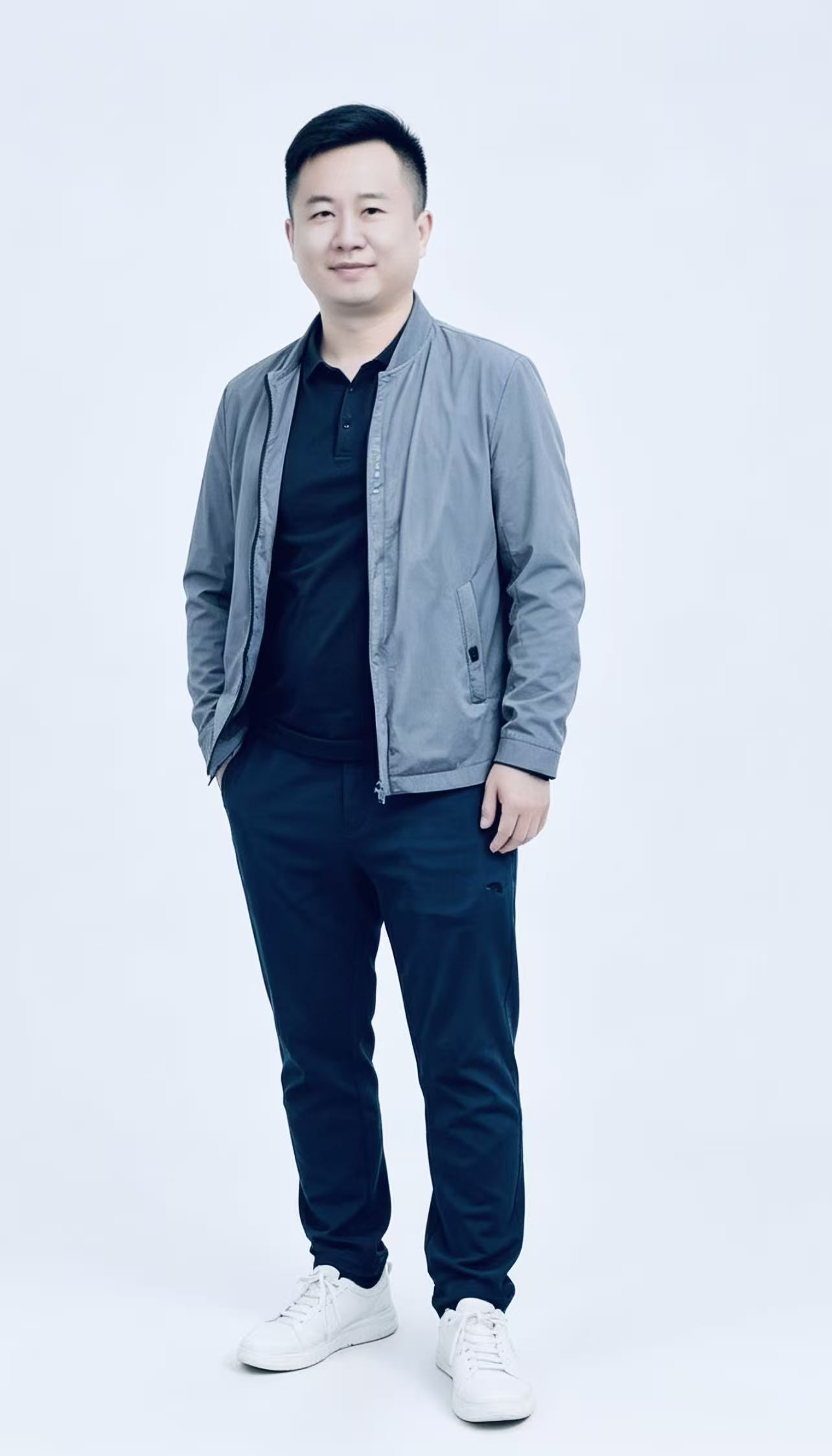
Owen is the second-generation founder of Sueban Group, a reborn doll manufacturer based in Guangdong, China. With over 20 years of family manufacturing heritage, Owen leads the company's B2B operations serving wholesalers, brands, and institutional buyers across 20+ countries.
Meet Owen →
 English
  Deutsch
  Français
  Español
  Italiano
  Nederlands