
Buying a reborn doll is an emotional investment — and you deserve to know what happens behind the scenes when something isn’t perfect.
That’s why What Happens When a Reborn Doll Fails Quality Inspection matters more than most people realize.
Because a failed check doesn’t just mean “a small flaw.” It can signal issues with reborn doll quality inspection standards: paint realism, silicone or vinyl integrity, weighting balance, rooted hair, seam finishing, even safety details like non-toxic materials. And the way a maker responds — repair, repurpose, or reject — tells you everything about their craftsmanship and ethics.
In this guide, we’ll pull back the curtain on what happens after a failed inspection, how defects are documented, and how Sueban Group ensures only dolls that meet strict standards ever reach a customer’s hands. Let’s get into it.
Understanding Reborn Doll Quality Inspection
If you’re buying a reborn doll, you’re probably worried about the same things I am: Will it look real in person? Will the paint rub off? Is the silicone safe? That’s exactly why reborn doll quality inspection and reborn doll quality control matter—because photos don’t catch everything, but a strict inspection will.
Reborn doll inspection criteria I check every time
A proper doll quality control checklist focuses on the details that make or break realism and durability:
- Paintwork: even skin tones, natural blushing, no streaks, no patchy layers
- Silicone or vinyl material integrity: no tears, thin spots, tackiness, or weak seams (common silicone doll manufacturing flaws)
- Weight distribution: balanced head/torso/limbs so the doll holds and “rests” like a real baby
- Facial features: eyes, lips, nose, and symmetry—no misalignment or warped features
- Overall realism: texture, finish, and lifelike consistency from every angle (core reborn doll craftsmanship standards)
Why strict silicone doll quality standards protect you
This isn’t just about looks. Tight reborn doll quality control builds reborn doll customer trust and supports safety—especially around:
- Non-toxic materials (safe silicones, vinyl, and sealants)
- Secure assembly (no loose parts or weak joints)
- Clean finishing (no sticky residue or chemical smell)
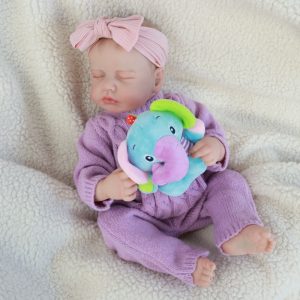
Why Inspection Holds Are a Sign of a Healthy Factory
Many buyers assume that a quality inspection hold means something went wrong in production.
In reality, the opposite is often true.
Factories with strict quality systems identify issues before customers ever see them. Paint inconsistencies, minor finishing marks, uneven weighting, or material variations are often discovered during internal reviews—not after delivery.
In our experience, most inspection holds are caused by cosmetic issues rather than major structural defects. Small paint imperfections, rooting inconsistencies, or finishing details account for the majority of cases.
A factory that never reports defects is often a bigger concern than one that actively documents and corrects them.
The goal of quality inspection isn’t to prove that production is perfect. The goal is to make sure every doll that reaches a customer meets the standards promised from the beginning.
What Triggers a Quality Inspection Hold in Reborn Doll Manufacturing?
When I run reborn doll quality inspection and doll quality control, failures usually trace back to a handful of repeat reborn doll manufacturing defects—small issues that can ruin realism up close.
Common Issues That Trigger a Quality Hold
Even experienced factories occasionally identify products that require additional review. During reborn doll quality inspection, the most common reasons include:
- Uneven paintwork: patchy blushing, harsh transitions, mottling that doesn’t blend naturally, or glossy spots visible under indoor lighting.
- Air bubbles in silicone or vinyl: small pits, weak spots, or surface irregularities that affect appearance and durability.
- Facial feature alignment issues: eyes, lips, or facial details that appear slightly off-center and reduce realism.
- Structural concerns: seam separation, loose joints, or body assembly issues that may affect long-term durability.
While many of these issues can be corrected, they are still flagged because they do not fully meet established quality standards.
Manufacturing errors vs. material inconsistencies (how problems happen)
- Manufacturing errors (process-based): inconsistent paint layering, rushed curing, improper mold handling, or uneven stuffing/weighting that throws off balance.
- Material inconsistencies (supply-based): silicone/vinyl batches that cure differently, pigment variations, or softness/hardness shifting from one run to the next—issues that can break silicone doll quality standards even when the technique is solid.
Environmental factors that can cause quality issues
Even with skilled hands, the shop environment matters in the reborn doll production process:
- Humidity can slow or warp paint drying, causing tackiness, smudges, or cloudiness.
- Temperature swings can impact curing and lead to surface defects.
- Dust in the air can stick to fresh paint and create bumps you’ll see on cheeks and lips.
How I document defects at Sueban Group (accountability first)
At Sueban Group, every failed reborn doll inspection is logged as part of our doll quality assurance steps:
- Defect type + severity (cosmetic vs. structural)
- Location (face, limbs, seams, torso)
- Photo records under consistent lighting
- Batch/shift notes to trace the root cause and prevent repeats
This is how I keep reborn doll customer trust intact—and why only dolls that meet our reborn doll craftsmanship standards move forward.
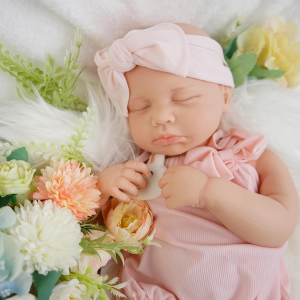
The Quality Review Process at Sueban Group
When a reborn doll quality inspection identifies an issue, the product is immediately placed into a quality review process. Every concern is documented, assessed, and resolved before the doll can move forward.
Our goal isn’t simply to find problems. It’s to understand why they occurred and prevent them from appearing again in future production.
Step 1: Detailed defect assessment (Doll quality assurance steps)
We start with a hands-on review to label the issue and its risk level. Each failed unit is logged with photos and notes so there’s a clear trail for accountability.
We categorize failed reborn doll inspection outcomes into:
- Minor (cosmetic and fixable): light paint unevenness, small seam cleanup, tiny gloss inconsistency
- Repairable (needs rework): hair rooting touch-ups, weight distribution adjustment, re-paint blending
- Irreparable (can’t be made sale-ready): deep silicone/vinyl damage, serious structural flaws, unsafe material concerns
Step 2: Corrective Action and Resolution
Once the defect is classified, we decide the next move—fast and strict.
Minor Cosmetic Issues → Corrective Rework
Small imperfections such as paint blending inconsistencies, finishing marks, or minor detailing issues are corrected by trained artisans. After rework, the doll must pass a complete inspection again before moving forward.
Internal Training and Process Improvement
Products that do not meet customer-facing standards but remain structurally sound may be used internally for staff training, process evaluation, or quality benchmarking.
This allows our team to learn from production variations while keeping non-conforming products out of the marketplace.
Material Recovery and Responsible Disposal
If a product cannot reasonably be restored to meet quality standards, it is removed from the sales pipeline entirely.
Whenever possible, materials are recovered or recycled responsibly in accordance with our internal sustainability practices.
Step 3: Re-check after repair (Reborn doll quality control)
After any fix, the doll goes back through reborn doll quality inspection again. If it doesn’t pass the re-check, it doesn’t ship—period.
Our rule is simple: we never compromise and release substandard dolls. That’s how we protect customers and keep Sueban Group’s quality consistent across every order.
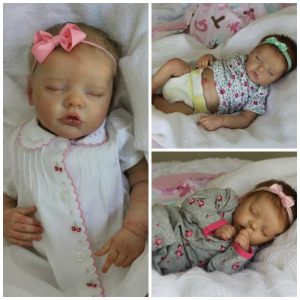
What Buyers Can Learn From a Factory’s Inspection Process
For many buyers, the most important question isn’t whether defects ever occur.
The more important question is how a manufacturer responds when they do.
A strong inspection process demonstrates accountability, transparency, and long-term commitment to quality. It shows that the factory is willing to invest time and resources into protecting customer satisfaction rather than simply maximizing output.
When evaluating a reborn doll supplier, understanding their quality inspection process often provides more insight than product photos or marketing claims.
Impact on Customers and Brand Reputation: What Happens When a Reborn Doll Fails Quality Inspection
When a failed reborn doll inspection happens, it’s not a “nice-to-have” safeguard—it’s how I prevent quality issues in reborn dolls from reaching real homes in the U.S. That protects parents, gift buyers, and serious collectors from opening a box to uneven paint, tacky silicone, or misaligned features. In simple terms: reborn doll quality control means you get the realism you paid for, not a surprise defect.
Failed inspections protect customers (and your money)
Our reborn doll quality inspection is designed to catch issues before shipping, including:
- Paint flaws (blotchy blushing, rooted hairline staining, mottling that looks “off”)
- Silicone/vinyl defects (tiny bubbles, tears, weak seams)
- Weight and balance problems (dolls that don’t feel like a real baby when held)
- Facial feature alignment (eyes, lips, and nose placement that breaks realism)
That’s the point of strong doll quality control: customers shouldn’t be the ones discovering reborn doll manufacturing defects after delivery.
Transparency if quality control causes a delay
If a doll gets held back due to reborn doll quality assurance steps, I’d rather be upfront than rush a product out. When a rejection impacts timing, we communicate clearly about:
- What caused the hold (without vague excuses)
- What we’re doing next (repair, rebuild, or replacement)
- Updated ship dates so you can plan—especially for birthdays and holidays
This is how we protect reborn doll customer trust even when quality standards slow things down.
Trust matters more for collectors and repeat buyers
Collectors know the difference between “mass-produced” and truly finished. Strict silicone doll quality standards protect our reputation because buyers come back when the doll matches the photos and feels right in hand. That’s why we’re careful with our collectible silicone reborn dolls lineup: https://www.suebangroup.com/wholesale-reborn-dolls/collectible-silicone-reborn-dolls/
What customers say they value most
The feedback we hear most often is straightforward:
- “It looks real in person.”
- “The finish is clean—no weird marks.”
- “It arrived exactly as expected.”
That’s the brand win: consistent reborn doll craftsmanship standards, fewer returns, and a reputation built on not shipping anything that didn’t pass inspection.
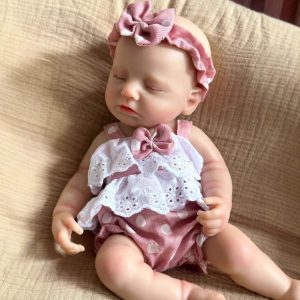
Sueban Group’s Commitment to Excellence and Sustainability
I treat reborn doll quality inspection like a non-negotiable gate, and I’m always tightening the process. Our reborn doll quality control work is built on continuous improvement—better checklists, clearer defect photos and logs, and tighter handling rules so issues don’t get “passed along” to the next step. That’s how we cut down quality issues in reborn dolls before they ever reach packing.
Continuous improvement in doll quality control
- We track patterns behind reborn doll manufacturing defects (paint, rooting, seam lines, weight balance) and adjust the production process fast.
- We standardize doll quality assurance steps so inspection is consistent across vinyl and silicone builds.
- For customers who need dependable realism (collectors, studios, therapy use), we apply strict silicone doll quality standards—the same mindset you’ll see in our silicone reborn dolls built for film studios.
Eco-friendly handling of defective reborn dolls
When a doll fails a failed reborn doll inspection, I don’t let it quietly slip into inventory—period. Depending on the issue, we use more responsible options:
- Repurpose: training samples for new staff or internal display references
- Repair (when safe and realistic): controlled fixes that can pass re-check
- Ethical disposal / recycling: we sort materials when possible and reduce waste in packaging and consumables used during rework
This approach answers a big buyer question: what happens to defective reborn dolls—they’re handled responsibly, not dumped into the market.
Training + tech to reduce inspection failures
I invest in both people and tools because craftsmanship is what buyers in the U.S. notice first:
- Ongoing artisan training for paint consistency, hairline realism, and detailing
- Better lighting/magnification and process controls to catch silicone doll manufacturing flaws early
- Material checks to reduce returns tied to texture, tackiness, or surface imperfections—especially on higher-detail pieces like our lifelike vinyl reborn doll designs
Final Thoughts
Quality inspection is not about achieving perfection.
It is about creating a reliable system that identifies issues before customers do.
In reborn doll manufacturing, every inspection hold represents an opportunity to improve craftsmanship, strengthen production standards, and protect customer trust.
For buyers, collectors, and brand owners, understanding how a factory handles quality concerns often reveals more about long-term reliability than any product listing ever can.
At Sueban Group, our commitment remains simple: if a doll does not meet our standards, it does not ship.

Owen is the second-generation founder of Sueban Group, a reborn doll manufacturer based in Guangdong, China. With over 20 years of family manufacturing heritage, Owen leads the company's B2B operations serving wholesalers, brands, and institutional buyers across 20+ countries.
Meet Owen →
 English
  Deutsch
  Français
  Español
  Italiano
  Nederlands