
The main types of reborn dolls are classified along three axes: material (soft vinyl, full-body silicone, or hybrid), body construction (cloth body, full-limb vinyl, full-body vinyl, or full-body silicone), and sculpt age (preemie, newborn, infant, or toddler). For brands and wholesalers, the type you choose sets your unit cost, lead time, compliance path, shipping weight, and price ceiling. This guide covers each type from a manufacturing perspective so you can build the right line for your channel.

What Are Reborn Dolls? A Quick Definition for Buyers and Makers
Reborn baby dolls are hyper-realistic collectible dolls built from vinyl or silicone kits. They are hand-painted in multiple translucent layers, weighted to feel like a real infant, and finished with rooted hair and detailed features such as veining, creases, and nail tips.
Strictly speaking, “reborning” is an artist process: a painter takes a blank kit and transforms it by hand. Factory-produced realistic baby dolls follow the same techniques but use standardized paint recipes, trained painting teams, and batch QC. Most B2B product lines today sit somewhere between the two.
The market spans three segments: adult collectors, therapeutic use (dementia care and grief support), and a growing gift and toy segment. Industry estimates place global reborn and realistic-doll sales in the low hundreds of millions of USD per year, with steady mid-single-digit growth.
Why Doll Type Matters for Your Business
Doll type determines cost of goods, production time, test requirements, freight cost, return rate, and how high you can price. Get the type wrong for the channel and the SKU struggles regardless of quality.
A common example: listing a $2,500 full-body silicone doll on a mass-market marketplace where buyers expect $100 gifts. The reverse also fails. An entry-level vinyl doll rarely converts in collector communities that expect artist-grade detail.
Types of Reborn Dolls Available: The Core Classification Framework
Practitioners describe any reborn by material, body construction, and sculpt age, then add feature options. The table below previews every category covered in this guide.
Classification Axis | Main Types | Primary Business Impact |
Material | Soft vinyl, full-body silicone, hybrid | Cost, realism, durability, compliance |
Body construction | Cloth body, full-limb vinyl, full-body vinyl, full-body silicone | Poseability, bathability, weight |
Age/sculpt | Preemie, newborn, infant, toddler | Kit sourcing, size, packaging |
Features | Awake/asleep, open/closed mouth, anatomically correct | Price tier, channel restrictions |
Different Reborn Doll Materials Explained
Soft Vinyl Reborn Dolls
Soft vinyl is plasticized PVC. The plasticizer choice matters most for compliance. Phthalate-free options such as DOTP or DINCH are the practical default for any doll that may reach the US or EU toy market.
Vinyl limbs feel slightly squishy, hold heat-set paint well, and accept rooted hair reliably. Most vinyl reborns fall between 17 and 24 in (43–61 cm).
Pros and Cons of Vinyl
Pros | Cons |
Lower unit cost; factory-made retail commonly $80–$400 | Less lifelike skin feel than silicone |
Holds paint and rooted hair reliably | Plasticizer compliance must be documented |
Lighter and cheaper to ship | Can shine or turn tacky with poor storage |
Wide availability of licensed sculptor kits | Limbs are less flexible |
Full Body Silicone Reborn Dolls
Full body silicone reborn dolls use platinum-cure silicone, typically in the Shore 00-20 to Shore A 10 range for a skin-like softness. They are poured as a single piece or built with a solid torso and soft limbs. Some include a flexible internal armature for posing.
Artist-made silicone retails from about $1,500 to $6,000 and up. Factory-made silicone usually lands between $400 and $1,200 retail.
Solid vs. Soft-Fill Silicone
- Solid silicone:heavier, more durable, and easier to clean.
- Soft-fill silicone:a silicone skin over gel or a cavity fill. Handling is more realistic, but defect and leakage rates are higher, so QC needs pressure and seam checks.
Pros and Cons of Silicone
Pros | Cons |
Most realistic touch and flexibility | High material and labor cost |
Bathable when fully sealed | Attracts lint and dust; needs a matte finish |
Premium price ceiling and collector demand | Paint adhesion requires silicone-specific systems |
Strong differentiator for custom reborn dolls | Heavy; tears are hard to repair |
Silicone vs Vinyl Reborn Dolls: Side-by-Side Comparison
Factor | Soft Vinyl | Full-Body Silicone |
Typical factory cost (USD) | $25–$90 | $180–$600 |
Typical retail (USD) | $80–$1,500 | $1,200–$6,000+ |
Production lead time | 2–6 weeks | 6–16 weeks |
Realism (touch) | Moderate | High |
Bathable | Only full-vinyl builds | Yes (sealed) |
Paint system | Heat-set (e.g., Genesis) or air-dry | Silicone-based paints |
Typical return drivers | Color mismatch, hair shedding | Tears, tackiness, weight complaints |
Hybrid and Emerging Materials
Hybrids pair a vinyl head (easier to paint and root) with silicone limbs or a silicone torso. TPE is also appearing as a lower-cost soft alternative, though it is more prone to oil bleed and staining.
Hybrids make the most sense in the $400–$900 retail gap and in therapy markets, where softness matters but budgets rarely stretch to full silicone.
Reborn Doll Types by Body Construction
Cloth Body with Vinyl Limbs
This is the industry standard. A weighted cloth body with 3/4 or full vinyl limbs gives the natural “flop” collectors expect. Weighting uses glass beads (denser, smoother) or poly pellets (cheaper, bulkier), with a target total weight close to a real newborn, roughly 2.5–3.5 kg.
Full Body Vinyl Reborn Dolls
Full-vinyl dolls are bathable and suit children’s and toy channels. The trade-off is stiffer poses and lighter weight, which collectors often notice.
Full Body Silicone Construction
Silicone construction allows anatomically correct options and better poseability. If an armature is used, specify wire gauge and joint placement, since poorly placed wire can pierce the skin over time.
Weighting and Internal Structure
The most frequent weighting defects are loose fill that shifts, glass-bead leakage through seams, and heads that are too heavy for the neck. Double-bagged fill and a weight-balance check at final QC prevent most of these.

Reborn Doll Types by Age and Sculpt
Preemie and Micro-Preemie Reborns
Sized 10–17 in, these are popular for bereavement and memory dolls. Small parts demand fine painting and careful rooting.
Newborn Reborns
At 18–22 in, newborns are the highest-volume category and the safest starting point for a new line.
Infant and Toddler Reborns
These run 22–28 in and can wear real baby clothing, which buyers value. Larger cartons push up dimensional-weight shipping costs.
Awake vs. Asleep Sculpts
Awake sculpts need glass, acrylic, or polyglass eyes and more skilled painting around the lids, which adds a price premium. Asleep sculpts are simpler and have fewer eye-related defects.
Specialty Sculpts
Ethnic and skin-tone variants, twins, and anatomically correct kits broaden a range. Anatomically correct dolls can trigger listing restrictions on some marketplaces, so check each platform’s policy before ordering.
Realistic Reborn Baby Doll Types by Finishing Level
Painting Systems: Heat-Set vs. Air-Dry
Heat-set paints like Genesis are cured in an oven after each layer and give strong durability on vinyl. Air-dry systems skip the oven and are common in factory lines. Layering covers veining, mottling, blushing, creasing, and nail tipping, typically 15 to 40+ layers depending on tier.
Hair Options
Choices include painted hair, micro-rooted mohair, human hair, and synthetic fiber. Micro-rooting takes roughly 10–30+ hours per head, which is why rooted mohair is a major cost driver.
Finishing Tiers and Price Impact
Finishing Tier | Typical Features | Typical Retail Band (USD) |
Entry factory | Basic painting, synthetic hair, cloth body | $80–$200 |
Mid-market | Multi-layer paint, rooted hair, weighted | $200–$600 |
Artist / OOAK | Mohair micro-rooting, custom details | $600–$2,500 |
Premium silicone | Full-body silicone, custom sculpt | $1,500–$6,000+ |
Custom Reborn Dolls: Artist vs. Factory Production
OOAK Artist Builds
One-of-a-kind artists buy licensed kits from suppliers such as Bountiful Baby, including its Realborn line. Credit the sculptor by name and never present a licensed kit as your own sculpt.
Working with a Reborn Doll Factory or Manufacturer
MOQs typically run 50–300 units per SKU for vinyl, and lower for silicone because of its price. Under OEM, you supply the sculpt and specs; under ODM, the manufacturer offers existing molds you can adapt. Confirm mold ownership in writing and plan for 2–3 sample rounds.
What to Verify Before Signing
- Material safety data sheets and third-party test reports
- Paint consistency, backed by approved color-standard photos under fixed lighting
- Defined QC checkpoints: after molding, painting, rooting, assembly, and packing
Illustrative Case: Scaling a Custom Line
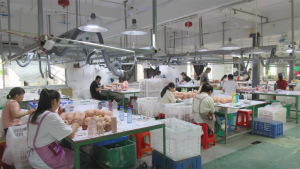
Consider a seller moving from artist-built vinyl dolls to a factory-produced newborn line. A typical outcome is a 40–60% reduction in unit cost and a shift from weeks per doll to a predictable batch schedule. The usual trade-offs are less variation between dolls and a first batch that needs tighter blush and skin-tone standards before it matches the artist samples.
Compliance and Safety Standards by Doll Type
How you market the doll decides which rules apply. A “not for children under 14” label does not exempt a product that is clearly marketed to or designed for children.
Key frameworks are ASTM F963 and CPSIA in the US, EN 71 and REACH in the EU, and UKCA marking under the UK Toys (Safety) Regulations. Watch phthalate limits for vinyl, small-parts risk from eyes and magnetic pacifiers, and magnet requirements.
Region | Core Requirement | Most Affected Types |
United States | ASTM F963, CPSIA, Children’s Product Certificate (CPC) | Full-vinyl and toy-channel dolls |
European Union | EN 71, REACH, CE marking | Vinyl (plasticizers), dolls with magnets |
United Kingdom | UKCA, Toys (Safety) Regulations | All child-marketed types |
How to Choose the Right Reborn Doll Type for Your Market
- Define channel and buyer:collector, gift buyer, child, or care facility.
- Set price ceiling and margin:work backward from retail to material. A $150 retail target rules out silicone.
- Match construction to use:bathing and play need full vinyl; display and therapy suit cloth-body or silicone.
- Choose sculpt age and features:start with two or three newborn sculpts before adding toddlers or variants.
- Audit supplier capability:check samples for paint realism, rooting density, seam finish, weight balance, odor, and valid test reports.
Common Mistakes to Avoid
- Marketing collectible silicone dolls as toys without toy-safety testing.
- Using unlicensed sculpts or copying named sculptor kits.
- Ignoring dimensional-weight pricing for toddler and silicone dolls.
- Underspecifying skin tone and paint standards with the factory.
- Overpromising “lifelike” features in listings, which drives returns.
- Skipping matte sealing on silicone, leading to lint and tackiness complaints.
FAQ: Reborn Doll Types
What are the main types of reborn dolls?
By material: soft vinyl, full-body silicone, and hybrid. By construction: cloth body, full-body vinyl, and full-body silicone. By age: preemie, newborn, infant, and toddler.
Are silicone reborn dolls better than vinyl?
Silicone is more realistic to touch but costs far more and needs more care. Vinyl is the better commercial choice for volume, gifting, and toy channels.
Can reborn dolls be bathed?
Only full-body vinyl and fully sealed full-body silicone dolls can be bathed. Cloth-body dolls cannot, because water damages the fill and fabric.
How much does it cost to manufacture a reborn doll?
Factory cost typically runs $25–$90 for vinyl and $180–$600 for full-body silicone, depending on size, hair, and finishing tier.
What is the difference between a reborn doll and a realistic baby doll?
“Reborn” traditionally means an artist-finished kit, while “realistic baby doll” usually describes a factory product. In listings, be accurate about which one you sell.
Are reborn dolls safe for children?
Only when the doll is built and tested as a toy. Full-vinyl dolls with secured eyes, no loose magnets, and ASTM F963 or EN 71 test reports are the appropriate choice for children.
How long does it take to make a custom reborn doll?
An artist build takes about 2–8 weeks. A factory run takes roughly 4–16 weeks including sampling, with silicone at the longer end.
Final Verdict: Matching Reborn Doll Types to Business Goals
- Cloth-body vinyl:the best balance of volume, margin, and realism.
- Full-body vinyl:for play, bath, and toy channels with full testing.
- Full-body silicone:for premium collector lines with higher price ceilings.
- Hybrids:for the $400–$900 mid-tier and therapy buyers.
Ready to Build Your Reborn Doll Line?
We specialize in reborn doll OEM and ODM for brands, wholesalers, and distributors. Request material samples, our spec-sheet template, or a quote for your target type and MOQ. Not ready to commit yet? Ask for our type-selection checklist and use it to plan your first run with confidence.
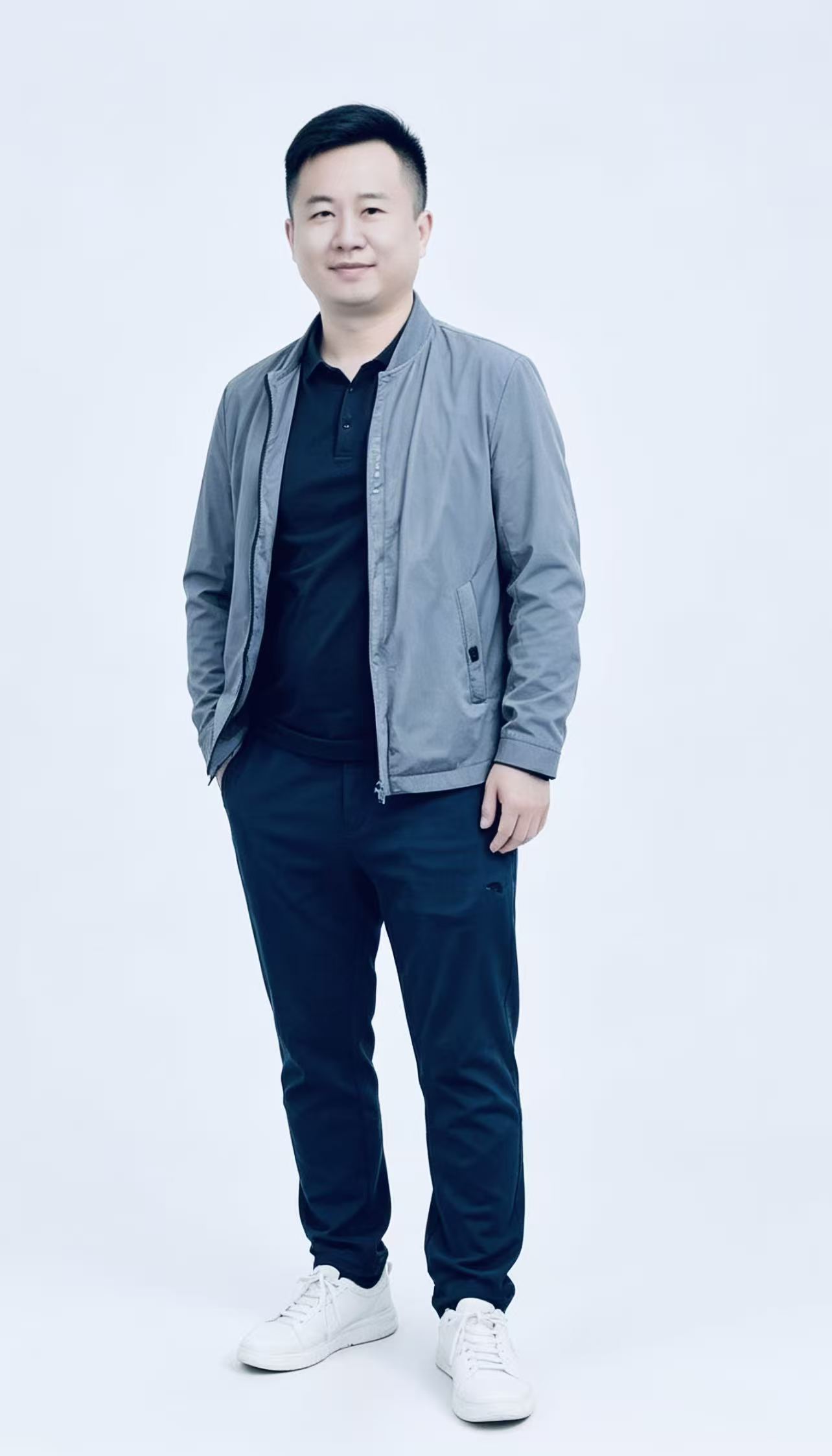
Owen is the second-generation founder of Sueban Group, a reborn doll manufacturer based in Guangdong, China. With over 20 years of family manufacturing heritage, Owen leads the company's B2B operations serving wholesalers, brands, and institutional buyers across 20+ countries.
Meet Owen →
 English
 Deutsch
 Français
 Español
 Italiano
 Nederlands