Are you struggling to choose between reborn dolls vs robotic pets for dementia care for your facility?
Finding the right non-pharmacological dementia interventions can make a massive difference in soothing patient agitation, reducing wandering, and bringing real comfort to those facing memory loss.
As a care professional, I know that investing in the safest, most effective sensory stimulation tools is crucial for your memory care unit. You need therapeutic solutions that actually work, fit your institutional budget, and always respect the dignity of your residents.
In this guide, you’re going to learn exactly which is better. We will compare the therapeutic benefits, safety profiles, maintenance costs, and ethics of both weighted therapy dolls and interactive robotic companions to help you make the smartest sourcing decision for your nursing home.
Let’s dive right in.
The Science of Sensory Therapy in Memory Care
When managing care for seniors with cognitive decline, watching a resident struggle with agitation or severe loneliness is one of the hardest challenges we face. We are constantly searching for the best dementia therapy solutions that provide genuine comfort without defaulting to heavy prescriptions. The foundation of this approach lies in proven psychological science.
Activating Deep-Seated Memories
To understand why sensory therapy works, I look directly at John Bowlby’s attachment theory. This psychological framework proves that our need to connect, nurture, and feel secure is hardwired into our brains from birth. For memory care patients, providing a lifelike therapeutic tool to care for bypasses the cognitive damage of dementia and taps right into those deep-seated, emotional memories of parenthood and purpose. The instinct to nurture remains profoundly intact, even in the later stages of cognitive decline.
Shared Therapeutic Benefits
When doing a comprehensive dementia therapy tools comparison, it becomes clear that giving a patient a dedicated companion offers immense relief. Before we break down the specific differences of reborn dolls vs robotic pets, it is important to highlight the shared, foundational benefits these non-pharmacological dementia interventions bring to healthcare environments:
- Reducing Anxiety and Agitation: The physical act of holding a comforting weight provides calming deep-pressure therapy, which naturally de-escalates distress and pacing.
- Lowering Reliance on Medication: By actively soothing patients through sensory engagement, these interventions often reduce the need for sedatives and chemical restraints.
- Combating Severe Loneliness: Whether facilities are exploring robot pets elderly care options or weighted therapy dolls, providing a constant companion breaks the isolating cycle of dementia.
These interventions are never just distractions. They are vital Alzheimer’s sensory stimulation tools designed to restore a sense of dignity, safety, and joy to a patient’s daily life.
Reborn Dolls: The Power of Authentic Human Connection
In any thorough reborn dolls vs robotic pets comparison, authentic human connection is where dolls truly stand out. When looking for the best dementia therapy solutions, we see that lifelike dolls tap directly into deeply ingrained nurturing instincts, offering immediate, tangible comfort to patients.
Sensory Realism and Physical Comfort
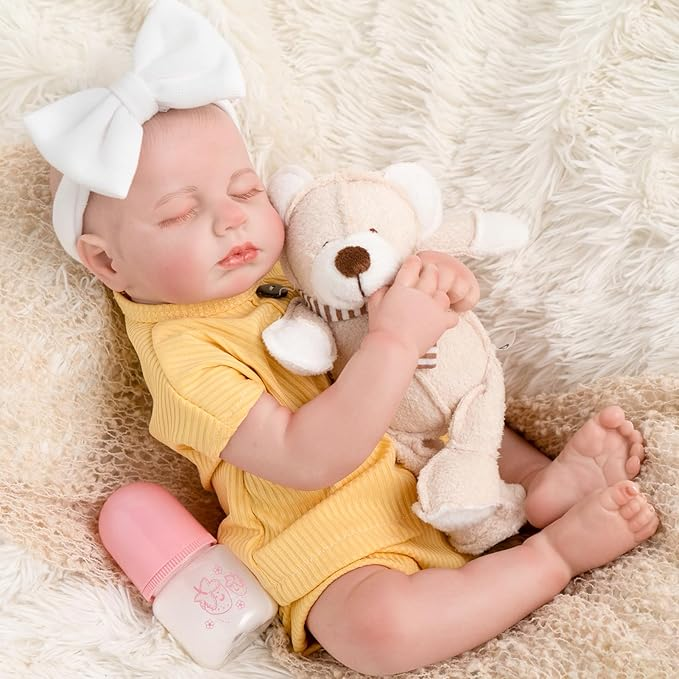
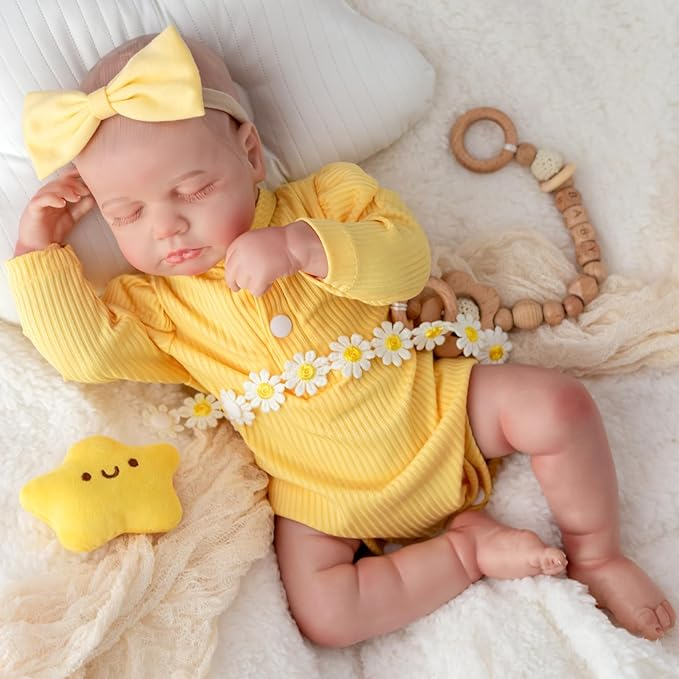
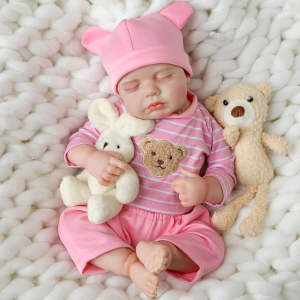
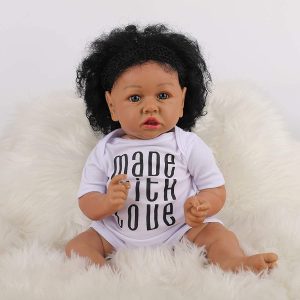
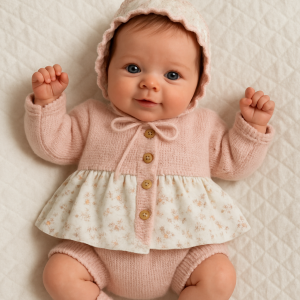
As highly effective Alzheimer’s sensory stimulation tools, reborn dolls deliver unparalleled physical comfort. We prioritize sensory realism to ensure these dolls feel incredibly natural and soothing to hold.
- Weighted Therapy: The realistic weight mimics a real infant, providing calming deep-pressure therapy. This is a highly effective, non-pharmacological method for calming agitation in memory care environments.
- Lifelike Materials: Whether utilizing huggable soft cloth or premium platinum silicone bodies, the tactile experience grounds the patient and reduces anxiety.
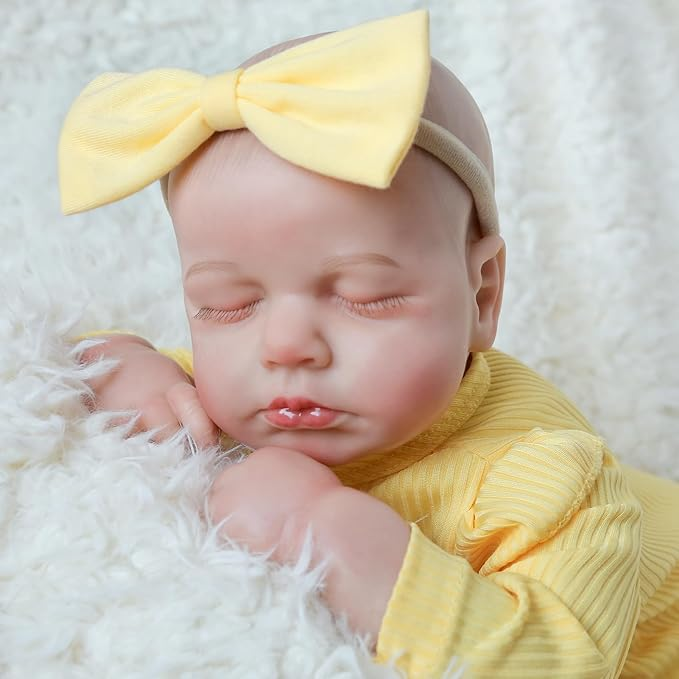
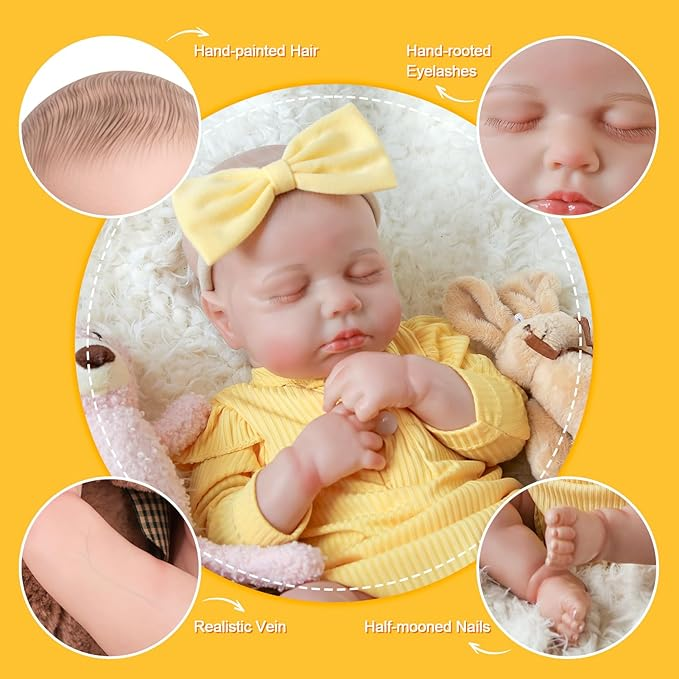
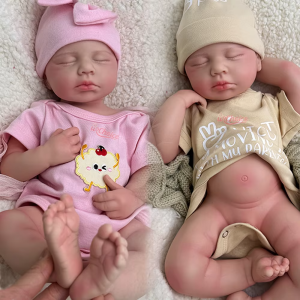
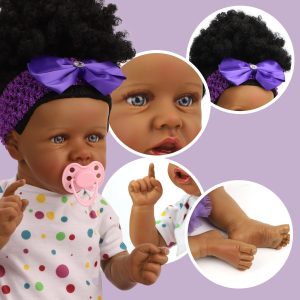
- Visual Authenticity: The 3D hand-painted skin textures and rooted hair create a genuinely lifelike appearance. Exploring the detailed craftsmanship involved in how to make a reborn doll highlights exactly why these visual and sensory details trigger such positive emotional responses.
Ease of Maintenance and Safety
For nursing homes and memory care facilities, practicality is just as important as the therapeutic outcome. Weighted therapy dolls for adults offer a distinct operational advantage over electronic alternatives.
- Zero Batteries Required: There are no chargers to lose or electronics to fail. The doll is always on and always ready to provide comfort.
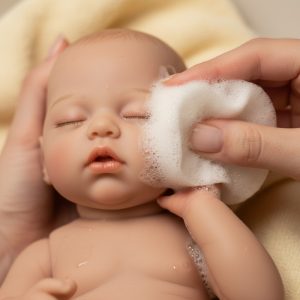
- Simple Washability: Care staff can easily clean and sanitize the dolls to maintain a hygienic environment, without the risk of destroying internal circuits.
- Non-Toxic Durability: Built to withstand constant, daily handling, these dolls are manufactured with safe, non-toxic materials. They completely eliminate the risks associated with the hard, breakable mechanical parts often found inside robot pets for elderly care.

Robotic Pets: Interactive Companionship
In the ongoing debate of reborn dolls vs robotic pets, robotic companion animals for seniors bring a unique, interactive element to memory care. These electronic pets use built-in sensors to react directly to a patient’s voice and touch, simulating the experience of a live animal.
The Appeal of Responsiveness
The primary advantage here is providing the comforting illusion of pet ownership without the heavy liabilities.
- Absolute Safety: There are zero risks of bites, scratches, or unpredictable animal behavior.
- No Vet Bills: Care facilities and families completely avoid the steep medical and food costs of live animals while still benefiting from effective non-pharmacological dementia interventions.
The Drawbacks: Mechanical Feel and Maintenance
While they offer vocal and physical reactions, robotic pets come with distinct hurdles that we always advise care directors to consider.
- Rigid Mechanics: Beneath the synthetic fur lies a hard skeleton of motors and plastic. They simply cannot provide the same yielding, deep-pressure comfort as silicone reborn dolls, which offer a much softer, natural embrace.
- Battery Dependency: These units require constant electronic upkeep. If a battery dies mid-interaction, the sudden lack of response can deeply upset or confuse a dementia patient.
- Unpredictability: Motor whirs, sudden mechanical movements, or unexpected barks can sometimes startle and agitate seniors rather than calm them.
- Cost Barriers: The high upfront price point makes it incredibly difficult to scale these devices across an entire nursing home wing.
Reborn Dolls vs Robotic Pets: A Side-by-Side Comparison
As a provider of dementia therapy solutions, I constantly help care facility directors choose the right sensory tools. When comparing reborn dolls vs robotic pets, the best choice comes down to sensory feedback, daily maintenance, budget, and the specific background of the dementia patient.
Here is a quick breakdown to help you decide which non-pharmacological dementia interventions work best for your facility:
| Feature | Reborn Dolls | Robotic Pets |
|---|---|---|
| Sensory Input | Soft, weighted, realistic skin | Hard internal mechanics, vibrating |
| Maintenance | Washable, zero power needed | Battery-dependent, electronic care |
| Cost Effectiveness | Highly accessible, scalable | High initial cost, recurring battery costs |
| Patient Suitability | Triggers human nurturing instincts | Ideal for former pet owners |
Key Differences for Memory Care
- Sensory Feel: Lifelike baby dolls for nursing homes provide calming deep-pressure therapy through their carefully weighted bodies. Exploring options like silicone vs vinyl reborn dolls highlights just how soft and realistic these therapeutic tools can be. In contrast, robotic companion animals for seniors often have rigid mechanical boxes hidden just beneath their synthetic fur.
- Daily Maintenance: Dolls are grab-and-go. They do not require charging cords, app updates, or battery replacements, and their cloth bodies or outfits are easily washable. Robotic pets require constant power management and delicate handling by staff to avoid breaking internal sensors.
- Budget and Scalability: Equipping an entire memory care wing is a significant investment. Sourcing wholesale reborn dolls is a highly cost-effective strategy for outfitting multiple residents. Robotic pets carry a much higher per-unit price tag, making large-scale rollouts difficult for tight facility budgets.
- Patient Background: The right choice hinges on the individual. A weighted therapy doll calms patients by activating deep-seated maternal or paternal nurturing instincts. Meanwhile, robot pets for elderly care are typically better suited for lifelong animal lovers who simply miss having a dog or cat on their lap.

Sourcing Wholesale Dementia Care Products
When evaluating reborn dolls vs robotic pets, finding a reliable source for your facility’s sensory tools is critical. We understand that nursing homes and memory care units require durable, non-toxic, and cost-effective solutions. Partnering with an ISO-certified B2B manufacturer like Sueban Group ensures you receive high-quality dementia therapy tools that meet strict healthcare standards.
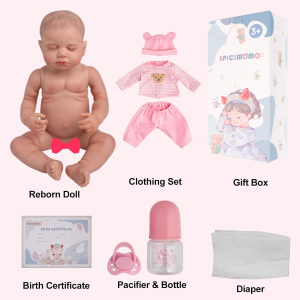
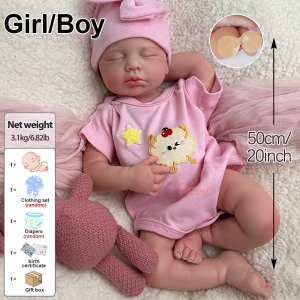
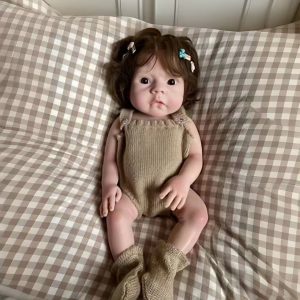
As a dedicated manufacturer, we supply safe, sensory-focused 20-inch lifelike reborn baby dolls specifically designed to soothe and comfort residents. Our manufacturing process focuses entirely on the practical and emotional needs of memory care environments.
OEM Therapeutic Reborn Dolls Advantages
We make bulk purchasing straightforward, scalable, and highly customizable to fit the demands of the US healthcare market. Partnering with us offers distinct advantages for your care facility:
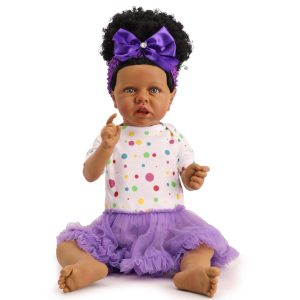
- Complete Customization: We offer customized weights and diverse skin tones so facilities can provide culturally appropriate and therapeutically weighted dolls.
- Fast Turnaround: Our streamlined operations guarantee a rapid 45-day OEM/ODM production cycle.
- Accessible Minimums: With a low MOQ of just 100 pieces, scaling your non-pharmacological dementia interventions is highly accessible.
- Strict Safety Compliance: Safety is non-negotiable. Our products pass rigorous CE, CPC, and ASTM standards, making them completely safe for vulnerable adults.
Sourcing directly from a trusted manufacturer guarantees you receive premium emotional support tools that provide comfort, reduce agitation, and seamlessly integrate into your daily care routines.
FAQs About Dementia Sensory Tools
How do you introduce a reborn doll or robotic pet?
When bringing Alzheimer’s sensory stimulation tools into a memory care environment, the approach must be organic.
- Do not force it: Leave the companion in a visible, accessible spot, like a favorite armchair.
- Let them initiate: Allow the senior to discover and pick up the item on their own terms.
- Mirror their reality: If they treat it as a real baby or live animal, agree with them. Never refer to it as a “toy” or “fake.” Following these standard dementia doll therapy guidelines prevents confusion and builds immediate trust.
Are reborn dolls and robotic pets safe for late-stage Alzheimer’s?
Yes, they are highly effective non-pharmacological dementia interventions for late-stage patients, provided you prioritize physical safety.
- Reborn Dolls: Stick to options without small, removable accessories like magnetic pacifiers or loose buttons to prevent choking hazards. Sourcing the best silicone reborn dolls ensures you get a safe, durable, and seamlessly constructed companion that can withstand daily handling.
- Robotic Pets: Ensure the mechanical components remain well-padded beneath the fur. Monitor the patient initially to ensure the sudden mechanical movements or artificial sounds don’t startle or confuse them.
What if a patient becomes overly protective?
It is completely normal for memory care residents to become fiercely attached to their new companion. If they refuse to let go of their doll or pet to eat, sleep, or bathe, we recommend a gentle redirection strategy:
- Create a safe space: Set up a dedicated bassinet or pet bed nearby. Tell the patient the baby needs a nap or the dog needs to rest while they eat.
- Never snatch or confiscate: Forcing the item away causes severe distress. Always negotiate a temporary, voluntary hand-off.
- Validate their purpose: Praise them for being such a good caregiver. Acknowledging their sense of responsibility is one of the most effective methods for calming agitation in memory care and preserving their dignity.
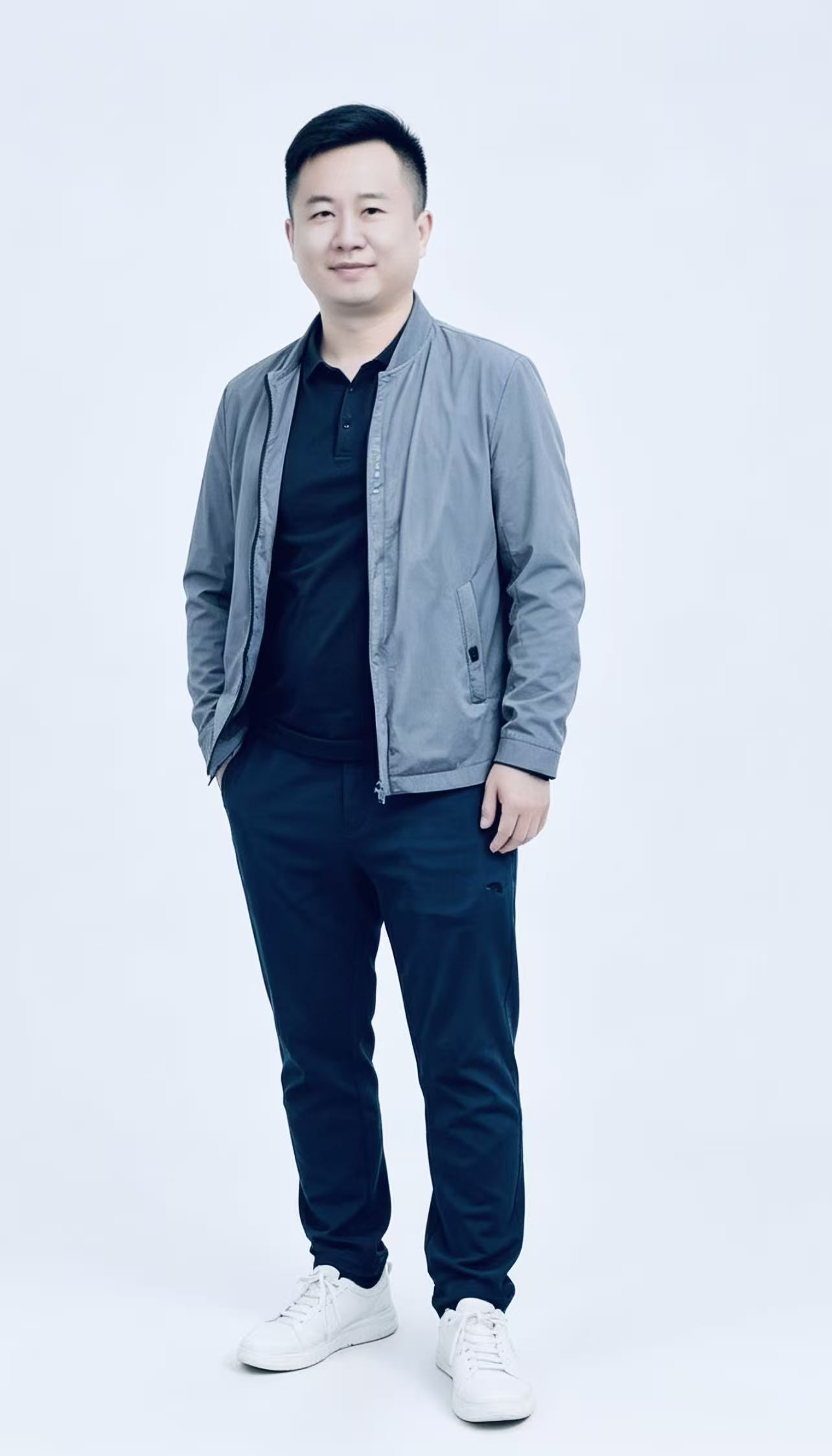
Owen is the second-generation founder of Sueban Group, a reborn doll manufacturer based in Guangdong, China. With over 20 years of family manufacturing heritage, Owen leads the company's B2B operations serving wholesalers, brands, and institutional buyers across 20+ countries.
Meet Owen →
 English
  Deutsch
  Français
  Español
  Italiano
  Nederlands