The future of dementia care is moving in a different direction.
Instead of relying only on medication, more care providers in the U.S. are exploring practical ways to improve comfort, reduce stress, and support emotional stability through daily routines and sensory-focused care.
In 2026, non-drug dementia care is becoming less about control and more about connection.
Therapy dolls, calming environments, sensory tools, and person-centered communication are now part of many modern memory care discussions. Families and caregivers are looking for options that feel more supportive, familiar, and dignified for seniors living with dementia or Alzheimer’s.
This guide looks at some of the biggest trends shaping the future of non-drug dementia care in 2026.
Therapy Dolls and Sensory Comfort in Dementia Care
One of the biggest shifts in memory care is the growing interest in sensory-based emotional support.
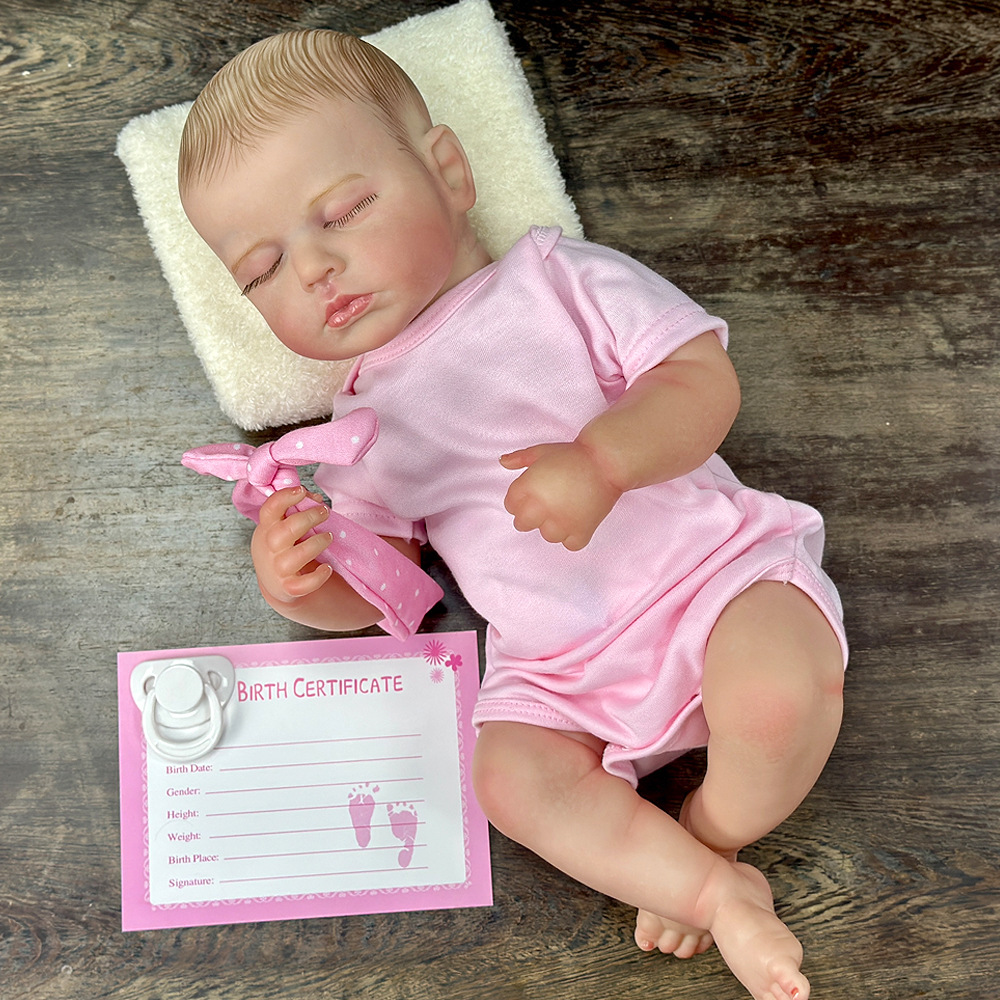
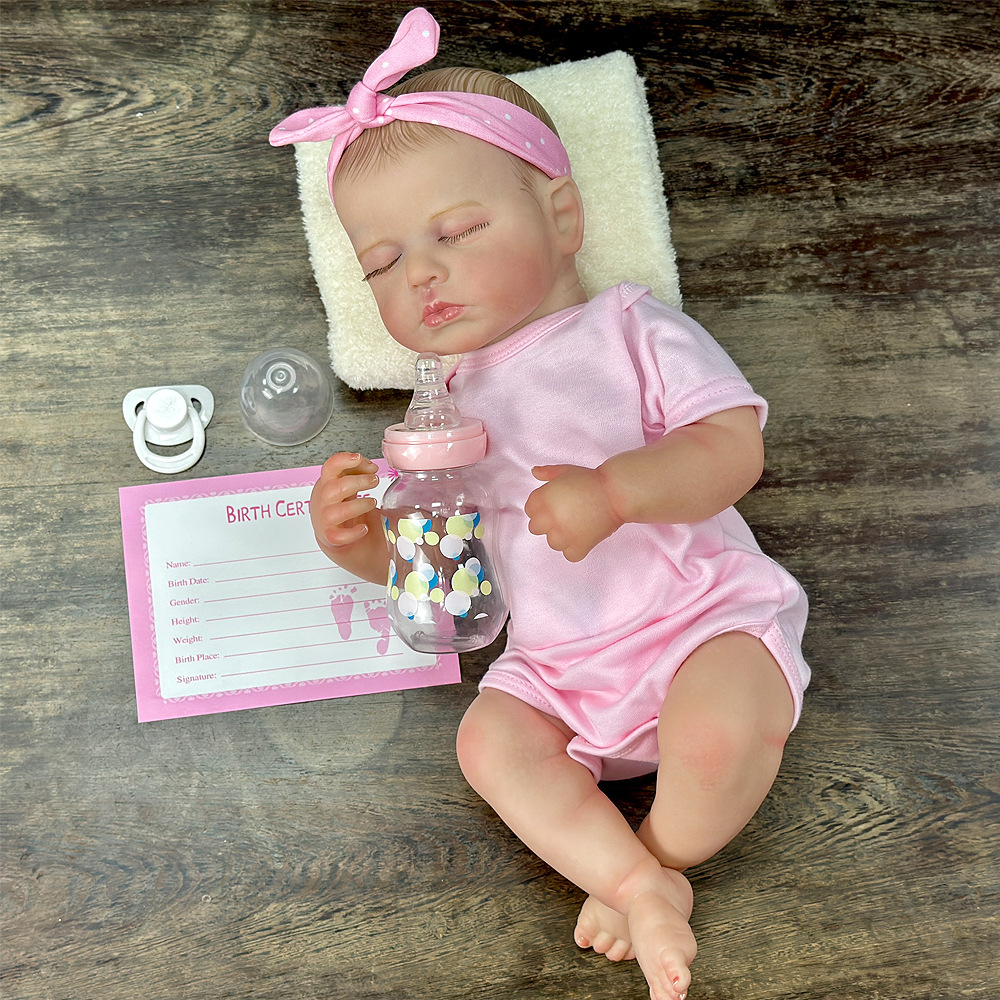
Many caregivers report that realistic therapy dolls and soft tactile items can help create a calmer atmosphere for seniors experiencing agitation, anxiety, or confusion.
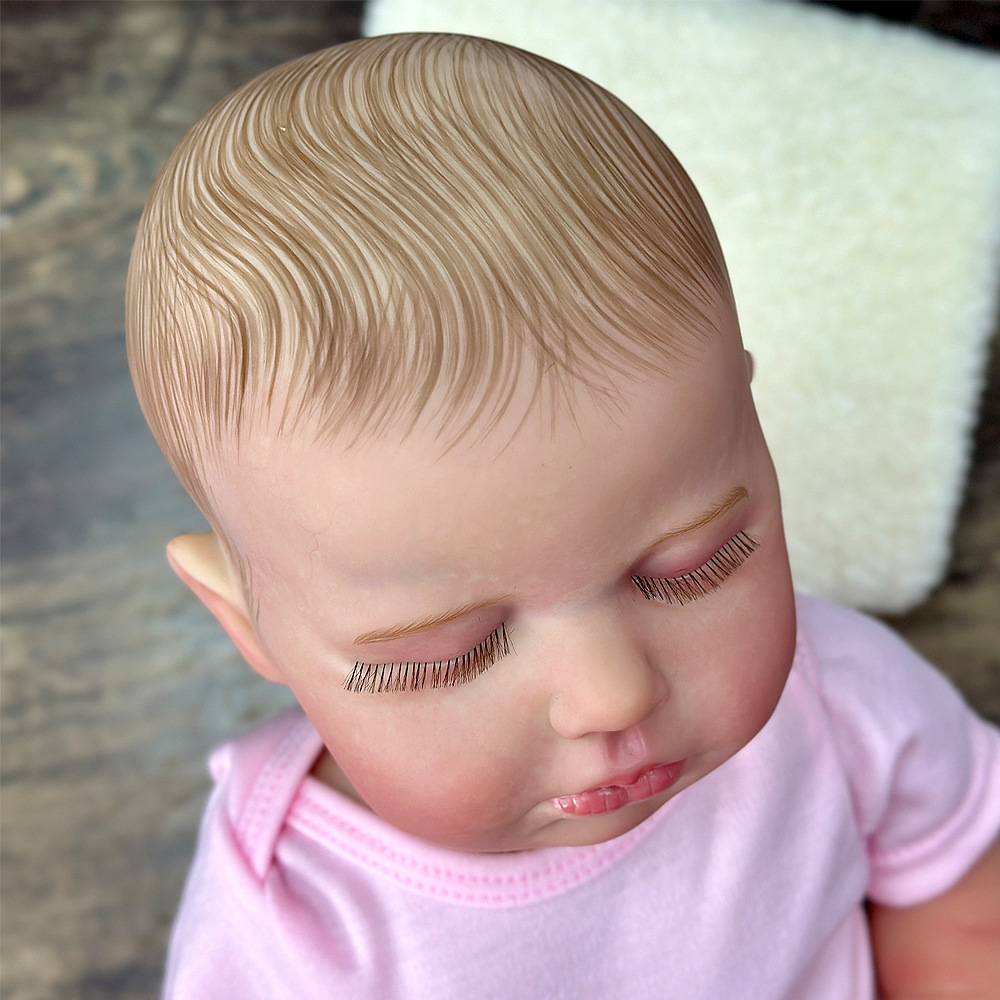
Unlike traditional toys, modern therapy dolls are designed with realistic weight, texture, and visual detail that may encourage emotional familiarity and nurturing behavior.
Some care facilities use these tools to support:
- Emotional grounding
- Calm daily routines
- Reduced restlessness
- Gentle social interaction
- Comfort during stressful periods
For many seniors, simply holding a soft, weighted object can provide reassurance and structure during difficult moments.
Supporting Emotional Connection
Dementia often changes a person’s sense of identity and independence. Familiar caregiving routines may help restore small feelings of purpose and emotional comfort.
That is one reason therapy dolls for seniors continue gaining attention in memory care settings.
Introducing Therapy Dolls Respectfully
One important lesson in modern dementia care is that dignity matters.
Care teams are becoming more careful about how sensory products are introduced to residents. Instead of forcing interaction, many facilities now prefer a softer, resident-led approach.
Gentle Introduction Methods
Common best practices include:
- Placing the doll in a shared space naturally
- Allowing the resident to approach first
- Watching emotional reactions carefully
- Using respectful language during interaction
- Avoiding infantilizing behavior
The goal is not to “trick” residents, but to provide emotional comfort in a respectful and supportive way.
Creating Calmer Dementia Care Environments
The physical environment can strongly affect dementia-related stress.
Many senior care providers are redesigning memory care spaces to reduce confusion and overstimulation.
Simple environmental adjustments may include:
- Softer lighting
- Neutral wall colors
- Reduced clutter
- Quiet sensory areas
- Comfortable seating spaces
These changes can help lower daily stress and make routines feel more manageable.
Sensory-Friendly Design
Some facilities are also exploring:
- Walking paths without dead ends
- Sensory gardens
- Soft-touch materials
- Familiar scents like lavender or peppermint
- Quiet rest zones
The focus is shifting toward environments that feel safe and emotionally predictable.
Circadian Lighting and Emerging Wellness Technology
Lighting is becoming an important part of wellness-focused dementia care.
Many facilities now use circadian lighting systems that change throughout the day to support healthier sleep routines and reduce evening confusion.
Typically:
- Brighter daylight-style lighting is used in the morning
- Warmer lighting is used during evening hours
Some care providers are also exploring emerging sensory technologies, including 40Hz light and sound programs. While research is still developing, interest in non-drug wellness tools continues growing.
To stay Google-safe, it is important not to present these technologies as guaranteed medical treatments.
Validation Therapy and Emotional Communication
Another major shift in dementia care is communication style.
Older approaches often focused on correcting memory mistakes. Today, many caregivers instead use validation-based communication to reduce distress and emotional conflict.
Why Validation Matters
Rather than arguing with a person experiencing confusion, caregivers may:
- Acknowledge emotions first
- Redirect gently
- Encourage conversation
- Focus on reassurance instead of correction
This approach often creates calmer interactions and reduces frustration for both residents and caregivers.
The “Yes, And” Approach
Many caregivers now use simple supportive responses such as:
- “Tell me more about that.”
- “That sounds important to you.”
- “Let’s check together.”
This style helps preserve emotional dignity while keeping conversations calm and supportive.
Technology in Future Dementia Care
Technology is also becoming more subtle and less intrusive in senior care environments.
Instead of heavy monitoring systems, many providers are interested in tools that quietly support safety and comfort.
Esempi includono:
- Motion-based fall alerts
- Sleep tracking systems
- Wellness reminders
- Digital memory support tools
- Calm sensory applications
Some facilities are also testing digital reminiscence programs that use familiar music, images, or virtual experiences to encourage emotional engagement.
Lifestyle Support Beyond Medication
Non-drug dementia care is not only about products.
Daily lifestyle habits also play a major role in emotional well-being and routine stability.
Nutrition and Hydration
Many caregivers now focus more on:
- Regular hydration
- Balanced meals
- Consistent eating schedules
- Simple nutrient-rich foods
These routines may help reduce stress caused by fatigue, dehydration, or irregular energy levels.
Gentle Movement and Physical Comfort
Low-impact activities can also support relaxation and emotional regulation.
Popular examples include:
- Chair yoga
- Tai Chi
- Stretching routines
- Walking programs
- Sensory-based movement sessions
Pairing movement with tactile comfort tools may help some seniors transition into calmer rest periods more easily.
Supporting Caregivers Matters Too
One growing conversation in 2026 is caregiver burnout.
Families and nursing staff are under enormous pressure, especially in long-term dementia care settings. Because of this, many organizations are now investing more heavily in caregiver education and emotional support resources.
Important areas include:
- Sensory care training
- Communication strategies
- Stress management
- Respite support
- Non-drug calming techniques
The long-term goal is creating care systems that support both residents and caregivers more sustainably.
The Future of Dementia Care Is Becoming More Human
The biggest trend in 2026 is simple:
People want dementia care to feel more human.
Families are looking for calm environments, emotional support, sensory comfort, and practical routines that improve daily life without relying entirely on medication.
Therapy dolls, sensory products, validation-based communication, and wellness-focused environments are becoming part of a larger shift toward person-centered dementia care.
For many care providers, the future is not about replacing medical treatment. It is about adding more comfort, dignity, and emotional support into everyday care routines.
Indice

Owen è il fondatore di seconda generazione di Sueban Group, un produttore di bambole reborn con sede a Guangdong, Cina. Con oltre 20 anni di eredità manifatturiera familiare, Owen guida le operazioni B2B dell'azienda servendo grossisti, marchi e acquirenti istituzionali in oltre 20 paesi.
Incontra Owen
 English
  Deutsch
  Français
  Español
  Italiano
  Nederlands