
If you’re sourcing dolls in 2026, safety questions come up much earlier in the buying process than they used to.
Buyers are no longer satisfied with vague claims like “non-toxic” or “safe materials.” They want documentation, traceability, and proof that products meet current Doll Safety Standards—especially in the U.S. market, where compliance requirements and marketplace scrutiny continue to increase.
At Sueban Group, we’ve seen this shift firsthand. Whether buyers are sourcing reborn dolls, collectible dolls, or children’s products, conversations now regularly include questions about ASTM F963, CPSIA compliance, material sourcing, and third-party testing before production even begins.
This change isn’t happening by accident. It’s being driven by tighter regulations, growing awareness around materials, and a rising number of counterfeit or poorly documented imports entering online marketplaces.
Why Doll Safety Standards Matter More Today
A few years ago, many buyers mainly focused on price, appearance, and shipping speed. Today, safety and compliance have become part of the decision-making process from the start.
In the U.S., ASTM F963 and CPSIA requirements have become the baseline for many retailers, importers, and online marketplaces. Buyers want reassurance that products are properly tested and manufactured using safer materials—not just marketed that way.
The concerns we hear most often include:
- Is the vinyl safe for regular handling?
- Are paints and coatings compliant?
- Will parts detach during use or shipping?
- Can the supplier provide real testing documentation?
- Is the product traceable if issues appear later?
For realistic dolls, these concerns become even more important because the products are designed for close contact and detailed finishes.

The Standards Buyers Pay Attention To
ASTM F963
ASTM F963 is one of the most recognized toy safety standards in the United States. It focuses on practical product safety issues buyers genuinely care about, including:
- Small parts and choking hazards
- Sharp edges or weak seams
- Flammability of fabrics and hair
- Material durability after repeated handling
- Basic chemical safety expectations
For doll manufacturers, this standard affects both product design and production consistency.
CPSIA Compliance
CPSIA requirements added stricter oversight around:
- Lead content
- Phthalates and restricted chemicals
- Product tracking labels
- Documentation and traceability
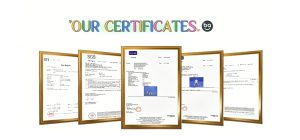
Many U.S. buyers now ask for compliance documents before placing large orders—especially if products are being sold through Amazon, Walmart Marketplace, or major retail channels.
We’ve also noticed that some importers only realize compliance problems after marketplace listings are flagged or delayed. By that point, production changes become expensive and time-consuming.
Why Buyers Are Becoming More Careful
Marketplace Pressure Is Increasing
Large platforms are paying closer attention to product compliance than they did a few years ago.
Buyers selling online are increasingly asked for:
- Third-party testing reports
- Material documentation
- Clear manufacturer information
- Batch or tracking details
This is especially important for imported products, where inconsistent suppliers and copied certifications remain a real issue.
Low-Quality Imports Have Hurt Buyer Trust
One major reason safety discussions are growing is the increase in poorly documented imports entering the market.
We still see products using:
- Low-grade vinyl with strong chemical odor
- Cheap paints or unstable coatings
- Weak attachment methods for hair or accessories
- Copied or outdated test reports
In realistic doll manufacturing, material quality matters far beyond appearance. Factories using lower-quality silicone or vinyl often struggle with odor stability, discoloration, or durability over time.
For buyers comparing different material types, our guide to reborn doll material differences explains how silicone, vinyl, and blended materials affect both realism and product safety.
Parents and Collectors Are Researching More Carefully
Today’s buyers research products much more thoroughly than before.
Instead of relying only on product photos, many now check:
- Safety claims
- Material details
- Manufacturer credibility
- Reviews discussing odor or durability
- Testing information
Social media and online reviews also spread recall warnings and product complaints much faster than in the past. One viral post about unsafe materials or failed testing can damage buyer confidence almost immediately.

How Safety Standards Affect Manufacturing
From the manufacturing side, meeting safety expectations affects almost every stage of production.
Material Selection
Safer production starts with sourcing better materials.
At Sueban Group, this includes paying close attention to:
- Vinyl and silicone stability
- Paint and pigment consistency
- Sealants and coatings
- Rooted hair attachment quality
- Odor control during production
This is especially important for realistic dolls designed for close handling or emotional comfort use.
For example, realistic reborn dolls with rooted hair and soft-touch finishes require stricter consistency than standard toy products because buyers expect both realism and durability.
Quality Control and Testing
Reliable suppliers don’t treat testing as a last-minute formality.
Instead, safety checks should happen throughout production, including:
- Material inspection
- Seam durability testing
- Attachment strength checks
- Surface finish consistency
- Batch tracking and documentation
This reduces the risk of inconsistent products entering the market.
What Buyers Should Check Before Ordering Dolls
When evaluating a doll supplier, I always recommend buyers verify a few basics first:
Ask for Specific Standards
Avoid vague phrases like:
- “safe materials”
- “non-toxic”
- “high quality”
Instead, ask directly about:
- ASTM F963
- CPSIA compliance
- Third-party testing
- Material traceability
Match Reports to the Actual Product
One common industry issue is unrelated or outdated reports being reused across different products.
Buyers should confirm:
- Factory name matches
- Product photos match
- Material descriptions match
- Dates are current
Pay Attention to Seller Transparency
Reliable suppliers usually provide:
- Clear manufacturing information
- Consistent communication
- Real product details
- Transparent testing documentation
If details are vague or constantly changing, that’s often a warning sign.
For additional guidance, our article on how to avoid fake reborn dolls online covers several common sourcing red flags buyers still overlook.
Why Safety Expectations Will Continue to Rise
Looking ahead, buyers will likely continue demanding:
- Better material transparency
- Safer chemical standards
- More consistent testing
- Stronger traceability
- Higher manufacturing consistency
As global sourcing expands, safety documentation is becoming just as important as product appearance or pricing.
At the same time, more buyers are prioritizing products that balance realism, durability, and safer manufacturing practices—especially in categories like reborn dolls, where material feel and close-contact use matter more than standard toys.
How Sueban Group Approaches Doll Safety
At Sueban Group, we treat compliance and material consistency as part of the manufacturing process—not just a marketing feature added later.
Our approach focuses on:
- Safer and more stable material sourcing
- Consistent production standards
- Documentation support for buyers
- Quality checks throughout manufacturing
- Realistic dolls designed with long-term durability in mind
As safety expectations continue evolving, buyers are becoming more selective about who they work with. Clear communication, traceable materials, and reliable production standards are no longer optional—they’re part of building long-term trust in today’s doll market.

Owen is the second-generation founder of Sueban Group, a reborn doll manufacturer based in Guangdong, China. With over 20 years of family manufacturing heritage, Owen leads the company's B2B operations serving wholesalers, brands, and institutional buyers across 20+ countries.
Meet Owen →
 English
  Deutsch
  Français
  Español
  Italiano
  Nederlands