
Baby dolls are more than just toys. They play a crucial role in child development. Through doll play, children learn empathy and nurturing skills. These skills are vital for social and emotional growth. Dolls help children understand family roles and dynamics. They mimic real-life situations, enhancing learning. Language skills improve as children engage in pretend play. Storytelling with dolls boosts vocabulary and communication. Handling dolls enhances fine motor skills. It also improves hand-eye coordination, which is essential for physical development.
Silicone reborn dolls offer a realistic experience. They can be comforting and therapeutic for children. Dolls teach responsibility as children care for their “babies.” This fosters a sense of independence and confidence. Doll play encourages creativity and imagination. It allows children to explore different roles and scenarios.
The Role of Baby Dolls in Early Childhood Development
Baby dolls serve as vital tools in early childhood development. They provide an avenue for exploring the world in a safe setting. Children naturally imitate adults. By caring for dolls, they practice important life skills. This includes feeding, dressing, and nurturing. Dolls also facilitate understanding of social norms. Kids learn about family dynamics and relationships through pretend play. The tactile experience with dolls enhances sensory development. Touching, holding, and manipulating dolls build sensory awareness.
Consider these roles that baby dolls play:
- Encourage emotional expression.
- Foster social skills and cooperative play.
- Improve problem-solving abilities.

Moreover, dolls allow for self-expression. Kids can project emotions onto their dolls, aiding emotional processing. This helps in coping with real-life situations.
Social and Emotional Growth Through Doll Play
Doll play significantly fosters a child’s social and emotional development. Dolls act as companions, which encourages children to explore feelings. Children learn to identify and express emotions by enacting scenarios with their dolls. Through role-playing, kids build their social skills. They often pretend that their dolls are part of social gatherings or family activities. This helps them practice understanding and empathy. Communication between dolls during play enhances interpersonal skills. Children get the chance to discuss emotions, like happiness or sadness, freely. This boosts emotional literacy and maturity. Exploring scenarios with dolls helps kids navigate complex feelings. As they play, they create narratives that mirror real-life social dynamics.
Consider these benefits of doll play:
- Develop empathy and understanding.
- Enhance emotional expression.
- Practice social roles and interactions.

Moreover, playing with dolls can be comforting. Children view dolls as reliable friends, which helps in managing stress and anxiety.
Building Empathy and Compassion
Empathy and compassion are crucial life skills. Doll play allows children to practice and develop these skills gently. Kids learn empathy by acting out caretaking scenarios with their dolls. They imagine the dolls’ feelings and respond accordingly. This experience teaches them to be compassionate in real life. Learning compassion at an early age forms a foundation for respectful social interactions. It empowers children to treat others kindly and improves peer relationships.
Understanding Family Roles and Relationships
Dolls help children understand family dynamics and roles. By imitating family scenarios, children grasp basic social structures. Some ways children learn about family include:
- Mimicking parental caregiving.
- Simulating sibling playtime with dolls.
- Creating family stories during play.
Playing with dolls helps children recognize and respect the roles people play within a family. This understanding contributes to healthier relationship building as they grow.
Language and Communication Skills
Doll play is a delightful way for children to develop language and communication skills. As kids engage with dolls, they create dialogues, expanding their vocabulary. Pretend play with dolls invites storytelling. Children narrate stories and direct conversations between dolls, boosting language fluency. This practice strengthens narrative skills and comprehension. Through role-play, kids rehearse social conversations. They learn how to articulate thoughts and respond in dialogues. As they enact different scenarios, their communication skills grow.
Consider the language benefits of doll play:
- Enhances speech and articulation.
- Promotes narrative skills.
- Encourages active listening.
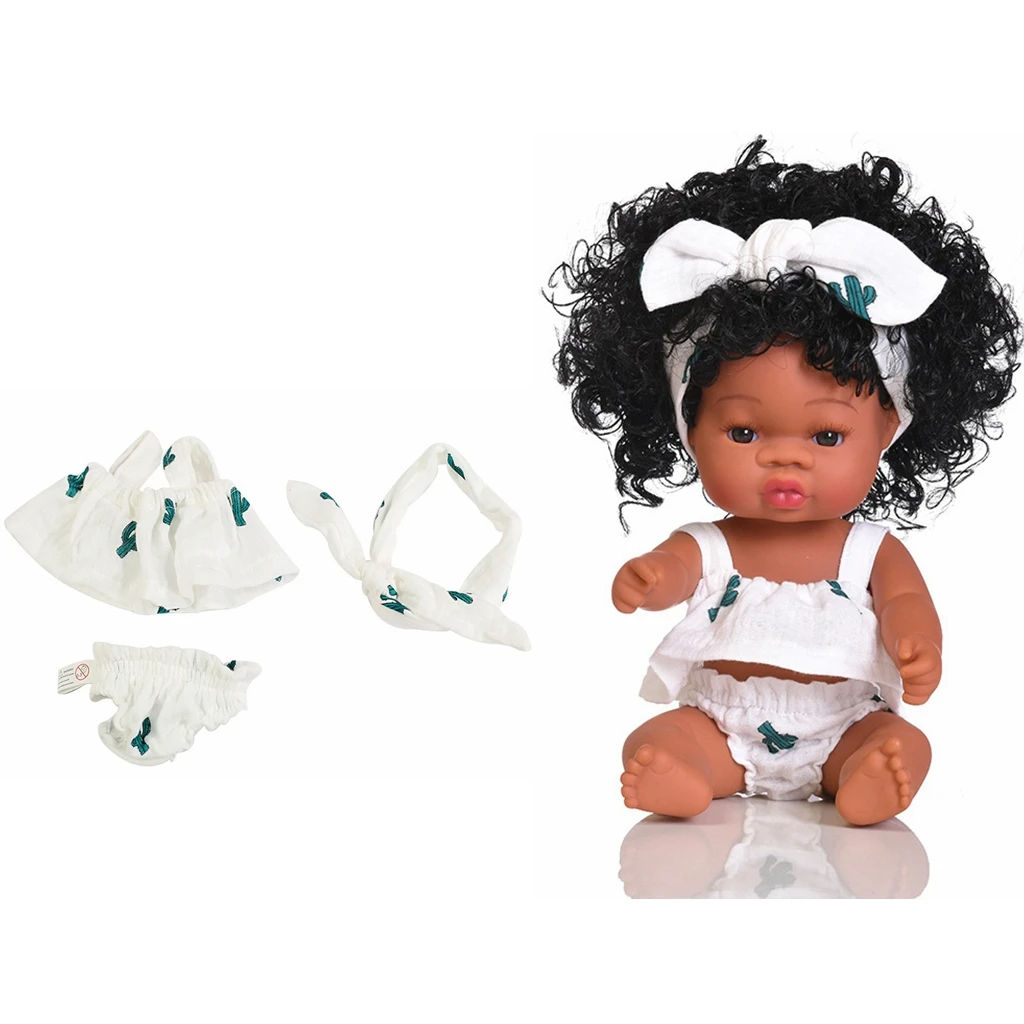
Doll play encourages confidence in conversation. Kids become more expressive, learning to convey feelings and ideas effectively.
Storytelling and Imaginative Play
Dolls inspire storytelling, fueling imagination. Children dream up creative scenarios involving their dolls. This activity sharpens their narrative skills. Imaginary play allows children to experiment with story arcs and character development. They explore different outcomes and plot twists. This enriches their understanding of language structures and storytelling techniques. By weaving tales during play, kids practice sequencing ideas logically. This nurtures coherent communication abilities.
Expanding Vocabulary and Social Dialogue
Doll play expands children’s vocabulary. As they engage in various scenarios, they learn new words. Kids simulate social dialogues between dolls, which cultivates language development. This practice enhances their conversational abilities over time. Key language skills refined through doll play include:
- Learning new words in context.
- Practicing sentence structures.
- Engaging in give-and-take conversations.
Doll interactions offer children a safe space to explore language freely, boosting confidence in their communication skills.
Cognitive and Problem-Solving Development
Doll play is a powerful tool for enhancing cognitive development and problem-solving skills. As children engage with dolls, they encounter various scenarios requiring thoughtful solutions. These activities help them develop analytical thinking and adaptability. Children use dolls to simulate life situations, which sharpens their decision-making abilities. They learn to assess problems and explore possible solutions creatively. This hands-on experience is invaluable for cognitive growth. Doll play fosters essential cognitive skills:
- Problem-solving through simulated scenarios.
- Analytic thinking by evaluating different outcomes.
- Adaptive thinking in diverse play situations.
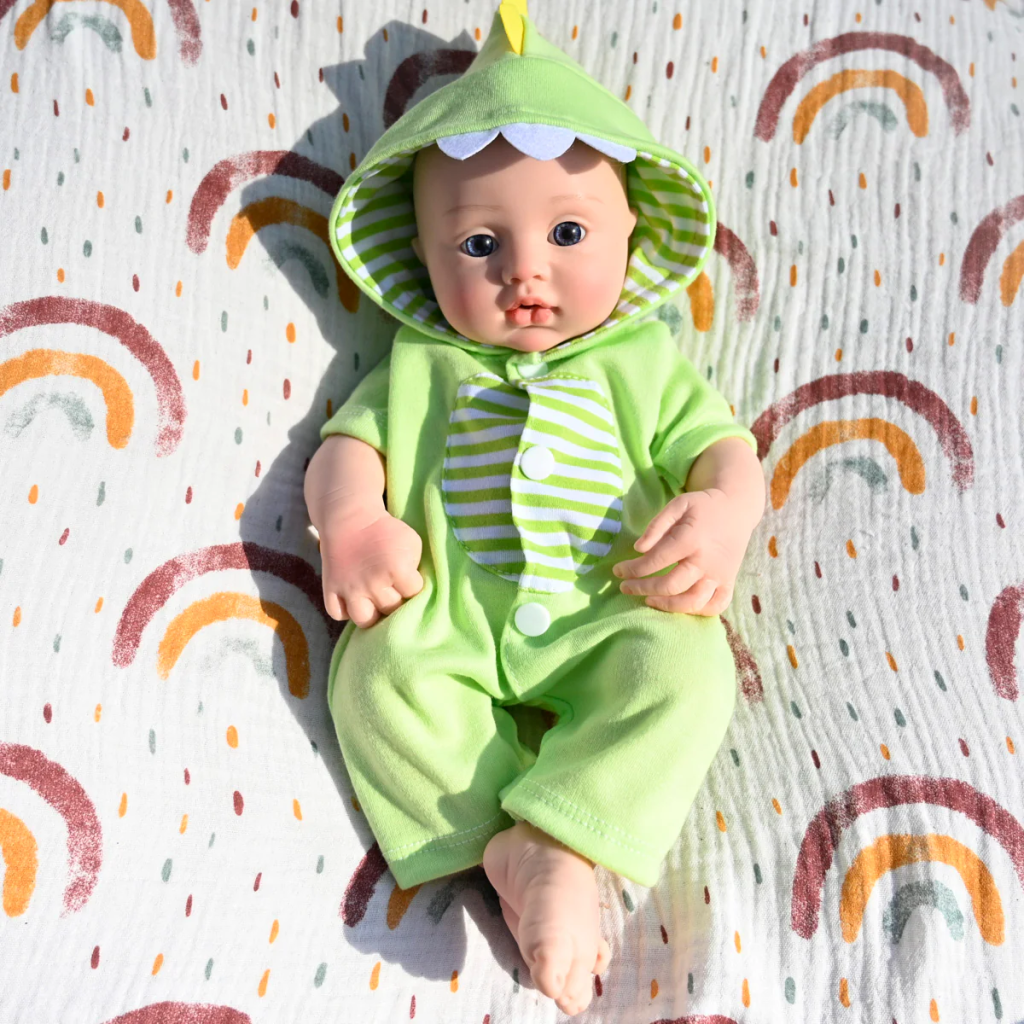
Interactive play helps children devise creative solutions and deepen their understanding of cause-and-effect relationships. These experiences build a solid foundation for effective problem-solving in real-world settings.
Creativity and Imagination
Dolls inspire creativity and imagination by offering endless opportunities for inventive play. Children engage in diverse roles and stories, fueling their imagination.
Through doll play, they explore fantasy worlds and create unique narratives. This imaginative exploration expands their creativity and innovation. Creative benefits of doll play include:
- Encouraging imaginative role play.
- Inspiring unique storytelling.
- Sparking innovative ideas.
Doll play allows children to envision new possibilities, fostering an inventive mindset that benefits lifelong learning.
Learning Responsibility and Routine
Dolls teach children responsibility and routine by mimicking care-taking actions. Kids learn to nurture their dolls, understanding caregiving roles. Through daily doll activities, they establish routines like feeding and dressing, practicing order and discipline. This consistent care nurtures a sense of duty. Key lessons from doll play include:
- Understanding responsibility through routine care.
- Practicing organization and discipline.
- Building self-regulation skills.
By integrating these responsibilities, children develop reliable habits, strengthening their self-discipline and independence.
Fine Motor Skills and Physical Coordination
Playing with dolls enhances fine motor skills crucial for child development. By dressing and undressing dolls, children refine finger movements, improving dexterity. These actions help children develop control over small muscle groups.
As they manipulate dolls, kids practice physical coordination, from balancing dolls to using accessories. These activities require precision and refine their motor abilities. Key fine motor benefits from doll play include:
- Enhancing finger dexterity through dressing dolls.
- Improving hand strength with gripping and holding.
- Developing coordination by positioning dolls.

Engagement with dolls lays the groundwork for advanced skills necessary for tasks like writing and using tools.
Hand-Eye Coordination and Dexterity
When playing with dolls, children develop hand-eye coordination by aligning actions with visual feedback. They learn to synchronize hand movements with what they see.
This coordination is vital for many daily tasks. As they dress dolls and adjust small items, their dexterity advances, boosting practical skills. Benefits for hand-eye coordination include:
- Synchronizing hand movements with visuals.
- Perfecting actions like buttoning or zipping.
- Enhancing precision in task completion.
These skills empower children in academic and recreational activities, preparing them for more complex tasks as they grow.
Therapeutic and Comforting Benefits of Dolls
Baby dolls offer profound therapeutic and comforting benefits to children. They provide a sense of security and stability, especially during uncertain times. Children often find solace in the tactile and calming experience dolls provide.
When children play with dolls, they engage in comforting routines and nurturing behaviors that can be deeply therapeutic. This helps them process emotions and develop healthy coping mechanisms. Dolls can also be instrumental in managing anxiety and stress, offering a grounding presence. Key therapeutic benefits include:
- Providing emotional comfort in stressful times.
- Helping in processing emotions and anxiety.
- Acting as a companion for children needing support.
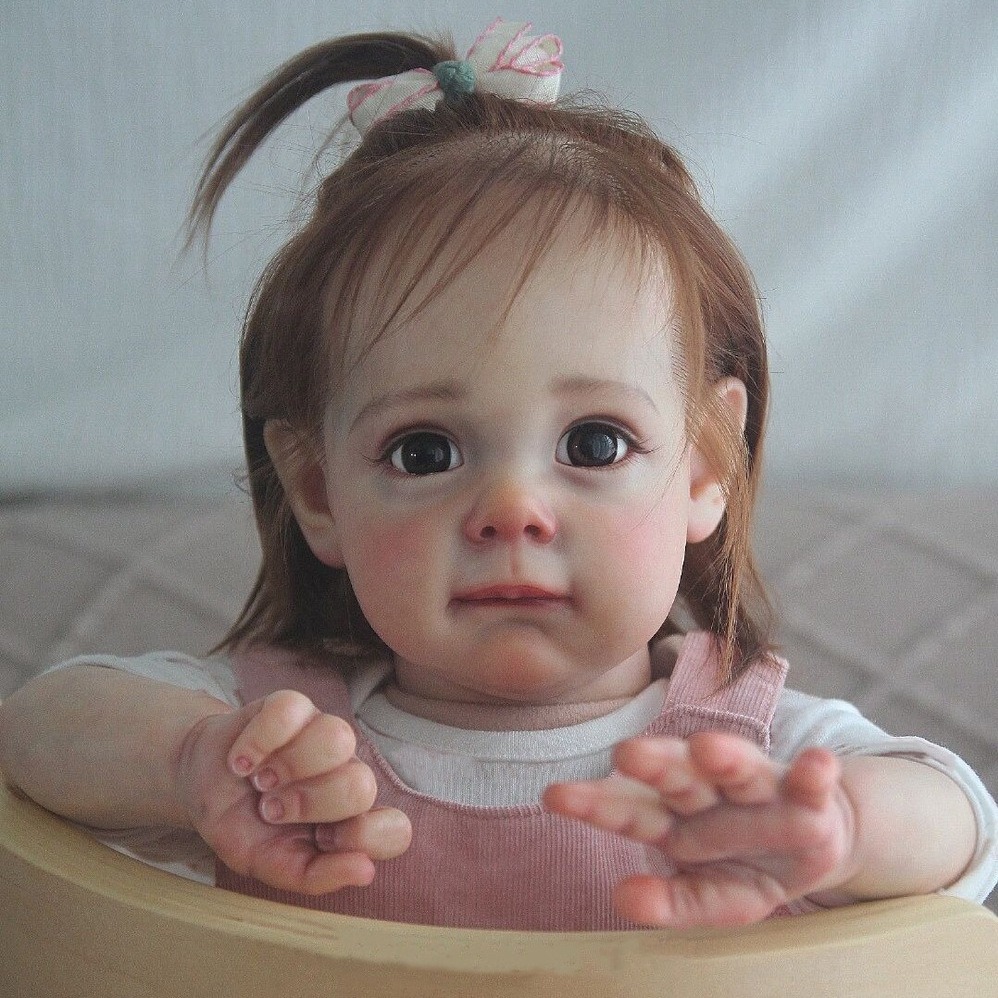
These interactions aid in building resilience and emotional strength, vital for healthy psychological growth.
Dolls in Play Therapy and Emotional Healing
Dolls are valuable tools in play therapy, facilitating emotional healing. They allow children to express feelings they can’t verbalize. Through role-play, children navigate and process complex emotions.
Play therapy with dolls supports emotional growth and healing. This method offers children a secure way to explore their inner world. It empowers them to express and resolve difficult emotions constructively.
Diversity, Inclusion, and Cultural Awareness
Baby dolls offer opportunities to teach diversity and inclusion. By presenting children with dolls of various ethnicities and backgrounds, they learn to appreciate differences. This plays a crucial role in promoting cultural awareness from a young age.
Incorporating diverse dolls into play encourages acceptance and empathy. It also allows children to see a reflection of their own identity. This validation is vital for their confidence and self-esteem.
Key benefits of diverse dolls include:
- Teaching acceptance and respect for different cultures.
- Promoting empathy and social understanding.
- Reflecting diverse backgrounds, fostering pride in cultural heritage.
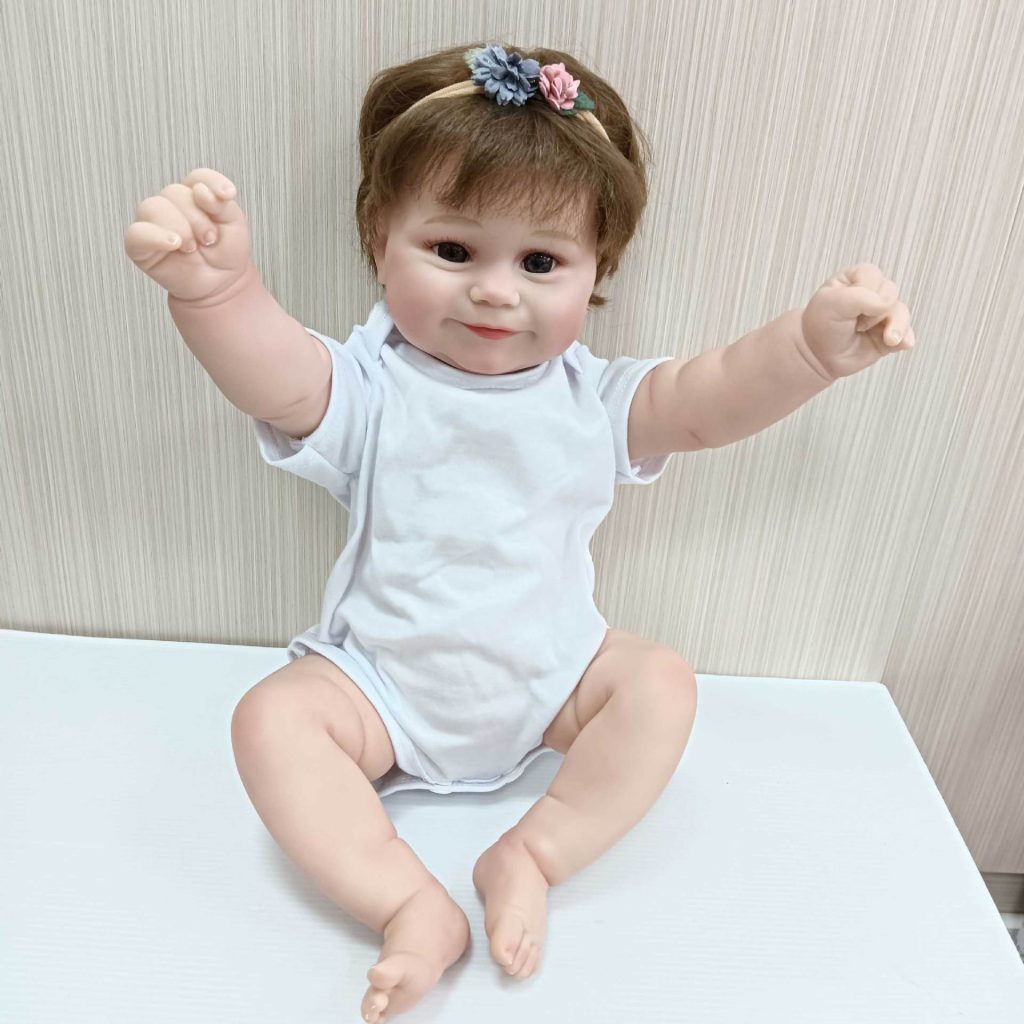
Diverse dolls enrich play by broadening children’s perspectives, preparing them for a multicultural world.
Representation and Identity Formation
Dolls can play a pivotal role in children’s identity formation. Seeing themselves represented in toys boosts children’s confidence and self-worth. It helps them to form and affirm their personal and cultural identity.
Children benefit from:
- Dolls that reflect their appearance and culture.
- Play experiences that validate their uniqueness.
These aspects reinforce positive self-identity, encouraging children to embrace who they are.
Choosing the Right Baby Doll: Materials and Types
Selecting the perfect baby doll involves considering various materials and types. Each offers unique benefits that contribute to developmental play. Silicone reborn dolls and vinyl baby dolls are two popular options.
When choosing a doll, consider the following factors:
- Realism and tactile experience.
- Durability and ease of cleaning.
- Safety and age-appropriateness.
Silicone reborn dolls provide a lifelike feel, ideal for nurturing play. Vinyl dolls, on the other hand, are known for their sturdiness and easy maintenance. The choice should reflect the child’s needs and interests.
Understanding these characteristics ensures the doll can serve as both a teaching tool and a source of comfort.
Silicone Reborn Dolls vs. Vinyl Baby Dolls
Silicone reborn dolls and vinyl baby dolls each offer distinct experiences. Silicone reborn dolls mimic real infants with their soft texture and realistic features. This makes them ideal for comforting and therapeutic play.
Vinyl dolls are durable and easy to clean. They’re practical for active, everyday play. Both types provide educational value, but they cater to different play styles.
Key differences include:
- Lifelike texture vs. durability.
- Maintenance considerations.
- Sensory and play engagement.
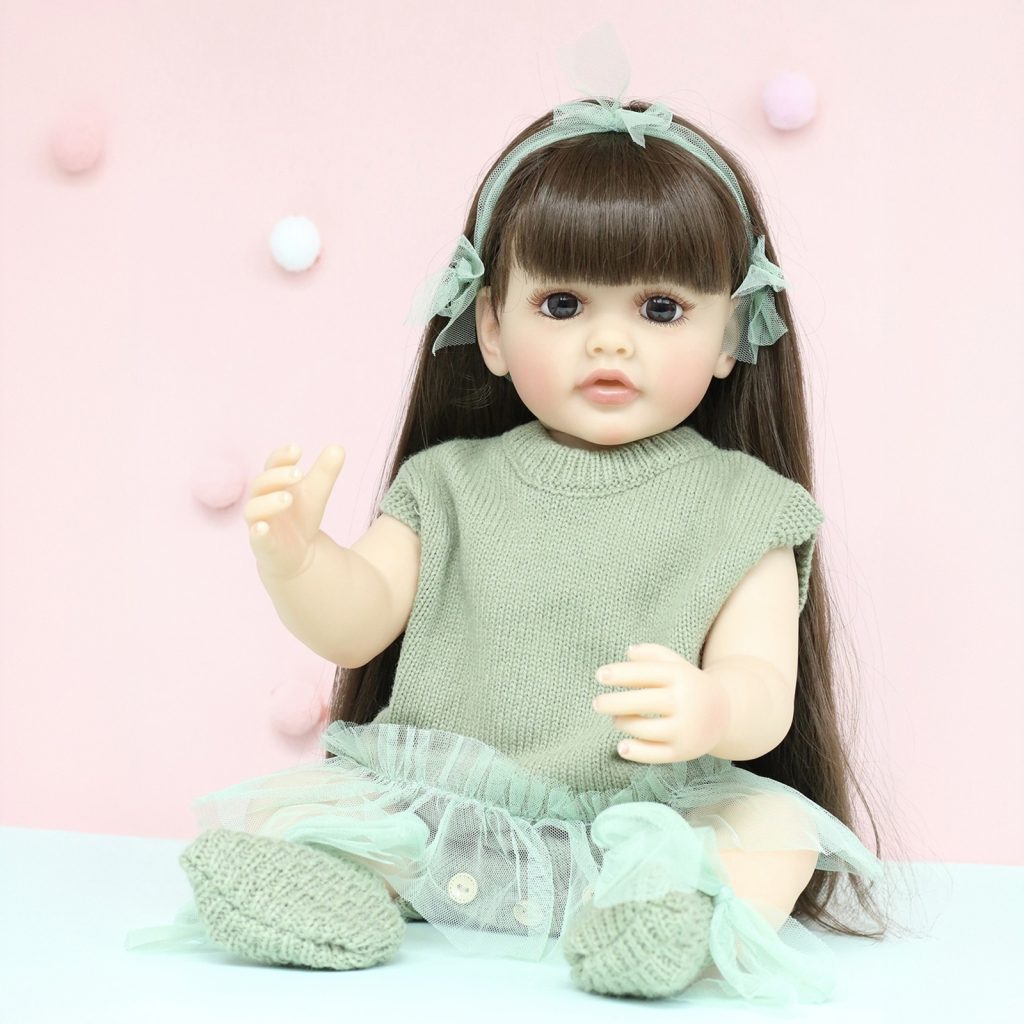
Choosing between them depends on personal preference and intended use.
Finding a Reborn Baby Supplier
Selecting a reputable reborn baby supplier is crucial for quality and safety. Suppliers offer a range of dolls catering to varied tastes and developmental needs.
When selecting a supplier, consider:
- Customer reviews and recommendations.
- Range of products and customization options.
- Safety and quality certifications.
A reliable supplier ensures the dolls meet educational and nurturing expectations, providing peace of mind for parents and caregivers.
Practical Tips for Parents, Caregivers, and Educators
Effectively using baby dolls for development requires thoughtful approaches from adults. Dolls can greatly enhance playtime, but how they’re introduced matters. Providing guidance and creating a positive environment maximizes their impact.
Here are some practical tips:
- Encourage open-ended play and let children take the lead.
- Use dolls to model positive behavior and social skills.
- Integrate dolls into storytelling to boost creativity.

Additionally, regularly observe how children interact with their dolls. This can offer insight into their emotional and cognitive development. Finally, ensure all toys, including baby dolls, are age-appropriate and free from choking hazards, ensuring safe play.
Conclusion: The Lasting Impact of Doll Play on Child Development
The benefits of baby dolls in child development are profound and diverse. They offer a unique way for children to learn and grow. Through engaging play, children develop essential life skills that will serve them well.
Dolls nurture emotional and social skills. They help children comprehend complex relationships and emotions. This play-based learning is both effective and enjoyable.
Overall, incorporating dolls into playtime enriches developmental experiences. As a versatile tool, they foster creativity, communication, and empathy. These are foundational elements in shaping well-rounded individuals.
