
Lifelike baby dolls are designed to closely resemble real babies. They come in various sizes, weights, and materials, each designed to simulate a specific stage of a baby’s development. Whether you’re a collector, a parent buying a doll for role-playing, or using a doll for therapy, choosing the right size is key to achieving the most realistic and enjoyable experience.
Mini Dolls and Premature Baby Dolls
Size and Weight: Typically 9-12 inches (approximately 23-30 cm), weighing 0.3-0.5 lbs (approximately 0.1-0.2 kg)
Material: Vinyl or silicone limbs, soft fabric body
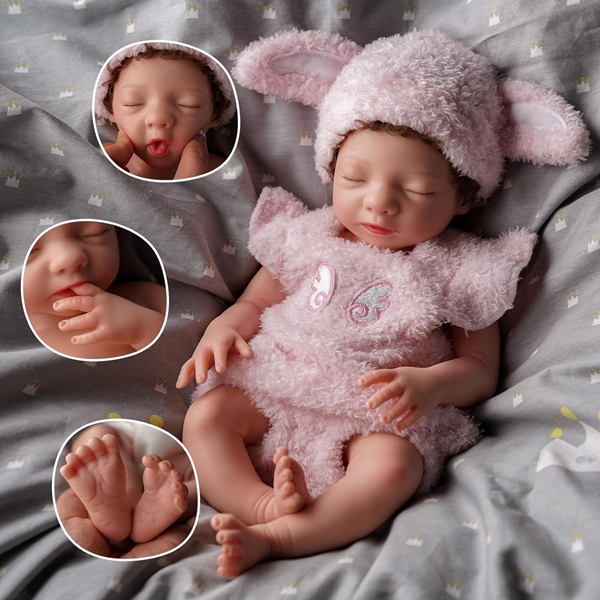
Newborn Doll Sizes
Newborn dolls simulate full-term babies and are the most popular size for beginners.
Size and Weight: Typically 16-20 inches, weighing 1.5-2.5 lbs
Material: Vinyl or silicone limbs, with a weighted fabric body for a realistic feel
Toddler and Child Doll Sizes
Size and Weight: Typically 20-28 inches (50-71 cm), weighing 3-8 lbs (1.4-3.6 kg)
Material: Weighted vinyl or silicone limbs, often with hand-implanted hair
Recommended Sizes by Use:
Collection/Display: 16-28 inches
Play/Role-Playing: 9-20 inches
Therapeutic/Educational: 9-20 inches

Owen is the second-generation founder of Sueban Group, a reborn doll manufacturer based in Guangdong, China. With over 20 years of family manufacturing heritage, Owen leads the company's B2B operations serving wholesalers, brands, and institutional buyers across 20+ countries.
Meet Owen →
 English
  Deutsch
  Français
  Español
  Italiano
  Nederlands