
Reborn dolls are grouped along two axes that every reborn doll catalog, artist listing, and wholesale sheet quietly relies on: material (vinyl, silicone, or blended construction) and developmental stage (newborn, mini, or toddler). Get those two coordinates right and you can price, source, and match a doll to a buyer with confidence. Get them wrong and you’ll mislabel inventory, mis-set expectations, and lose margin.
This guide walks through both classification systems that practitioners actually use when selecting a reborn baby, then moves into a decision framework, common sourcing mistakes, and care requirements. Whether you collect, retail, or create these pieces, treat material and size as the foundation for every downstream decision.
What Is a Reborn Doll? A Quick Definition
A reborn doll is a manufactured or artist-transformed doll made to resemble a human infant with lifelike detail — subtle skin mottling, hand-rooted hair, veining, and realistic weight. The transformation itself is called reborning, a process that typically involves stripping factory paint, applying dozens of translucent paint layers, micro-rooting mohair or human hair, and weighting the body with glass beads or poly-pellets.
The critical distinction for buyers is between a blank kit (unpainted vinyl or silicone parts sold to artists) and a finished piece (a completed doll ready for display or use). A kit might cost a fraction of the finished work; the labor and artistry account for most of the retail value.
The hobby traces to the early 1990s, when doll enthusiasts in the United States began customizing mass-produced dolls into more realistic infants. It has since grown into a global craft market with an estimated worth in the low hundreds of millions of dollars annually, spanning hobbyist artists, dedicated studios, and mainstream online retailers.

Why Understanding Reborn Doll Types Matters
Classification isn’t academic. It maps directly to reborn doll pricing tiers: an entry vinyl kit and a full-body platinum silicone baby can differ by a factor of twenty or more. Knowing where a piece sits tells you what to charge and what a buyer should expect.
It also maps to reborn baby buyer segments. Collectors chase artist provenance and limited sculpts. Therapeutic buyers — eldercare facilities and grief-support programs — prioritize weight and tactile comfort. Gift buyers want realism at an accessible price. Each segment favors a different material and size.
Finally, type dictates reborn doll sourcing and care. Vinyl and silicone demand different cleaning, storage, and handling. Misclassify a doll on a listing and you’ll trigger returns, refund disputes, and reputational damage that costs far more than the sale.
The Two Main Classification Systems
Nearly every accurate product description combines both axes — for example, “full body silicone newborn” or “vinyl toddler reborn.” Understanding each axis independently lets you read any listing correctly.
By Material
Material determines realism, weight, durability, maintenance, and price band. The three broad categories are vinyl, silicone, and blended (hybrid) construction.
By Size and Developmental Stage
Size reflects the infant stage being portrayed: micro-preemie and mini, newborn, and toddler. Size drives clothing sizing, weighting targets, and display footprint.
Reborn Dolls by Material
Material is the dominant search intent when people ask about types of reborn dolls explained, so it deserves the most detail.
Vinyl Reborn Dolls
Vinyl is the market standard and the most beginner-friendly category. Modern kits use phthalate-free vinyl that holds paint well and resists everyday handling. Artists cure paint layers with Genesis Heat Set paints, which bond permanently to vinyl under controlled heat and won’t rub off with normal contact.
Durability is the headline advantage. Vinyl tolerates posing, gentle play, and repeated handling far better than silicone. Price positioning is mid-range: a finished artist vinyl reborn commonly sits between $150 and $600, with limited-edition sculpts by well-known artists climbing higher.
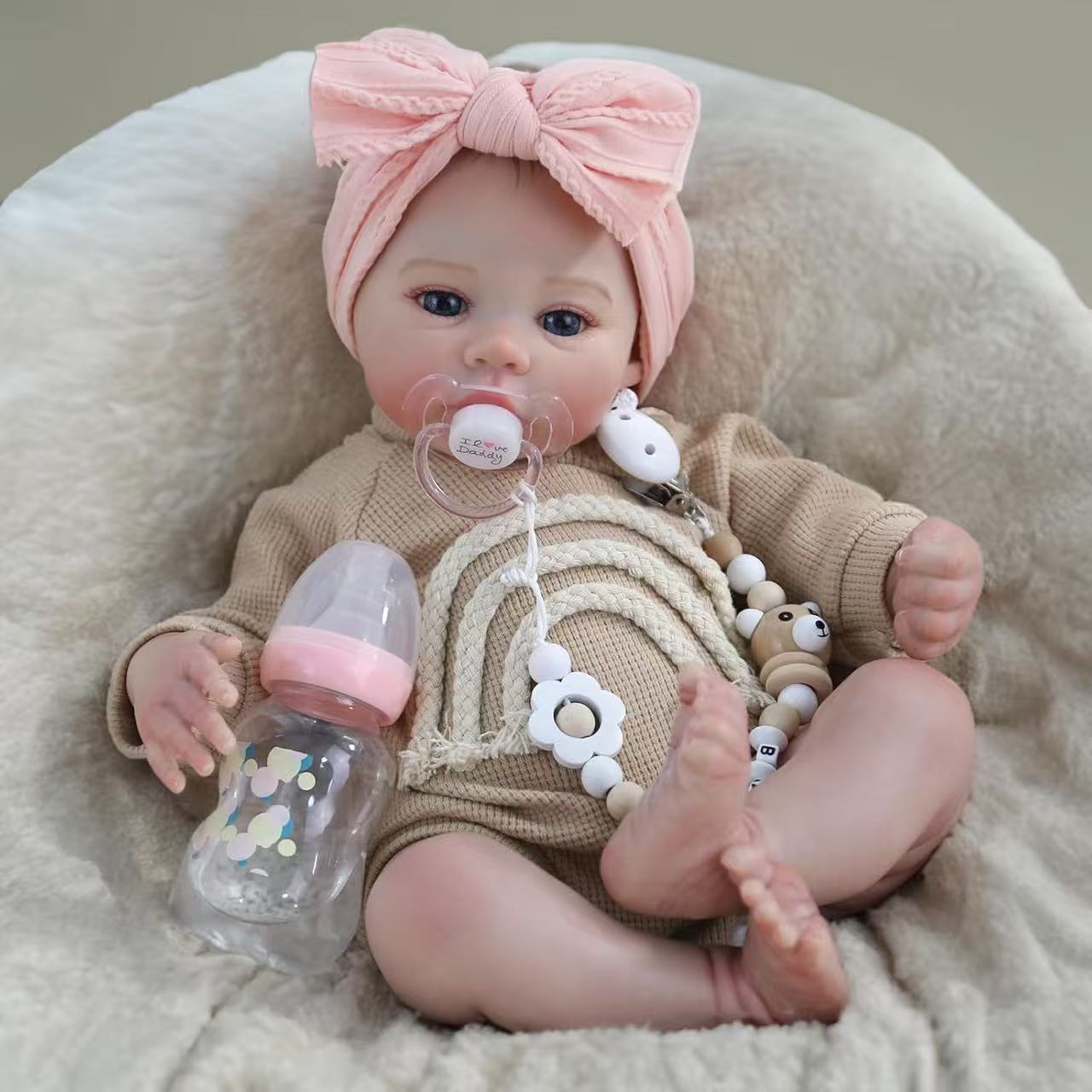
Full Body Vinyl Reborn Babies
Full body vinyl reborn babies are fully poseable and — importantly — usually water-safe, meaning they can be gently bathed. Limbs may be hollow or solid; hollow limbs are lighter and often more suited to display, while solid limbs feel heavier and more infant-like.
For care, bathe in lukewarm water with mild soap, avoid submerging any weighted torso that contains beads or fiberfill, and dry thoroughly to prevent moisture retention. Never use hot water, which can soften or distort vinyl over time.
Silicone Reborn Dolls
Silicone reborn dolls occupy the premium tier. The tactile realism is the draw — the material has a soft, skin-like give and a weight distribution that reads as genuinely infant. Two chemistries dominate: platinum-cure (higher quality, more stable, less prone to leaching and stickiness) and tin-cure (cheaper, but more likely to degrade or develop surface tack over time).
The premium comes with fragility. Silicone can stain from dark or dyed clothing, tears more easily than vinyl at thin seams, and needs careful handling. Finished silicone pieces frequently start around $600 and can exceed $2,500 for full-body artist work.
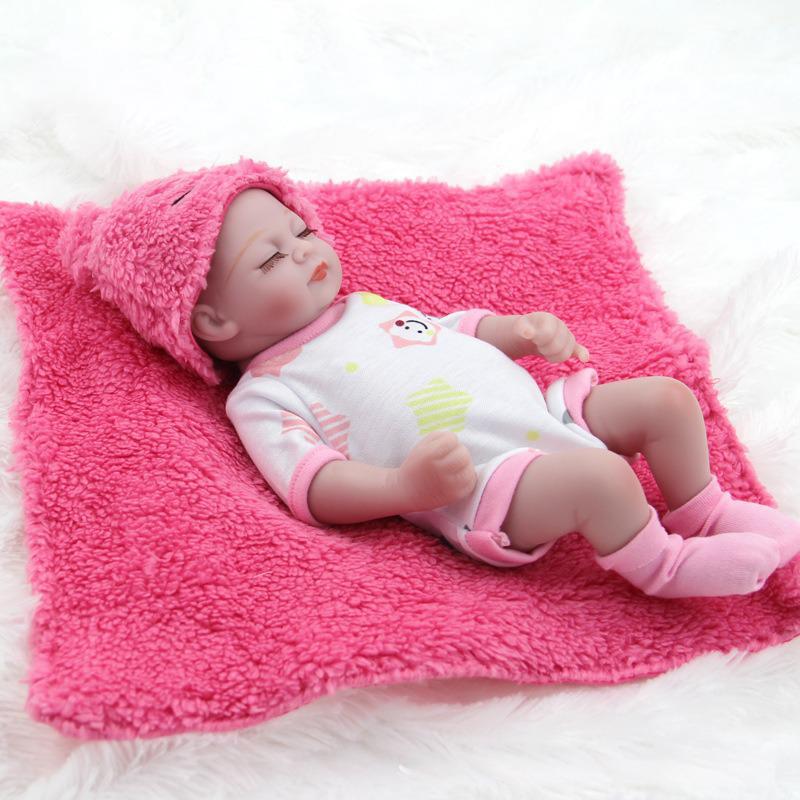
Full Body Silicone Reborn Dolls
Full body silicone reborn dolls are prized for seamless, one-piece construction with no visible joints — the most convincing realism available. Buyers can often specify anatomical accuracy, and the segment sees strong demand for therapeutic and photography-prop use because the weight and drape mimic a real infant when held.
Expect prices in the $800 to $3,000 range depending on artist, size, and detailing. These dolls reward buyers who value realism over durability and who will handle them with care.
Silicone vs. Vinyl Reborn Dolls: Head-to-Head
When comparing silicone vs vinyl reborn dolls, weigh realism against durability and price. The table below summarizes the trade-offs.
Attribute | Vinyl | Silicone |
Tactile realism | Good | Excellent (skin-like give) |
Durability | High — tolerates handling | Lower — tears and stains more easily |
Weight/hold | Realistic when weighted | Most lifelike weight distribution |
Poseability | High (jointed and posable) | Limited (soft, one-piece) |
Maintenance | Easy — washable, wipeable | Sensitive — staining and tear risk |
Typical finished price | $150–$600 | $600–$3,000+ |
Best for | Beginners, gifts, handling | Collectors, photography, therapy |
Blended and Silicone-Vinyl Hybrid Dolls
Hybrids pair materials to balance cost and realism. Common builds include silicone limbs on a vinyl body, or a vinyl head on a soft cloth body with weighted fill. The result approaches silicone’s tactile appeal in the areas that matter most — hands and face — while keeping the price and durability closer to vinyl.
For retailers, hybrids are a smart mid-tier offering. They let a buyer step up from standard vinyl without committing to full-silicone pricing or maintenance.
Reborn Dolls by Size and Age Stage
Size is the second axis, and it shapes clothing sizing, weighting targets, and shelf space.
Newborn Reborn Baby Dolls
Realistic newborn reborn baby dolls are the most popular category, typically running 17 to 22 inches. The appeal is authentic newborn proportions — a rounded head, short limbs, and delicate features — paired with weighting to a believable newborn range of roughly 4 to 7 pounds.
Sculpt realism matters most here: fine wrinkles, milk spots, and translucent fingernails separate a convincing newborn from a generic doll. This is where the strongest emotional pull and the broadest buyer base sit.
Micro Preemie and Mini Reborn Dolls
Mini reborn dolls and micro-preemies range from under 10 inches to about 15 inches. Their small footprint makes them portable and easy to display, and they offer the lowest entry price point — often $80 to $250 finished — which drives the frequent “mini reborn dolls for sale” queries from first-time buyers.
Collectors favor them for curated shelf displays, and their compact size lends itself to detailed micro-preemie sculpts that reproduce the fragility of a premature infant with striking accuracy.
Toddler Reborn Dolls
Toddler reborn dolls run larger — 24 to 30 inches and up — with sculpts posed for standing or sitting. They wear real baby clothing (often 3–6 or 6–9 month sizes) and carry heavier weighting to match, sometimes 8 pounds or more.
These suit buyers who want an older-child likeness for photography, display, or memorial purposes. Be candid with buyers: the size and weight demand secure handling and more storage space.
Sleeping vs. Awake Sculpts
Within any size, sculpts are either sleeping (closed-eyed) or awake (open-eyed). Awake sculpts use acrylic or glass eyes; glass eyes cost more but deliver superior depth and realism. Open-eyed pieces generally command a premium because the eye work is unforgiving — a slight misalignment breaks the illusion instantly.
Specialty and Niche Reborn Doll Types
Ethnic and Custom-Skin-Tone Reborns
Artists build dolls across the full range of skin tones, from very fair to deep, often with matching hair texture and eye color. Custom skin-tone work is a growing segment, driven by buyers who want a doll that reflects their own family.
Anatomically Correct Reborns
Some sculpts include anatomical detail, offered as gendered options. This matters for therapeutic realism and for buyers seeking maximum authenticity; always confirm the specification before purchase, as many listings default to non-anatomical.
Fantasy and Character Reborns
Fantasy sculpts — elf, fairy, or “alien”-style babies — are a creative niche. They use the same reborning techniques on stylized kits and appeal to collectors who value artistry over pure realism.
Therapy Reborn Dolls
Therapy reborns support dementia care and grief processing. Research and clinical practice in eldercare suggest that holding a weighted, lifelike infant can reduce agitation and provide comfort for some individuals living with dementia. For this use, sourcing shifts toward durable, easy-clean vinyl or robust silicone, realistic weight, and no small detachable parts.
How to Choose the Right Type of Reborn Doll
Match the Type to the Purpose
Purpose narrows the field faster than any other factor.
- Collecting:prioritize artist provenance, limited editions, and sculpt rarity — vinyl or silicone both work.
- Gifting:durable vinyl newborns hit the sweet spot of realism and value.
- Photography:full body silicone reborn dolls or hybrids deliver the most convincing held-baby look.
- Therapy:weighted, washable, tear-resistant builds; avoid delicate detailing.
- Resale:stock across price tiers, favoring vinyl for volume and select silicone for margin.
Budget and Price Expectations by Type
Type | Typical Price Band |
Blank vinyl kit | $30–$150 |
Finished artist vinyl reborn | $150–$600 |
Mini / micro-preemie (finished) | $80–$250 |
Hybrid (silicone limbs + vinyl body) | $300–$800 |
Full body silicone | $800–$3,000+ |
Limited-edition / renowned artist | $2,000–$5,000+ |
Verifying Quality and Authenticity
Inspect the details that separate craft from mass production. Check rooting quality — hair should be dense, evenly distributed, and rooted in realistic growth patterns, not glued in patches. Confirm the paint is properly sealed and won’t transfer. Assess weighting for even, infant-like distribution rather than a lump in the belly.
Counterfeit kits are a real problem. Genuine sculpts come from named kit designers and are often numbered or limited; verify the sculpt name and artist. Buy from established artists or reputable retailers, and ask for provenance — a certificate of authenticity, artist signature, or edition number where applicable.
Common Mistakes to Avoid When Buying or Sourcing
- Confusing vinyl with silicone.They differ in feel, care, and price by a wide margin — never assume from photos alone.
- Ignoring counterfeit kits.Fake sculpts undercut price but wreck reputation and resale value.
- Underestimating silicone maintenance.Staining and tearing surprise first-time silicone buyers; set expectations upfront.
- Mismatching size to use.A 30-inch toddler is unwieldy for a therapy setting that needs a held newborn.
- Overlooking care requirements.Heat and sunlight degrade both materials; buyers who don’t know this create returns.
Caring for Different Reborn Doll Types
Clean vinyl with a soft, damp cloth and mild soap; full-body vinyl can be gently bathed and dried thoroughly. Clean silicone carefully — spot-clean, avoid abrasives, and dust with a specialized silicone powder if the surface becomes tacky.
Store both away from direct sunlight and heat, which fade paint and warp material. Keep silicone away from dark fabrics that can dye the surface. When handling weighted bodies, support the head and torso together to protect neck seams and internal fill.
Frequently Asked Questions
What’s the difference between silicone and vinyl reborn dolls?
Silicone is softer, more lifelike to the touch, and heavier, but it stains, tears more easily, and costs more. Vinyl is durable, poseable, washable, and beginner-friendly at a mid-range price. Choose silicone for realism, vinyl for everyday handling and value.
Are full body silicone reborn dolls washable?
Yes — full-body silicone is one-piece and generally water-safe, so it can be gently washed and even bathed. Use lukewarm water and mild soap, avoid abrasives, and dry fully. Avoid dark clothing that can transfer dye onto the silicone.
How much do different types of reborn dolls cost?
Blank vinyl kits run $30–$150; finished artist vinyl reborns typically $150–$600; minis $80–$250; hybrids $300–$800; and full-body silicone from $800 to $3,000 or more, with limited-edition artist pieces exceeding $5,000.
Which type of reborn doll is best for beginners?
A finished vinyl newborn is the best starting point. It’s durable, easy to clean, poseable, and affordable, letting a beginner learn handling and care before investing in premium silicone.
Can reborn dolls be used for therapy?
Yes. Weighted, lifelike reborns are used in dementia care and grief support, where holding a realistic infant can bring comfort and reduce agitation for some individuals. Choose durable, washable, tear-resistant builds without small detachable parts for these settings.
Key Takeaways
Every reborn doll sits at the intersection of two axes: material — vinyl, silicone, or blended — and size — mini, newborn, or toddler. Read both and you can price, source, and match a doll accurately.
The core trade-off is simple: vinyl delivers durability, poseability, and value; silicone delivers unmatched realism at a higher price and with more delicate care. Hybrids bridge the two.
Let purpose lead. Beginners and gift buyers should start with vinyl newborns; collectors and photographers should reach for silicone or hybrid pieces; therapy and eldercare demand weighted, washable, robust builds. Anchor the decision to how the doll will actually be used, then let material and size follow from there.
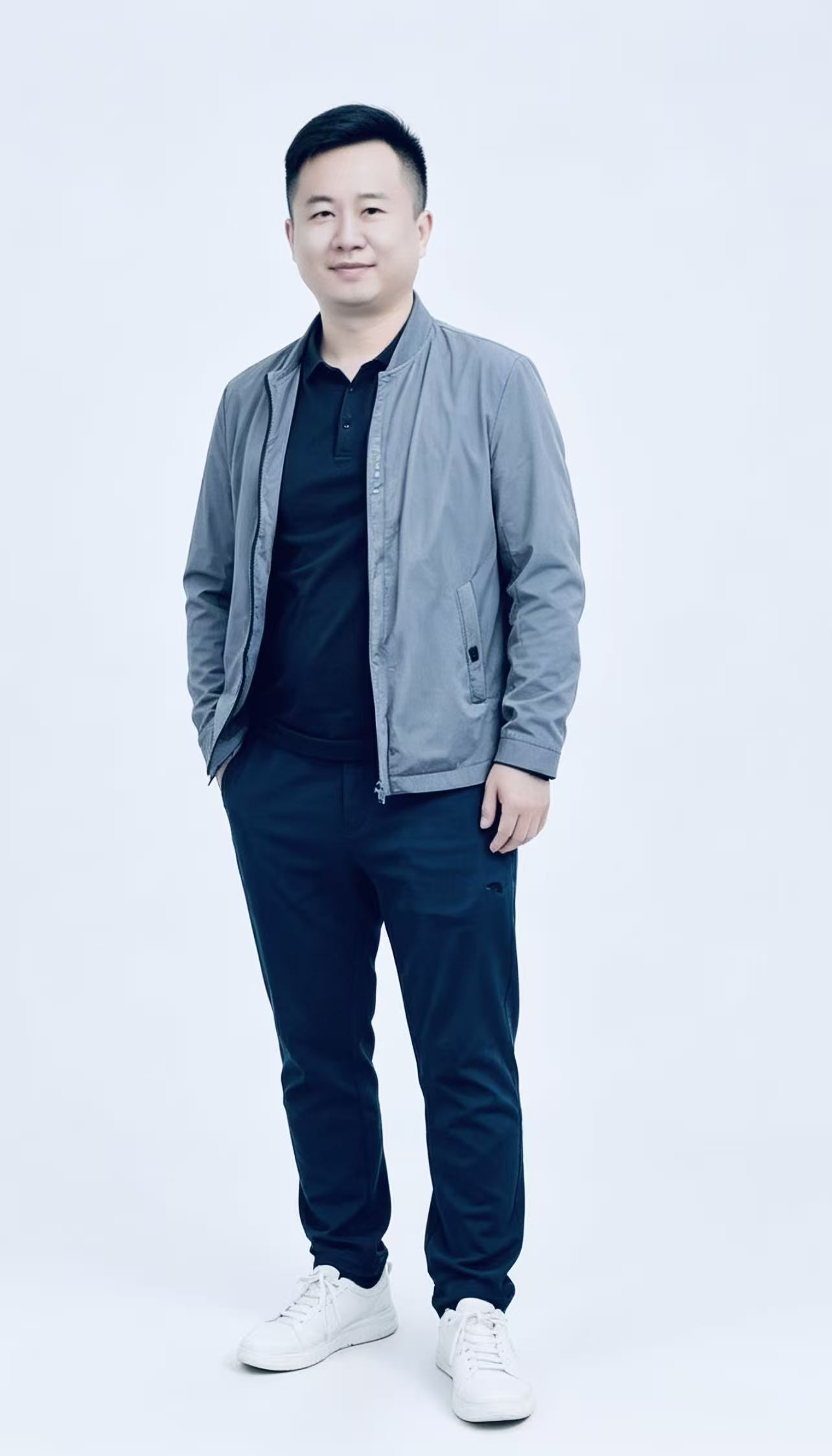
Owen is the second-generation founder of Sueban Group, a reborn doll manufacturer based in Guangdong, China. With over 20 years of family manufacturing heritage, Owen leads the company's B2B operations serving wholesalers, brands, and institutional buyers across 20+ countries.
Meet Owen →
 English
  Deutsch
  Français
  Español
  Italiano
  Nederlands