If you’ve ever compared two reborn dolls that looked similar when new but aged very differently after a few years, the reason often comes down to material quality.
In reborn doll manufacturing, realism is what attracts buyers, but material selection is what determines whether that realism lasts.
A doll’s material influences everything from durability and color stability to maintenance requirements and long-term appearance. While craftsmanship and care matter, the materials used during production establish the foundation for how well a doll will age.
In this guide, I’ll explain how different reborn doll materials affect lifespan, what causes premature aging, and what buyers and brands should consider when choosing between silicone and vinyl options.
What Actually Determines a Reborn Doll’s Lifespan?
Many people assume lifespan is determined by how often a doll is handled. While handling matters, the biggest factor is usually the material itself.
From a manufacturing perspective, four elements have the greatest impact:
Material Quality
The quality of silicone or vinyl directly affects durability, flexibility, color retention, and resistance to environmental damage.
Higher-grade materials typically offer:
- Better resistance to tearing and cracking
- More stable pigmentation
- Improved texture retention
- Longer-lasting realism
Lower-grade materials may initially look similar but often age much faster.
Environmental Exposure
Even premium materials can deteriorate when exposed to:
- Direct sunlight
- Excessive heat
- High humidity
- Smoke and airborne contaminants
UV exposure is particularly damaging because it gradually breaks down pigments and accelerates discoloration.
Frequency of Handling
Regular dressing, posing, and transportation create friction on:
- Hands and fingers
- Feet and toes
- Painted facial details
- Joint connection areas
The more frequently a doll is handled, the more important material durability becomes.
Storage Conditions
Proper storage significantly extends lifespan.
We generally recommend:
- Stable room temperatures
- Low humidity
- Protection from direct sunlight
- Breathable fabrics for covering and storage
Good storage habits can add years to a doll’s appearance and structural integrity.
Understanding the Most Common Reborn Doll Materials
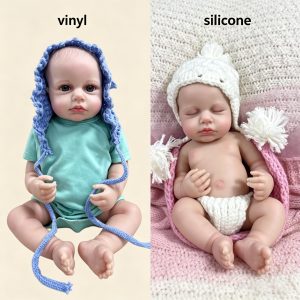
Most reborn dolls are produced using either silicone or vinyl.
Each material offers different advantages depending on how the doll will be used.
Silicone Reborn Dolls
Silicone is widely regarded as the most realistic reborn doll material available today.
Its soft texture and skin-like flexibility create a highly lifelike experience that appeals to collectors and premium buyers.
Advantages of Silicone
Silicone offers:
- Exceptional realism
- Soft, skin-like feel
- Natural flexibility
- Strong visual appeal for photography and display
For collectors seeking maximum realism, full silicone models remain one of the most desirable options.
Limitations of Silicone
Despite its realism, silicone requires careful handling.
Common issues include:
- Tearing at stress points
- Staining from dark fabrics
- Surface wear caused by friction
- Dust and lint attraction
- Greater sensitivity to heat
This doesn’t mean silicone is fragile. It simply means the material requires more attention throughout its lifespan.
Vinyl Reborn Dolls
Vinyl remains the most common material used in reborn doll manufacturing.
Many manufacturers and retailers prefer vinyl because it balances realism, durability, and affordability.
Advantages of Vinyl
Vinyl typically provides:
- Strong durability
- Easier maintenance
- Better resistance to everyday handling
- Lower ownership costs
- Greater suitability for gifting and frequent use
For customers who regularly handle, dress, or display their dolls, vinyl often offers the most practical long-term solution.
Common Aging Issues
Like any material, vinyl ages over time.
Potential issues include:
- Surface shine from frequent handling
- Gradual color changes from UV exposure
- Paint wear in high-contact areas
- Warping when exposed to excessive heat
However, high-quality vinyl generally ages more predictably than lower-grade silicone materials.
Silicone vs Vinyl: Which Material Lasts Longer?
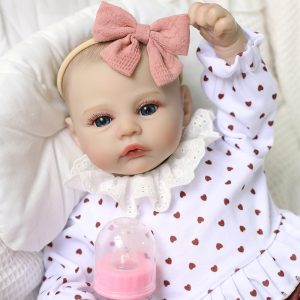
One of the most common questions buyers ask is whether silicone or vinyl lasts longer.
The honest answer depends on how the doll will be used.
| Factor | Silicone | Vinyl |
|---|---|---|
| Realism | Excellent | Very Good |
| Daily Handling | Moderate | Excellent |
| Maintenance Needs | Higher | Lower |
| Tear Resistance | Moderate | High |
| Long-Term Durability | Good with proper care | Excellent |
| Collector Appeal | Very High | High |
For Collectors
Silicone often provides the most realistic appearance and tactile experience.
If the doll will primarily be displayed and handled carefully, silicone can remain beautiful for many years.
For Everyday Use
Vinyl generally offers better durability and lower maintenance.
This makes it a popular choice for gifting, photography businesses, therapy programs, and customers who frequently interact with their dolls.
Why Material Quality Matters More Than Material Type
One mistake many buyers make is focusing solely on whether a doll is silicone or vinyl.
In reality, material grade often matters more than material category.
A high-quality vinyl doll will usually outlast a poorly manufactured silicone doll.
Similarly, premium platinum silicone can dramatically outperform lower-grade silicone blends.
From our experience as a manufacturer, material consistency is one of the strongest predictors of long-term durability.
That’s why reputable factories invest heavily in:
- Material sourcing
- Batch consistency
- Quality testing
- Controlled production environments
The goal isn’t simply to create a realistic doll today—it’s to create one that still looks realistic years from now.
Warning Signs of Material Deterioration
Recognizing early signs of wear can help extend a doll’s lifespan.
Surface Changes
Watch for:
- Sticky textures
- Excessive shine
- Uneven fading
- Surface discoloration
Structural Damage
Potential warning signs include:
- Small tears
- Seam separation
- Cracks near joints
- Loose connection points
Shape Distortion
Heat damage may cause:
- Warped limbs
- Misshapen fingers
- Uneven body positioning
Early intervention often prevents minor issues from becoming major repairs.
Best Practices for Extending Reborn Doll Lifespan
Regardless of material, a few habits significantly improve longevity.
Protect Against UV Exposure
Keep dolls away from:
- Direct sunlight
- Windowsills
- Vehicle interiors
- High-intensity lighting
Use Gentle Cleaning Methods
Avoid:
- Alcohol-based cleaners
- Bleach
- Harsh chemicals
- Abrasive cloths
Instead, use mild soap and soft fabrics.
Store Properly
When not on display:
- Store in a cool, dry environment
- Avoid pressure on limbs and fingers
- Use breathable cotton coverings
Handle Carefully
Most wear occurs during:
- Clothing changes
- Transportation
- Frequent posing
Gentle handling reduces stress on both silicone and vinyl components.
Why Material Selection Matters for Brands and Manufacturers
For manufacturers, material selection directly affects:
- Product lifespan
- Customer satisfaction
- Return rates
- Brand reputation
- Long-term value perception
Customers may not always know which material was used, but they quickly notice when a doll ages poorly.
A doll that maintains its appearance for years builds trust. A doll that cracks, stains, or deteriorates quickly damages both customer confidence and brand reputation.
That’s why material selection remains one of the most important decisions in reborn doll manufacturing.
Final Thoughts
After years of manufacturing reborn dolls, I’ve learned that lifespan isn’t determined by one factor alone.
Material selection creates the foundation.
Craftsmanship reinforces it.
Proper care protects it.
If there’s one lesson buyers and brands should remember, it’s this:
Materials determine a doll’s potential lifespan, but manufacturing quality determines whether that potential is actually achieved.
The best reborn dolls combine premium materials, consistent craftsmanship, and proper care—allowing them to remain beautiful long after the day they leave the factory.
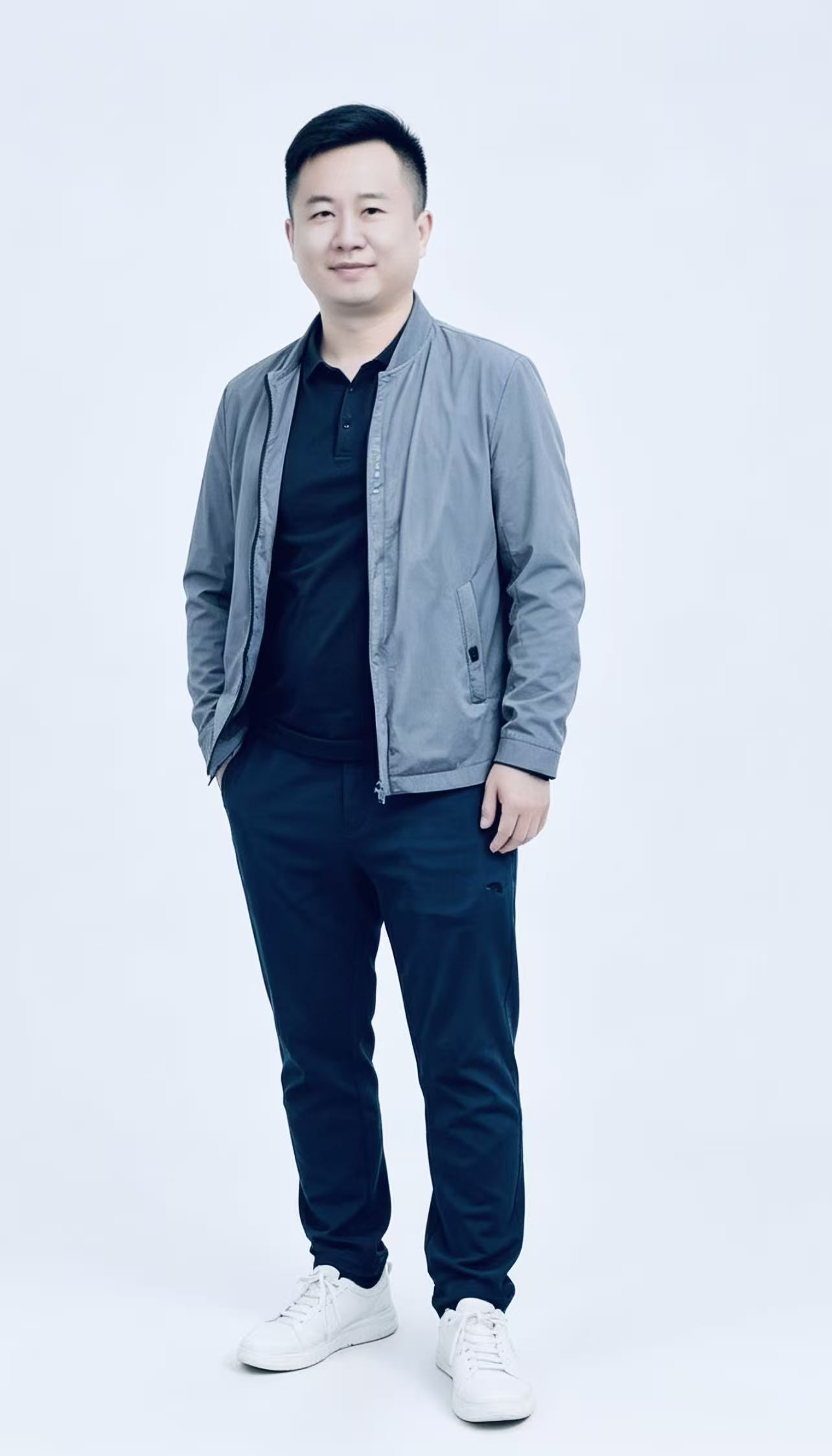
Owen is the second-generation founder of Sueban Group, a reborn doll manufacturer based in Guangdong, China. With over 20 years of family manufacturing heritage, Owen leads the company's B2B operations serving wholesalers, brands, and institutional buyers across 20+ countries.
Meet Owen →
 English
  Deutsch
  Français
  Español
  Italiano
  Nederlands