Most people buy a reborn doll for the realism—but almost nobody sees what it takes to create that realism behind closed doors.
What Buyers Never See Inside a Reborn Doll Factory is the part of the story that never makes it into product photos: material decisions that affect softness and durability, hours of hand-layered painting for “newborn” skin, weighting and assembly that make a doll feel real in your arms, and the quiet, obsessive quality checks that separate a collectible from a copy.
In this behind-the-scenes look, I’m going to break down the hidden steps—plus the craftsmanship and controls that reputable makers like Sueban Group use to keep every detail consistent.
Let’s step inside.
The Artistry Behind Reborn Dolls
Ever worry a “reborn” will look fake in person—or feel like a mass-produced toy? I get it. Buyers in the US don’t just want a cute doll. They want a lifelike baby that feels real in the arms and comforting in the heart.
What Reborn Dolls Really Are
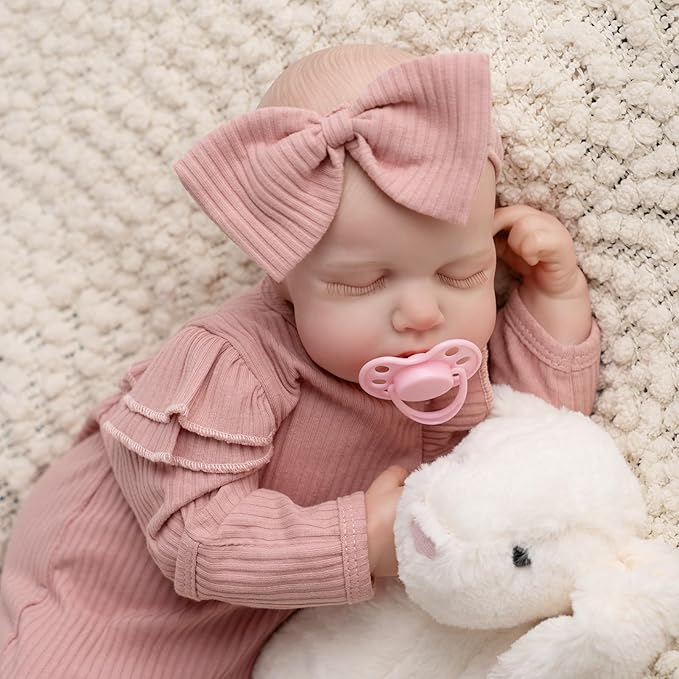
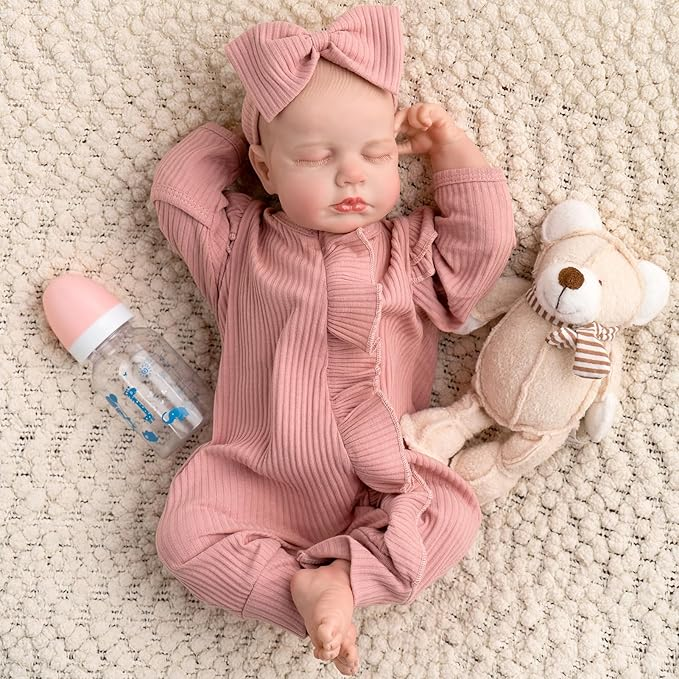
Reborn dolls are hand-finished, lifelike baby dolls made to mimic real newborn features—down to skin tone shifts, tiny creases, and natural facial depth. For many buyers, that realism carries real emotional value, including:
- Comfort and companionship
- Collecting and display (artists’ editions, limited runs)
- Therapeutic support (grief, anxiety, memory care—always personal, never one-size-fits-all)
Reborn Doll Craftsmanship Buyers Don’t See
In a true reborn doll factory setting, the artistry is still the main event. The details that separate premium work from “good enough” are intense:
- Hand-painted faces with layered tones (not one flat color)
- Realistic skin textures that look soft, not shiny or plastic
- Subtle veining, blush, and mottling that mirrors real baby skin
- Hair and brows finished to look natural—not stamped on
How Sueban Group Brings Dolls to Life
In our OEM reborn doll factory at Sueban Group, I rely on trained artisans who treat every piece like a small portrait, not a production number. Our reborn doll craftsmanship is built on:
- Patience over speed (clean layers, smooth transitions, no rushed paint)
- Precision tools + steady hands for fine detailing
- Consistent realism standards so each doll meets the look collectors expect in the US market
This is the heart of reborn doll manufacturing—a craft-first process that turns silicone or vinyl into something buyers connect with the moment they open the box.
The Hidden Stages of Reborn Doll Production
Material Selection (Silicone + Vinyl That Holds Up)
In a reborn doll factory, the real work starts before a doll even has a face. For lifelike results, I choose materials based on how they feel in the hand and how they age over time. High-grade vinyl is picked for clean molding, steady skin tone, and long-term durability, while silicone is chosen when the goal is a softer, more “real-skin” touch. This part of the reborn doll manufacturing process is mostly invisible to buyers, but it affects everything—texture, weight, and how well details stay sharp after handling.
Molding and Sculpting (Where the “Baby” Shape Is Born)
Most people never see the earliest stage of behind-the-scenes doll production: sculpting and molding. A prototype sculpt is refined until the proportions look right—cheeks, nose bridge, finger creases, even the curve of the ears. Then the mold is created to capture those tiny lines consistently. This step is the backbone of lifelike doll production steps, because if the sculpt is off by a little, no amount of paint will make it convincing later.
Painting and Detailing (Handmade Reborn Dolls Process)
This is where reborn doll craftsmanship becomes obvious up close. Instead of one flat “skin color,” I build tone in layers—subtle mottling, soft blush, and gentle shading around joints. Fine details like veins, capillaries, and nail tips are added slowly so they look natural, not painted-on. Eyes and lashes are handled with the same mindset: realistic placement, clean symmetry, and the right finish so the doll doesn’t look glossy or plastic. If you’re evaluating results, I use the same checkpoints in this reborn doll manufacturing process that I cover in my guide to spotting reborn doll quality.
Assembly and Weighting (The “Real Baby” Feel Buyers Don’t Expect)
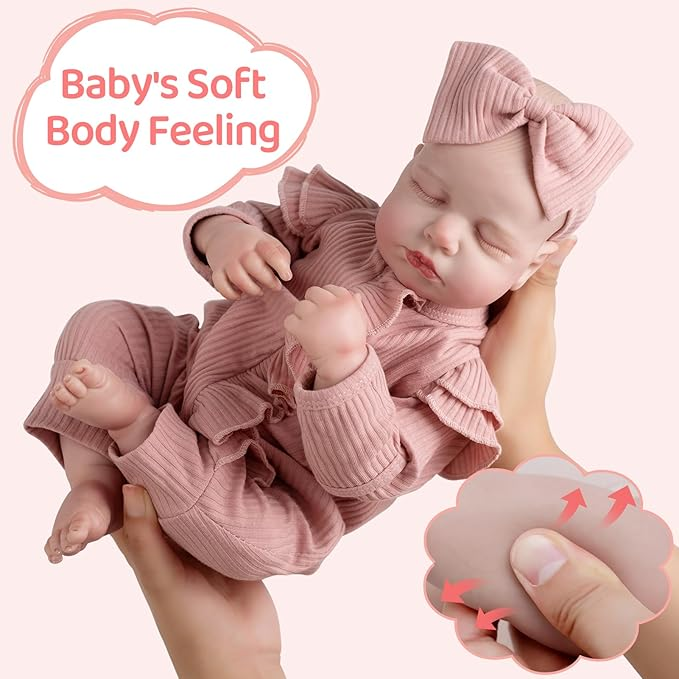
A lot of customers focus on the face, but the “wow” moment often comes from the hold. During assembly, limbs and head are fitted, then the body is weighted to mimic how a real baby settles in your arms—balanced, not bottom-heavy or stiff. The stuffing and weighting are adjusted so the cuddle feels natural and the pose holds without looking forced. This is one of the most overlooked doll factory hidden techniques, and it’s a major reason high-end OEM reborn doll factory builds feel different the second you pick them up.
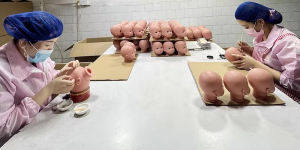
Quality Control in a Reborn Doll Factory – The Invisible Guardian of Perfection
Inside our reborn doll factory, quality control is the step buyers never see—but it’s the reason a doll looks right, feels right, and holds up over time. At Sueban Group, every piece goes through behind-the-scenes checks that protect the finish, the realism, and our reputation in the U.S. market.
What We Inspect Before Any Doll Ships
Our reborn doll quality control process is hands-on and repeatable, even when the work is still deeply handmade. We inspect for:
- Skin texture + seams: no rough edges, bubbles, thin spots, or visible mold lines (a key part of the reborn doll manufacturing process).
- Paint and detailing: even layers, natural blush, clean lip lines, balanced brows, and no specks, streaks, or “chalky” patches (core reborn doll craftsmanship standards).
- Eyes, lashes, and hair rooting: secure placement, symmetry, and a clean finish—no glue marks or loose fibers.
- Assembly + weighting: tight joints, correct head/limb alignment, and a realistic cuddle weight with no shifting pellets or weak stitching.
- Final handling test: we check how the doll feels in the arms—because collectors notice instantly.
Why This Hidden Step Matters to Buyers
This “invisible” stage of behind-the-scenes doll production is what keeps returns low and satisfaction high. When customers order a specific style—like our 18-inch vinyl reborn doll with a cloth body—they expect consistent realism from the photos to the unboxing, and QC is what makes that happen. It’s also why we’re careful about matching each finished doll to the right material standards outlined in our reborn doll material types guide, so the look and durability stay on point.
Challenges and Secrets of a Reborn Doll Factory
Running a reborn doll factory sounds simple until you try to scale a handmade look. The biggest challenge in the reborn doll manufacturing process is keeping every baby consistent—while still looking like it was crafted by one artist’s hands. In real behind-the-scenes doll production, tiny differences in paint layers, rooting density, skin texture, or even curing time can make two dolls from the same mold look noticeably different. That’s why our reborn doll craftsmanship relies on strict process checkpoints without turning the work into “cookie-cutter” output.
The hard parts buyers don’t see in reborn doll manufacturing
Here are the factory realities most collectors never hear about:
- Consistency vs. artistry: We need repeatable results in lifelike doll production steps, but we can’t erase the “human touch” that makes reborns feel real.
- Ethical material sourcing: High-grade vinyl and silicone supplies shift in availability and pricing, and we won’t cut corners just to ship faster.
- Tight collector deadlines: Limited runs and seasonal demand create pressure—especially for custom requests and OEM programs in an OEM reborn doll factory setting.
- Defect risk in the details: Blushing, veining, and sealing can fail if humidity or handling is off, which is one of the real silicone doll making secrets manufacturers manage daily.
How Sueban Group pushes through (without lowering standards)
At Sueban Group, we protect quality with a mix of discipline and smart upgrades:
- Standardized workflows for handmade steps (paint maps, rooting guides, curing windows) so our handmade reborn dolls process stays consistent.
- Small-batch scheduling to reduce rushed work—especially during peak demand.
- Material decisions based on performance and ethics, not just cost; our team often guides buyers through silicone vs. vinyl reborn doll differences from an ODM manufacturer so expectations match the real production limits.
- Factory-level accountability—every station owns its outcome, which is how we keep “hidden techniques” from becoming hidden problems.
That’s the truth about the doll factory hidden techniques side of this industry: the real secret isn’t one magic step—it’s staying consistent under pressure while still delivering a doll that feels personal.

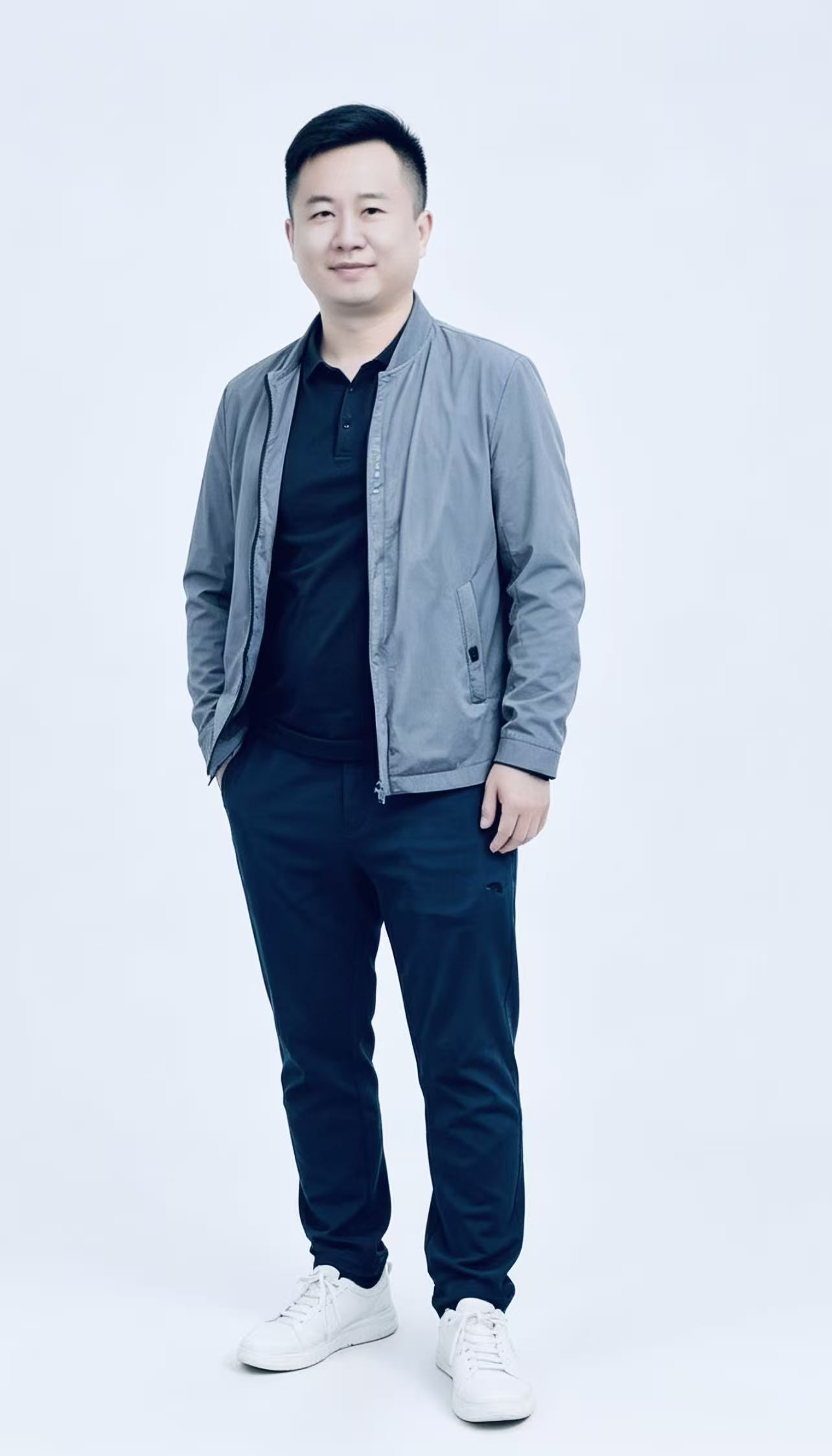
Owen is the second-generation founder of Sueban Group, a reborn doll manufacturer based in Guangdong, China. With over 20 years of family manufacturing heritage, Owen leads the company's B2B operations serving wholesalers, brands, and institutional buyers across 20+ countries.
Meet Owen →
 English
  Deutsch
  Français
  Español
  Italiano
  Nederlands