
Memory care today looks very different from what it did even a few years ago. More care communities are moving away from overstimulating environments and focusing instead on comfort, emotional stability, and familiar daily routines.
That shift is one reason therapy dolls have become more common in modern memory care settings. Not as “toys,” and not as medical treatment—but as comfort-focused support tools that help some seniors feel calmer, safer, and more emotionally engaged during difficult moments.
At Sueban Group, we’ve seen growing interest from caregivers, senior living facilities, and distributors looking for soft, realistic dolls designed specifically for emotional comfort and dementia support routines. In real-world care environments, the value usually comes from simple things: touch, familiarity, routine, and emotional reassurance.
Understanding Therapy Dolls in Memory Care
Therapy dolls—sometimes called emotional comfort dolls or dementia support dolls—are designed to provide gentle sensory comfort and emotional engagement for seniors living with dementia or memory loss.
Unlike regular toys, these dolls are typically designed with:
- Soft-touch materials
- Lightweight or comforting weight distribution
- Easy-to-hold body proportions
- Calm facial expressions
- Simple, safe construction for long-term use in care environments
In many U.S. memory care communities, these dolls are introduced during stressful transitions, periods of anxiety, or moments of confusion. The goal is not to “treat” dementia, but to create a more calming and emotionally supportive environment.
This growing demand reflects a larger trend in senior care: facilities are looking for practical, non-pharmaceutical ways to support emotional well-being and reduce overstimulation during daily routines.

Real-World Situations Where Therapy Dolls Are Commonly Used
From what we hear from caregivers and care facilities, therapy dolls tend to work best in very specific moments throughout the day.
During Sundowning and Evening Restlessness
Late afternoons and evenings are often difficult for residents with dementia. Increased confusion, pacing, repetitive questions, or emotional distress are common during this time.
Some caregivers introduce a comfort doll during these periods because the familiar weight and calming routine of holding something soft can help redirect attention and reduce nervous energy.
During Care Transitions
Residents often become unsettled after:
- Showering or clothing changes
- Returning from appointments
- Moving rooms
- Shift changes between caregivers
In these situations, emotional comfort tools can provide consistency when the environment suddenly feels unfamiliar.
In Group Activity Settings
Busy environments can sometimes overwhelm memory care residents. Loud noise, movement, or too much stimulation may increase agitation or withdrawal.
A therapy doll can give residents a calm focal point during group activities, meals, or social events without demanding verbal interaction.
At Bedtime
Some caregivers also use comfort dolls as part of evening routines. Residents may hold the doll while resting, sitting quietly, or preparing for sleep.
The routine itself often matters more than the object. Familiar actions can help create emotional predictability during stressful moments.

Why Some Seniors Respond Positively to Comfort Dolls
One thing many caregivers notice is that therapy dolls often encourage familiar nurturing behaviors naturally.
Residents may:
- Hold the doll during meals or activities
- Adjust blankets or clothing
- Rock gently while sitting
- Speak softly to the doll
- Keep it nearby during stressful moments
These actions can create a sense of familiarity and emotional grounding, especially for seniors who previously spent years in caregiving roles themselves.
In memory care environments, emotional connection often matters more than verbal logic. Even when short-term memory declines, familiar sensory routines and long-established emotional patterns can still feel meaningful.
What Care Facilities Usually Look For
From a supplier perspective, facilities are becoming much more selective about therapy doll quality and practicality.
The most requested features usually include:
Soft, Comfortable Materials
Soft-touch silicone or cloth-body designs are often preferred because they feel warmer and more comforting during long periods of holding.
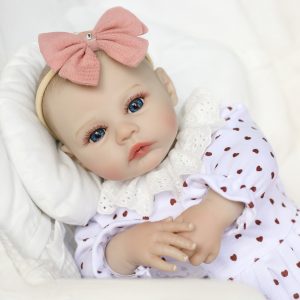
For example, cloth-body styles similar to these realistic comfort-focused reborn dolls are commonly chosen for emotional support settings because they feel less rigid and more natural in the arms.
Safe Construction
Care facilities typically avoid dolls with:
- Loose buttons or accessories
- Hard edges
- Fragile eyelashes or decorations
- Difficult-to-clean surfaces
Easy maintenance matters just as much as appearance in long-term care environments.
Realistic but Calm Appearance
Highly overstimulating or exaggerated facial expressions usually don’t work well in memory care settings.
Instead, facilities often prefer dolls with:
- Gentle facial details
- Neutral expressions
- Natural skin tones
- Soft hair textures
This is one reason lifelike reborn-style dolls have become more popular in emotional comfort programs. If you’re unfamiliar with how realistic dolls are made, our guide on the reborn doll-making process explains how materials, softness, and weight distribution influence comfort-focused design.
Ethical Considerations in Memory Care Settings
Therapy dolls are not appropriate for every resident, and experienced caregivers understand that choice and dignity come first.
The best care teams usually follow a simple approach:
- Offer the doll, never force it
- Observe the resident’s reaction carefully
- Remove it if it creates discomfort or confusion
- Use respectful language at all times
Families sometimes worry that dolls may feel infantilizing. In practice, the outcome often depends on how the tool is introduced and whether the resident personally responds well to it.
The doll should support comfort and emotional stability—not replace human interaction or personalized care.
Therapy Dolls as Part of a Larger Support Environment
In real memory care settings, therapy dolls are rarely used alone. They’re usually part of a broader comfort-focused environment that may also include:
- Familiar music
- Quiet sensory spaces
- Photo books and reminiscence items
- Weighted blankets
- Structured daily routines
- Calm lighting and predictable transitions
The goal is not to create dependency on one item. It’s to reduce stress and help residents feel more emotionally settled throughout the day.

Owen is the second-generation founder of Sueban Group, a reborn doll manufacturer based in Guangdong, China. With over 20 years of family manufacturing heritage, Owen leads the company's B2B operations serving wholesalers, brands, and institutional buyers across 20+ countries.
Meet Owen →
 English
  Deutsch
  Français
  Español
  Italiano
  Nederlands