Quick Answer: Why Reborn Doll Prices Vary So Much
When looking at a reborn doll price breakdown, you will quickly notice significant fluctuations in cost. These price differences are not random—they are directly tied to the production method, material selection, and the specific sales channel used.
Here is exactly why you see such a wide gap in pricing:
- Production Method: Factory-made dolls offer the most competitive pricing, making them highly scalable and profitable for bulk B2B buyers.
- Labor and Uniqueness: Artist handmade dolls command premium prices because of the intense manual labor, custom detailing, and one-of-a-kind nature of the final product.
- Material Costs: The choice between standard vinyl and premium platinum silicone drastically shifts the baseline manufacturing cost.
- Sales Channel: Buying directly from a manufacturer eliminates middleman markups, whereas traditional retail channels inflate the final price tag.
Understanding these core variables is the foundation for building a highly profitable reborn doll business in the US market.
Understanding the Reborn Doll Value Chain
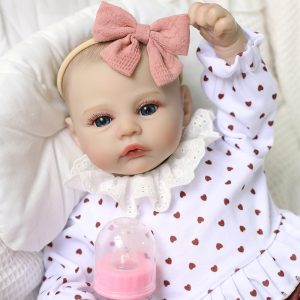
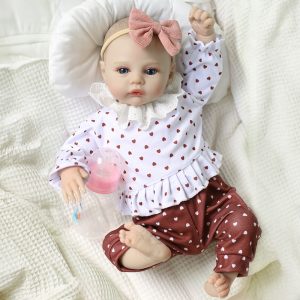
To master your reborn doll pricing breakdown, you have to look at the entire journey from the assembly line to the nursery. Every stop along the way adds a layer of cost. For B2B buyers, the goal is to cut the noise and get as close to the source as possible to maximize your profit margins. I’ve seen many retailers lose their edge because they don’t grasp how the supply chain eats into their bottom line.
Factory → Supplier → Retailer → End Customer
Each layer in the reborn doll value chain increases the final price due to operational costs and necessary markups:
- Factory: This is the base cost of materials, labor, and molding.
- Supplier/Wholesaler: They typically add 20% to 50% to cover warehousing and logistics.
- Retailer: They add another 50% to 100% to cover marketing, platform fees, and customer service.
- End Customer: They pay the final accumulated price, which is often triple the original production cost.
When you source a popular cloth body vinyl reborn doll directly from our factory, you effectively eliminate the “Supplier” markup. This direct-to-factory approach is the most effective way to secure a competitive retail price while keeping your margins healthy.
Factory Price vs Retail Price: A Direct Comparison
When you look at the reborn doll price breakdown, the gap between production costs and final retail tags is massive. I’ve found that sourcing directly from a reborn doll factory in China is the most effective way to secure the margins needed to scale a US-based business.
By cutting out the middlemen, you capture the profit that usually goes to distributors and trading companies.
| Type | Factory Price | Wholesale Price | Retail Price |
|---|---|---|---|
| Vinyl Reborn Doll | $25–$50 | $50–$90 | $80–$150 |
| Silicone Reborn Doll | $80–$150 | $120–$250 | $200–$500+ |
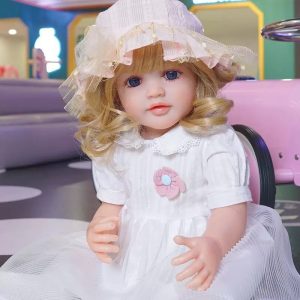
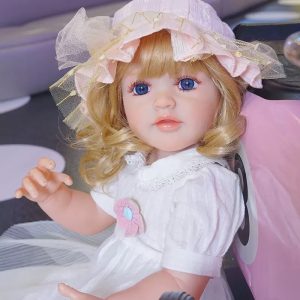
For instance, high-quality excellent vinyl reborn dolls with cloth body can be sourced for a fraction of their $100+ retail value. If you are targeting the premium collector market, the best silicone reborn doll options offer even higher markups due to their realistic weight and lifelike feel. Buying at the factory level ensures you aren’t just paying for someone else’s overhead; you’re paying for the actual value of the product.
Factory vs Artist Handmade Dolls
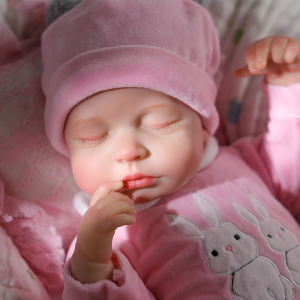
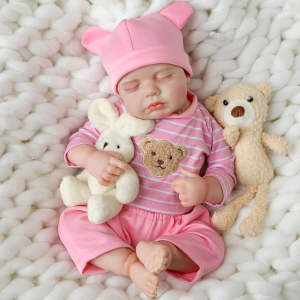
When looking at the reborn doll artist vs factory cost, the biggest difference comes down to scale and labor. As a manufacturer, I see how these two paths serve completely different markets. Factory production is built for volume and retail success, while artist dolls are strictly for the high-end collector niche.
Factory-Made Reborn Dolls
For most B2B buyers, factory-made dolls are the only way to maintain a healthy bottom line. We focus on efficiency and repeatable quality, ensuring your inventory is ready for the mass market.
- Scalable production: We can produce thousands of units to meet seasonal demand without delays.
- Lower cost per unit: Mass production allows us to offer the most competitive reborn doll factory vs retail price margins.
- Consistent quality: Every doll in your shipment will match the approved sample, which is vital for customer satisfaction.
- Ideal for B2B: Our 20-inch lifelike reborn baby dolls are designed specifically for retailers who need high-quality products that are ready to ship and sell.
Artist Handmade Reborn Dolls
These are essentially “fine art” pieces. While they are beautiful, the labor-intensive process makes them difficult to sell in a traditional retail environment.
- One-of-a-kind designs: No two dolls are exactly alike because they are hand-painted by individual artists.
- Extremely high labor cost: An artist might spend 40 to 60 hours on a single doll, driving the price into the thousands.
- Limited production capacity: Because they are handmade, an artist can usually only produce a few dolls per month.
- Premium retail pricing: These dolls are targeted at a very small group of collectors rather than the general gift or toy market.
Choosing between the two depends on your business model, but for those looking to grow a brand, our soft silicone reborn baby options provide that “artist look” with the benefits of factory-level pricing and scalability.
Key Factors That Influence Reborn Doll Pricing
The final price of a reborn doll isn’t arbitrary; it is a direct reflection of materials, labor intensity, and production scale. When we manufacture these dolls, several variables determine whether a unit costs $25 or $150 at the factory level.
Material Selection (Silicone vs. Vinyl)
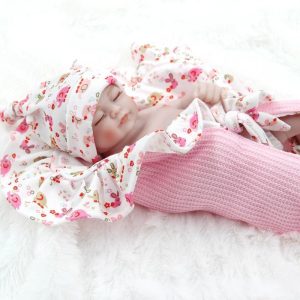
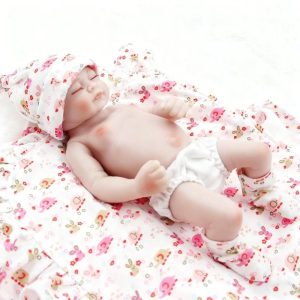
Material is the primary cost driver. Platinum Silicone is our premium option, offering a lifelike, squishy texture and the ability to be bathed. However, it requires complex molds and higher raw material costs. Premium Vinyl is the industry standard for scalability, often paired with soft cloth bodies to maintain a realistic weight at a more accessible price point.
| Material Type | Cost Impact | Key Characteristics |
|---|---|---|
| Platinum Silicone | High | Solid pour, realistic skin movement, waterproof. |
| Premium Vinyl | Moderate | Durable, easier to root hair, highly scalable. |
| Cloth Body | Low | Used with vinyl limbs to provide a “cuddle” feel. |
Craftsmanship and Detailing
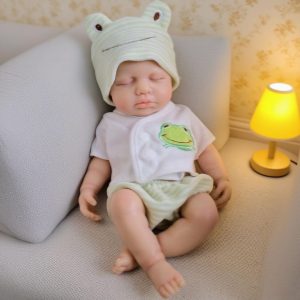
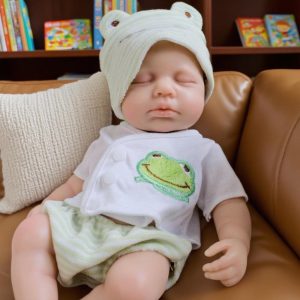
The level of “realism” added by our artisans directly impacts the labor hours per doll. High-end models feature 3D hand-painted skin with visible veins and mottling, which takes significantly longer than standard painting. Features like hand-rooted mohair or specialized 12-inch full silicone frog-themed designs require precision that increases the wholesale value.
Customization and OEM/ODM Services
For brands looking to stand out, custom development is essential but carries upfront costs.
- Custom Molds: Creating a unique sculpt requires an initial investment in mold development.
- Private Labeling: Custom clothing, branded headbands, and specialized packaging add to the per-unit cost.
- Safety Compliance: Ensuring every doll meets ASTM and CPC standards is a non-negotiable part of our professional manufacturing process.
Order Quantity (MOQ Impact)
In factory production, volume is the most effective way to lower costs. Our Minimum Order Quantity (MOQ) starts at 100 pieces for custom designs, which allows us to optimize machine run times and labor allocation. By increasing your order volume, you significantly reduce the overhead allocated to each doll, directly boosting your retail profit margins. We also offer wholesale reborn dolls from our existing inventory with even lower barriers to entry for smaller e-commerce brands.
Hidden Costs in the Reborn Doll Price Breakdown
When analyzing a reborn doll price breakdown, the factory invoice is only half the story. To protect your profit margins, you need to account for the “invisible” expenses that often catch B2B buyers off guard.
- Shipping and Logistics: Shipping bulky items from overseas involves fluctuating freight rates. Whether you choose sea or air, logistics are a significant link in the reborn doll value chain.
- Import Duties and Taxes: US customs fees and tariffs can vary. Staying updated on market and business insights helps you anticipate these costs before the shipment hits the port.
- Amazon FBA Fees: If you utilize Amazon’s fulfillment network, remember to factor in storage, referral, and pick-and-pack fees, which can eat into your reborn doll wholesale pricing advantage.
- Packaging and Branding: Custom boxes, “birth certificates,” and premium inserts are essential for the US market but add to the total landed cost per unit.
Accounting for these variables early ensures that your reborn doll factory vs retail price strategy remains profitable and sustainable.
How to Get the Best Pricing from a Reborn Doll Factory
Getting the best deal from a factory isn’t just about haggling; it’s about understanding the reborn doll pricing breakdown and making smart moves. Here is how I help my partners maximize their margins.
Work Directly with OEM Manufacturers
To get the lowest possible price, you have to bypass trading companies and middlemen. Working with a direct silicone vs vinyl reborn doll manufacturer gives you access to “at-cost” production. This transparency ensures you aren’t paying for someone else’s office overhead or commission.
Increase Order Volume Strategically
Economy of scale is the fastest way to drop your per-unit cost.
- Tiered Pricing: Most factories offer significant discounts when you move from 100 units to 500+ units.
- Consolidated Shipping: Larger orders allow for sea freight instead of air, which drastically slashes your landed cost.
- MOQ Leverage: Meeting a higher Minimum Order Quantity (MOQ) often unlocks better customization options at no extra charge.
Use Existing Molds First
Custom sculpts are unique, but they come with high R&D and mold-making fees. If you are just starting or want to test a new market segment, I recommend using our existing 19-inch full silicone reborn baby doll molds. This allows you to launch a “new” product line without the $2,000–$5,000 upfront investment for a custom mold.
Optimize Your Product Mix
A smart buyer balances their inventory to protect their cash flow.
- Vinyl Dolls: Use these for high-volume sales and “entry-level” pricing to attract customers.
- Silicone Dolls: Use these as your high-ticket items to drive major profit per sale.
- Bundling: Mix different materials in one shipment to satisfy various price points in the US market while keeping your total sourcing costs optimized.
Factory vs. Supplier: The Real Pricing Impact
When you analyze a reborn doll pricing breakdown, the source of your inventory is the single biggest factor affecting your bottom line. Many B2B buyers unknowingly source from trading companies rather than the source. These middlemen add a 20% to 50% markup just to facilitate the deal, which directly eats into your retail profit margins.
Why Direct Sourcing Wins
- Eliminate Markups: Trading companies don’t own the machines; they just add a fee. Direct sourcing gives you the “floor price.”
- Better Transparency: You get clear answers on material safety and production timelines without the “middleman filter.”
- Scalability: As your brand grows, a direct 20-inch full vinyl reborn baby boy factory can scale production with you, whereas a supplier is limited by their own network.
For those targeting the high-end market, working with a specialized silicone baby doll OEM factory ensures you aren’t paying a premium to a third party for technical customizations. Direct factory sourcing provides the pricing, transparency, and long-term stability needed to stay competitive on platforms like Amazon or Shopify.
Final Thoughts: Smart Pricing Strategy for B2B Buyers
I always tell my B2B clients that understanding the full reborn doll price breakdown is the single most important step in building a profitable inventory. When you clearly see how costs shift across the reborn doll value chain, you can make informed sourcing decisions that actively protect your bottom line.
The most effective strategy for the US market is to partner directly with a reborn doll manufacturer in China. Cutting out trading companies and middlemen guarantees you the most competitive reborn doll wholesale pricing. Whether you are expanding your catalog with custom vinyl designs or sourcing premium 6-inch full silicone twin reborn dolls, going straight to the factory ensures better margins without sacrificing product quality.
Core Strategies for B2B Success:
- Eliminate Middlemen: Source directly from the factory to maximize your profit margins.
- Leverage the Data: Use the reborn doll factory vs retail price gap to set highly competitive retail rates for your local customers.
- Build Direct Partnerships: Work closely with an OEM manufacturer to secure sustainable, long-term business growth.
FAQs: Reborn Doll Pricing Breakdown
Why are reborn dolls so expensive?
The high price tag comes down to materials, craftsmanship, and production complexity. High-quality platinum silicone costs significantly more than standard plastics. Add in the labor-intensive details like hand-rooted hair, multi-layered 3D skin painting, and custom weighting, and the costs add up quickly across the entire reborn doll value chain.
Are factory-made dolls cheaper than artist dolls?
Absolutely. When you compare the reborn doll artist vs factory cost, factory production wins on scalability. An independent artist might spend weeks on a single doll, driving the price into the thousands. On the other hand, factory-made options, like a high-quality 18-inch vinyl reborn doll, offer incredible realism at a fraction of the cost because we produce them efficiently in bulk.
How can I reduce reborn doll costs?
If you are buying for retail, optimizing your reborn doll wholesale pricing comes down to three main strategies:
- Cut out the middleman: Source directly from an OEM factory rather than a trading company to get the best factory vs retail price.
- Increase your MOQ: Larger order volumes drastically lower your per-unit production and shipping costs.
- Optimize materials: Balance your inventory by mixing premium silicone models with more affordable vinyl options to protect your profit margins.
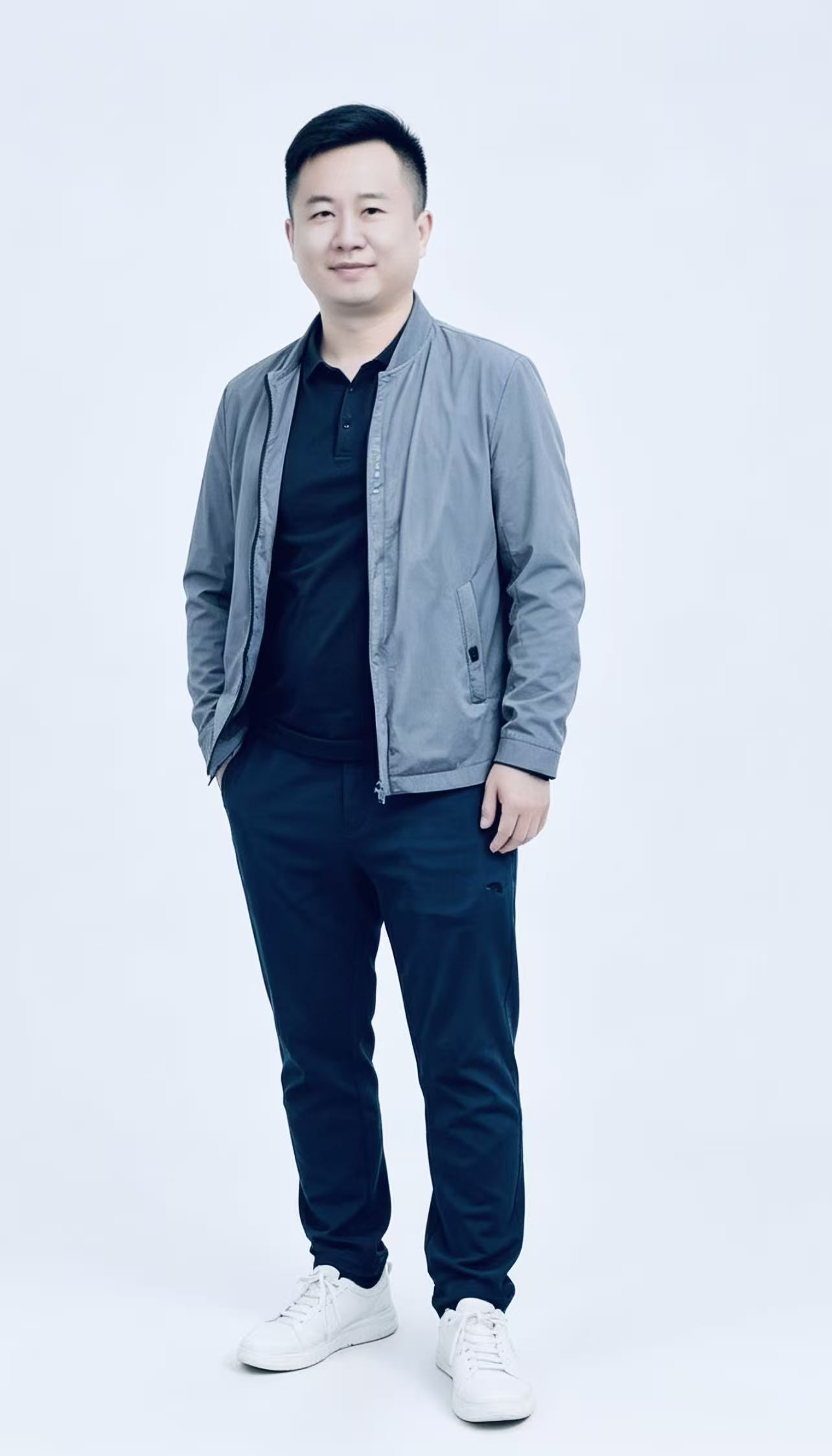
Owen is the second-generation founder of Sueban Group, a reborn doll manufacturer based in Guangdong, China. With over 20 years of family manufacturing heritage, Owen leads the company's B2B operations serving wholesalers, brands, and institutional buyers across 20+ countries.
Meet Owen →
 English
  Deutsch
  Français
  Español
  Italiano
  Nederlands