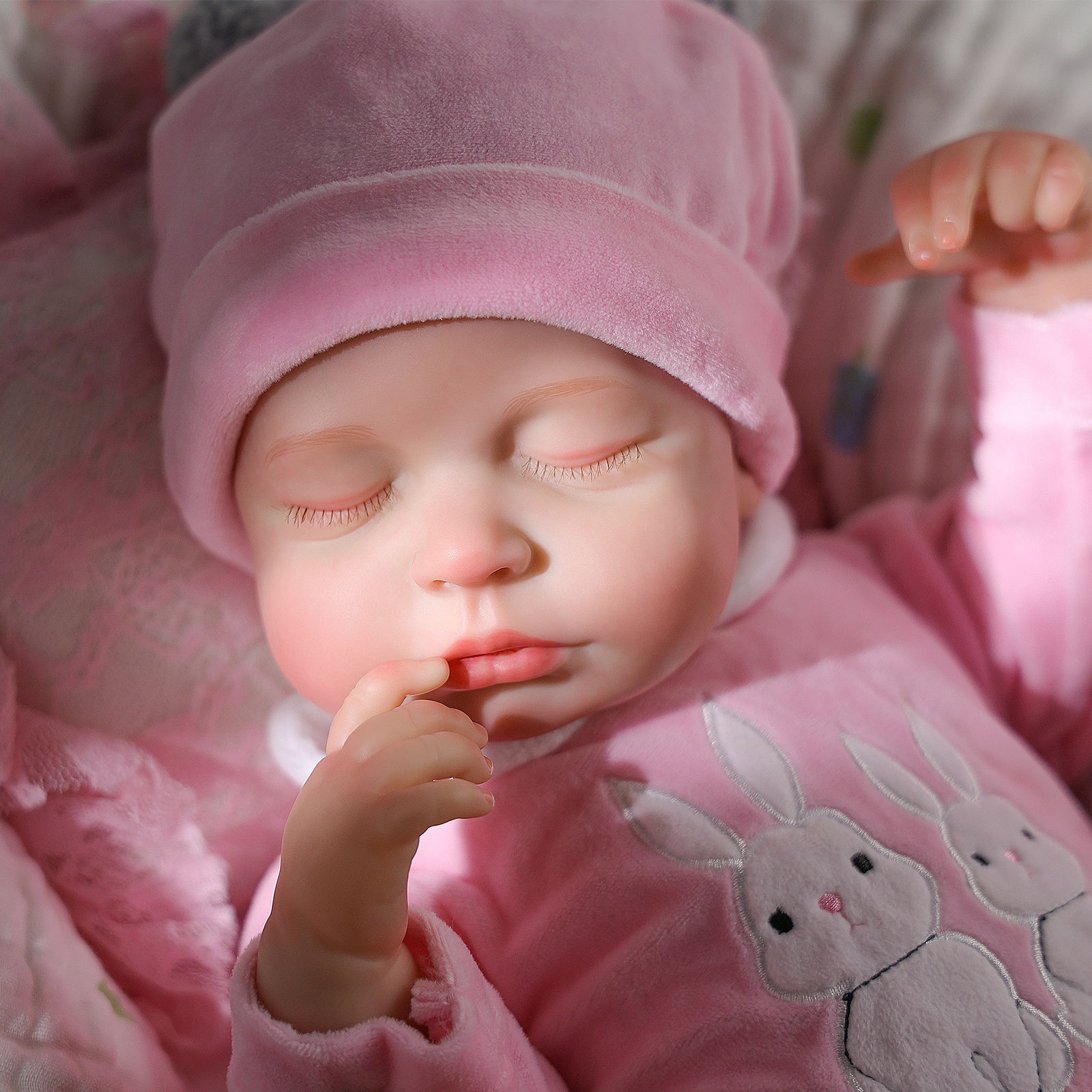
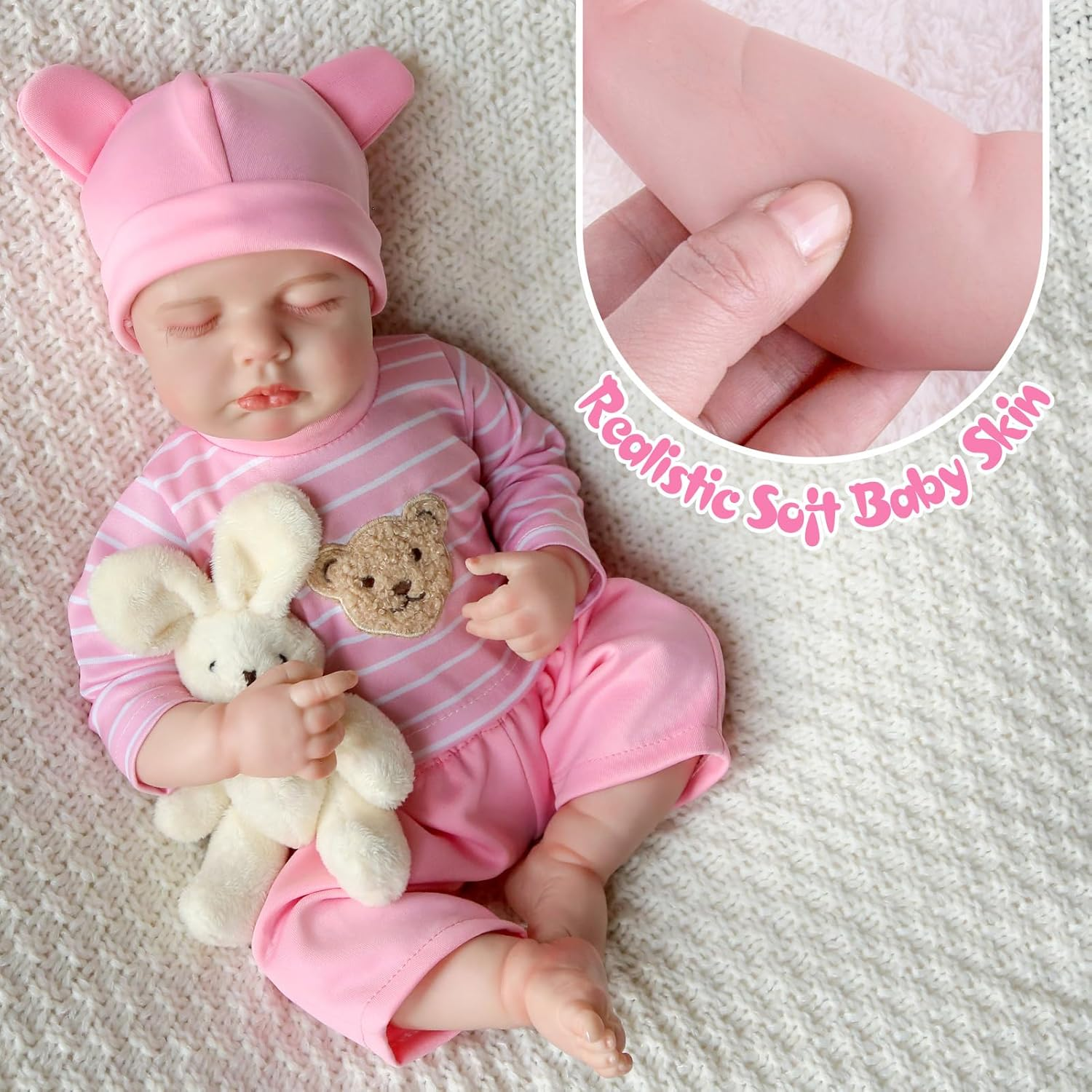
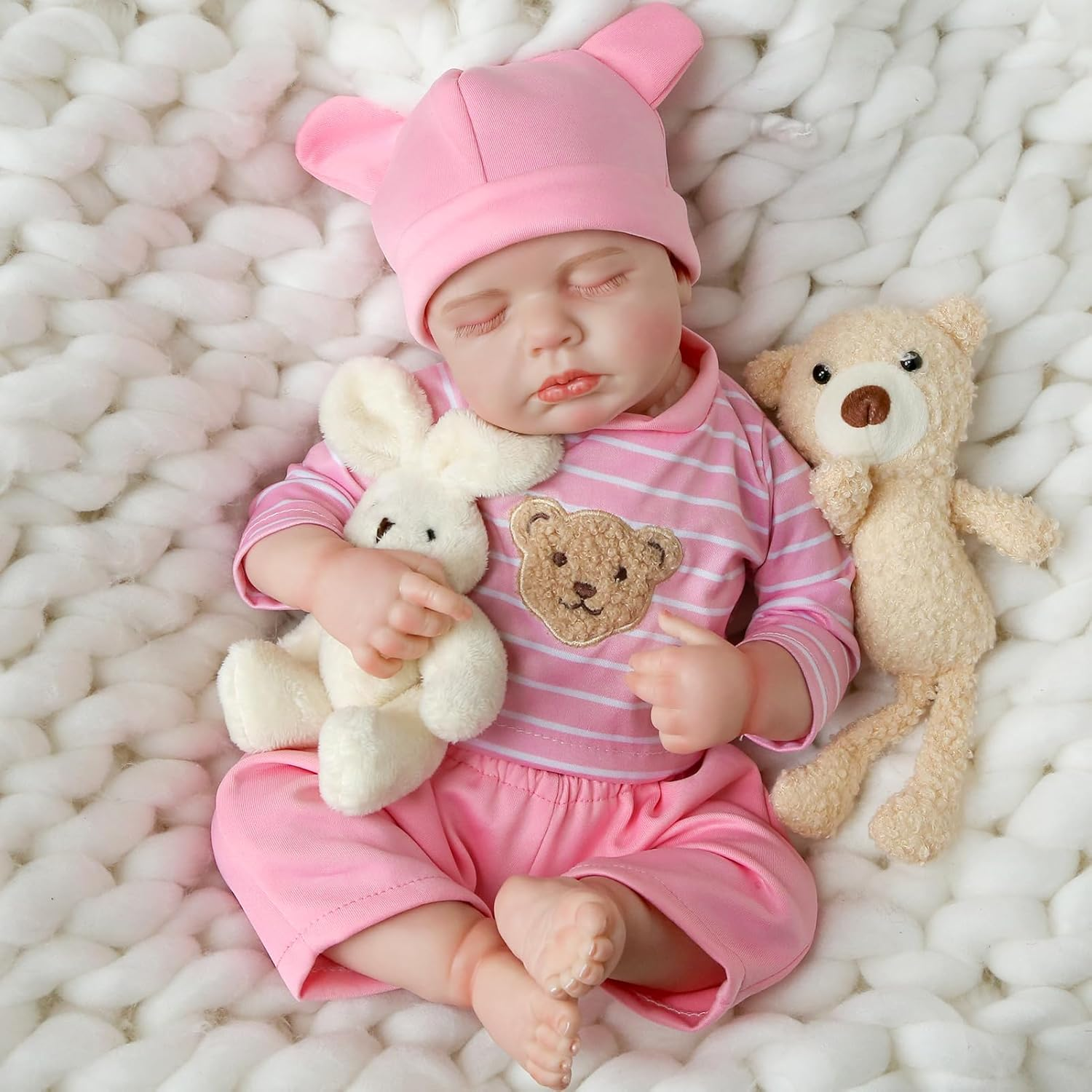
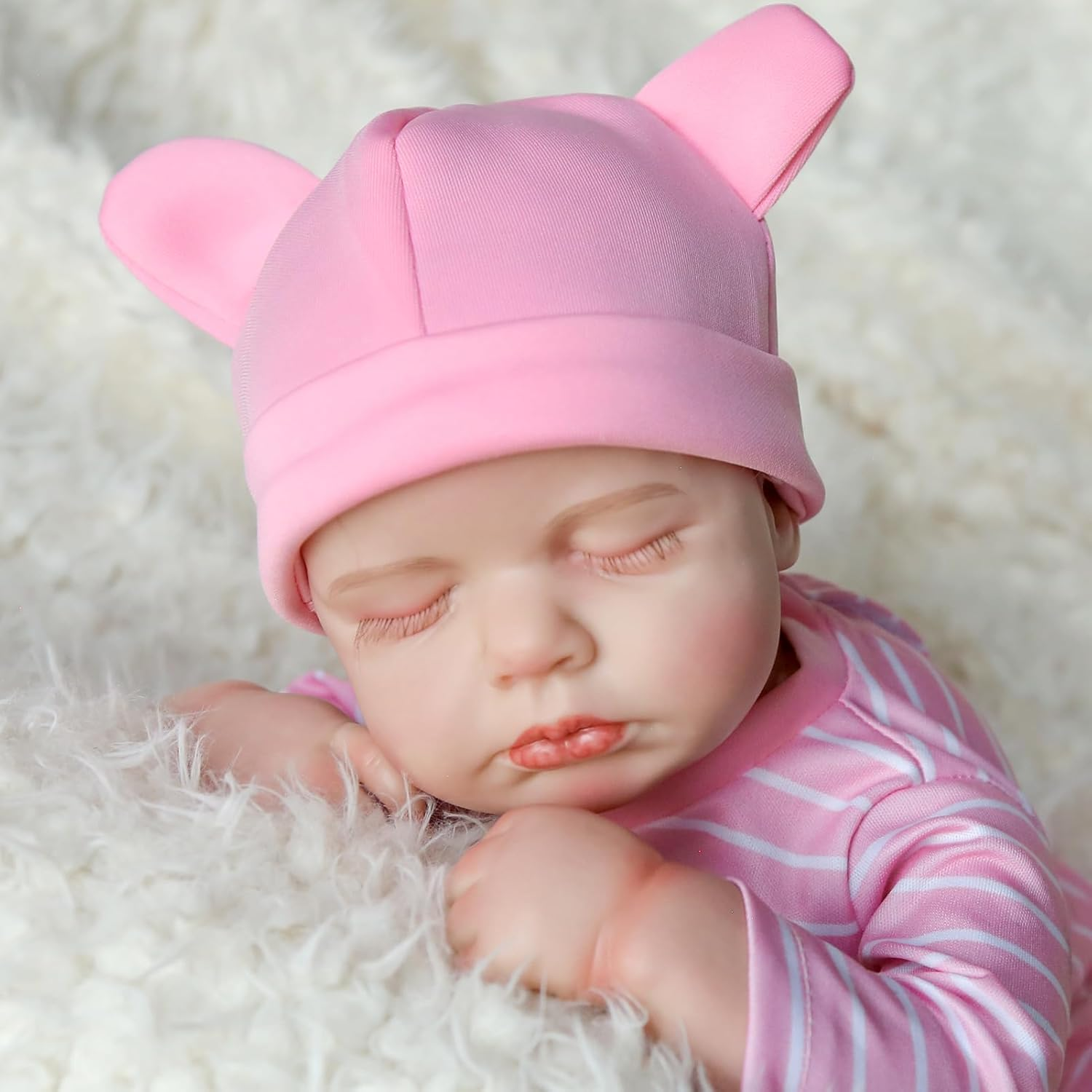
You’ve likely seen the viral photos of infants that look so real, you have to look twice.
But when you check the price tag, the confusion sets in.
Why does one doll cost $40 while another commands hundreds?
As an industry expert at Sueban Group, I can tell you the distinction goes far beyond just the price tag.
It’s a fundamental difference of Art vs. Toy.
In this guide, you’re going to learn exactly what is the difference between Reborn Dolls and Baby Dolls.
From mottled skin texture and weighted bodies to safety standards, we are breaking down the specific details that separate a durable plaything from a collectible masterpiece.
Let’s dive in.
The Fundamental Difference: Art vs. Toy
When clients ask us about the difference between reborn dolls and baby dolls, the answer isn’t just about price—it is about the engineering and intent behind the product. As a manufacturer, we see firsthand how a standard toy differs from a high-end collectible. The core distinction lies in the manufacturing process: a standard baby doll is typically a mass-produced item designed for durability and play, while a reborn doll is a piece of craftsmanship designed for visual realism and emotional connection.
Defining the ‘Reborn’ vs. Standard ‘Baby Doll’
To understand the reborn doll vs baby doll debate, we have to look at the “DNA” of the doll.
- Standard Baby Dolls: These are produced using high-volume injection molding. The vinyl is uniform in color, the features are symmetrical, and the focus is on meeting safety standards for rough play by children.
- Reborn Dolls: These start as artist sculpts or high-quality doll kits. The “reborning” process involves transforming a vinyl canvas into a lifelike infant through hand-painting, weighting, and detailed assembly.
Mass-Produced Injection Molding vs. Artist Creation
In our factory, we handle various production lines, so we know the technical specs. A standard doll comes off the line ready for the shelf. In contrast, realistic reborn dolls undergo a transformation. Whether it is a “factory reborn” (an affordable, mass-produced version with realistic touches) or a custom artist piece, the goal is to mimic human biology. We use specialized soft vinyl and silicone materials that hold paint layers better than standard glossy plastic.
Intended Use: Rough Play vs. Display and Nurturing
The intended audience dictates the construction. If you are buying for a toddler who will drag the doll by one arm, a standard baby doll is the correct choice because it is lightweight and robust. Reborn dolls are weighted to feel like a real baby—often containing glass beads or poly-pellets—making them heavier and more delicate. They are intended for collectors, older children, or therapeutic purposes, such as for individuals with dementia, where the goal is nurturing rather than active play.
Quick Comparison: Reborn vs. Standard Doll
| Feature | Standard Baby Doll | Reborn Doll |
|---|---|---|
| Primary Purpose | Toy for active play | Collectible art / Therapy |
| Production | Mass-produced injection molding | Hand-finished or Artist created |
| Material | Harder, durable vinyl or plastic | Soft vinyl, Silicone-like vinyl |
| Weight | Lightweight (hollow) | Weighted (feels like a real baby) |
| Realism | Stylized, uniform features | Hyper-realistic, unique details |
Visual Realism: It’s All in the Details
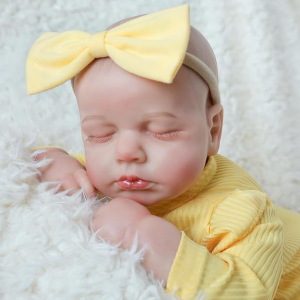
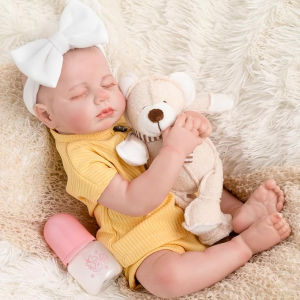
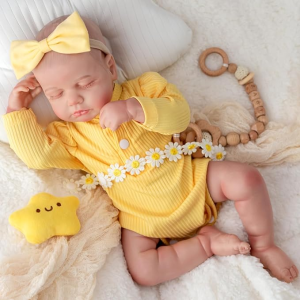
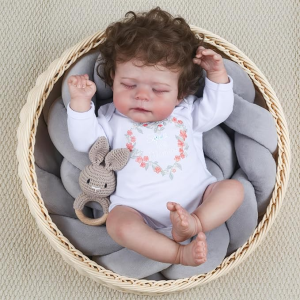
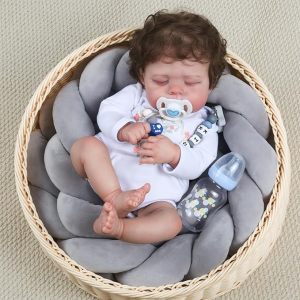
The most immediate distinction in the reborn doll vs baby doll comparison lies in the visual fidelity. While a standard baby doll is designed with a uniform appearance for general play, a reborn is crafted to deceive the eye through hyper-realistic artistry.
Skin Texture and Tone
Standard store-bought dolls typically feature “flat” vinyl—a single base color injected into the mold. There is no depth or variation. In contrast, our manufacturing process for realistic reborn dolls involves applying multiple translucent layers of paint. This technique creates a mottled skin texture, replicating the blotchy, uneven complexion of a newborn. The skin isn’t just one shade; it has redness, creases, and subtle discoloration that mimics biological tissue.
Veins and Capillaries
Authenticity is often found in what is barely visible. High-quality vinyl reborn dolls feature faint, lifelike blue undertones representing veins and capillaries. These are painted deep within the vinyl layers to simulate the thin, delicate skin of an infant. Standard baby dolls completely omit these details, resulting in an opaque, plastic appearance that lacks organic translucency.
Eyes and Lashes
The eyes are the focal point of any doll, and the manufacturing difference here is stark:
- Standard Baby Dolls: Usually feature machine-inserted plastic eyes and stiff, glued-on synthetic lashes that often peel off over time.
- Reborn Dolls: We utilize hand-blown glass or high-grade acrylic eyes for depth and shine. The eyelashes are typically hand-rooted with fine mohair or applied delicately to match the natural growth pattern of a human eyelid, avoiding the “clumpy” look of mass production.
Touch and Feel: Weight Matters
The ‘Dead Weight’ Effect and Head Support
The most immediate difference you notice when handling these products is the physical weight. Standard mass-produced baby dolls are designed to be lightweight, usually under a pound, making them easy for toddlers to carry without strain. In contrast, a lifelike weighted baby is engineered to replicate the “dead weight” of a real infant. When we manufacture high-end reborns, we often weight the head specifically so it falls back if unsupported, forcing the holder to cradle the neck just like they would with a newborn. This tactile feedback is a critical component of the realism that separates a collectible from a toy.
Internal Materials: Polyester vs. High-Density Weighting
The internal composition dictates the doll’s feel. Standard play dolls are typically stuffed with basic polyester fiberfill, which is soft but lacks substance. For our professional-grade reborns, the manufacturing process is far more complex. We utilize materials like fine glass beads or poly-pellets sealed inside the limbs and torso to add significant mass. This strategic weighting ensures the doll settles naturally in your arms rather than remaining stiff.
Body Construction: Cloth Body vs. Full Vinyl
The structural base of the doll greatly affects its poseability and “cuddle factor.”
- Cloth Body: Many reborns feature a soft fabric torso filled with weighting materials. This allows for maximum flexibility and a softer, more natural feeling when held.
- Full Vinyl/Silicone: A full body made from silicone vinyl material offers anatomical correctness and allows for dressing in diaper-style clothing, though it can be stiffer than cloth options.
Choosing the right construction depends heavily on the intended use, and understanding the trade-offs between vinyl vs. silicone materials is essential for selecting the right inventory for your market. While cloth body vs. full vinyl debates are common, the cloth option generally provides the superior “floppy” realism that collectors seek.



Hair Quality: Rooted vs. Molded
One of the most obvious visual indicators of the difference between reborn dolls and baby dolls is the hair. When you look at a standard store-bought doll, you are usually looking at durability first. These toys typically feature molded plastic hair or simple painted details. This is a practical choice for mass production; molded hair can’t get tangled, doesn’t shed, and withstands the rough-and-tumble play of a toddler.
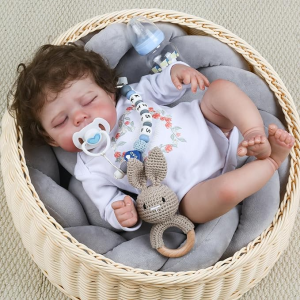
In contrast, realistic reborn dolls focus on authenticity rather than durability. The reborning process often involves a technique called micro-rooting. This is where we painstakingly insert individual strands of hand-rooted mohair (often from Angora goats) into the vinyl or silicone scalp using a fine felting needle. This mimics the natural growth pattern and wispy texture of a newborn’s hair. Many of our premium silicone reborn dolls feature this delicate rooting to ensure the doll feels as real as it looks.
Here is a quick breakdown of the maintenance requirements:
- Molded/Painted Hair: Zero maintenance required. It is waterproof and wipeable, making it perfect for bath time or younger children.
- Rooted Mohair: Requires careful grooming. You must use a soft-bristle brush and specialized conditioning spray (often a mix of water and leave-in conditioner) to prevent matting.
- Wigs: Some older “reborn” styles use glued wigs, which are easier to manage than mohair but lack the hyper-realistic look of hair growing directly from the scalp.
Because rooted hair is fragile and can fall out if pulled, it reinforces that reborns are collectible art dolls meant for gentle handling, not standard play.
Safety Standards and Durability Expectations
When we look at the manufacturing side of things, the biggest distinction between a standard toy and a reborn doll often comes down to who it is built for. Standard baby dolls are engineered for toddlers; they are designed to endure rough handling, drops, and frequent cleaning. In contrast, collectible art dolls are delicate creations meant for display or gentle therapy, not the toy box.
Target Audience and Fragility
Because true reborns involve complex artistry, they have specific vulnerabilities that standard dolls do not:
- Paint Sensitivity: The Genesis heat-set paints or air-dry paints used to achieve realistic skin tones can fade or chip if rubbed excessively or exposed to direct sunlight.
- Structural Delicacy: Hand-rooted mohair and weighted cloth bodies require careful handling to prevent shedding or seam ruptures.
- Magnet Risks: Many reborns utilize strong magnetic pacifier accessories. These magnets pose serious safety risks if swallowed, making them unsuitable for small children or households with pets.
Compliance with EN71 and ASTM F963
As a professional manufacturer, we ensure that the base materials—whether vinyl or silicone—meet strict international safety regulations. Our production lines adhere to the EN71 safety standard (Europe) and ASTM F963 (USA) to ensure non-toxicity. However, while the materials are safe, the construction of a high-end reborn often categorizes it as an adult collector item (14+ years) rather than a toy. Understanding these distinctions is crucial when considering how realistic baby dolls aid development for different age groups, ensuring the user gets a product that is both safe and durable for their specific needs.
Price Point Breakdown: Understanding the Cost Difference
When analyzing the difference between reborn dolls and baby dolls, the price gap is the most immediate indicator of the production method and intended purpose. Standard store-bought dolls are designed for mass consumption, keeping costs low through automated injection molding and rapid assembly lines. In contrast, a realistic reborn doll represents hours of skilled labor, specialized material science, and artistic precision.
Cost of Labor: Automation vs. Handcrafting
The primary driver of cost is the human element involved in the manufacturing process.
- Standard Baby Dolls: Produced in the thousands per day using automated machinery. Features like eyes and hair are machine-inserted or painted using standardized stencils.
- Reborn Dolls: Require intense manual work. Skilled technicians or artists spend days applying multiple layers of Genesis heat-set paints, hand-rooting mohair strands, and assembling weighted bodies to ensure the doll feels real.
Material Costs and the ‘Factory Reborn’ Alternative
Raw materials significantly impact the bottom line. While play dolls use basic hard plastic and polyester fill, high-end manufacturing utilizes soft silicone vinyl, German glass eyes, and weighted fillings like glass beads or poly-pellets.
However, there is a strategic middle ground. As a manufacturer, we produce “Factory Reborns”—dolls that utilize custom doll manufacturing techniques to achieve high realism without the exorbitant price tag of a one-off artist creation. This allows businesses to offer lifelike weighted baby dolls at a wholesale price point that remains accessible to a broader market. For a deeper look at pricing tiers and where to source these products, check our practical buying guide for reborn dolls.
Understanding Investment Value
- Toys: Designed to be played with and eventually discarded; they rarely hold monetary value once the box is opened.
- Collectibles: High-quality reborns are viewed as art. Detailed artist sculpts and limited-run silicone models often retain or increase in value over time, appealing to adult collectors who view the purchase as an investment in craftsmanship.
FAQ: Common Questions About Reborn and Baby Dolls
When customers first encounter these lifelike creations, they often have specific questions about handling and value. Understanding the difference between reborn dolls and baby dolls is crucial before making a purchase, as treating a high-end art doll like a toy can lead to expensive damage.
Can you bathe a reborn doll?
For the vast majority of realistic reborn dolls, the answer is a hard no. Unlike a standard vinyl baby doll designed for bath time, most reborns feature a cloth body vs. full vinyl construction to achieve that floppy, realistic weight. Submerging a cloth body will soak the stuffing (often poly-fill and glass beads), leading to rust and mold.
Even if the doll has full vinyl limbs, water can damage the delicate Genesis heat-set paints used to create the mottled skin texture and veins. However, solid silicone dolls are an exception. If you own one of these specific models, you should check our complete maintenance guide for silicone reborn dolls to ensure you clean them without ruining the matte finish.
Why are reborn dolls so expensive?
The price gap in the reborn doll vs baby doll market comes down to mass production versus artistry. A store-bought doll is injection-molded in seconds. A reborn is a collectible art doll. The cost covers:
- The Reborning Process: An artist spends weeks applying dozens of translucent paint layers to achieve realistic newborn features.
- Materials: High-end doll kits, German glass eyes, and hand-rooted mohair are significantly more expensive than synthetic factory materials.
- Labor: Inserting hair strand by strand takes days.
If you look at the complexity of how to make a reborn doll step-by-step, you realize you aren’t paying for a toy; you are paying for skilled labor and a unique piece of art.
Are reborn dolls suitable for young children?
Generally, no. While they look like cuddly babies, they are not built for the rough play of a toddler. Lifelike weighted baby dolls often contain glass beads for weight and strong magnetic pacifier accessories that can pose safety hazards if swallowed. Furthermore, the paint and hair are too fragile for daily play.
These are primarily designed for adult collectors or as therapy dolls for dementia patients who handle them gently. For a young child, you want a manufactured doll that strictly meets the EN71 safety standard, ensuring it is non-toxic and durable enough to be dropped, dragged, and loved without falling apart.

Owen is the second-generation founder of Sueban Group, a reborn doll manufacturer based in Guangdong, China. With over 20 years of family manufacturing heritage, Owen leads the company's B2B operations serving wholesalers, brands, and institutional buyers across 20+ countries.
Meet Owen →
 English
  Deutsch
  Français
  Español
  Italiano
  Nederlands