Deconstructing the Doll: Material Safety Breakdown
When asking, are reborn dolls safe?, it all starts with what they’re made of. Understanding reborn doll materials helps us break down their safety piece by piece.
The Skin: Vinyl vs. Silicone
Most reborn dolls use either vinyl or silicone for the skin. Both options have pros and cons:
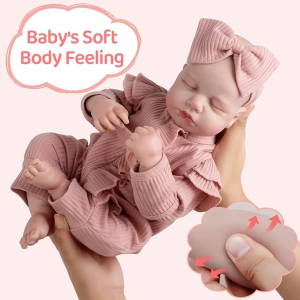
- Vinyl skin is lightweight, flexible, and generally durable. Top-quality vinyl is phthalate-free and BPA-free, meaning it doesn’t contain harmful chemicals linked to health risks.
- Silicone skin often uses medical-grade platinum silicone, which is hypoallergenic and feels more lifelike but is heavier and needs precise manufacturing controls to ensure safety.
Crucial Safety Check: Phthalate-Free and BPA-Free Explained
Phthalates and BPA are chemicals sometimes found in plastics that can interfere with hormones and cause health issues. Safe reborn doll manufacturers—like Sueban Group—ensure materials meet phthalate-free vinyl and BPA-free standards. This is critical for doll collectors and families alike.
The Complexion: Paints and Curing
The beautiful skin tone you see isn’t just paint slapped on. Reborn dolls use non-toxic paints, often Genesis heat-set paints, that cure at high temperatures to lock in color and durability. These paints undergo heavy metal testing to ensure zero lead or harmful substances.
Weight: Internal Fillings and Safety
The doll’s weight comes from fillings inside the body:
- Common fillers include poly-pellets or glass beads—both tested for safety.
- Fillings must be securely sealed and clean to prevent choking hazards.
- Quality control ensures fillers don’t contain harmful dust or toxic materials.
Details: Hair and Eyes Materials and Glue Safety
Hair and eyes complete the lifelike look but pose safety questions:
- Hair is usually high-quality mohair or synthetic fibers, hypoallergenic and securely rooted.
- Eyes are made from acrylic or glass, both tested for safety and durability.
- Adhesives used for hair and eyes are non-toxic and comply with CPSIA toy safety regulations.
By breaking down the elements—skin, paints, fillers, and details—you get a clear picture: safe reborn doll materials hinge on strict testing, responsible sourcing, and compliance with global standards. Always verify these aspects when choosing your doll, and look for trusted manufacturers who prioritize safety at every step.
The Rulebook: Global Safety Standards & Certifications
When it comes to reborn dolls, safety isn’t just a buzzword—it’s backed by strict rules. Understanding key safety standards like ASTM F963, EN71, and CPSIA helps you know what makes a doll safe for you or your child.
| Safety Standard | Region | What It Covers | Why It Matters |
|---|---|---|---|
| ASTM F963 | United States | Toy safety, including heavy metals and flammability tests | Ensures dolls meet US toy safety regulations |
| EN71 | Europe | Mechanical, chemical, and flammability safety for toys | European benchmark for toy safety |
| CPSIA | United States | Limits on lead, phthalates, and other harmful substances | Protects children from toxic materials |
Age Appropriateness and Testing differ between collector reborn dolls and those made for play. Dolls designed for collectors often don’t require the same rigorous child safety testing since they’re not marketed as toys. On the other hand, reborn dolls labeled for toddlers or newborns must meet stricter CPSIA and ASTM regulations, ensuring materials like paints are non-toxic, and fillings are securely enclosed.
For those curious about finding safe dolls for younger children, it’s smart to check dolls that comply with these standards, especially if you want to ensure hypoallergenic and phthalate-free vinyl or medical-grade silicone are used. Our guide on how to choose the best realistic reborn dolls for toddlers and newborns dives deeper into these differences for safe selection.
In a nutshell, knowing these certifications and the doll’s intended use helps you pick safer reborn dolls whether you’re buying for collection or play.
Behind the Scenes: Factory Compliance and Quality Control
When it comes to reborn doll manufacturer compliance, every step behind the scenes matters. First, raw material traceability in the supply chain ensures that every batch of vinyl, silicone, paints, and fillings can be tracked back to trusted sources. This traceability is key for safety, so we only use phthalate-free vinyl and medical-grade silicone that meet strict standards.
Factory audits are a crucial part of maintaining quality and ethical labor standards. These audits check working conditions, verify fair wages, and confirm that all safety protocols are followed—because responsible manufacturing goes hand-in-hand with safe product outcomes.
For premium silicone reborn dolls, cleanroom environments are essential during the casting process. These controlled rooms minimize contamination and ensure the softness and durability of platinum silicone baby dolls.
Quality control also involves thorough testing. This includes tension tests to check material strength and chemical batch testing to confirm no harmful substances like BPA or heavy metals are present. These comprehensive quality checks support compliance with regulations like ASTM F963, EN71, and CPSIA toy safety regulations to deliver safe, hypoallergenic doll materials.
By prioritizing factory compliance and continuous quality control, we guarantee a reborn doll that’s safe for collectors and crafted with care. For more on premium manufacturing standards, explore our 18-inch solid silicone reborn OEM supplier.
The Dark Side: Risks of Counterfeit and Non-Compliant Dolls
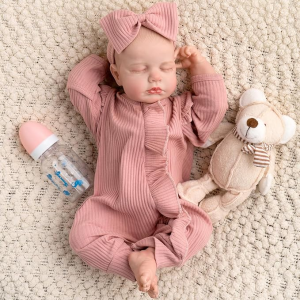
When it comes to reborn dolls, not all products on the market are safe or authentic. Knockoff dolls, often found through cheap marketplaces, pose serious risks. These counterfeit reborn dolls may use toxic materials, such as vinyl containing phthalates or paints with heavy metals, which can be harmful—especially if children come into contact with them.
You can often spot a fake doll by simple visual and smell tests. Off smells, like strong chemical odors, or paint that looks uneven or chips easily, are red flags. Authentic reborn doll manufacturers use non-toxic reborn paints and conduct heavy metal testing to ensure safety.
Ethical issues also surround counterfeit dolls. Many knockoffs steal sculpts from independent artists, undermining their work and violating copyright protections. Supporting genuine manufacturers helps protect these artists and promotes ethical doll manufacturing practices you can trust.
For a safe and ethical choice, consider trusted options like the 22-inch silicone reborn doll from reputable manufacturers who meet strict reborn doll safety standards.
The Sueban Group Standard: Our Commitment to Safety
At Sueban Group, we take reborn doll safety seriously. Our commitment starts with full transparency, strictly adhering to global safety standards like ASTM F963 and EN71 certification to ensure every doll meets or exceeds U.S. and international toy safety regulations. This means families and collectors alike can feel confident in the quality and safety of our products.
We only source premium materials, including medical-grade silicone and phthalate-free, non-toxic vinyl, carefully selected to be hypoallergenic and safe for prolonged handling. Our paints are also rigorously tested, using trusted non-toxic reborn paints like Genesis heat-set formulas, which are safe and long-lasting.
Every reborn doll leaving our factory comes with a safety guarantee backed by extensive quality control checks. From the softness of the skin to the small details like hair and eyes, we ensure materials and assembly meet the highest standards for durability and safety.
If you want to know more about how we work with top-tier materials or our detailed reborn doll manufacturing process, check out the full breakdown of our custom silicone reborn doll manufacturers and explore our silicone vs. vinyl reborn dolls ODM options for a closer look.
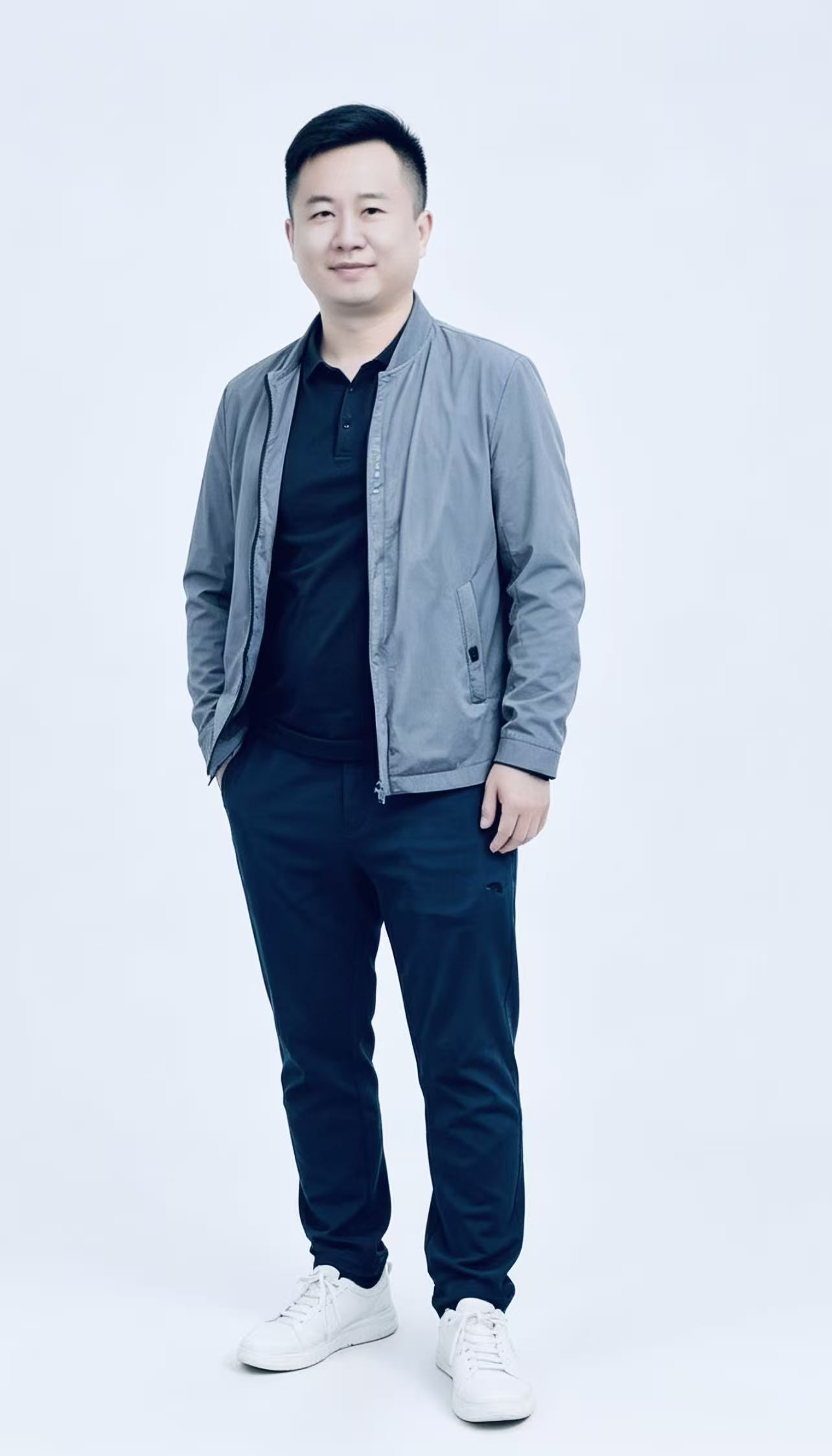
Owen is the second-generation founder of Sueban Group, a reborn doll manufacturer based in Guangdong, China. With over 20 years of family manufacturing heritage, Owen leads the company's B2B operations serving wholesalers, brands, and institutional buyers across 20+ countries.
Meet Owen →
 English
  Deutsch
  Français
  Español
  Italiano
  Nederlands