
Realistic baby dolls are more than just toys. They are tools for growth and learning. These lifelike dolls offer numerous developmental benefits. Children and adults alike can benefit from them. They help build empathy and compassion. They also enhance social skills and communication. Realistic baby dolls encourage imaginative play. This boosts cognitive development and problem-solving abilities. They also improve fine motor skills. For children with special needs, these dolls provide a safe space. They help in expressing emotions and understanding social cues. They are also used in therapy.Baby boy dolls that look real challenge gender norms. They encourage boys to engage in nurturing play. This promotes gender equality from a young age.Adults find comfort in these dolls too. They can aid in coping with grief or anxiety. They offer companionship and emotional support.
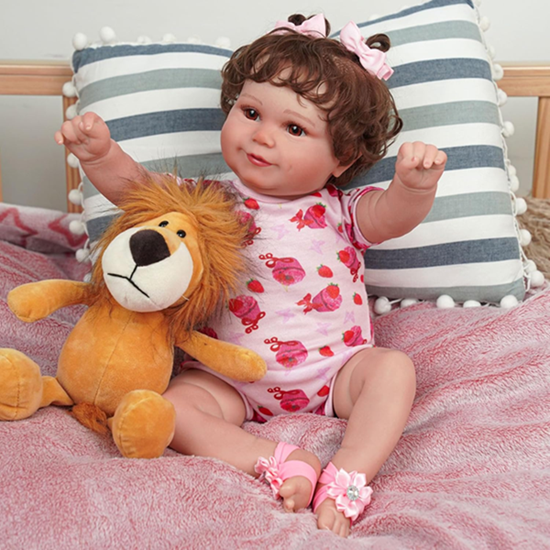
In this article, we explore how realistic baby dolls aid development. Discover their impact on emotional, social, and cognitive growth.
The Rise of Realistic Baby Dolls: What Are They?
Realistic baby dolls have gained popularity over the years. They are crafted to closely resemble real infants. This realism makes them appealing to both children and adults.The creation of these dolls is an art form. Craftsmanship and attention to detail are key. Their lifelike features include delicate skin textures and realistic eyes.
With their rise, different types of realistic baby dolls have emerged. Common categories include:
- Reborn baby dolls: Often custom-made and painted by artists.
- Vinyl dolls: Made from durable and realistic materials.
- Silicone dolls: Known for their soft and lifelike feel.
These dolls are available for many purposes. They can be used for play, therapy, or collection. Their uses are varied and continue to grow.
As demand rises, so does the availability. Today, they are more accessible than ever before. This increasing interest highlights their potential impact on development and well-being.
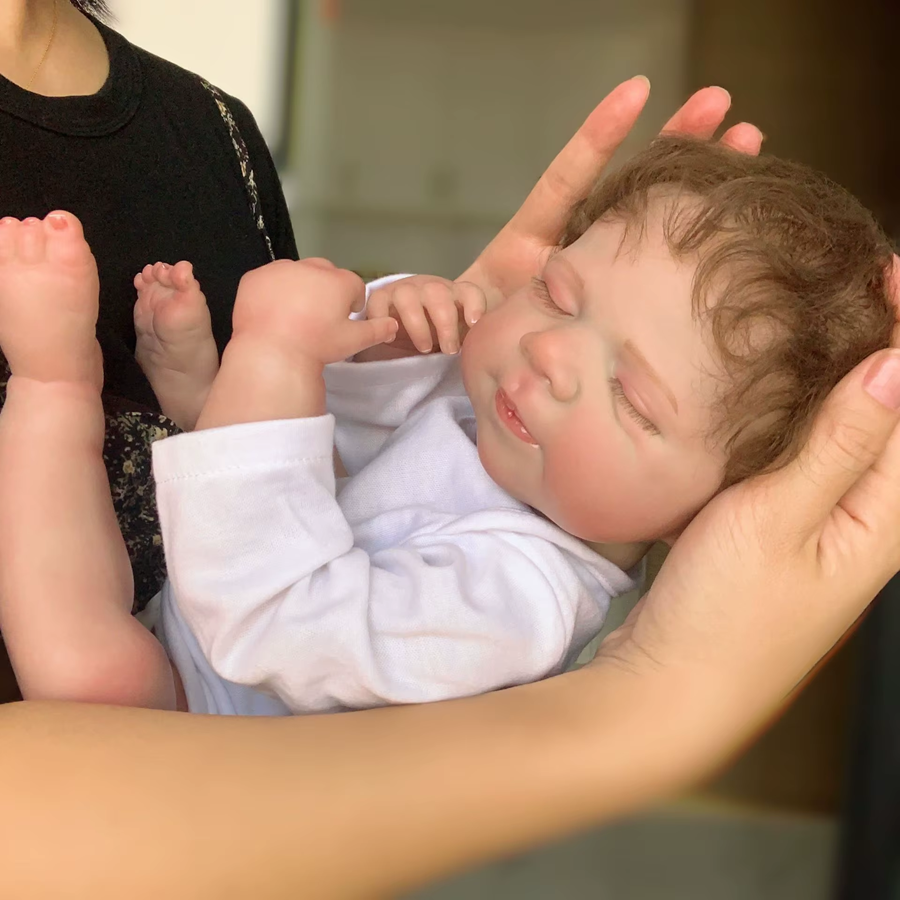
Emotional Development: Building Empathy and Compassion
Realistic baby dolls play a crucial role in emotional growth. Children often mimic caregiving actions with these dolls. This mimicry helps foster empathy and compassion. By caring for a doll, children learn nurturing skills. They practice soothing, feeding, and comforting. These activities mirror real-life interactions. Such play encourages children to recognize emotions. They learn to read expressions and respond with care. This understanding is vital for social interactions.
Role-playing scenarios deepen emotional connections. Children can pretend the doll is happy, sad, or tired. These scenarios teach children to understand different emotional states.
Empathy develops through these imaginative experiences. Children begin to see the world from another perspective. This skill is essential for healthy relationships. Adults can benefit from these dolls, too. They find comfort and release tension through nurturing activities. The tactile experience of holding a doll can be soothing.
In summary, realistic baby dolls support:
- Development of empathy
- Recognition of emotions
- Understanding of diverse perspectives
Through play, children become more compassionate individuals. They learn crucial skills that can be applied throughout life. These lessons are pivotal for emotional maturity.
Social Skills: Enhancing Communication and Cooperation
Playing with realistic baby dolls enhances essential social abilities. Children engage in conversations with their dolls, developing language skills. This interaction simulates real-world communication. These dolls also promote cooperative play. Children often involve friends or family in caregiving activities. This requires sharing responsibilities and teamwork. In group settings, children learn the importance of taking turns. They practice patience and understanding in collaborative play. Such experiences are foundational for social behavior.
Realistic baby dolls encourage peer interactions. When children care for dolls together, they form bonds. They share ideas about how to best care for their “babies.” The presence of a baby doll can also reduce social anxiety. Children might find it easier to express themselves through their dolls. The doll acts as a safe intermediary in social situations.
Overall, these dolls support the development of:
- Language skills through conversation
- Teamwork and cooperation
- Patience and turn-taking
- Peer bonding and relationship building
Through these enriching social activities, children develop stronger communication skills. They learn to articulate thoughts and understand others. These dolls are more than toys; they are gateways to social learning.
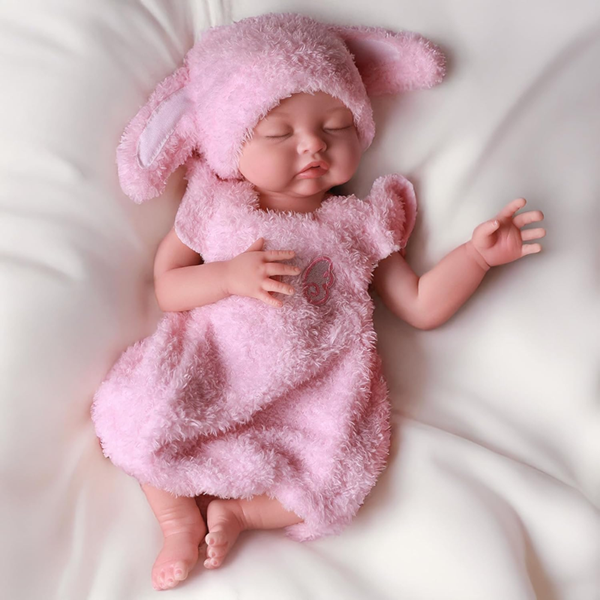
Cognitive Growth: Imagination, Problem-Solving, and Language
Realistic baby dolls open doors to rich imaginative play. Children create scenarios that mimic real-life situations. This role-play cultivates creativity and innovation.
When children care for their dolls, they face various challenges. They need to solve problems like feeding schedules or diaper changes. This nurtures critical thinking and problem-solving skills.
Storytelling is another cognitive benefit. As children narrate their dolls’ lives, they develop narrative skills. This enhances their language abilities and vocabulary.
Imaginary play with realistic baby dolls also encourages children to think abstractly. They envision their dolls’ personalities, desires, and needs. This enhances their understanding of complex ideas.
These activities foster a deeper cognitive awareness. Through care tasks, children practice counting, measuring, and sequencing actions. These practical skills prepare them for more formal education.
Key cognitive growth experiences include:
- Engaging in imaginative scenarios
- Problem-solving through daily care routines
- Enhancing language and storytelling abilities
- Developing abstract and critical thinking
In summary, realistic baby dolls are powerful educational tools. They facilitate cognitive development beyond traditional learning methods. Children hone skills essential for academic success and life.

Fine Motor Skills and Physical Coordination
Interacting with realistic baby dolls engages children’s fine motor skills. Every movement, from buttoning clothes to tying shoelaces, improves dexterity. These small actions are significant in child development.
Handling dolls encourages physical coordination. Children learn to balance, carry, and maneuver their dolls carefully. This practice enhances their overall body control.
Realistic baby dolls also promote task sequencing. Setting a doll’s dinner table or dressing it requires methodical planning. These activities challenge and strengthen hand-eye coordination.
Skills cultivated through doll play include:
- Buttoning and unbuttoning clothing
- Brushing hair or grooming
- Feeding or pretend eating activities
- Carrying and maneuvering objects safely
Overall, realistic baby dolls serve as dynamic tools for enhancing motor abilities. Through interactive play, children build vital skills and gain physical confidence. These experiences lay a solid foundation for more advanced tasks.
Therapeutic Benefits: Supporting Children and Adults
Realistic baby dolls offer therapeutic benefits for children and adults. They serve as comfort objects, aiding emotional expression in therapy sessions. These dolls create a safe space for individuals to explore feelings.
Children use dolls to express emotions they might otherwise struggle to communicate. For those who’ve experienced trauma, dolls offer a means of expression without words. This method promotes healing in a non-verbal, gentle way.
Adults also find solace in realistic baby dolls. For individuals coping with grief or anxiety, dolls can be a source of comfort. Holding a lifelike doll can bring solace during difficult times, providing a tactile focus.
Therapeutic uses for realistic baby dolls include:
- Assisting children in expressing emotions
- Supporting grief processing in adults
- Providing comfort during anxiety or stress
- Facilitating non-verbal communication in therapy
In autism therapy, these dolls are invaluable. They provide a controlled environment for practicing social interactions. Children with autism can rehearse real-life scenarios and enhance their social skills safely.
Reborn baby dolls are highly realistic, helping parents and expectant parents practice caregiving. They provide a tangible way to prepare for real-life parenting challenges. This hands-on experience can ease the transition to parenthood.
Overall, realistic baby dolls offer diverse therapeutic roles. Their impact spans emotional expression, comfort, and skill practice. Their use in both child and adult therapy underscores their versatility and effectiveness.
Breaking Gender Stereotypes: The Importance of Baby Boy Dolls That Look Real
Realistic baby dolls play a crucial role in challenging traditional gender norms. Baby boy dolls, in particular, encourage boys to explore nurturing behaviors. This can help dismantle stereotypes around caregiving roles and interests.
Boys engaging in play with baby boy dolls develop empathy and caregiving skills. The act of nurturing a doll can help them understand real-life caregiving tasks. This broadens their perspective beyond conventional gender roles.
Introducing boys to realistic baby dolls can also promote equality. Boys learn that caregiving is not exclusively a female responsibility. This understanding can cultivate an environment of shared responsibilities in their future lives.
The presence of boy dolls in play settings encourages boys to express emotions. This form of expression fosters emotional intelligence, vital for personal development. Additionally, it can provide boys with a sense of identity and belonging.
Key points in challenging gender norms with baby boy dolls:
- Encouraging nurturing play for boys
- Promoting gender role flexibility
- Supporting emotional expression and intelligence
- Preparing boys for shared responsibilities
Ultimately, providing realistic baby boy dolls as a play option is important. It breaks barriers, promotes inclusivity, and offers developmental benefits. By doing so, we prepare boys for a more balanced perspective on life roles.
Realistic Baby Dolls in Special Needs and Autism Support
Realistic baby dolls can be powerful tools for supporting children with special needs, including autism. These dolls offer a controlled and safe environment for children to explore emotions and interactions, which aids in their personal growth.
Children with autism often face challenges with social interactions. Realistic baby dolls can bridge this gap by providing a non-threatening partner for practice. Engaging in play with these dolls can help children better understand social cues and gestures.
In sensory therapy, realistic baby dolls can provide tactile stimulation. The act of dressing and undressing a doll helps develop fine motor skills. The comforting weight and feel of a lifelike doll can also offer soothing reassurance.
Key benefits for children with special needs include:
- Practicing social skills in a safe space
- Developing fine and gross motor skills
- Offering tactile and sensory experiences
Ultimately, introducing realistic baby dolls into the lives of children with special needs fosters a nurturing environment. It provides these children with essential skills and comfort.
Preparing for Life Changes: Siblinghood, Parenting, and Beyond
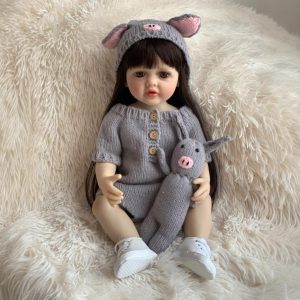
Realistic baby dolls play a vital role in preparing children for significant life changes. They can help ease transitions such as welcoming a new sibling or adjusting to new family dynamics. By caring for a realistic doll, children can practice nurturing skills, which helps them understand the responsibilities involved.
Expectant parents can also benefit from realistic baby dolls. These lifelike dolls provide opportunities to rehearse caregiving tasks. Parents can learn skills such as changing diapers, swaddling, and feeding in a practical, hands-on way.
Role-playing different scenarios with these dolls can prepare children and adults alike for various stages of life. They offer an opportunity to explore emotions and roles in a safe space. This practice can ease anxiety about upcoming changes.
Key benefits include:
- Practicing caregiving tasks for expectant parents
- Preparing children for new siblings
- Easing anxiety about life transitions through role-play
Realistic baby dolls thus serve as indispensable tools for those navigating significant life events. They provide both reassurance and practical skills.
Realistic Baby Dolls for the Elderly: Comfort and Companionship
Realistic baby dolls offer more than just developmental benefits for children. They also provide comfort and companionship for the elderly. Especially those who experience loneliness or dementia, these lifelike dolls can be a source of solace.
For seniors, holding a realistic baby doll can evoke feelings of nostalgia and warmth. The tactile experience can trigger memories and emotions linked to past caregiving roles. This connection can help improve mood and reduce anxiety.
In care settings, realistic baby dolls have shown positive impacts on seniors with cognitive impairments. These dolls can serve as calming tools, helping to reduce agitation and distress. The presence of a doll often enhances emotional well-being.
Benefits for the elderly:
- Provides companionship and reduces loneliness
- Evokes positive memories and emotions
- Calms anxiety and distress in care settings
Ultimately, realistic baby dolls act as soothing companions for the elderly. They provide emotional comfort and a sense of purpose.
Educational Uses: Teaching Diversity, Inclusion, and Responsibility
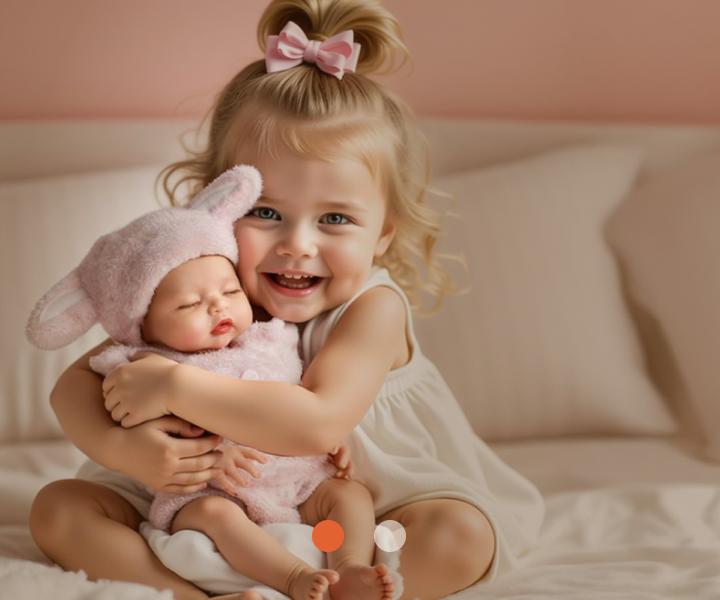
Realistic baby dolls serve as valuable educational tools. Schools and educational programs use these dolls to teach crucial lessons in diversity and inclusion. By incorporating diverse doll representations, children learn to recognize and respect differences.
These dolls enable hands-on learning about family roles and responsibilities. Through role-play, children explore different cultural and societal roles. This encourages a deeper understanding of community and cooperation.
In addition to role exploration, realistic baby dolls promote lessons in responsibility. Caring for a doll instills routine and accountability in young learners. Children develop a sense of duty as they engage with these lifelike companions.
Key educational benefits include:
- Teaching about cultural diversity and inclusion
- Encouraging understanding of family roles
- Instilling a sense of responsibility
By introducing children to a variety of realistic dolls, educators prepare them for real-world interactions. This fosters empathy and broad-mindedness, crucial traits in an inclusive society.
Choosing the Right Realistic Baby Doll: What to Look For
Selecting the perfect realistic baby doll requires considering various factors. Quality is crucial, as well-crafted dolls offer a more authentic experience. This enhances their effectiveness in educational and therapeutic settings.
Material should also be a key consideration. Silicone and vinyl options often provide lifelike textures. These materials ensure durability and a tactile experience that feels real.
Customization features allow for unique personalization. Options like eye color, hair type, and skin tone increase the doll’s resemblance to real babies. This personal touch can enhance emotional connection for users.
Important factors to consider include:
- Quality and durability
- Material texture (silicone or vinyl)
- Customization options
Additionally, safety should not be overlooked. Dolls must meet safety standards to protect users, particularly small children. By weighing these considerations, you can choose a doll that meets your needs and aids development effectively.
Real Stories: Testimonials from Parents, Educators, and Collectors
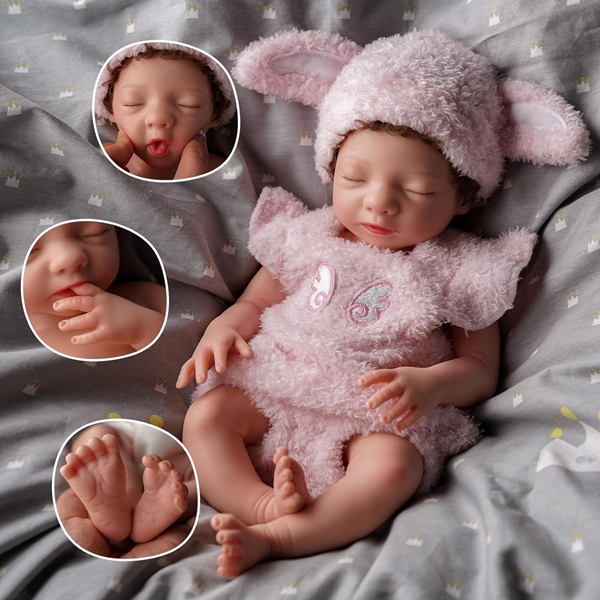
Realistic baby dolls have made a significant impact on various lives. Parents often share stories of how these dolls aid their children in learning empathy and responsibility. Dolls become tools for teaching children to care for and nurture, enriching their emotional development.
Educators have embraced realistic baby dolls as invaluable teaching aids in the classroom. They report that students engage more readily with learning activities that incorporate dolls. By acting out scenarios, children develop social skills in a guided and playful way.
Collectors find realistic dolls offer a unique form of joy and satisfaction. These lifelike creations fulfill aesthetic desires and provide a sense of connection. The intricate artistry involved in crafting such dolls is highly appreciated by hobbyists and enthusiasts alike.
Common themes in testimonials include:
- Emotional growth through play
- Enhanced educational interactions
- Pleasure and appreciation for fine craftsmanship
These personal stories underscore the versatile benefits of realistic baby dolls, enhancing lives through education, emotional connection, and artistry.
Expert Insights: What Child Development Specialists Say
Child development experts advocate for the use of realistic baby dolls in nurturing environments. They believe these dolls offer profound benefits, both emotionally and socially. Specialists affirm that lifelike dolls foster empathy by encouraging children to care for them as they would a real baby.
Experts also note the role these dolls play in social learning. As children engage in role-play, they practice essential skills such as communication and cooperation. This imaginative play helps build a foundation for understanding social dynamics.
Therapeutically, realistic baby dolls serve as valuable tools for expression. Specialists use them in therapy to help children articulate feelings they cannot easily express otherwise. This process can be pivotal for children dealing with trauma or emotional challenges.
Key insights from child development specialists include:
- Emotional development through caregiving
- Enhanced social skills via role-playing
- Therapeutic benefits for emotional expression
The consensus among experts is clear: realistic baby dolls are powerful in supporting healthy child development.
Conclusion
Realistic baby dolls have a profound impact on personal growth and development. They serve as more than just toys. These lifelike companions provide essential experiences that nurture emotional, social, and cognitive skills.
The influence of these dolls extends beyond childhood. They offer therapeutic benefits to adults grappling with grief or anxiety. In educational settings, they serve as vital tools for teaching diversity and responsibility.
Their versatility makes them valuable in a variety of contexts:
- Encouraging empathy and compassion
- Enhancing social interaction and skills
- Supporting therapeutic initiatives
- Teaching family roles and responsibilities
Realistic baby dolls continue to transform lives by acting as a bridge between pretend play and real-world skills. Their influence extends into adulthood and elderly care. By engaging with these dolls, individuals cultivate essential life skills, leaving a lasting impact on their development journeys.

Owen is the second-generation founder of Sueban Group, a reborn doll manufacturer based in Guangdong, China. With over 20 years of family manufacturing heritage, Owen leads the company's B2B operations serving wholesalers, brands, and institutional buyers across 20+ countries.
Meet Owen →
 English
  Deutsch
  Français
  Español
  Italiano
  Nederlands