
Dementia affects tens of millions of people worldwide, with symptoms that range from memory loss and mood changes to agitation and wandering. As pharmacological treatments have limited effects on behavioural and psychological symptoms of dementia (BPSD), care providers increasingly explore non-pharmacological interventions that improve quality of life. One such intervention receiving clinical attention is doll therapy — using lifelike reborn dolls to provide emotional comfort, stimulate social interaction, and reduce distressing behaviours in people living with dementia.
This guide summarizes 8 key peer-reviewed clinical studies, explains neuroscientific mechanisms behind doll therapy, outlines a practical implementation strategy for care facilities, and proposes a simple ROI model to evaluate benefits.
What Is Doll Therapy?
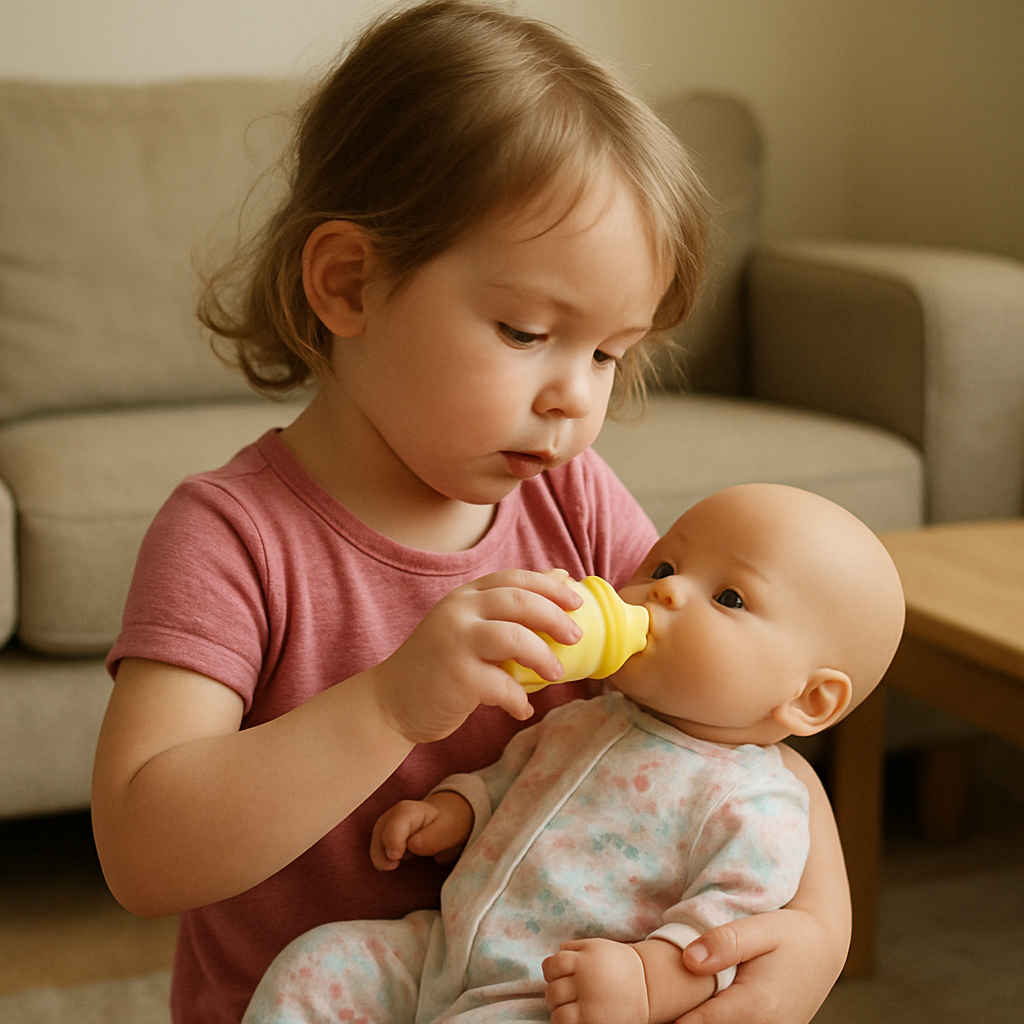
Doll therapy involves giving individuals with dementia a lifelike baby doll to hold, care for, and interact with. The underlying idea draws on attachment and transitional object theories — familiar or comforting objects can decrease distress and provide a sense of purpose and emotional regulation.
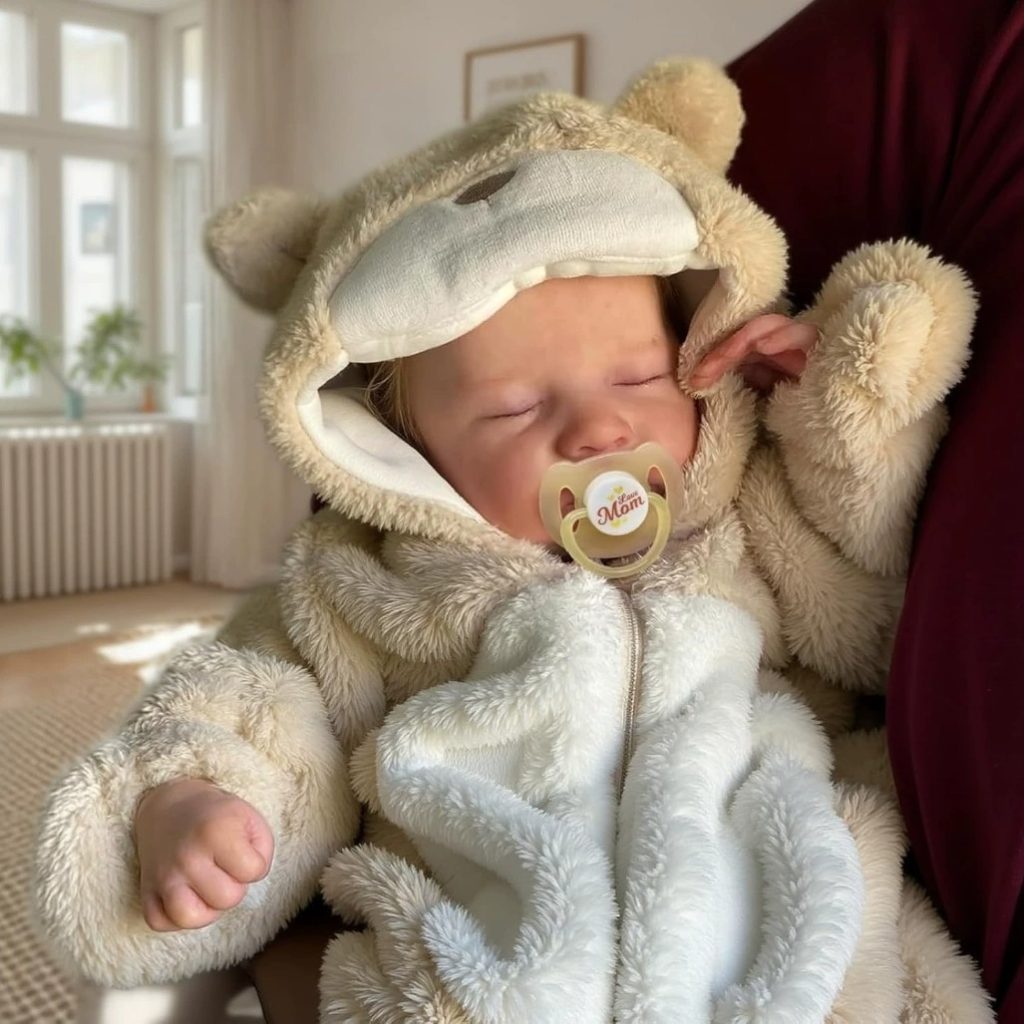
Unlike ordinary toys, reborn dolls are weighted, realistic, and sensory-engaging, which can make the experience more meaningful, especially for those with advanced cognitive decline.
Clinical Evidence: What Research Shows
Here’s a summary of the most relevant dementia and doll therapy research from PubMed and systematic reviews:
1. Systematic Review — Doll Therapy Effectiveness
A 2016 systematic review concluded that doll therapy often alleviates behavioural and emotional symptoms, improves wellbeing, and helps people with dementia relate more meaningfully with their environment.
2. Meta-Analysis in Nursing Homes
A later systematic review and meta-analysis found that doll therapy significantly reduced agitation, irritability, apathy, and wandering, and improved psychological states (e.g., anxiety and depression) among nursing home residents with dementia. Coordination with caregivers enhanced effectiveness.
3. Clinical Trial Results
In a randomized, single-blind controlled trial, women with moderate-to-severe dementia showed significant reductions in neuropsychiatric symptom scores and higher engagement when interacting with dolls compared to control objects.
4. Observational Research
Studies conducted in nursing homes have reported reduced aggressive behaviours, improved social interaction, and decreased negative moods after implementing doll therapy protocols.
5. Critical Literature Review
A critical appraisal of the literature indicated that doll therapy increased engagement and communication, though adoption in clinical practice varies and ethical concerns remain under discussion.
6. Broader Systematic Review
Another systematic review focusing on BPSD confirmed that doll therapy positively affected emotional state, reduced disruptive behaviours, and enhanced communication in people with dementia, although more rigorous randomized trials are needed.
7. Trial Protocol Evidence
A planned single-blind RCT protocol in Swiss nursing homes sought to test doll therapy versus sham interventions, highlighting the need to better understand the attachment mechanisms and physiological stress responses.
8. International Initiatives
Emerging clinical trials (e.g., University Hospital Clermont-Ferrand) are actively investigating reborn dolls as therapeutic objects to reduce agitation and improve staff-resident relationships — underscoring a growing research interest.
Neuroscientific Mechanisms Behind Doll Therapy
Although research is ongoing, several theories explain why doll therapy may benefit people with dementia:
Attachment and Transitional Object Theory
Attachment theory suggests humans form emotional bonds to objects that evoke comfort and security. For someone with dementia, a lifelike doll may activate memory regions tied to past caregiving experiences, reducing stress and promoting emotional regulation.
Sensory and Emotional Engagement
Holding a soft, weighted doll can activate tactile and proprioceptive neural pathways, providing soothing sensory feedback. This form of embodied interaction may stimulate brain regions related to reward and pleasure, countering agitation and anxiety.
Person-Centered Interaction
Doll therapy often encourages caregivers to interact with residents around the object, enhancing social engagement and reducing feelings of isolation. Increased communication can stimulate cognitive and emotional networks that otherwise decline in dementia.

How to Implement Doll Therapy in Care Facilities
A practical implementation framework helps ensure consistency and effectiveness:
1. Assessment
- Evaluate each resident’s:
- Stage of dementia
- Emotional triggers
- History of caregiving roles
Not every individual benefits equally; some may show discomfort or confusion.
2. Introduction Protocol
- Introduce the reborn doll in a calm, familiar room
- Allow the resident to hold and explore at their own pace
- Encourage gentle verbal prompts from caregivers
3. Structured Sessions
- 15–30 minutes per session
- 2–3 sessions per week
- Document behavioural changes
4. Caregiver Training
Ensure staff understand:
- Safe handling of dolls
- Signs of positive engagement
- Ethical respect for resident autonomy
5. Evaluation and Adjustment
Regularly assess:
- Frequency of agitation or wandering
- Levels of social interaction
- Emotional states (anxiety, joy)
Adjust the approach based on resident response.

ROI Model for Doll Therapy Programs
While doll therapy should never replace core clinical care, it can be evaluated for cost-effectiveness. Here’s a simple ROI model care facilities can use:
Factor | Measure |
Cost of Dolls | Initial acquisition (per unit) |
Training Investment | Staff hours × training cost |
Reduced Medication Use | % decrease in sedatives/antipsychotics |
Staff Time Savings | Reduced agitation incidents × caregiver hours |
Quality of Life Score | Pre/post intervention surveys |
ROI = (Savings + Improved Quality Scores – Total Costs) / Total Costs × 100%
For example, if BPSD medications decrease by 15% and agitation-related staff interventions drop by 20%, annual savings can justify the investment in high-quality reborn dolls and training.
Safety and Ethical Considerations
Doll therapy may not be suitable for every individual. Some people may feel confusion or disorientation. It’s important to:
- Respect resident autonomy
- Avoid forcing engagement
- Combine with evidence-based care plans
Ethical discussions continue, but clinical reviews affirm that person-centered approaches around doll therapy can be supportive when applied respectfully.
Summary
Reborn doll therapy is a clinically recognized non-pharmacological approach that can:
- Reduce agitation, irritability, and wandering
- Enhance emotional comfort
- Promote social interaction
- Support quality of life for people with dementia
Although additional randomized controlled trials are needed, current systematic reviews and clinical findings provide promising evidence for its use in dementia care settings, particularly when integrated with care facility protocols.
