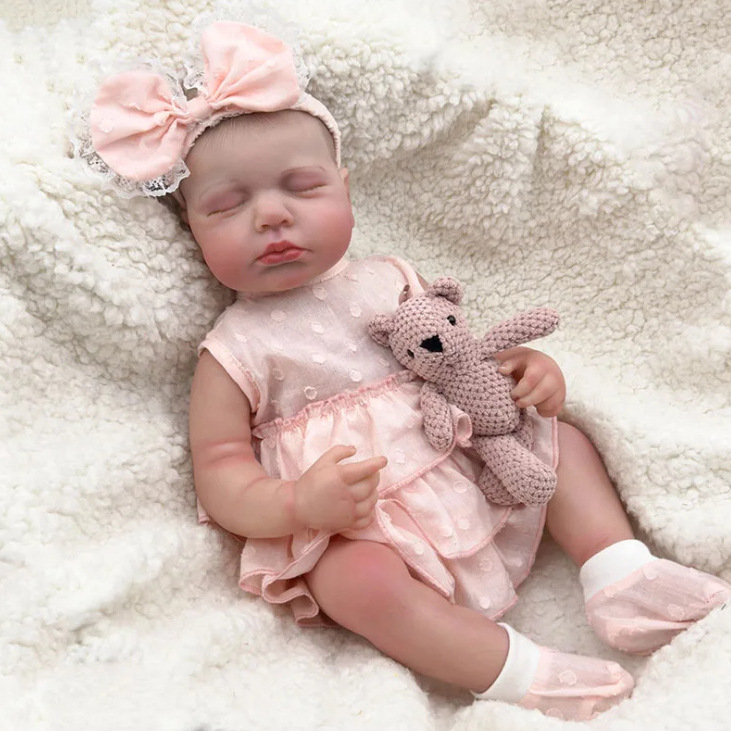
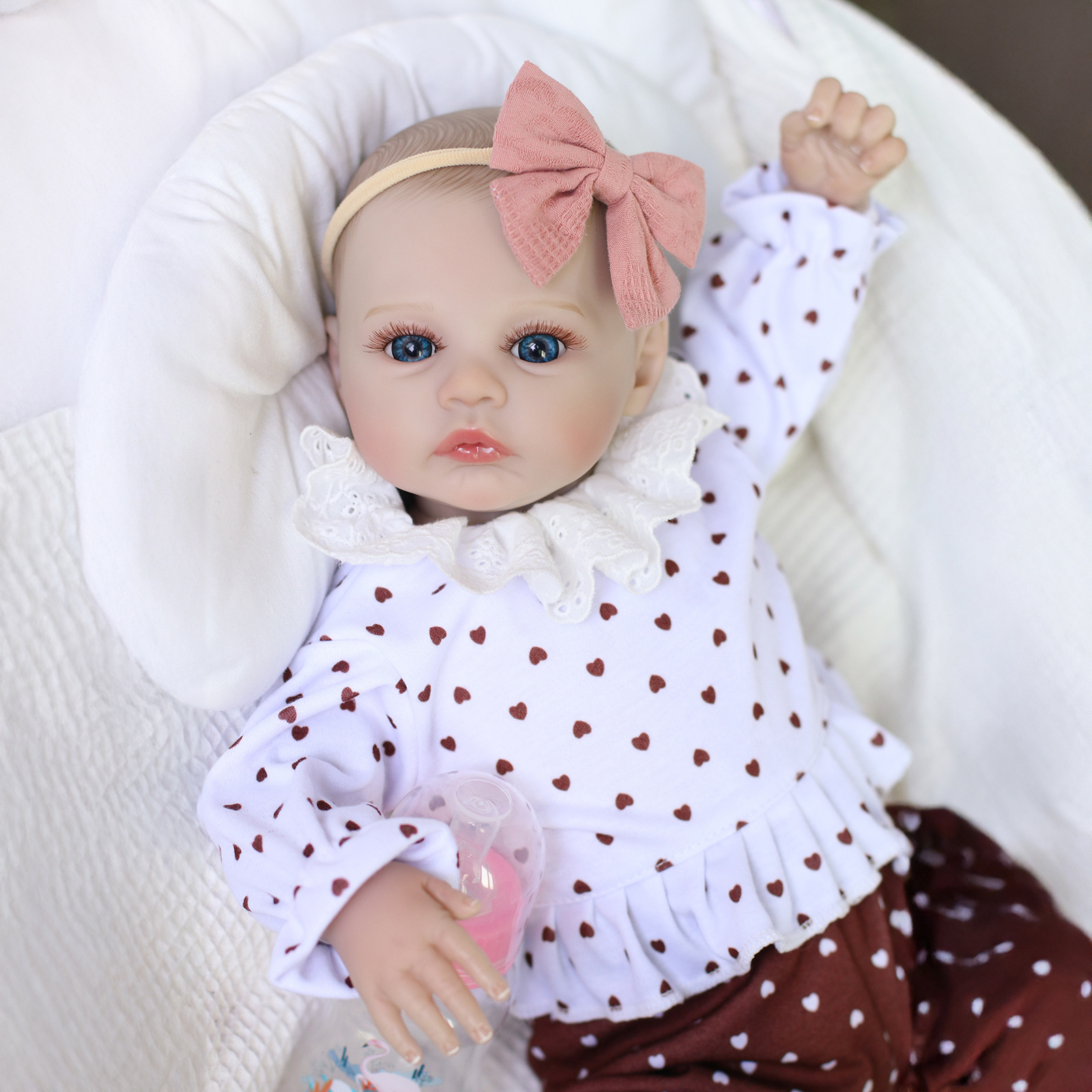
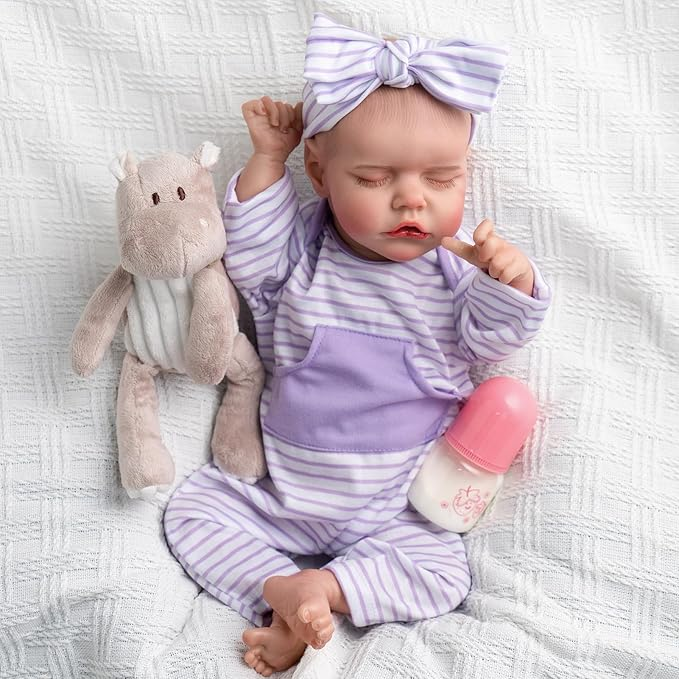
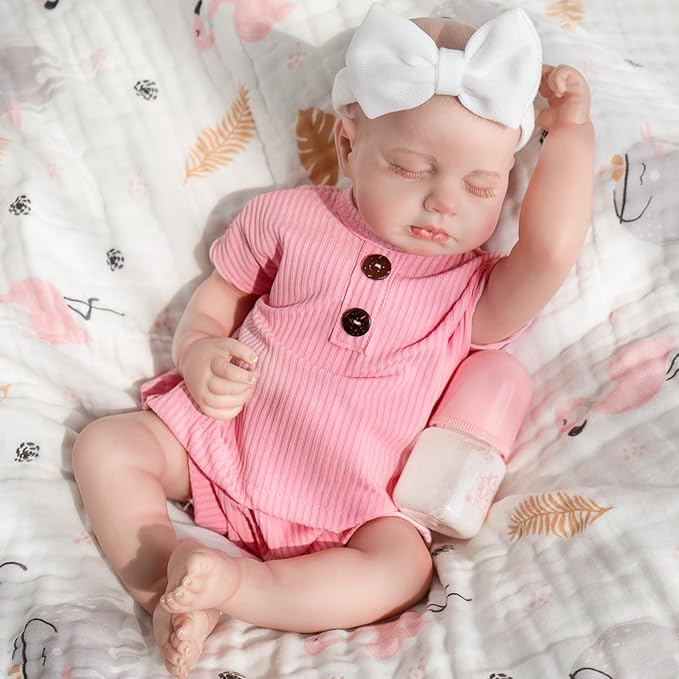
Defining Your Niche and Product Specifications
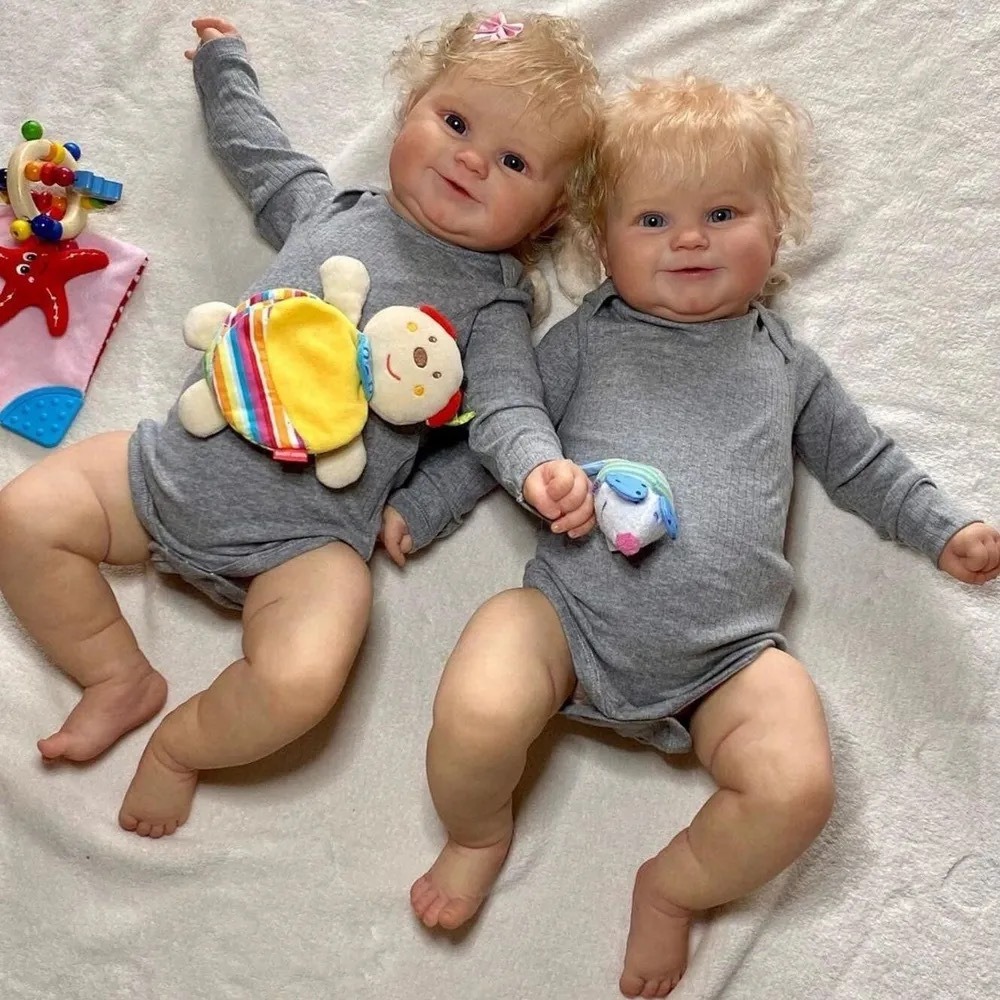
Success in the reborn doll business starts with a laser-focused niche. In 2026, the market is no longer about generic toys; it is about high-fidelity realism and specific use cases. Before contacting an OEM/ODM doll manufacturer, I define exactly what my brand stands for to ensure my product line stands out in a crowded e-commerce landscape.
Choosing the Right Material: Silicone vs. Vinyl
The material is the most significant factor in my pricing strategy and brand positioning. I focus on two primary industry standards:
- Premium Platinum Silicone: This is the gold standard for high-end collectors. It offers a “squishy,” lifelike feel, seamless limbs, and the ability to be bathed. It commands a premium price point.
- Soft Gentletouch Vinyl: More affordable and durable. It is the best choice for high-volume sales and entry-level collectors. It allows for intricate detailing and “real-feel” weighted cloth bodies.
Analyzing Demand for Popular Scales
I categorize my inventory based on the most sought-after sizes in the United States market. Choosing the right scale affects everything from shipping costs to accessory compatibility.
| Doll Scale | Market Segment | Primary Use Case |
|---|---|---|
| 10”–14” (Preemie) | Niche Collectors | Small, portable, and popular for “box openings.” |
| 18”–20” (Newborn) | Mainstream Best Seller | Fits standard infant clothing; highest demand on Amazon/Etsy. |
| 22”+ (Toddler) | High-End Portraiture | Detailed sculpts used for display and high-ticket custom orders. |
Targeting Collectors vs. Therapeutic Use Cases
To build a sustainable reborn doll brand, I identify my primary audience early. My marketing and product features shift significantly depending on the end-user:
- Adult Collectors: Focus on private label reborn babies with hyper-realistic “mottled” skin tones, hand-rooted mohair, and glass eyes. These customers value artistry and exclusivity.
- Therapeutic Use: There is a massive, growing demand for dolls used in dementia care and grief therapy. For this niche, I prioritize weighted bodies that mimic the feel of a real infant and “sleepy” facial expressions that evoke a sense of calm.
- Gift Market: High-quality, CPC certified toys aimed at older children. These require durability and safety certifications while maintaining a realistic aesthetic.
Sourcing an OEM/ODM Doll Manufacturer
When you start a doll business OEM, your manufacturing partner makes or breaks your brand. In 2026, skipping trading companies and prioritizing direct-from-factory sourcing is the only way to protect your profit margins. Middlemen inflate costs, slow down production, and complicate communication. You need a direct line to a reliable reborn doll supplier China to stay competitive in the US market.
Evaluating Factory Capabilities
I always look for an OEM/ODM doll manufacturer that balances automated production with artisan craftsmanship. Your factory needs the tech to scale quickly, but the skilled labor to handle delicate details like hand-painting and premium hair rooting.
The Low MOQ Advantage
Don’t lock up your capital in massive inventory right out of the gate. Working with low MOQ toy suppliers allows you to test different models and gauge customer reactions without heavy financial risk. For example, launching a custom 6-inch mini full silicone reborn baby doll requires far less upfront investment when your factory supports small initial batch runs for market testing.
Shenzhen Logistics Hubs
Location matters for your supply chain. Partnering with a Shenzhen doll factory gives you direct access to one of the world’s most efficient shipping and logistics hubs. This translates to faster freight forwarding, cheaper shipping rates, and quicker turnaround times to your US warehouses.
Factory Sourcing Checklist
| Sourcing Strategy | Direct OEM/ODM Factory | Traditional Middleman |
|---|---|---|
| Profit Margins | High (Factory-direct pricing) | Low (Markups added) |
| Customization | Full control over molds & specs | Limited to existing catalog |
| Communication | Direct feedback loop | Delayed, prone to errors |
| MOQ Flexibility | High (Low MOQ options available) | Rigid (High volume required) |
| Shipping Speed | Fast (Direct from Shenzhen hubs) | Slow (Extra handling steps) |
Navigating Global Safety Standards and Certifications
To successfully how to start reborn doll business in 2026, you must prioritize safety compliance from the very first production run. In the United States, selling toys without a Children’s Product Certificate (CPC) is a major legal risk that can lead to customs seizures or permanent bans on major marketplaces like Amazon and Etsy. Ensuring your brand is “Retail Ready” means your products meet strict international benchmarks for chemical and physical safety.
Essential Toy Safety Certifications
- CPC (Children’s Product Certificate): This is mandatory for the US market. It proves your dolls were tested by a CPSC-accepted laboratory and meet all applicable safety rules.
- ASTM F963-17: This is the standard consumer safety specification for toy safety in America. It covers everything from small parts hazards to heavy metal solubility.
- CE Marking: If you plan to scale your brand globally, CE certification is required for sales within the European Economic Area.
- EN71: The European standard that mirrors many ASTM requirements but includes specific testing for flammability and chemical migration.
Material Safety and Customs Requirements
Customs officials are increasingly strict about material composition. High-quality reborn dolls must be manufactured using non-toxic, BPA-free, and phthalate-free materials. Using medical-grade platinum silicone or premium vinyl ensures that your products are safe for skin contact, which is a major selling point for both collectors and therapeutic users.
| Requirement | Standard | Focus Area |
|---|---|---|
| Lead & Phthalates | CPSIA | Chemical limits in plastics and paints |
| Physical Safety | ASTM F963 | Choking hazards and structural integrity |
| Flammability | 16 CFR 1500.44 | Resistance to ignition |
| Packaging | TPCH | Toxics in packaging and heavy metal limits |
Maintaining a clean “Paper Trail” is non-negotiable. Your manufacturing partner should provide updated test reports for every batch. This documentation doesn’t just keep you legal; it builds immense trust with your customers, proving that your private label brand values safety as much as aesthetics. Following these global toy safety standards ensures your inventory clears customs without a hitch and remains eligible for professional retail distribution.
Customizing Your Private Label Reborn Doll Brand
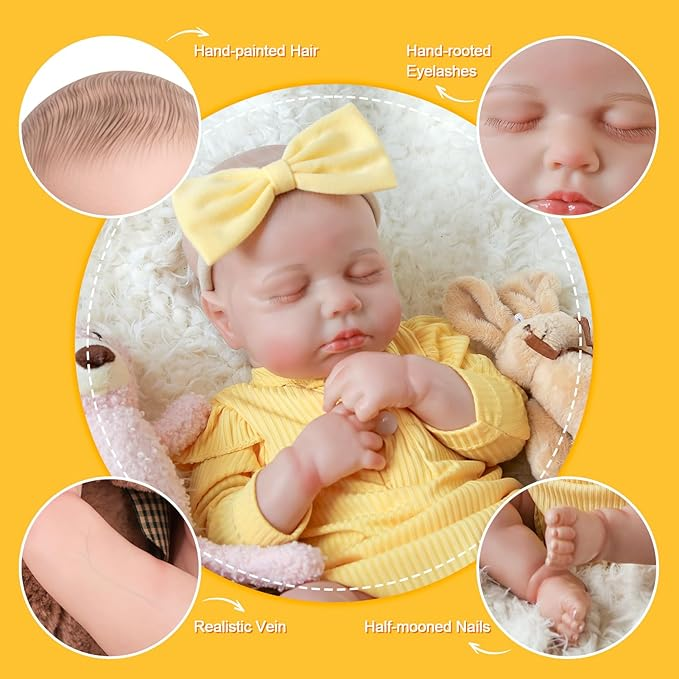
To stand out in the 2026 market, you must move beyond generic, mass-produced kits. True brand equity is built through exclusive branded sculpts that collectors cannot find anywhere else. By transitioning to a private label model, you control the artistic direction, from the initial clay sculpt to the final production mold. This ensures your custom reborn doll brand offers a unique aesthetic that justifies premium pricing.
Advanced Customization Techniques
Modern collectors demand hyper-realism. We focus on high-end detailing that mimics human biology:
- Multi-Layer Skin Tones: Utilizing 3D hand-painted effects to create realistic veining, mottling, and capillaries.
- Premium Hair Rooting: Offering hand-rooted mohair or high-quality synthetic fibers that can be styled and washed.
- Weighting and Feel: Using glass beads and poly-fill to achieve a “floppy” newborn feel that mimics a real baby’s weight distribution.
- Bespoke Accessories: Elevating the unboxing experience with custom doll clothes premium cotton sets designed specifically for your sculpt’s proportions.
Designing Retail-Ready Packaging and IP Protection
Your packaging is the first physical touchpoint for your customer. We help you design bespoke retail packaging, including magnetic-closure boxes, birth certificates, and branded hospital bands. This level of detail is essential for a professional private label reborn babies business.
Furthermore, protecting your intellectual property is a priority. When you develop a unique sculpt with us, we ensure IP protection for custom designs, preventing other sellers from replicating your signature look. This exclusivity is what allows you to dominate niches like the 18-inch solid silicone reborn market where collectors are willing to pay a premium for original, protected artwork.
Financial Planning and Supply Chain Logistics for Your Reborn Doll Brand
Success in the reborn doll industry depends on a lean financial strategy and a predictable supply chain. Managing cash flow is the first hurdle. Most professional manufacturers operate on a 30/70 payment structure: you pay a 30% deposit to kick off production and the remaining 70% once the goods pass inspection but before they ship. This protects your capital while ensuring the factory has the resources to source high-quality materials.
Mastering the 45-Day OEM Production Cycle
Timing is everything when scaling a brand. A standard 45-day OEM production cycle is the industry benchmark for quality. This timeframe accounts for:
- Mold Preparation: Ensuring the sculpt details are perfect.
- Material Sourcing: Securing medical-grade silicone or premium vinyl.
- Hand-Painting & Rooting: The most time-intensive phase for lifelike realism.
- Quality Control: Testing for safety and durability.
When planning your inventory, I recommend starting with high-demand items like an 18-inch platinum silicone reborn doll to establish your brand’s premium status before expanding into smaller scales.
Fulfillment Strategies: DTC vs. Amazon FBA
Deciding how to get products to your customers affects your margins and workload. In 2026, a hybrid approach is often the most effective.
| Strategy | Pros | Cons |
|---|---|---|
| Direct-to-Consumer (DTC) | Full control over branding; higher margins; direct customer data. | Higher shipping costs; you handle all storage and returns. |
| Amazon FBA | Prime shipping eligibility; massive built-in traffic; hands-off fulfillment. | High storage fees; less control over the unboxing experience. |
For a new brand, I suggest launching your core collection via a Shopify-based DTC store to build a loyal community, while using Amazon FBA for your top-selling “gateway” products to capture high-volume search traffic. This balances brand equity with rapid turnover.
Launching Your Reborn Doll Brand on Global Platforms
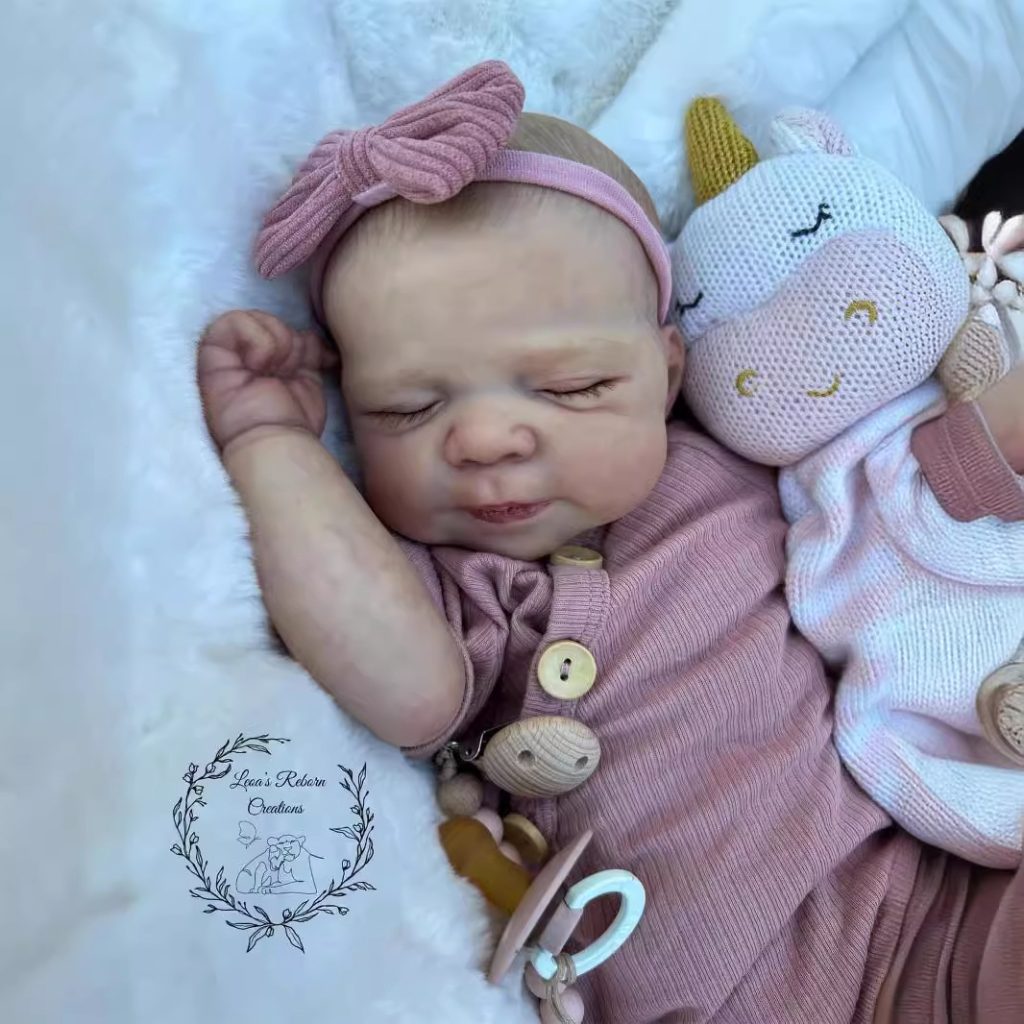
When you are ready to go live, your digital storefront serves as the face of your business. A high-conversion Shopify store is essential for establishing brand authority and owning your customer data. For a successful reborn doll business guide implementation, your site must feature high-resolution imagery, detailed product stories, and seamless mobile checkout. To increase your average order value, ensure you offer a variety of reborn doll accessories like magnetic pacifiers and custom outfits directly at the point of sale.
Optimizing for Amazon and Etsy
To scale quickly, you need to meet customers where they are already searching. Each platform requires a specific approach to e-commerce toy branding:
- Amazon FBA: Focus on high-volume keywords and professional photography. Utilizing an Amazon FBA doll supplier ensures your inventory is Prime-ready, which is critical for winning the Buy Box in the competitive US market.
- Etsy: This platform favors the “artist” aesthetic. Highlight the craftsmanship of your custom sculpts and use descriptive, long-tail tags to reach serious collectors.
- Quality Consistency: Whether on Amazon or Etsy, your reputation depends on the product. It is vital to choose high-quality silicone reborn dolls that match your listing descriptions to maintain high ratings and minimize returns.
Marketing with Short-Form Video
In 2026, static images are not enough. Short-form video content on TikTok, Instagram Reels, and YouTube Shorts is the most effective way to demonstrate the lifelike realism of your dolls.
Effective Content Strategies:
- Unboxing Experiences: Capture the “first look” to build emotional connections with potential buyers.
- ASMR and Realism Demos: Show the weight, flexibility, and skin texture of the dolls to prove quality.
- Behind-the-Scenes: Share clips of the rooting process or the assembly of your custom retail packaging to build brand transparency.
By syncing your social media feeds with your Shopify store, you create a frictionless path from discovery to purchase, ensuring your brand stays top-of-mind for collectors and gift-shoppers alike.
Frequently Asked Questions About Starting a Reborn Doll Business
How much does it cost to start a reborn doll brand?
Launching a private label reborn babies brand in 2026 requires a strategic initial investment. For a lean startup utilizing a low MOQ toy supplier, expect to budget between $3,000 and $8,000. This covers initial inventory, custom packaging, and basic e-commerce setup. If you plan to develop exclusive custom molds or launch with a large volume for Amazon FBA, your starting capital should be closer to $15,000 to $25,000 to account for tooling fees and bulk logistics.
What is the best material for high-end reborn dolls?
For the luxury collector market, platinum silicone is the gold standard because of its lifelike texture and durability. However, for a scalable business model, high-quality soft vinyl is often the better choice. It allows for intricate detailing and realistic weighted bodies at a price point that appeals to a broader audience. Many of the best silicone reborn dolls on the market today use advanced material blends to mimic the “squish” and skin-like feel of a real infant.
How do I find a reliable doll manufacturer?
The most effective way to secure high-quality inventory is to partner with a reborn doll supplier in China that specializes in OEM/ODM services. When vetting a factory, prioritize those that offer:
- Safety Certifications: Ensure they provide CPC, ASTM, and CE-compliant materials.
- Prototyping Capabilities: The ability to turn a 2D sketch into a 3D custom mold.
- Logistics Support: Experience with direct-to-consumer shipping or Amazon FBA prep.
- Quality Control: Strict standards for hand-painted details and hair rooting.
How long does the doll manufacturing process take?
A standard doll manufacturing process for an existing design typically takes 45 days from the time the deposit is paid to the completion of mass production. If you are creating a bespoke brand with custom sculpts, the timeline extends by an additional 20 to 30 days for the prototyping and mold-making phase. Always factor in an additional 30 days for sea freight or 7-10 days for air express to ensure your inventory arrives in time for your launch.