
Introduction
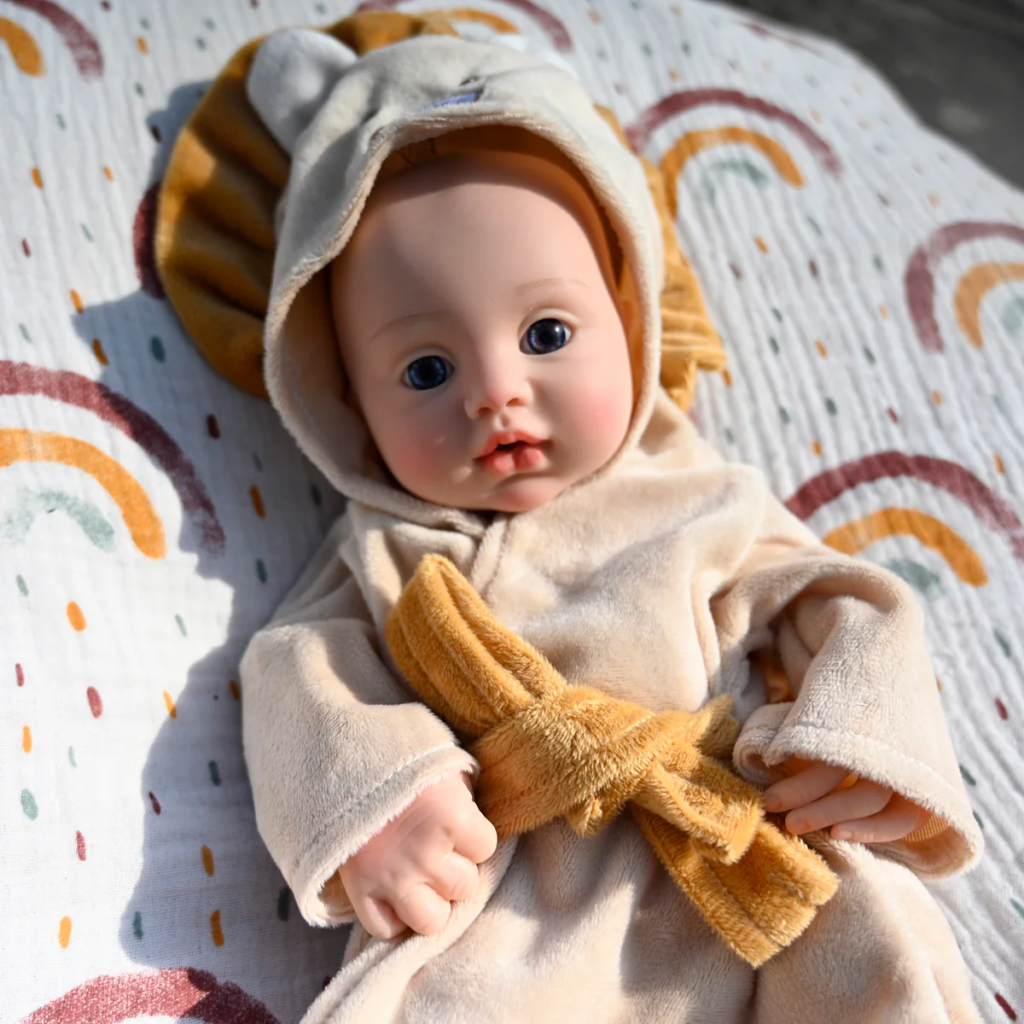
Dolls are often more than just toys—they can play a meaningful role in a child’ s emotional, social, and cognitive development. Realistic reborn dolls, crafted with soft vinyl or silicone, provide a lifelike experience that encourages nurturing, empathy, and imaginative play. With proper guidance, these dolls can become tools for learning, comfort, and creative expression.
Studies indicate that children who engage in imaginative play, including caring for dolls, often display stronger social understanding and emotional flexibility, though the causal link to cognitive development is debated (Lillard et al., 2013).
Emotional & Social Development
Teaching Empathy and Responsibility
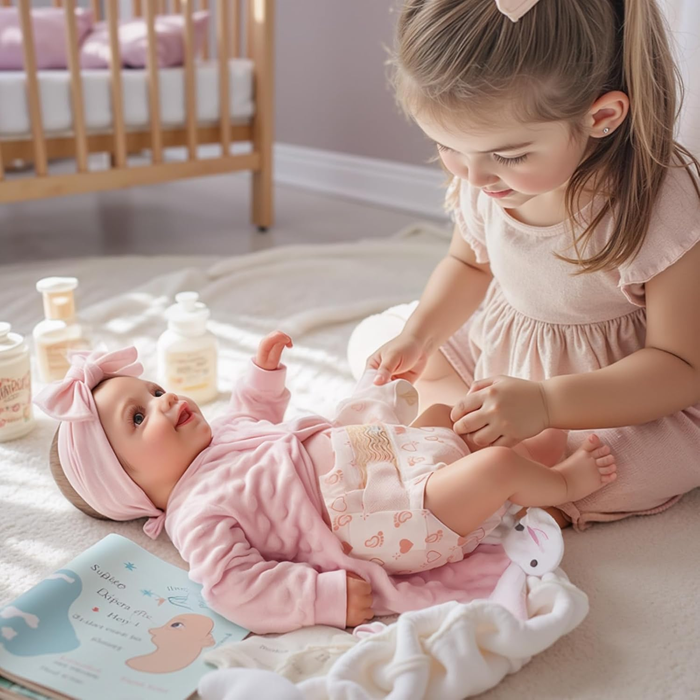
Caring for a doll gives children the chance to practice empathy and responsibility. Dressing, feeding, or rocking a doll teaches patience and consideration for others. Dolls with realistic weight and soft textures make the experience more tangible, encouraging gentle care and thoughtful interaction.
Safe Emotional Expression
Some children struggle to express feelings like sadness, anxiety, or confusion. A reborn doll can be a safe companion for projecting emotions. Role-playing scenarios help kids process their feelings naturally, providing comfort during challenging times.
Research shows that pretend play with dolls allows children to express complex emotions in a non-threatening way (Kasari, Chang, & Patterson, 2013). For example, a child anxious about starting school may first comfort their doll, practicing words and gestures, which can help them build confidence before real social interaction.
Social Play and Cooperation
Playing with dolls in groups promotes communication, sharing, and teamwork. Role-playing games—like family, school, or shop scenarios—teach children cooperation and social problem-solving while keeping the experience fun and engaging.
Cognitive and Motor Development
Boosting Creativity and Imagination
Doll play encourages storytelling and imaginative thinking. Children invent lives and adventures for their dolls, developing problem-solving and planning skills. Realistic features—movable limbs, soft skin, detailed faces—make stories feel authentic, enhancing the creative experience.
Even though pretend play may not directly cause cognitive gains, Lillard et al. (2013) emphasize that it is strongly linked to social and emotional development. Activities like creating doll stories, drawing scenes, or designing small adventures strengthen imagination, narrative thinking, and planning skills.
Fine Motor Skills Practice
Handling a reborn doll involves small, precise movements. Dressing, brushing hair, or managing accessories improves hand-eye coordination and fine motor skills. These skills support tasks like writing, tying shoes, and other everyday activities.
Special Uses: Therapy and Education
Therapeutic Support for Children
For children facing anxiety, trauma, or developmental challenges, dolls can provide emotional support. Gentle, lifelike reborn dolls help children feel secure and calm during therapy sessions. They can become trusted companions, helping kids navigate difficult feelings safely.
Therapists note that interacting with realistic dolls provides a non-verbal outlet for emotions and helps children develop coping skills (Kasari, Chang, & Patterson, 2013).
Educational Applications
Teachers can use dolls as hands-on teaching tools. Demonstrating daily routines, hygiene practices, or safety procedures becomes more engaging when children interact with realistic dolls. Dolls made from safe materials—like high-quality vinyl or silicone—ensure classroom activities remain secure and practical.
Choosing the Right Doll for Children
When picking a doll, consider:
Material: Silicone dolls feel soft and lifelike, ideal for emotional support, while vinyl dolls are durable and beginner-friendly.
Size & Weight: “Newborn” weight helps kids practice realistic handling, but lighter options may suit younger children.
Purpose: Decide whether the doll is for therapy, imaginative play, or education.
Safety: Always choose dolls made with certified, safe materials.

Practical Tips for Parents and Educators
Supervised Play: Especially for younger children, guidance ensures safe and meaningful interaction.
Teach Gentle Care: Explain that dolls are delicate and deserve careful handling.
Keep It Clean: Wash removable clothes and wipe down dolls regularly.
Structured Play: Integrate doll care into daily routines to reinforce empathy and responsibility.
Conclusion
Realistic reborn dolls are more than toys—they nurture empathy, social skills, and creativity while offering emotional comfort. With proper supervision, gentle handling, and thoughtful use, dolls can become meaningful companions that support children’ s development. Choosing the right doll, understanding its purpose, and fostering positive interaction can make a lasting impact.
Observing children’ s interactions with dolls also gives caregivers valuable insights into their emotional and social growth (Lillard et al., 2013).
References
Lillard, A. S., Lerner, M. D., Hopkins, E. J., Dore, R. A., Smith, E. D., & Palmquist, C. M. (2013). The impact of pretend play on children’s development: A review of the evidence. Psychological Bulletin, 139(1), 1–34.
Kasari, C., Chang, Y.-C., & Patterson, S. (2013). Pretending to Play or Playing to Pretend: The Case of Autism. American Journal of Play, 6(1), 124–135. PMC Code: PMC4662258.
