
A Behind-the-Scenes Look at Professional Reborn Doll Manufacturing
As global demand for high-realism reborn dolls continues to grow, more brands, studios, and therapy suppliers are turning to China for OEM and ODM production. But how are professional reborn dolls actually made inside a factory—not by individual artists, but at a scalable, commercial level?
This article takes you behind the scenes of a real OEM/ODM reborn doll manufacturing process. From sculpt development and silicone formulation to quality control and private-label packaging, we explain how reliable factories transform ideas into consistent, market-ready reborn dolls.
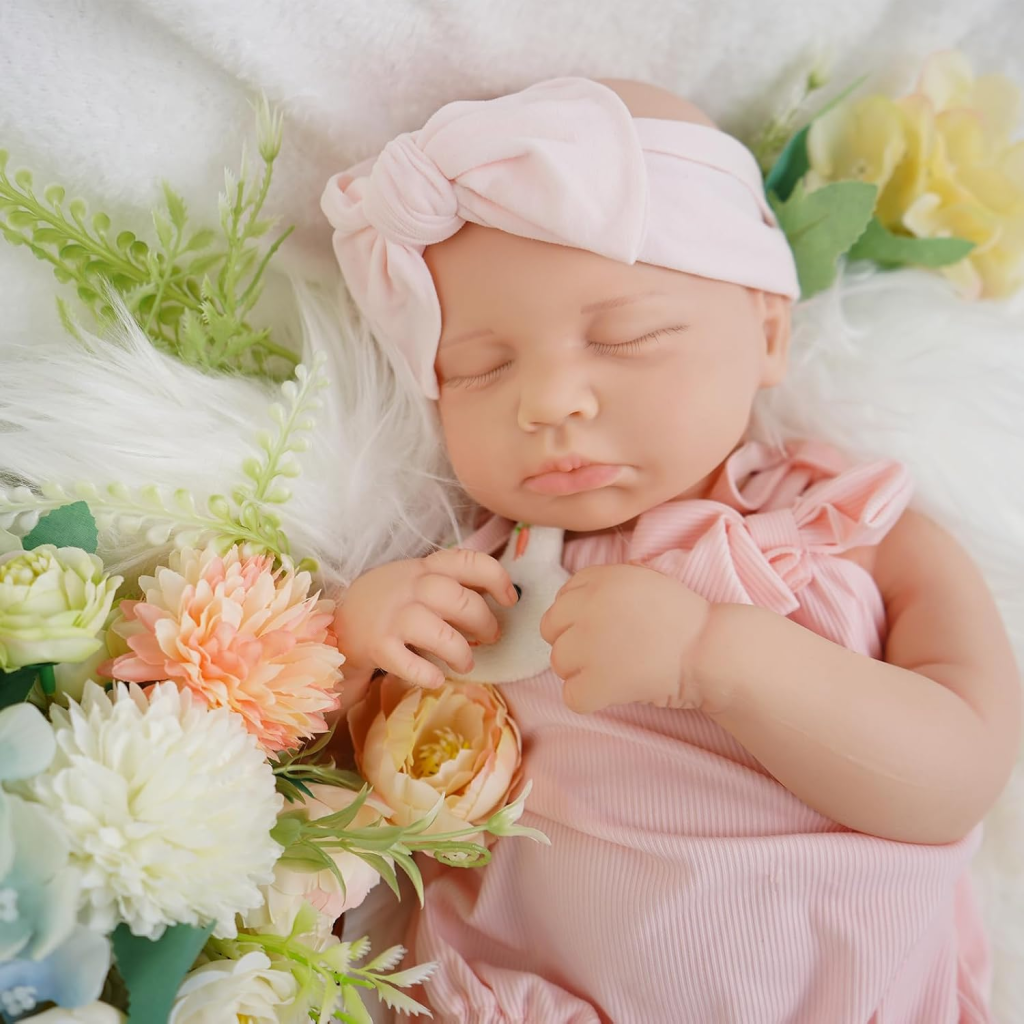
Step 1: Product Planning & OEM/ODM Definition
Every OEM or ODM reborn doll project starts with clarification.
Factories first work with buyers to define:
- Target market (collectors, therapy, retail, institutions)
- Material choice (platinum silicone, vinyl, mixed body)
- Body type (full body silicone, partial silicone, cloth body)
- Function level (standard realism vs therapy features)
- Budget range and target MOQ
For ODM projects, factories may propose existing base models with optional upgrades. For OEM projects, buyers provide detailed specifications or reference samples, and the factory develops the product accordingly.
At this stage, professional manufacturers like Sueban Group also evaluate long-term scalability—ensuring the design can be reproduced consistently across batches, not just as a one-off prototype.
Step 2: Sculpting & Master Model Development
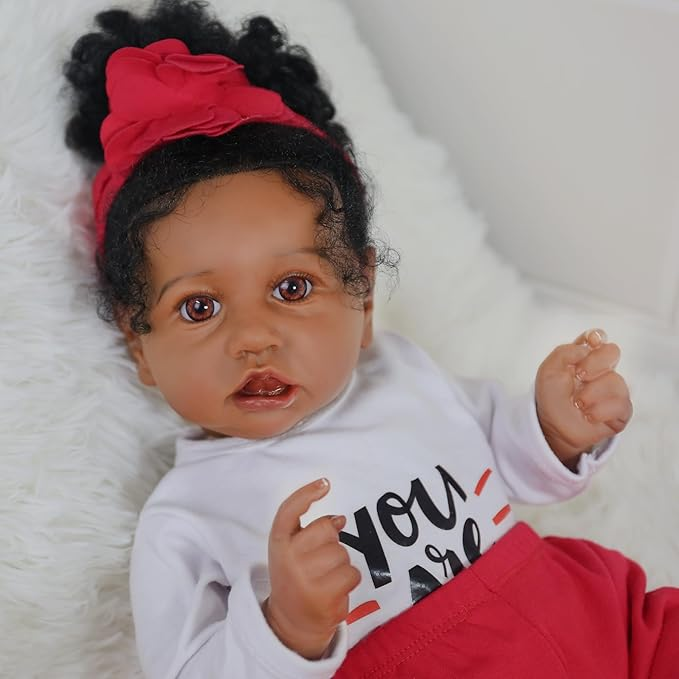
The realism of a reborn doll begins with the sculpt.
In OEM/ODM factories, sculpting is handled by experienced model artists who specialize in infant anatomy. Depending on the project, the sculpt may be:
- Fully custom (private mold ownership)
- Semi-custom (modification of an existing sculpt)
- Licensed from an approved sculptor
Key focus areas include:
- Facial symmetry and micro-expressions
- Nose depth and nostril openness
- Lip softness and natural separation
- Finger curl, toe flex, and joint balance
Once approved, the master sculpt is finalized and prepared for mold creation. This master determines the final realism level of every doll produced.
Step 3: Mold Engineering & Tooling
Mold quality is one of the most critical yet least visible factors in reborn doll manufacturing.
Professional factories use:
- High-precision silicone molds for platinum silicone dolls
- Multi-part molds to preserve fine facial details
- Controlled mold tolerances to avoid distortion
For OEM buyers, factories often provide:
- Exclusive mold ownership
- Secure mold storage
- Written IP and non-duplication agreements
This ensures that custom designs are not reused or resold to other clients—a key concern for serious B2B buyers.
Step 4: Platinum Silicone & Vinyl Material Preparation
Material formulation directly affects realism, durability, and safety.
For high-end OEM orders, factories use platinum-cured silicone, selected for:
- Skin-like softness and elasticity
- Non-toxic, medical-grade safety
- Resistance to yellowing and cracking
Silicone hardness (Shore rating) is adjusted based on:
- Newborn vs older baby realism
- Therapy vs collector use
- Required flexibility for limbs and torso
Vinyl dolls follow a different preparation process, focusing on thickness control and surface smoothness. Professional factories maintain separate production lines to avoid cross-contamination between materials.
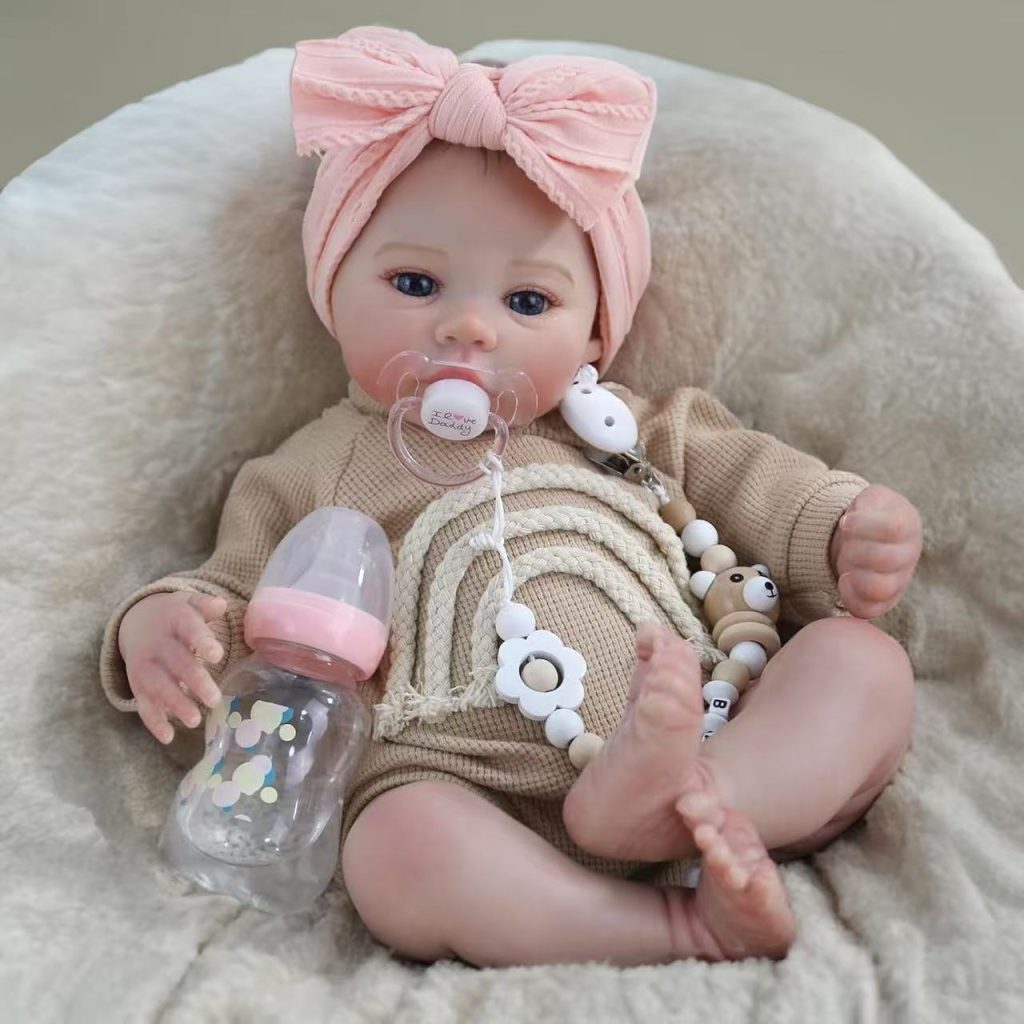
Step 5: Pouring, Curing & Demolding
Once materials are prepared, the doll enters the casting phase.
Silicone is:
- Precisely weighed and mixed
- Degassed to remove air bubbles
- Slowly poured into molds to preserve detail
Curing takes place under controlled temperature and humidity conditions. After curing, technicians carefully demold each part, inspecting for:
- Surface defects
- Thin spots
- Air pockets or distortion
Only qualified parts move forward to finishing.
Step 6: Trimming, Assembly & Structural Balancing
Excess material is trimmed by hand to ensure smooth seams and natural transitions.
For full-body silicone dolls, factories pay special attention to:
- Weight distribution
- Joint mobility
- Head-to-body balance
Internal structures may be added to enhance stability, especially for dolls designed for therapy or institutional use. This stage ensures the doll feels realistic when held—not just when viewed.
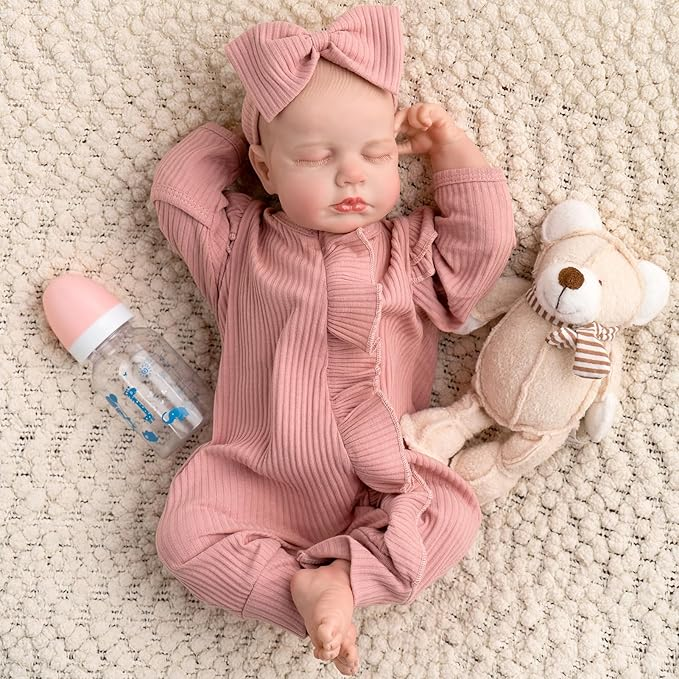
Step 7: Hand Painting & Skin Detailing
Painting is where realism truly comes to life.
Factory artists apply multiple translucent layers to create:
- Natural skin tones
- Subtle mottling and blushing
- Veins, capillaries, and depth
Unlike mass-market dolls, OEM/ODM reborn dolls are painted entirely by hand. Each batch follows a strict color reference system to maintain consistency across large orders—something individual artists cannot always guarantee.
Step 8: Hair Rooting, Eyes & Finishing Details
Depending on the specification, dolls may receive:
- Hand-rooted mohair or human hair
- High-clarity acrylic or glass eyes
- Glossed lips and nails
- Realistic eyelashes and eyebrows
Factories assign skilled technicians to these steps, as mistakes here can significantly reduce perceived value.
Step 9: Quality Control & Batch Inspection
Professional OEM factories implement multi-stage QC, including:
- Visual inspection
- Weight and balance checks
- Surface integrity testing
- Packaging stress tests
Many factories, including Sueban Group, provide:
- Batch photos or videos
- Defect rate tracking
- Replacement or rework guarantees
This level of control is one of the biggest advantages of working directly with a manufacturer instead of resellers.
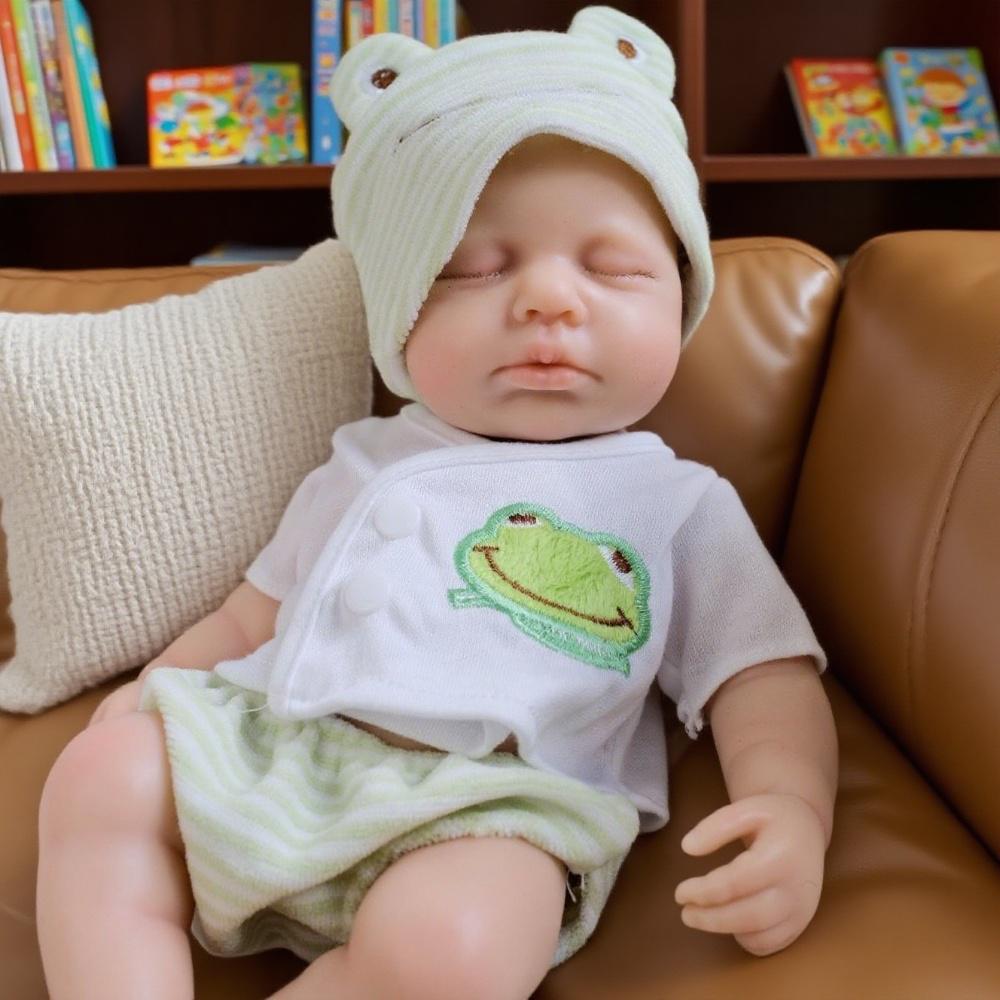
Step 10: Branding, Packaging & Global Shipping
Final steps include:
- Private-label packaging
- Certificates of authenticity (if required)
- Custom accessories
- Export-ready cartons
Factories handle compliance requirements for major markets, ensuring smooth international shipping.
Why OEM/ODM Manufacturing Matters for Brands
Understanding how reborn dolls are made helps buyers:
- Evaluate supplier credibility
- Control quality and consistency
- Protect intellectual property
- Scale confidently
For B2B buyers planning long-term growth, working with a real factory—not a reseller—is the foundation of success.
Final Thoughts
China’s OEM/ODM reborn doll manufacturing is no longer about low cost—it’s about precision, realism, and scalability. When done right, it allows brands to deliver emotionally powerful products with consistent quality and protected designs.
Choosing the right manufacturing partner means choosing transparency, craftsmanship, and long-term reliability.
