
As the reborn doll market becomes more professional and segmented, B2B buyers are no longer asking only “Which doll looks more realistic?” Instead, the real question is: Which structure fits my business model, target customers, and long-term growth strategy? For manufacturers, brand owners, distributors, and institutional buyers, choosing between full-body silicone reborn dolls and partial silicone (silicone head + vinyl limbs or cloth body) is a strategic decision—not just a design preference.
This guide breaks down the difference from a factory and business perspective, covering cost, demand, buyer profiles, scalability, and why more premium brands are shifting toward full-body silicone.
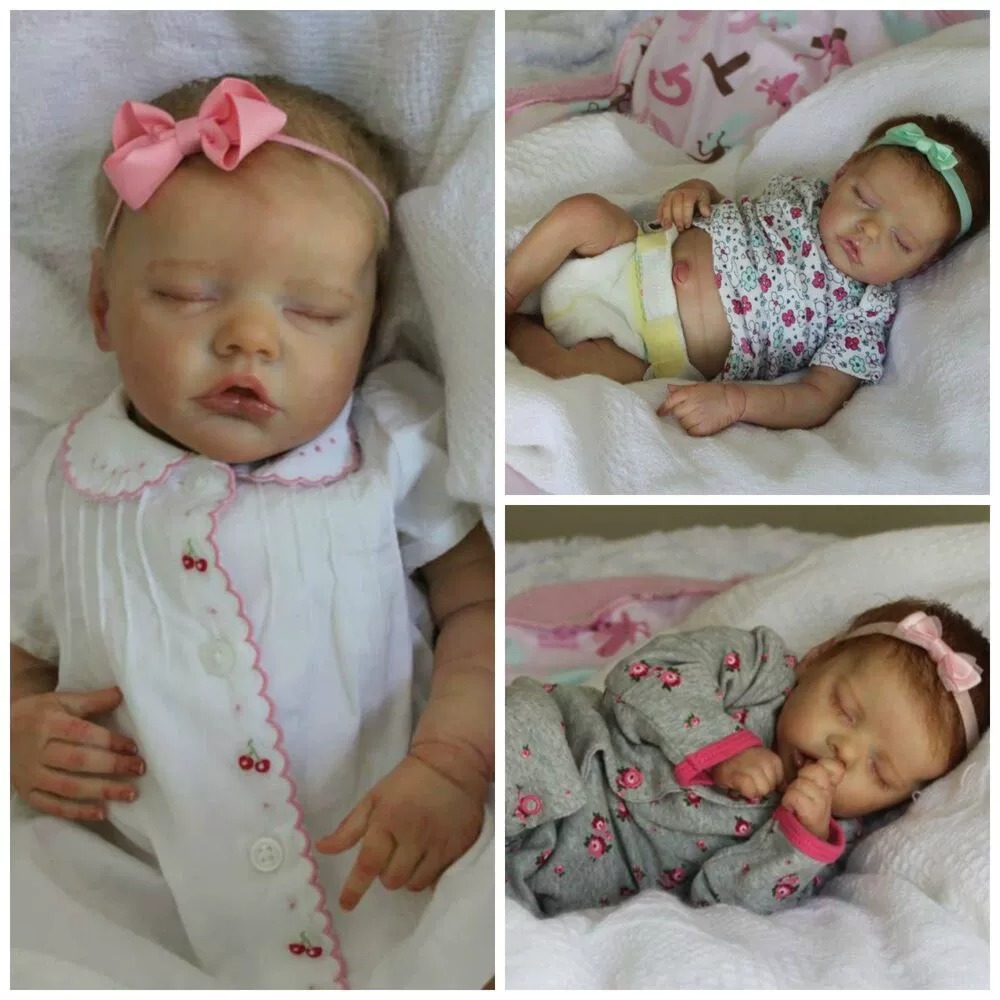
1. Structural Difference: What Does “Full Body” vs “Partial Silicone” Really Mean?
Full-Body Silicone Reborn Dolls
- Entire body made from platinum-cure silicone
- Seamless skin texture from head to toe
- Highly flexible, weighted, and lifelike
- Can support advanced features (open eyes, micro-expressions, soft tissue)
Partial Silicone Reborn Dolls
- Silicone head + vinyl limbs + cloth body (or vinyl body)
- Lower material cost
- Easier mass production
- More suitable for entry-level or gift markets
From a factory perspective, these two structures require very different production lines, mold investments, and quality control systems.
2. Manufacturing Cost Comparison: Where the Real Difference Comes From
Partial Silicone: Lower Entry Cost
Partial silicone dolls:
- Use less silicone
- Require fewer molds
- Have shorter production cycles
This structure works well for:
- Budget-focused distributors
- Promotional or seasonal sales
- Fast inventory turnover models
However, price competition is intense, and profit margins shrink quickly as the market becomes saturated.
Full-Body Silicone: Higher Cost, Higher Control
Full-body silicone dolls require:
- Larger and more precise molds
- Higher silicone consumption
- Skilled hand-finishing labor
- Longer curing and inspection cycles
But they also allow:
- Premium pricing
- Stronger brand differentiation
- Custom feature upgrades without redesigning the entire product
From a long-term view, full-body silicone supports higher lifetime value per client, especially for B2B brands.
3. Market Demand Trends: What Buyers Are Actually Ordering
Partial Silicone Demand Is Stable—but Flat
Partial silicone remains popular in:
- Entry-level online retail
- Gift-focused sales
- Short-term trend products
However, demand growth has slowed due to:
- High product similarity
- Price-driven competition
- Limited customization potential
Full-Body Silicone Demand Is Growing Fast
Full-body silicone orders are increasing rapidly in:
- Premium reborn brands
- Therapy and care institutions
- Film, photography, and display industries
- Long-term brand builders
Buyers are willing to pay more for:
- Realistic skin continuity
- Emotional realism
- Custom facial features
- Structural durability
From factory order data, repeat buyers overwhelmingly shift toward full-body silicone after their first premium launch.
4. Buyer Profiles: Matching Product Structure to Customer Type
Partial Silicone Fits These Buyers:
- Dropshippers and mass retailers
- Price-sensitive markets
- New sellers testing demand
- Short product life-cycle businesses
Full-Body Silicone Fits These Buyers:
- Independent reborn doll brands
- Therapy and elderly care institutions
- Collectors and professional artists
- OEM/ODM clients building long-term catalogs
If your customer values brand identity, exclusivity, and emotional realism, partial silicone often becomes a limitation.

5. Customization Capability: Where Full-Body Silicone Wins
From an OEM/ODM standpoint, customization is where business value is created.
Partial Silicone Limitations:
- Limited structural changes
- Fewer material variations
- Less flexibility for advanced features
Full-Body Silicone Advantages:
- Custom skin softness (Shore 00-10 to 00-30)
- Integrated soft-tissue areas
- Weighted realism adjustments
- Micro-expression facial sculpting
- Open-eye or functional design compatibility
For brands, this means:
- More SKUs without new molds
- Stronger storytelling
- Protected design identity
Factories can support incremental upgrades on full-body silicone models—something partial silicone structures cannot easily offer.
6. Scalability & Brand Growth: Thinking Beyond the First Order
Many buyers start with partial silicone because of cost.
But scaling a brand requires more than affordability.
Challenges with Scaling Partial Silicone:
- Price wars reduce margins
- Hard to protect designs
- Low perceived uniqueness
- Weak customer loyalty
Full-Body Silicone Supports Long-Term Growth:
- Easier to build premium product lines
- Stronger resale and collector value
- Better institutional contracts
- Clear quality hierarchy within a brand
Factories also prioritize long-term OEM/ODM clients who invest in full-body molds, offering better development support and production stability.

7. Why More Brands Are Choosing Full-Body Silicone in 2025–2026
The shift toward full-body silicone is driven by:
- Higher consumer education
- Growth of therapy and care applications
- Demand for emotional realism
- Social media exposure of premium dolls
- Increased acceptance of higher price points
Brands that want to move away from commodity competition are using full-body silicone as a positioning tool, not just a material choice.
8. Factory Insight: How to Choose the Right Structure for Your Business
Ask yourself:
- Are you competing on price or value?
- Do you need customization and IP protection?
- Are you building a brand or moving inventory?
- Do you plan to scale SKUs over time?
A professional factory will not push one structure blindly, but help align:
- Target market
- Budget range
- Customization depth
- Production scalability
This alignment is what separates manufacturers from resellers.
Conclusion: Structure Determines Strategy
Partial silicone reborn dolls serve short-term, price-driven business models.
Full-body silicone reborn dolls support long-term, brand-focused, premium strategies.
As the market matures, buyers who want stability, differentiation, and scalability are increasingly choosing full-body silicone—and partnering directly with factories that can support that growth.
For serious B2B buyers, the structure you choose today shapes the business you build tomorrow.
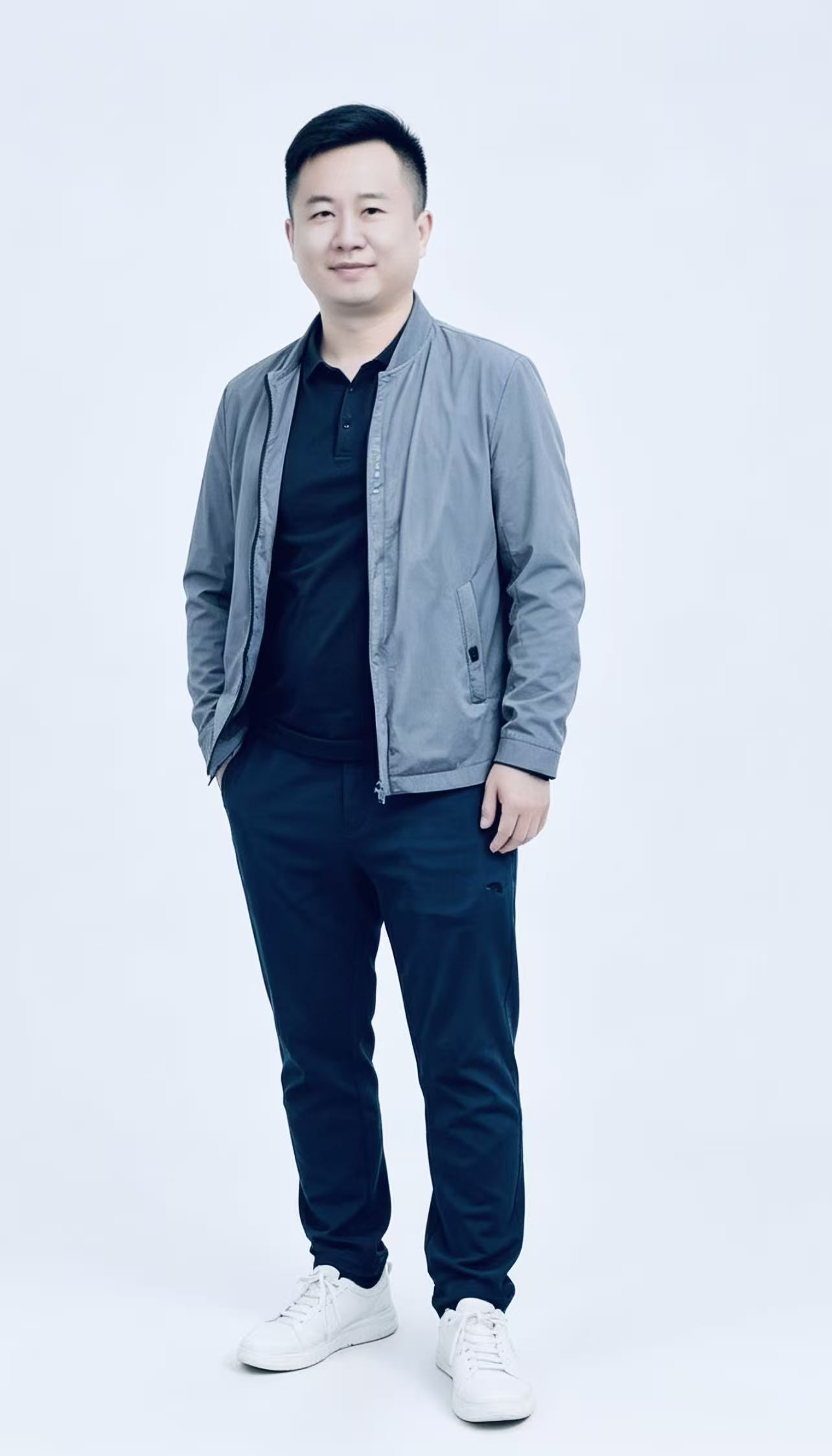
Owen est le fondateur de deuxième génération du Sueban Group, un fabricant de poupées reborn basé dans le Guangdong, en Chine. Fort de plus de 20 ans d'héritage familial dans la fabrication, Owen dirige les opérations B2B de l'entreprise, servant des grossistes, des marques et des acheteurs institutionnels dans plus de 20 pays.
Rencontrez Owen
 English
  Deutsch
  Français
  Español
  Italiano
  Nederlands