
If you want to sell hyperrealistic newborn dolls under your own brand, the fastest route is private label: a factory produces the doll, and you own the name, packaging, and positioning. You skip mold development, control your margins, and launch in weeks instead of months. This guide walks through supplier selection, cost math, compliance, and scaling — the parts that actually decide whether your line makes money.
It’s written for brand owners, wholesalers, and distributors who need to source and resell, not for hobbyists making one doll at a time. Expect concrete numbers, sourcing workflows, and the mistakes that quietly kill margins.
What Are Private Label Reborn Dolls? (And Why the Model Works)
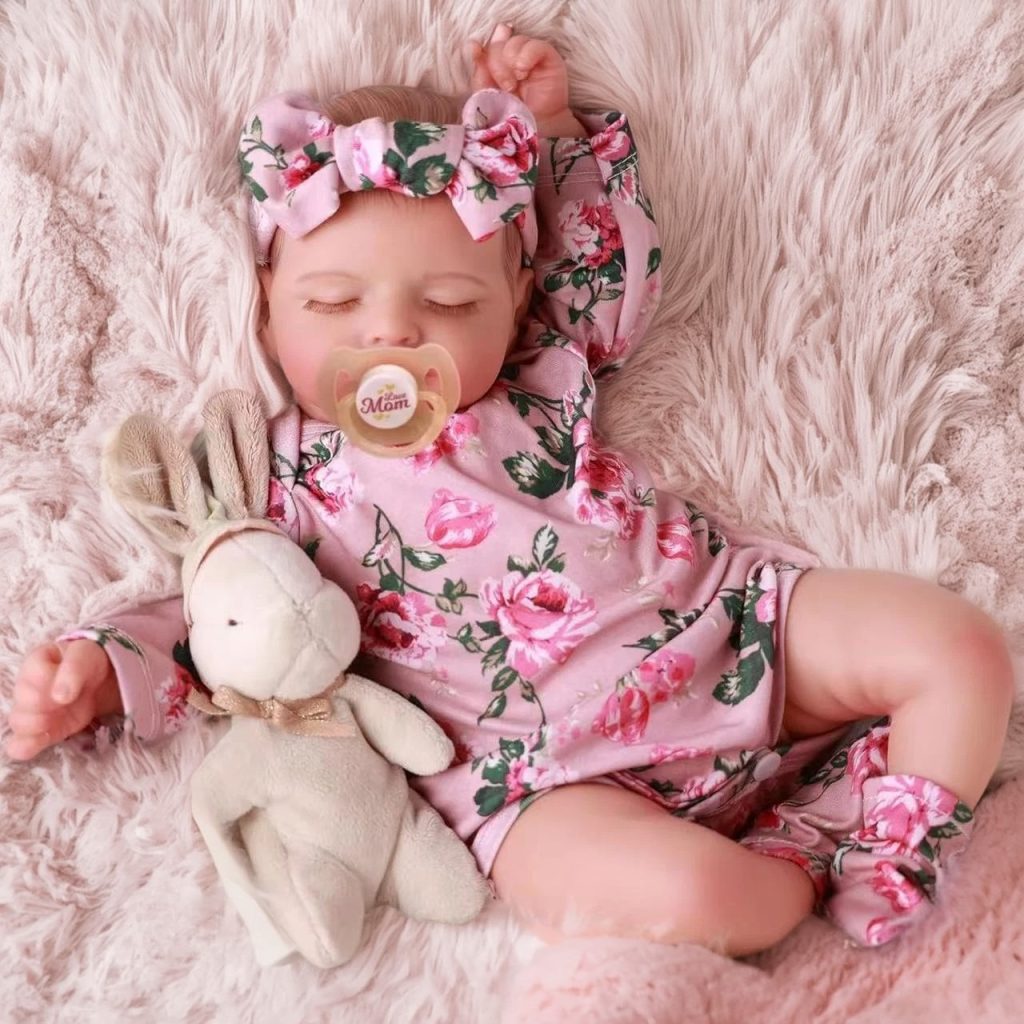
Private label reborn dolls are factory-produced hyperrealistic baby dolls that you sell under your own brand. The manufacturer handles sculpting, painting, rooting, and assembly using an existing sculpt; you supply the branding, packaging, and retail story. It’s the lowest-friction way to build a recognizable line.
The terms overlap but mean different things. White label is a generic product multiple sellers can rebrand. Private label usually means a sculpt or configuration you’ve claimed for your brand, often with some exclusivity. OEM means the factory manufactures to your original design — your custom sculpt, your tooling — which gives full control but demands higher volume and cost.
Private Label vs. OEM vs. Dropshipping — Quick Comparison
Model | Design Control | Typical MOQ | Unit Cost Band | Lead Time | Gross Margin Potential |
Private Label (existing sculpt) | Branding & packaging | 20–100 units | $45–$120 | 25–45 days | 55–70% |
Full OEM (custom sculpt) | Voll | 300–500 units | $60–$180 | 60–120 days | 60–75% |
Dropshipping | Minimal | 1 unit | $70–$150 | 15–30 days | 20–35% |
Most first-time brands start with private label on a proven sculpt, then graduate to OEM once a bestseller earns its own mold. Dropshipping works for testing demand but crushes margins and gives you no control over quality consistency — a serious risk in a product judged entirely on realism.
Why Demand Is Holding Steady
Three buyer segments keep this niche resilient. Collectors drive the premium end and pay for artist-grade detail. The therapy and companionship segment — dementia care facilities, grief support, and anxiety-related use — has grown notably, with care homes buying weighted dolls as a calming tool. Gifting rounds out the volume market around holidays and baby-loss remembrance.
The global reborn and collector-doll niche sits in the low hundreds of millions of USD annually, and practitioners in the segment generally report high-single-digit growth. It’s small enough that big toy conglomerates ignore it, which is exactly why focused private label brands can win.
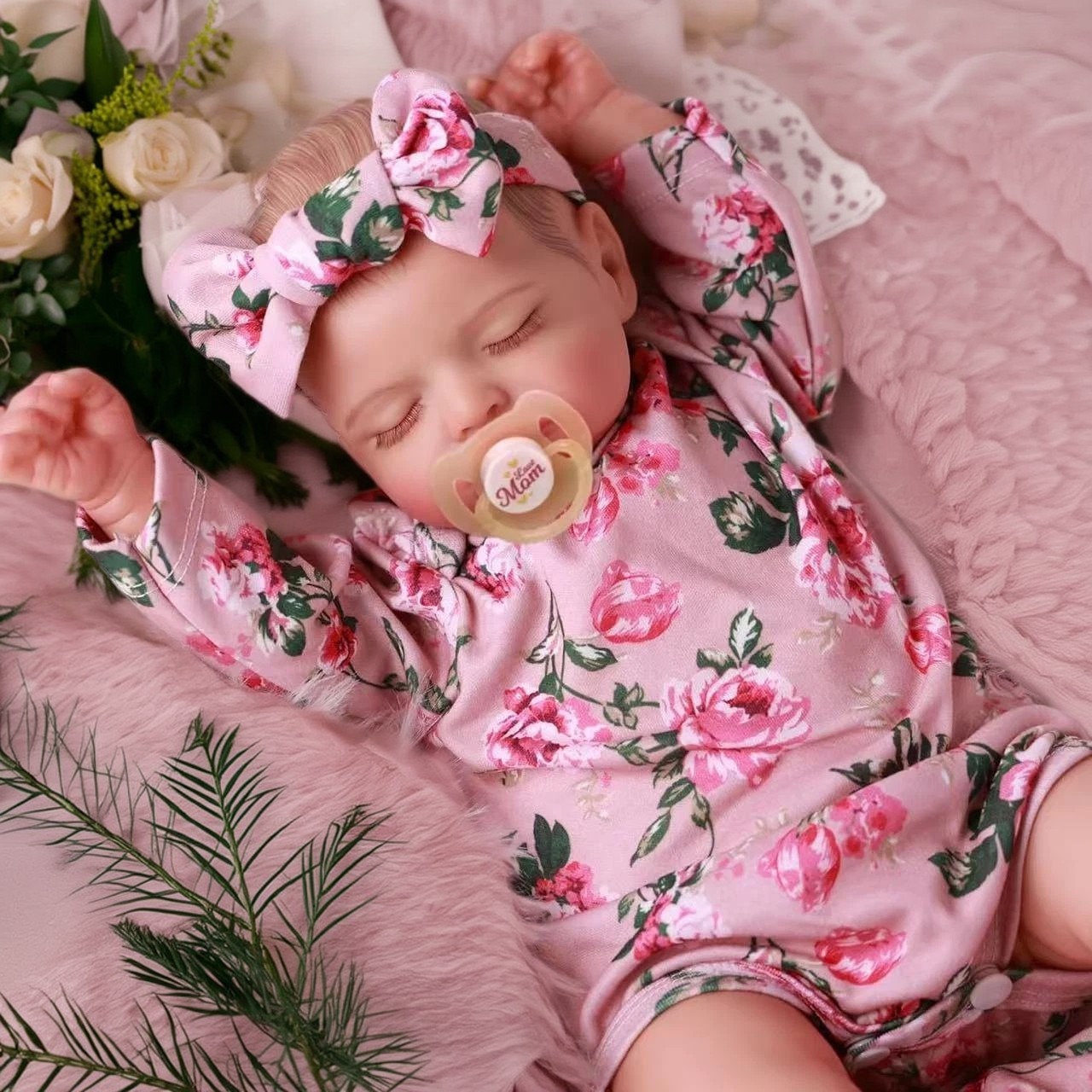
The Reborn Doll Product Landscape: What You’re Actually Selling
You can’t source intelligently without understanding the craft. The difference between a $60 doll and a $500 doll is largely material choice and hand-finishing.
Core Build Types and Materials
- Full-body silicone— poseable, bathable, heavy, and expensive. The premium collector format.
- Vinyl limbs with a soft cloth body— the volume standard. Lighter, cheaper, and easier to weight.
- Platinum-cure vs. tin-cure silicone— platinum-cure is more stable, food-grade-adjacent, and resists yellowing and tackiness; tin-cure is cheaper but degrades faster. For anything marketed near children or care settings, insist on platinum-cure.
- Weighting media— glass beads and poly-pellet fill give the newborn heft buyers expect (a realistic doll weighs 4–7 lbs).
- Hair— rooted mohair is the gold standard; rooted synthetic is mid-tier; painted hair suits newborns and cuts cost.
Realism Tiers and Price Positioning
Entry Tier
Painted hair, machine-assisted painting, vinyl limbs. Landed cost near $65, retails $130–$160. Sells to gift buyers and first-time owners.
Mid Tier
Rooted hair, hand-detailed painting, magnetic pacifier. Landed cost around $117, retails $220–$300. The sweet spot for most DTC brands.
Premium / Artist-Grade
Full-body platinum silicone, multi-layer genesis heat-set paint, hand-rooted mohair, heartbeat or breathing mechanism. Landed cost $200+, retails $450–$700+. Sold to serious collectors.
Feature Checklist That Justifies Premium Pricing
- Hand-rooted mohair, including brows and lashes
- Hand-painted capillary veining and layered skin tones
- Magnetic pacifier and accessories
- Heartbeat / breathing mechanism
- Certificate of Authenticity (COA) with edition numbering
How to Choose a Private Label Reborn Dolls Manufacturer
This is where the business is won or lost. The right private label reborn dolls manufacturer gives you consistent skin tones batch to batch; the wrong one ships a first order that looks nothing like your sample.
Where Reborn Doll Factories Cluster
The bulk of production concentrates in China — Guangdong province (Guangzhou and Dongguan especially) for vinyl and mixed-media dolls, and Zhejiang for related soft-goods and packaging. This is where you’ll find the scale, tooling, and price bands that make wholesale viable. For premium artist-grade lines, boutique studios in the US, UK, and EU produce lower volumes at higher cost with stronger provenance appeal.
A practical split: source your volume SKUs from a vetted Guangdong factory, and reserve a domestic studio partnership for a small halo collection if your positioning is collector-premium.
Vetting Criteria Checklist
- Verified supplier status or a recent third-party factory audit
- Sample quality consistency across a multi-unit batch, not just one hero sample
- Documented silicone/vinyl grade (ask specifically for platinum-cure confirmation)
- Clear IP handling and mold ownership terms
- Responsive, English-capable communication — slow replies now predict production headaches later
Questions to Ask Before You Sign
- What’s your real MOQ, and will you accept a mixed-SKU first order?
- What’s the defect and replacement policy, and who pays return freight?
- Are tooling or setup costs charged, and are they refundable against volume?
- Can I get exclusivity on a sculpt or paint scheme?
- What’s your restock lead time once a SKU proves out?
Sample-First Sourcing Workflow
- Request 3–5 samples across the tiers you’re considering.
- Stress-test durability — flex limbs, check rooting retention, inspect seams.
- Verify color match under natural and store lighting; photograph for a reference standard.
- Confirm the factory can produce your branded packaging, not just the doll.
- Place a small pilot order, inspect the full batch, then scale.
Never skip the batch inspection step. A perfect single sample tells you the factory can hit quality; a consistent batch tells you they will.
Building Your Private Label: Branding, Packaging & Positioning
A branded box turns a commodity doll into a product buyers remember and reorder. Most factories that handle custom reborn baby dolls wholesale can produce the packaging alongside the doll.
Branding Elements the Factory Can Handle
- Custom hang tags and branded gift boxes with ribbon
- “Birth certificates” and care cards personalized to your brand voice
- Numbered COAs for limited runs
- QR-linked authenticity pages that also capture the customer for remarketing
Choosing Your Market Position
Pick one lane and price to it. The collector premium position leans on edition numbering, artist detail, and provenance — higher price, lower volume. The therapeutic / care-facility position emphasizes weight, washability, and durability, often sold B2B in small bulk. The gift and e-commerce mass position competes on photography and price at the entry-to-mid tier. Trying to serve all three with one catalog dilutes your brand and your margins.
The Money Math: Costs, MOQs, and Margins
Model the full landed cost before you commit. The number that kills new brands isn’t factory price — it’s the freight, duty, and platform fees they forgot to add.
Realistic Cost Breakdown Per Unit
Cost Component | Entry Tier | Mid Tier | Premium Tier |
Factory unit cost | $45 | $85 | $150 |
Branded packaging | $4 | $7 | $12 |
Freight + duty (per unit) | $8 | $10 | $14 |
Platform/payment fees (~12%) | $8 | $15 | $28 |
Landed cost | ~$65 | ~$117 | ~$204 |
Typical retail price | $130–$160 | $220–$300 | $450–$700 |
These platform fees assume selling through a marketplace. Direct-to-consumer on your own Shopify store trades that fee for ad spend, so amortize marketing into your model at a similar or higher rate until your organic traffic builds.
Understanding MOQ Leverage
MOQ is negotiable more often than suppliers admit. Ask to combine SKUs to hit a total-unit threshold rather than per-style minimums. Offer a phased commitment — a smaller first order with a written intent to reorder at volume. Factories value predictable repeat business and will frequently flex the opening MOQ to secure it.
Wholesale & Bulk Buying Economics
For anyone planning to buy reborn dolls in bulk, the economics shift with shipping mode. Less-than-container-load (LCL) freight suits early orders under a few hundred units; a full container (FCL) sharply cuts per-unit freight once you’re moving volume. Watch cash flow — you typically pay a 30% deposit up front and the balance before shipping, meaning capital is tied up for weeks before a single doll sells. Volume price breaks usually kick in around the 200-, 500-, and 1,000-unit marks.
Compliance, Safety & Legal Essentials
This section protects your business from seizures, recalls, and lawsuits. Do not treat it as optional.
Toy Safety Standards That Apply
- CPSIA(US) — sets lead and phthalate limits and requires tracking labels on children’s products.
- ASTM F963(US) — the mandatory toy safety standard covering mechanical, flammability, and chemical hazards.
- EN 71(EU) — parts 1 (mechanical/physical), 2 (flammability), and 3 (migration of elements) apply to toys.
The pivotal question is whether you market the doll as a children’s toy or an adult collectible. A product intended for children under 12 triggers full toy-safety testing and certification. A genuine collectible marketed to adults falls outside that scope — but you cannot dodge testing by labeling a toy “collectible” while marketing it to kids. Regulators look at intended use and marketing, not just the label.
Documentation to Require From Suppliers
- Third-party test reports against the relevant standard (ASTM F963, EN 71)
- Material safety documentation confirming silicone/vinyl grade and phthalate compliance
- A Children’s Product Certificate (CPC) where the product is a children’s product sold into the US
Import & Customs Basics
Dolls representing human beings classify under HS heading 9503. US duty on dolls is often low or duty-free, but rates and any additional tariffs change, so confirm the current line with your customs broker before you commit landed-cost figures. Country-of-origin marking is mandatory — every unit or its packaging must show where it was made.
Common Mistakes to Avoid
- Ordering a full batch before stress-testing samples — the single most expensive error.
- Ignoring skin-tone consistency across a production run; buyers notice mismatched batches instantly.
- Underestimating freight and duty, then discovering your “60% margin” is really 35%.
- Leaving IP and mold ownership vague, letting a factory resell your custom sculpt to competitors.
- Marketing a collectible as a children’s toy — or vice versa — and inviting regulatory trouble.
- Choosing the cheapest factory over the most consistent one. Consistency compounds; a few dollars saved per unit never does.
Scaling a Private Label Reborn Doll Business
From First Order to Repeatable SKU Line
Once a pilot sells through, establish a reorder rhythm tied to your inventory turns — aim to reorder before you hit roughly six weeks of stock, given 25–45 day lead times. Expand SKUs by variation on proven winners (new skin tones, hair colors, outfits) before chasing entirely new sculpts. A working relationship with a reliable private label Wiedergeborene Puppen supplier makes restocking predictable.
Sales Channels That Convert
Etsy and eBay reach collectors actively searching. Shopify DTC gives you margin control and customer data. Amazon Handmade can work but has caveats around handmade verification and category fit. For the therapeutic segment, wholesale directly to care facilities and gift retailers — smaller orders, but sticky repeat buyers.
Marketing the Realism (Ethically)
Sell the craft with high-resolution close-ups of veining, rooting, and weighting, plus short video that shows the doll being held. User-generated content from real buyers converts strongly in this niche. One firm line: do not claim medical or therapeutic outcomes you can’t substantiate. Describe the doll as a companion or comfort item, not a treatment.
Häufig gestellte Fragen
What’s the minimum order for private label reborn dolls?
For an existing sculpt with your branding, expect a MOQ of roughly 20–100 units. A full custom OEM sculpt that requires new tooling typically starts at 300–500 units. Many factories will flex the opening minimum if you commit to reorders or combine multiple SKUs into one order.
How much does it cost to start a private label reborn doll line?
A realistic launch budget runs about $3,000–$8,000: $300–$600 for samples, $2,000–$5,000 for a modest first order, $500–$1,500 for branded packaging and design, plus compliance testing if you’re selling as a children’s product. Premium or custom-mold launches run considerably higher.
Can I put my own brand on factory-made reborn dolls?
Yes. That’s exactly what private label means — the factory produces the doll and you apply your brand, packaging, hang tags, and certificates. With OEM you go further and commission a custom sculpt that’s uniquely yours. Confirm mold and IP ownership in writing either way.
How long does production and shipping take?
Private label on an existing sculpt typically ships in 25–45 days including production. Custom OEM molds push lead time to 60–120 days. Add ocean freight (roughly 25–40 days to the US or EU) or air freight (about a week at higher cost) on top of production for the final delivery window.
Are reborn dolls regulated as toys?
It depends on intended use. Dolls marketed to children under 12 are children’s toys and must meet ASTM F963 (US) or EN 71 (EU) and carry the required certifications. Genuine adult collectibles fall outside toy-safety scope — but marketing to children, not the label, determines how regulators classify the product.
Where are the best reborn doll factories located?
The main manufacturing hubs are in China’s Guangdong province (Guangzhou, Dongguan) and Zhejiang, offering the scale and price bands that make wholesale work. Boutique studios in the US, UK, and EU produce premium artist-grade dolls at higher cost with stronger provenance — a good fit for a small collector-focused halo line.
Ready to Launch Your Reborn Doll Brand?
The path is clear: vet a supplier, order and stress-test samples, model your true landed cost, confirm compliance, then place a pilot and scale what sells. The brands that win aren’t the ones chasing the lowest factory price — they’re the ones that lock in consistency and own their positioning.
Request samples from a vetted OEM reborn baby dolls factory before you commit to volume, download a sourcing and vetting checklist to run your first supplier through, or book a sourcing consultation to model your opening order. Get the first order right, and every reorder after it gets easier.
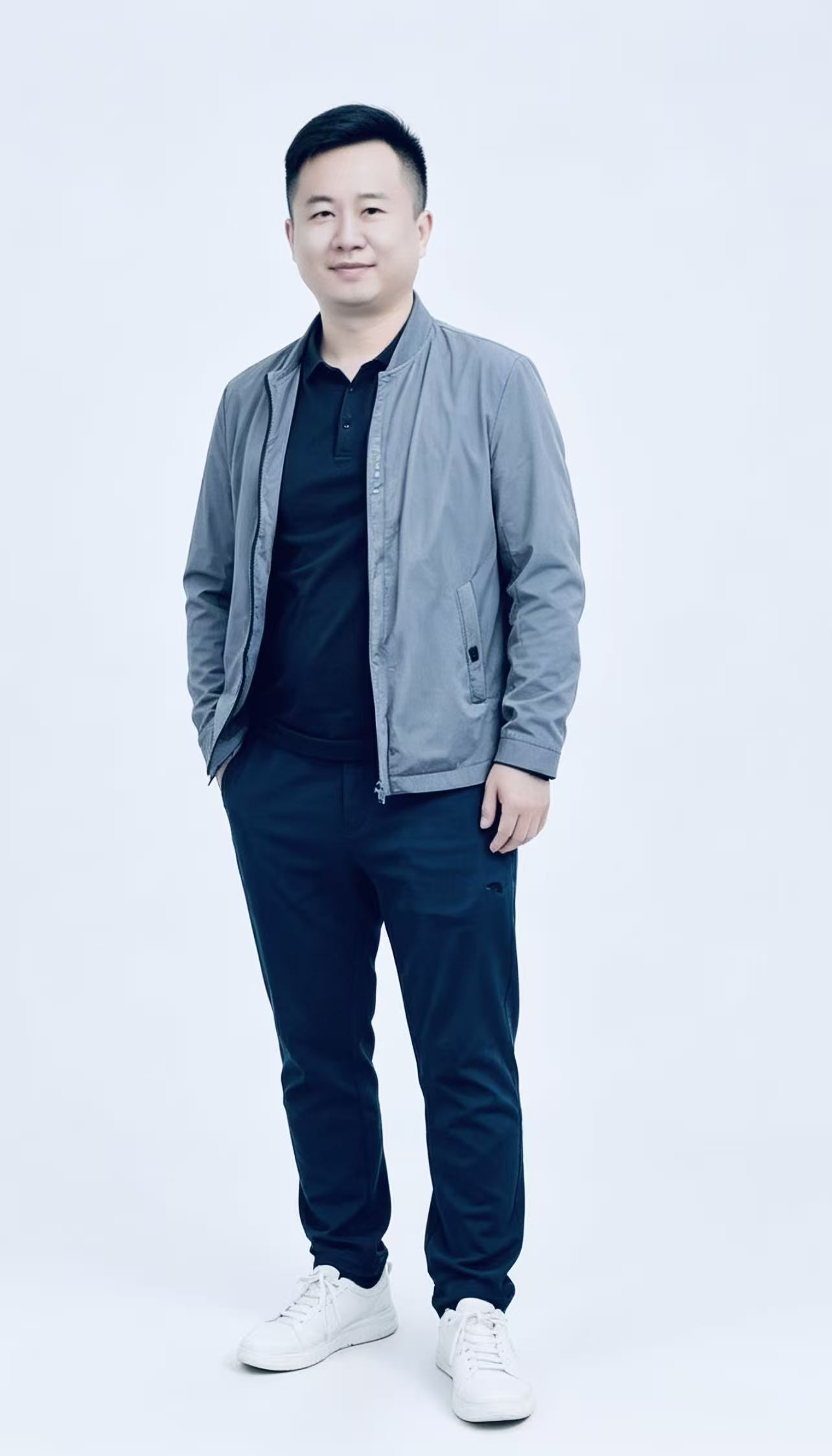
Owen ist der Gründer der Sueban Group in zweiter Generation, einem Hersteller von Reborn-Puppen mit Sitz in Guangdong, China. Mit über 20 Jahren familiärer Fertigungstradition leitet Owen die B2B-Geschäfte des Unternehmens, die Großhändler, Marken und institutionelle Käufer in über 20 Ländern beliefern.
Triff Owen
 English
  Deutsch
  Français
  Español
  Italiano
  Nederlands