
For care home managers and healthcare professionals seeking compassionate, evidence-based ways to improve resident wellbeing, the challenge of managing the behavioral and psychological symptoms of dementia (BPSD) is ever-present. Amidst the array of non-pharmacological interventions, reborn doll therapy has emerged as a particularly effective and person-centered approach. This guide delves into the research behind this practice, outlines its implementation in care settings, and provides practical advice on selecting and sourcing the most suitable therapeutic dolls.
What Research Says About Doll Therapy
Doll therapy is a well-established psychosocial intervention in dementia care. Its practice involves supporting individuals with dementia to engage with a realistic doll through holding, talking to, cuddling, or caring for it. A comprehensive 2024 scoping review of studies in care home settings confirms its significant benefits, which align with core goals of dementia care.
- Reduces Agitation and BPSD: The review identified a clear reduction in levels of behavioral and psychological symptoms. This includes a decrease in distressing behaviors such as verbal and physical agitation, aggression, and aimless wandering. By providing a positive focus for attention, the doll can help distract from internal discomfort or confusion, leading to greater overall calm.
- Enhances Communication and Social Interaction: For residents with diminished verbal abilities, the doll serves as a powerful social catalyst. It becomes a shared topic of conversation with caregivers and other residents, encouraging engagement and reducing social withdrawal.
- Increases Feelings of Security and Purpose:Research suggests the doll meets deep-seated psychological needs. It can trigger long-preserved emotional memories of caregiving, allowing the resident to re-assume a nurturing, parental role. This restores a sense of identity, competence, and self-worth, which are often eroded by the disease.
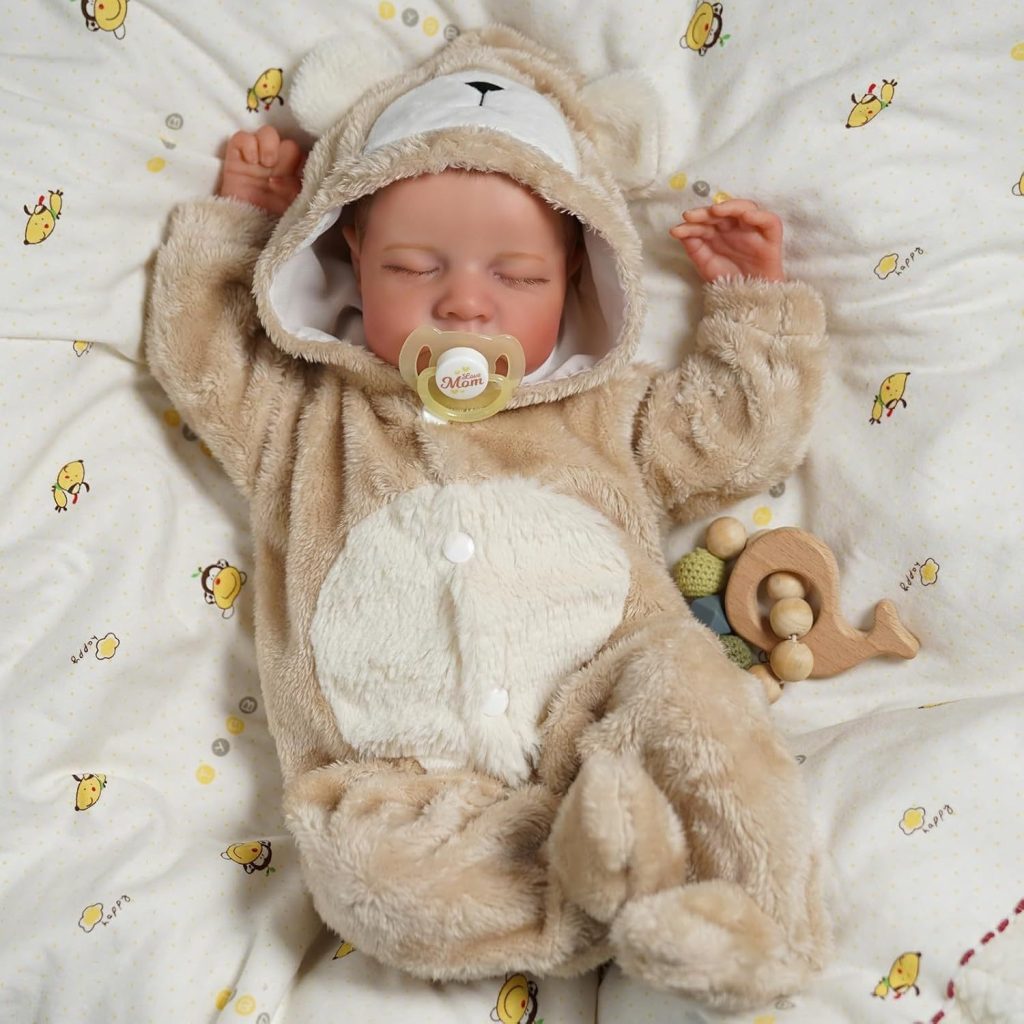
How Care Homes Use Reborn Therapy Effectively
Successful implementation in a care home goes beyond simply providing a doll. It requires a thoughtful, person-centered strategy.
- Integration into Daily Routine:The structured environment of a care home is ideal for incorporating the doll into daily rhythms. Staff can introduce the doll during quiet periods of potential restlessness. Encouraging simple caregiving routines—like rocking the doll after a meal or tucking it into a crib at bedtime—provides predictable, soothing structure that promotes a sense of normalcy.
- Providing Sensory Comfort:The therapeutic interaction is deeply sensory. The act of holding the weighted doll, feeling its soft, lifelike skin, and gently arranging its clothing provides tactile stimulation that can be profoundly grounding and anxiety-reducing. This sensory engagement is a key mechanism for alleviating distress and promoting emotional security.
A Best Practice Note: The approach should always be resident-led. The doll should be presented as a choice, not an imposition. Staff and families are encouraged to empathetically engage with the resident’s reality if they attribute lifelike qualities to the doll, as this validation supports the therapeutic bond.
Choosing the Right Doll for Elderly Users
Safety, durability, and therapeutic efficacy are paramount when selecting a doll for clinical or care home use. Not all dolls are created equal.
- Material (Full Silicone): For therapeutic settings, full-body silicone dolls are often the superior choice. Premium medical-grade platinum silicone offers an unmatched, realistic softness that is comforting to the touch. More importantly, it is a non-porous, hygienic material that is inherently more durable and easier to clean and disinfect than other materials—a critical factor in a communal care environment.
- Weight and Feel: The doll should have a gentle, realistic weight (typically 5-8 lbs) that mimics the heft of an infant, enhancing the sensory and calming feedback for the resident. It should feel substantial but not heavy or cumbersome for an elderly person to hold.
- Safety and Design:The doll must be designed with safety foremost. This means no small, detachable parts that could pose a choking hazard, securely rooted hair, and sturdy limb construction to withstand regular use. Features like peaceful, sleeping facial expressions are generally preferable to crying or loud sounds, which could cause upset.

Where to Source Safe, Therapeutic-Grade Reborn Dolls
For care institutions procuring multiple dolls or looking for customized solutions, partnering with a reputable manufacturer that understands the stringent requirements of medical and care environments is essential.
This is where specialized manufacturers like Sueban Group provide a reliable advantage. Moving beyond generic suppliers, we focus on producing dolls that meet the specific demands of therapeutic use:
- Medical-Grade Material Assurance:We prioritize safety and longevity by using certified, non-toxic, and phthalate-free materials. Our expertise in full-body platinum silicone is particularly relevant for care settings, as it ensures a product that is not only hyper-realistic and soothing but also easy to maintain to a high hygienic standard.
- Durability for Professional Use:Our dolls are engineered for resilience in communal environments, with reinforced seams and robust construction to ensure they remain safe and intact through daily therapeutic interactions.
- Custom OEM/ODM Support: We recognize that different care homes may have specific needs. Whether you are a nationwide care provider seeking a consistent product line, a therapy network developing a tailored program, or a distributor serving the senior care market, our OEM/ODM services allow for collaboration to develop dolls that perfectly align with your care protocols and standards.
Doll therapy, when implemented with understanding and the right tools, is more than an activity—it is a dignified form of care that can reduce distress, spark joy, and rekindle a sense of purpose for individuals living with dementia. For forward-thinking care providers, investing in high-quality, purpose-built therapeutic dolls is an investment in the emotional ecosystem of their home.
