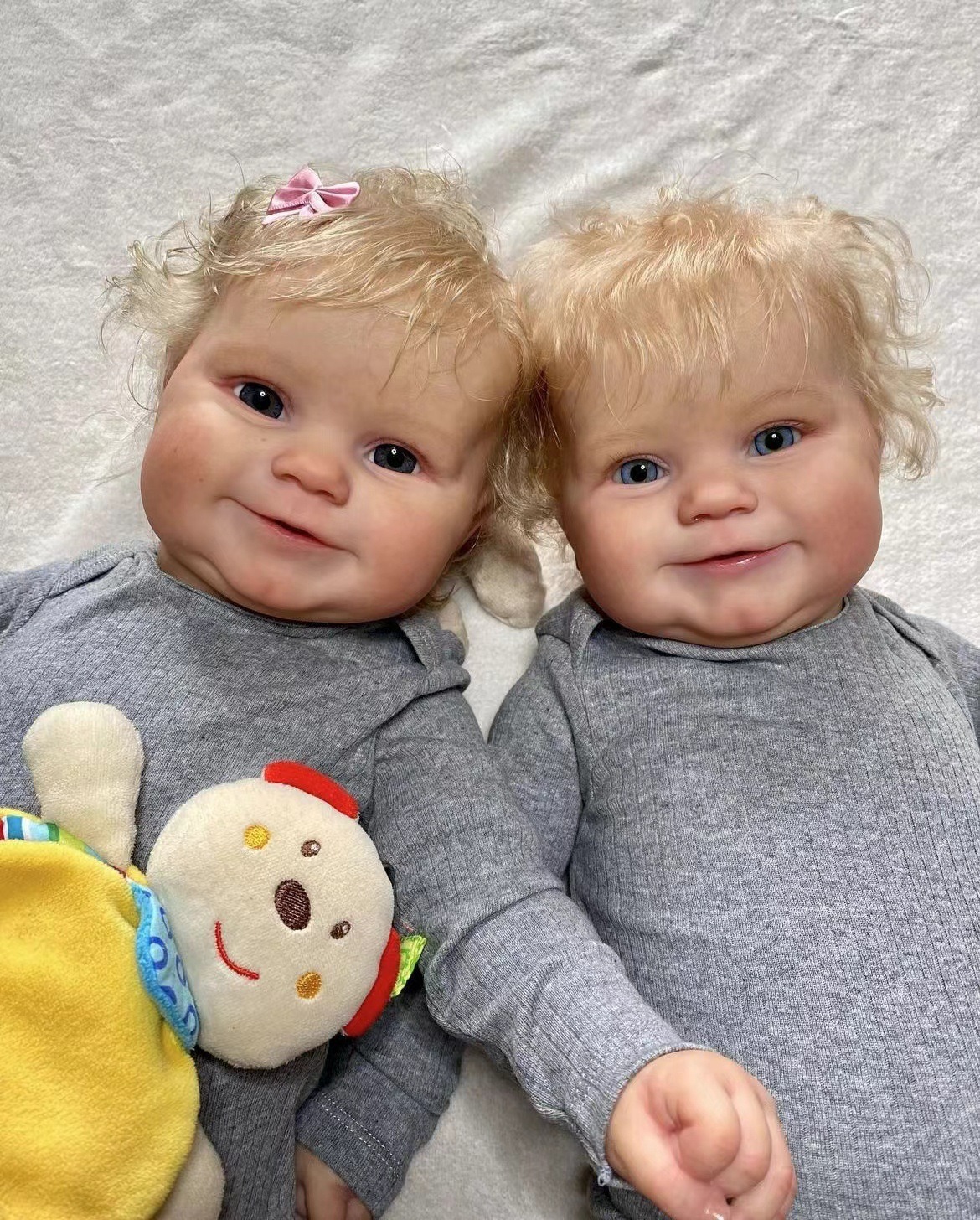
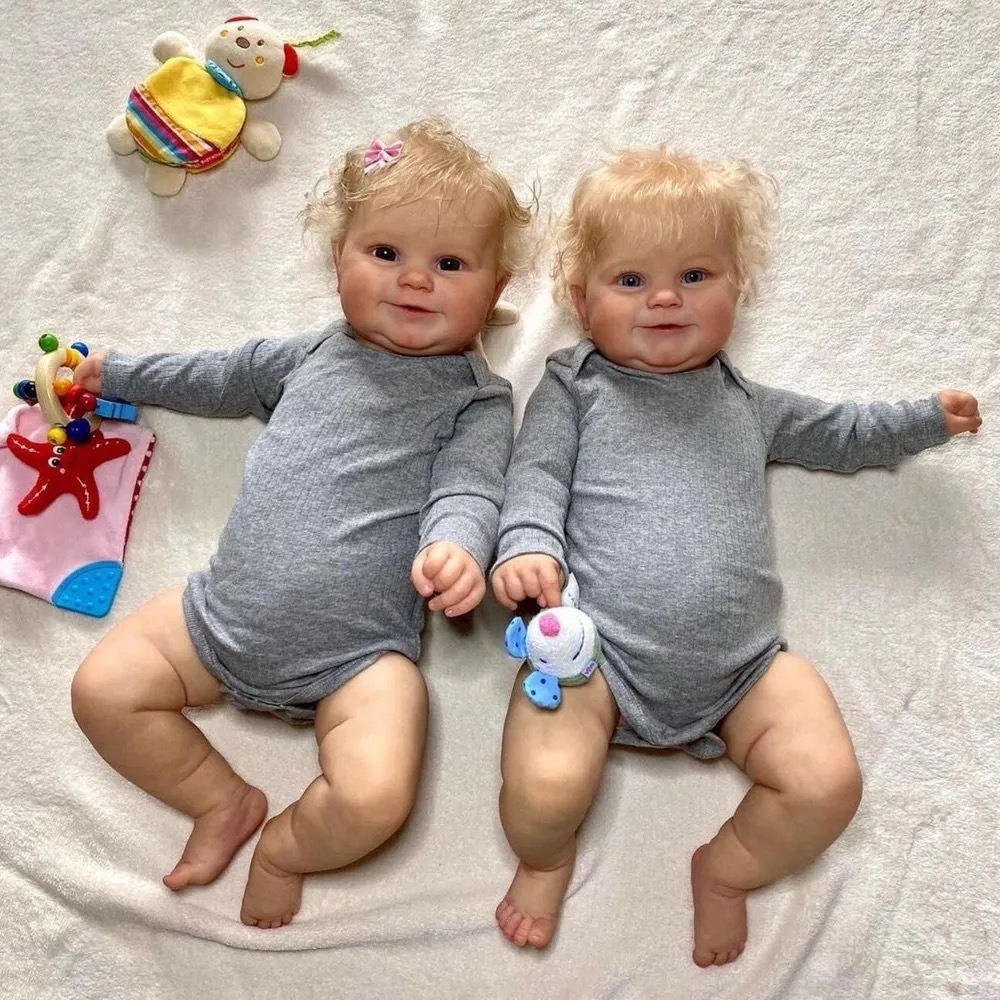
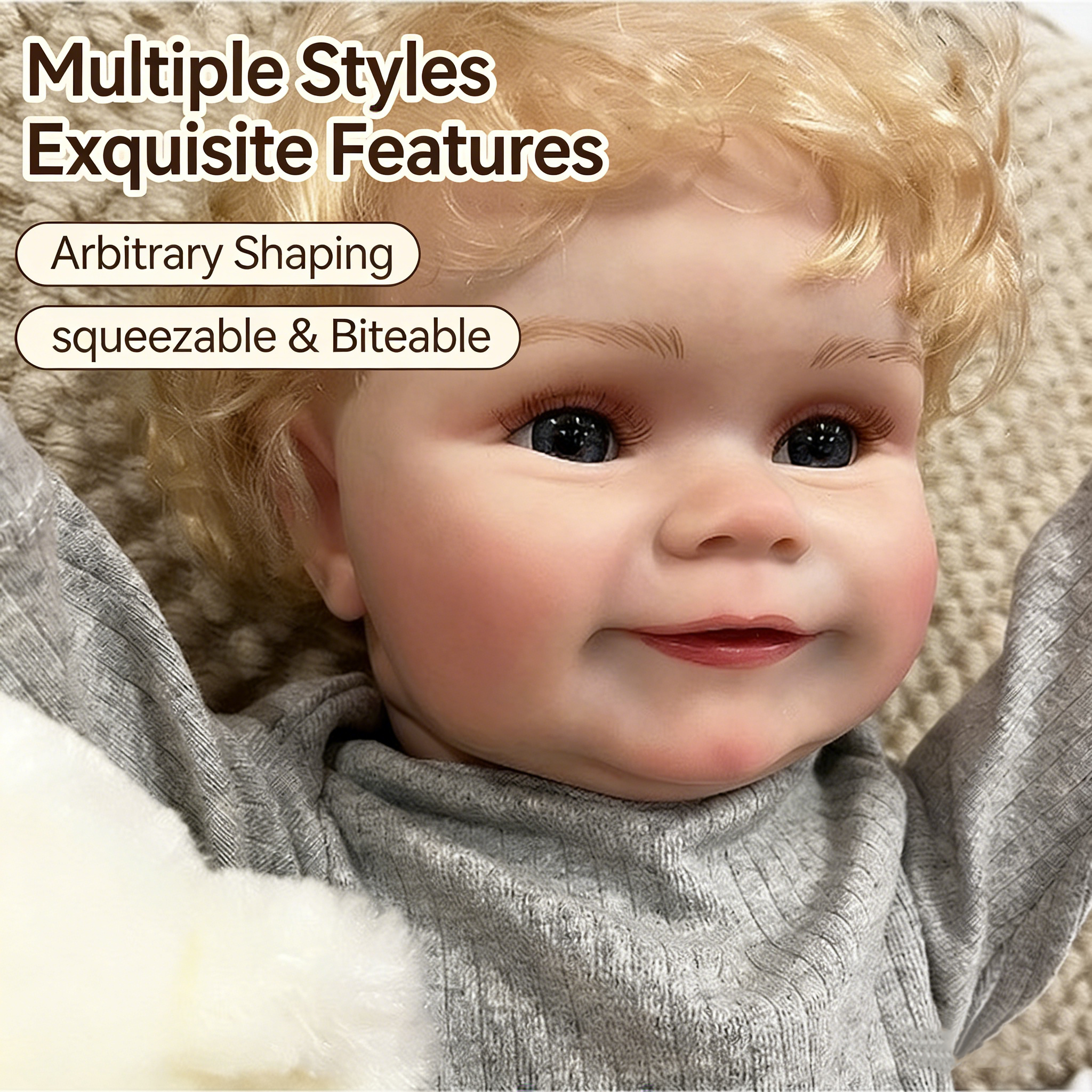
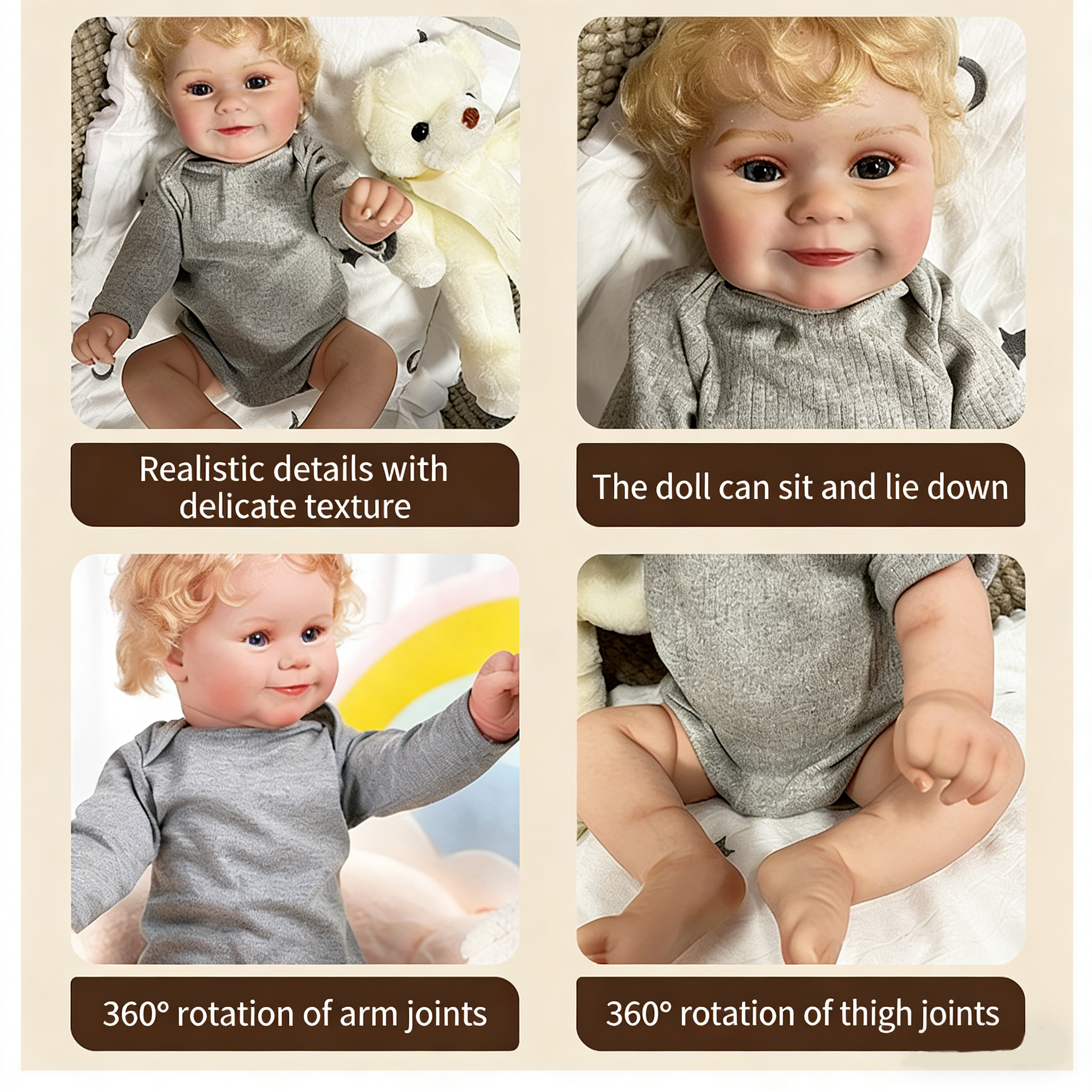
Struggling to distinguish between a simple toy and the Best Reborn Dolls for Therapy and Dementia Care? You aren’t alone. Most buyers look at the face, but as a manufacturer, I look at the engineering. Selecting the right therapy doll is about more than just aesthetics; it requires a precise balance of safety standards, weight distribution, and sensory feedback. In fact, the difference between a collector’s item and a true comfort tool often comes down to the manufacturing specs that nobody talks about.
In this guide, I’m taking you behind the factory curtain. You’ll learn exactly how to choose professional-grade therapy dolls that are safe, durable, and scientifically designed to provide emotional relief. Here is the factory perspective on investing in quality. Let’s dive in.
What Makes a Reborn Doll ‘Therapeutic’? (The Technical Breakdown)
At Sueban Group, we understand that for a doll to function effectively as a therapeutic tool, it must be more than just visually accurate—it must feel real. We approach the manufacturing of therapeutic weighted baby dolls not as toy production, but as the engineering of empathy. Every gram of weight and every layer of paint is calculated to trigger specific sensory responses in seniors with dementia or Alzheimer’s.
Weight Distribution & Center of Gravity
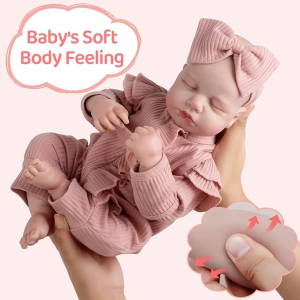
The most critical factor in dementia care comfort objects is the “dead weight” effect. A standard toy doll feels hollow and light, which breaks the illusion immediately.
- Strategic Weighting: We utilize glass beads and poly-pellets sealed within the cloth body and limbs.
- Head Support: We intentionally weight the head to require support from the holder’s hand. This physical requirement forces the caregiver to cradle the doll against their chest, mimicking the holding of a real infant.
- The Result: This posture stimulates the release of oxytocin (the bonding hormone) and provides deep pressure therapy, which helps lower anxiety levels.
Material Selection: Soft-Touch Vinyl vs. Silicone
Facility managers often ask us about the trade-off between realism and longevity. While full silicone offers a unique texture, it is often too fragile for the high-traffic environment of a nursing home. We recommend soft-touch vinyl for institutional use.
| Feature | Soft-Touch Vinyl (Recommended) | Solid Silicone |
|---|---|---|
| Durability | High; resistant to tearing | Low; prone to peeling/tearing |
| Maintenance | Easy to wipe down | Attracts dust/lint; requires powdering |
| Feel | Smooth, skin-like texture | Very soft, “jelly” like |
| Cost | Cost-effective for bulk orders | High cost per unit |
The Visuals: Non-Threatening Realism
For realistic sensory dolls for seniors, the facial expression is a matter of psychological design. We instruct our sculpting team to create neutral expressions rather than intense crying or laughing faces.
- Emotional Projection: A neutral or sleeping face allows the patient to project their own emotions onto the doll. If a patient is sad, a smiling doll can be confusing or agitating.
- Uncanny Valley: We avoid hyper-exaggerated features. Subtle realism is calming; excessive detail can sometimes be frightening to those with cognitive decline.
Paint Durability: Heat-Set Genesis Paints
Sanitation is non-negotiable in healthcare settings. Standard air-dry paints will fade or chip after repeated exposure to sanitizing wipes.
- The Process: We use Genesis heat-set paints, which are baked into the vinyl at high temperatures.
- Longevity: This creates a permanent bond, ensuring the multi-layer skin tones, veins, and blushing do not rub off during cleaning.
- Hygiene: This durability allows staff to maintain durable dolls for nursing homes without compromising the doll’s lifelike appearance over time.
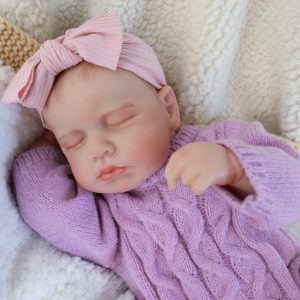
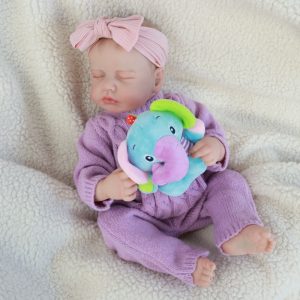
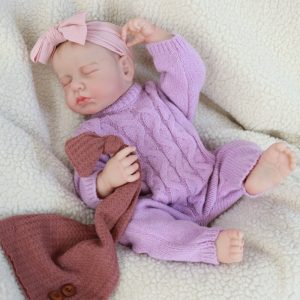
Safety First: Critical Standards for Senior Care Facilities
When manufacturing dolls for memory care units and nursing homes, safety is just as critical as it is for children’s toys. Seniors with dementia often have fragile skin or may attempt to put objects in their mouths, making the chemical composition of our materials a top priority. As a factory, we strictly control the inputs to ensure every product is safe for long-term handling.
Chemical Safety & Certifications: ASTM F963 and EN71
We don’t guess when it comes to compliance. Our production lines adhere to rigorous international standards, specifically ASTM F963 (USA) and EN71 (Europe). These certifications verify that our ASTM F963 certified reborn dolls are free from harmful heavy metals and toxic elements. Understanding these benchmarks is essential when learning how to spot quality in reborn dolls for institutional use. If a supplier cannot provide these test reports, the dolls should not be introduced into a healthcare environment.
Phthalate-Free Materials for Skin Safety
Seniors frequently cradle therapy dolls against their necks or faces for comfort. Therefore, we utilize medical-grade, non-toxic vinyl reborn dolls that are completely Phthalate-free and Lead-free. This prevents any chemical leaching or skin irritation during prolonged contact, ensuring the therapy remains a source of comfort rather than a health risk.
Hygiene: Cloth Body vs. Full Vinyl Body
Sanitization is a major concern for facility managers. We offer two main body types, each with specific trade-offs for care environments:
- Cloth Body: Heavily weighted and soft, offering the best “cuddle factor.” However, cloth is porous and difficult to clean if soiled.
- Full Vinyl Body: While slightly stiffer, our full-body vinyl reborn dolls are waterproof and can be wiped down with hospital-grade disinfectants.
For patients dealing with incontinence or where spills are frequent, washable reborn dolls for elderly residents (full vinyl) are often the more practical choice for hygiene maintenance.
Hair Durability: Painted vs. Rooted Mohair
While hand-rooted mohair looks incredibly real, we often recommend hand-painted hair for dementia care settings. Rooted hair requires gentle detangling and can shed or become messy over time. Painted hair offers a realistic look without the texture, eliminating the risk of patients pulling out fibers or the doll looking “unkempt” after repeated handling. This ensures the doll remains a dignified, durable doll for nursing homes without requiring daily styling by staff.
Top Reborn Doll Categories for Dementia Care
As a manufacturer supplying healthcare facilities and specialized distributors, we don’t just produce “one-size-fits-all” dolls. We engineer specific models to address different stages of cognitive decline and therapeutic needs. Through our R&D process, we have identified three primary categories of therapeutic reborn dolls that provide the most benefit in clinical and home care settings.
The ‘Cuddle Companion’ (Soft Cloth Body)
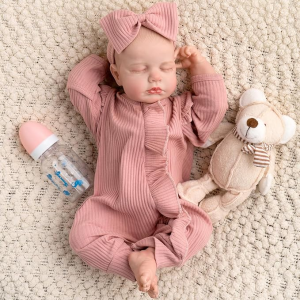
For patients in late-stage dementia or those who are bedbound, safety and comfort are the top priorities. Rigid dolls can be uncomfortable to sleep with or hold for long periods. We manufacture soft body reborn dolls that feature a weighted cloth torso combined with soft vinyl limbs (usually 3/4 length). This design offers maximum flexibility and a high “snuggle factor.”
From a factory perspective, we prioritize soft-touch silicone baby dolls for this category because they prevent accidental bruising that might occur with harder, full-vinyl dolls if a senior falls asleep holding them. Our 18-inch soft silicone reborn babies are specifically crafted to provide this gentle tactile experience while maintaining a realistic facial appearance that encourages nurturing.
The ‘Sensory Sleeper’ (Weighted Vinyl)
Anxiety and “Sundowning” (increased agitation in the late afternoon) are significant challenges in memory care. To help manage this, we produce weighted therapy dolls for anxiety that are engineered to mimic the specific “dead weight” of a sleeping infant. We use glass beads or poly-pellets sealed within the body to ensure the center of gravity rests naturally against the patient’s chest.
When a resident holds one of our heavier 19-inch full silicone baby models, the weight distribution triggers a calming sensory response, similar to a weighted blanket. These therapeutic weighted baby dolls are designed with durability in mind, often featuring full vinyl or silicone bodies that can be easily sanitized by staff.
The ‘Memory Spark’ (Toddler Size)
For residents who retain some motor skills, we recommend larger, toddler-sized dolls (typically 22 to 24 inches). These serve as excellent tools for occupational therapy. The larger frame allows the doll to wear standard infant clothing (0-3 months size), which is easier for seniors to handle than preemie sizes.
We categorize these as “Memory Spark” dolls because they are used for dressing therapy. Seniors can practice fastening buttons, pulling up zippers, and tying ribbons. This activity helps maintain fine motor skills and provides a strong sense of purpose and accomplishment, which is vital for reborn dolls dementia care.
Comparison of Therapeutic Doll Types
| Feature | Cuddle Companion (Cloth Body) | Sensory Sleeper (Weighted Vinyl) | Memory Spark (Toddler Size) |
|---|---|---|---|
| Primary Use | Bedbound comfort, sleeping aid | Anxiety reduction, sensory grounding | Occupational therapy, dressing practice |
| Body Material | Soft cloth torso with vinyl limbs | Full vinyl or heavy silicone | Cloth or vinyl (larger scale) |
| Weight Feel | Light to Medium (Easy to lift) | Heavy (Simulates real baby weight) | Medium (Balanced for movement) |
| Durability | High (Flexible) | Very High (Water-resistant options) | High (Jointed for posing) |
| Best For | Late-stage dementia, frail seniors | Sundowning symptoms, agitation | Early-stage dementia, rehab |
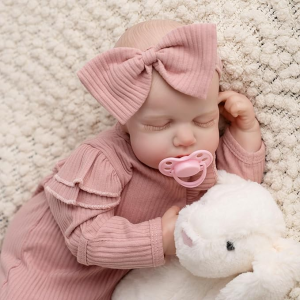
Why Source Directly from the Factory? (The Sueban Advantage)
When equipping a healthcare facility or stocking a distribution channel, reliability is just as important as realism. Sourcing directly from us ensures you get professional-grade therapeutic tools rather than fragile art pieces. We understand the specific needs of the US market, where liability and durability are major concerns for facility managers.
Consistency and Safety Standards
Individual artists create beautiful work, but their processes vary from doll to doll. For a care home, this inconsistency is a risk. We guarantee that every therapeutic weighted baby doll leaving our production line meets the exact same specifications for weight, material safety, and construction. You don’t have to worry about loose parts or toxic paints; our standardized manufacturing process ensures durable dolls for nursing homes that can withstand daily handling.
Cost-Efficiency for Bulk Procurement
Budget constraints are a reality for senior care centers. Understanding why reborn dolls are so expensive in the collector market highlights the immense value of factory-direct sourcing. We strip away the markup of middlemen and boutique branding.
- Volume Pricing: We offer wholesale reborn dolls for hospitals that allow you to equip an entire memory care wing for the cost of a few single artist dolls.
- Long-Term Value: Our materials are selected for longevity, reducing the need for frequent replacements.
Customization (OEM/ODM) Capabilities
Therapy is most effective when the patient feels a personal connection. A generic doll may not resonate with everyone. As a custom OEM reborn doll manufacturer, we have the capacity to tailor production runs to your specific needs.
- Diverse Demographics: We can customize skin tones and ethnic features to reflect the diversity of your residents.
- Size Variations: From preemie sizes for cuddling to toddler sizes for dressing therapy, we adjust molds to fit your therapeutic goals.
Care and Maintenance Guide for Facility Managers
Ensuring the longevity of reborn dolls for dementia care in a clinical setting requires a specific maintenance protocol. As manufacturers, we build durable dolls for nursing homes designed to withstand frequent handling, but the materials—specifically the soft vinyl and weighted cloth bodies—need correct care to maintain their therapeutic value and hygiene standards.
Cleaning Vinyl ‘Skin’ Safely
The realism of our dolls comes from multiple layers of Genesis heat-set paints. While these are durable, harsh hospital-grade solvents can degrade the finish over time.
- Avoid Alcohol and Bleach: Never use alcohol-based wipes or bleach on the vinyl parts. These chemicals can strip the paint and turn the vinyl shiny or sticky.
- Gentle Wipe Down: Use a soft cloth dampened with water and a mild, pH-neutral soap to clean the face and limbs.
- Dust Removal: For deep crevices (eyes, ears, and folds), use a soft brush or a cotton swab to remove dust without scratching the surface.
Hygiene and Clothing Management
Sanitation is critical in shared environments. While a cute cloth body vinyl reborn doll offers superior “cuddle factor,” the fabric torso requires different care than full silicone models.
- Doll Clothing: Treat the doll’s outfit like any other resident laundry. We recommend washing doll clothes weekly in hot water to kill bacteria.
- Body Protection: If the doll has a cloth body, it is generally not fully submersible due to the internal weighting materials (glass beads or poly-pellets). Spot clean the fabric torso with a damp sponge and mild detergent.
- Incontinence Prevention: For patients in later stages of dementia, we suggest using nappies (diapers) on the dolls to prevent soiling the cloth body, which extends the lifespan of these washable reborn dolls for elderly residents.
Storage and Structure Preservation
Proper storage ensures the doll maintains its therapeutic weighted balance and visual appeal.
- Temperature Control: Store dolls away from direct sunlight and radiators. Extreme heat can soften the vinyl and fade the skin tones, while direct sun can discolor the hair.
- No Stacking: Never stack heavy items on top of the dolls. The vinyl is soft to the touch but can deform if compressed for long periods.
- Limb Alignment: When storing, ensure the limbs are not twisted in unnatural positions, which can stress the internal joints and cable ties used in assembly.