
Understanding Reborn Dolls: Materials, Craftsmanship, and Types
Reborn dolls are lifelike baby dolls crafted with incredible detail to mimic real infants. They’re popular for both collectors and those seeking emotional support dolls for seniors or realistic dolls for kids. Understanding the materials and craftsmanship behind these dolls helps assess their safety and suitability.
Vinyl vs. Silicone Dolls
Most reborn dolls are made from either vinyl or silicone, each offering different features:
- Vinyl dolls are lightweight and more affordable. They have a soft but firm texture and often come with painted details. These dolls usually have weighted bodies and rooted hair for added realism.
- Silicone dolls are heavier and feel more like real skin. They’re softer to the touch, flexible, and often preferred for therapeutic reborn dolls used in dementia care due to their natural feel. Silicone models can better simulate a real baby’s warmth and movement.
Key Features: Weighted Bodies, Rooted Hair, Hand-Painted Details, Magnets
- Weighted bodies give the doll a realistic heft, which is important for therapeutic and emotional support dolls seniors find comforting.
- Rooted hair is carefully implanted strand by strand, providing a lifelike look and allowing gentle styling without damage.
- Hand-painted details include delicate skin tones, veins, and blush, enhancing realism.
- Some reborn dolls include magnets in the hands or mouth to hold accessories like pacifiers, but these can raise safety concerns, especially for children or elderly with pacemakers.
When choosing reborn dolls for dementia therapy or child use, being aware of these materials and features is vital for safety and effectiveness.
Safety Considerations for Children
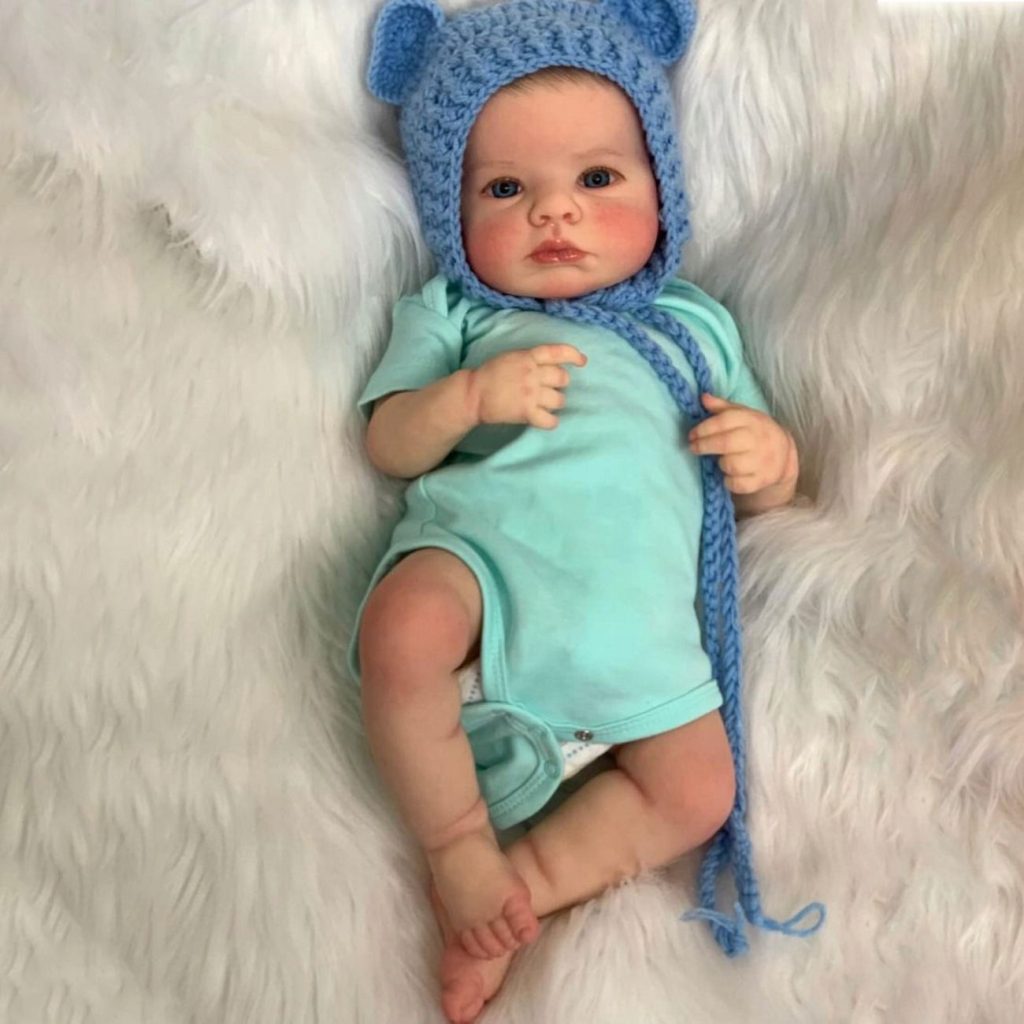
When it comes to reborn dolls for children, safety is a top priority. These dolls often include small parts like magnets for pacifiers or rooted hair that can pose choking hazards, especially for toddlers. Kids under three years old should avoid dolls with detachable accessories or tiny pieces that could easily come loose.
Durability is another factor; some reborn dolls are more delicate because of hand-painted details and weighted bodies, making them less ideal for rough play. Look for age recommendations provided by the manufacturer and choose models designed specifically for child play.
For added peace of mind, opt for certified non-toxic models made from safe materials like medical-grade silicone or vinyl that meet U.S. safety standards. These non-toxic reborn dolls reduce risks of allergic reactions or exposure to harmful chemicals during long-term use. Prioritizing certified materials and sturdy construction helps keep your little one safe while enjoying realistic dolls for kids.
Alternatives to Traditional Reborn Dolls for Child Play
For parents looking for child-safe realistic dolls, there are excellent alternatives to traditional reborn dolls. Many trusted brands now offer lifelike baby dolls designed specifically for toddlers and young kids, focusing on safety and durability without sacrificing the emotional benefits.
Benefits for Emotional Development
- Encourage nurturing behavior
- Help with empathy and social skills
- Support imaginative play and comfort
Parental Tips for Safe Play
| Tip | Details |
|---|---|
| Supervise Playtime | Always watch toddlers to avoid choking hazards |
| Choose Non-toxic Dolls | Look for certified non-toxic materials |
| Avoid Small Parts | Steer clear of dolls with removable magnets or buttons |
| Teach Gentle Handling | Promote respect for dolls to prevent damage |
These child-safe realistic dolls provide the emotional support and engagement children enjoy while keeping safety a top priority. For options combining quality and safety, check out trusted collections such as soft vinyl dolls with cloth bodies, which often offer the best balance between realism and durability. You can explore options like the cute cloth body vinyl reborn doll for a safe alternative designed for kids.
 Reborn Dolls in Elderly Care and Dementia Therapy
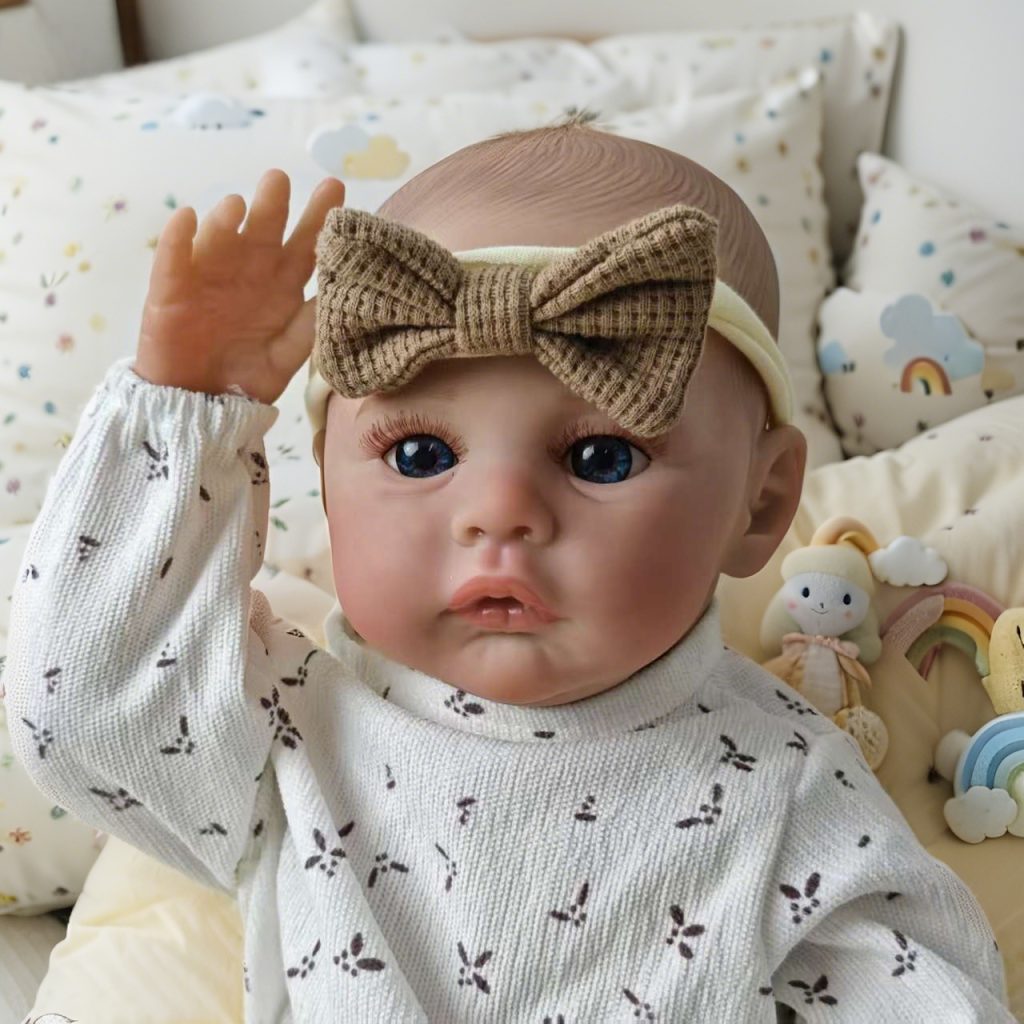
Doll therapy uses lifelike reborn dolls to help seniors, especially those with dementia or Alzheimer’s, find comfort and engagement. The goal is simple: reduce anxiety and agitation while boosting mood and social interaction.
Benefits of Doll Therapy for Dementia Care
| Benefit | Explanation |
|---|---|
| Reduces agitation | Holding or caring for a doll calms restlessness |
| Lowers anxiety | Focus on the doll soothes nerves and promotes relaxation |
| Improves engagement | Encourages conversation and socialization |
| Enhances mood | Provides comfort and a sense of purpose |
Studies in nursing homes show that therapeutic reborn dolls help reduce challenging behaviors and improve overall wellbeing in residents with cognitive decline. These realistic dolls offer emotional support that traditional approaches may lack.
Using reborn dolls in dementia care taps into memories of parenting and caregiving, sparking positive emotions and reducing feelings of loneliness. This makes them valuable tools in treatment plans for seniors needing gentle, non-medical intervention.
Safety and Best Practices in Elderly Care Settings
When using reborn dolls in elderly care, especially for dementia therapy, safety and hygiene are top priorities. Choose durable, easy-to-clean, non-toxic dolls made from materials like platinum silicone or high-quality vinyl. These materials help prevent allergic reactions and make regular cleaning straightforward, which is essential in nursing homes and care facilities.
Avoid reborn dolls with magnets, as they can interfere with pacemakers or other implanted medical devices commonly found in seniors. Instead, look for dolls designed specifically without magnetic components.
Caregivers should always practice emotional monitoring—watch for signs of over-attachment or confusion in residents. Doll therapy is powerful but requires dignified use: respect the feelings and privacy of the elderly while engaging with the dolls. Regular hygiene routines, including cleaning and disinfecting the dolls, help prevent infections and maintain a safe environment.
Following these simple precautions ensures that therapeutic reborn dolls remain a helpful and safe tool in dementia care, improving mood and reducing agitation without compromising health or dignity.
Choosing the Right Reborn Doll: Key Factors for Safety
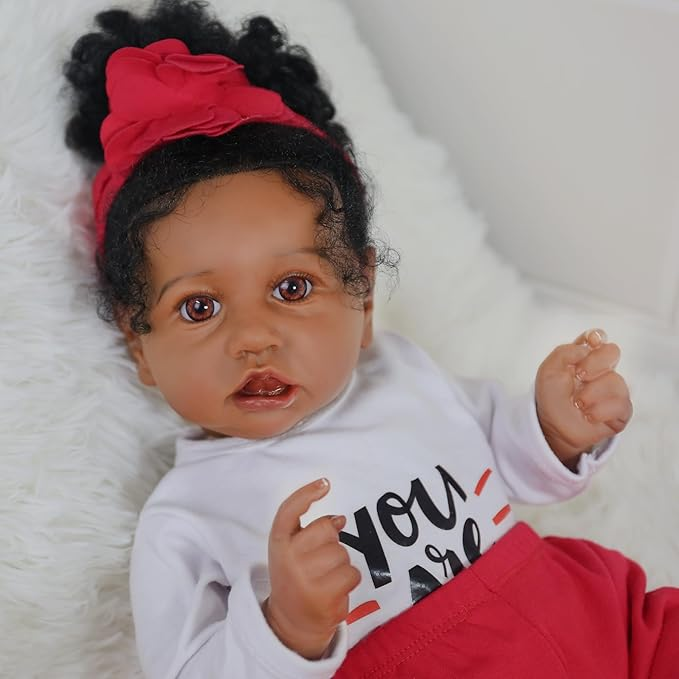
When selecting a reborn doll, especially for children or elderly care settings, safety should be your top priority. Material choice matters a lot—platinum silicone dolls stand out because they’re hypoallergenic, flexible, and durable, making them ideal for sensitive users. Unlike cheaper vinyl dolls, high-quality silicone holds up better over time and feels more lifelike, which is important for therapeutic use.
Look for certifications and quality assurance marks like ASTM F963 or CPSIA compliance. These ensure the doll meets safety standards regarding non-toxic materials and manufacturing processes. Certified non-toxic reborn dolls reduce risks of allergic reactions, a critical feature for both kids and seniors.
Customization is another big plus. Many manufacturers offer options tailored for therapy or child safety—such as weighted bodies that replicate real infants, soft rooted hair instead of glue-on wigs, and no small detachable parts. Some also include magnets for pacifiers or clothing that’s secure but easy to manage, which can help in dementia care without posing choking hazards.
For a closer look at quality and care tips, you might explore detailed guides on caring for silicone reborn dolls or check out suppliers specializing in sleeping silicone baby dolls. They offer dolls crafted to the highest safety and realism standards, suitable for both emotional support and gentle play.
By prioritizing these key factors—material quality, certified safety, and appropriate customization—you choose a reborn doll that’s safe, nurturing, and therapeutic for the intended user.
Potential Risks and How to Mitigate Them
When it comes to reborn dolls, there are some risks to keep in mind, especially for kids and elderly users. For children, choking hazards are a real concern—small parts like magnets or removable accessories can cause serious issues. Damage from rough play can also make dolls unsafe over time. It’s important to choose certified non-toxic, child-safe reborn alternatives designed specifically for younger users and to supervise play closely.
For elderly care, especially in dementia therapy settings, over-attachment and confusion are potential risks. Some seniors might become too emotionally dependent on the doll or have difficulty distinguishing the doll from reality. Caregivers should regularly monitor emotional responses and provide support to ensure doll therapy remains beneficial and dignified.
Another key point is ethical sourcing. Avoid low-quality imports that may use unsafe materials or lack proper certifications. Selecting reborn dolls made from high-grade, non-toxic materials, preferably backed by certifications, ensures safety and peace of mind for both children and seniors. For better guidance on quality options, consider exploring models like the 12-inch platinum silicone wedding keepsake doll that emphasize safety and craftsmanship.
Expert Insights and Real-User Experiences
Many caregivers and therapists have shared valuable insights on using reborn dolls in therapy, especially for dementia care and emotional support. According to professionals, therapeutic reborn dolls can reduce agitation and anxiety while improving mood and engagement in seniors. One therapist noted, “Doll therapy with lifelike baby dolls elderly patients respond to often creates a calming effect that traditional methods can’t achieve.”
However, experiences vary widely. Some caregivers emphasize that these dolls aren’t a one-size-fits-all solution—they work best when introduced thoughtfully and monitored closely. Families report that reborn dolls can be transformative for emotional support dolls seniors, offering comfort and a sense of purpose. Still, others caution about possible confusion or over-attachment, reinforcing the need for ongoing evaluation.
Balanced perspectives from users highlight that while reborn dolls are highly effective in nursing home settings, especially in managing agitation in dementia patients, they’re not the right fit for everyone. When chosen carefully—such as those made with safe, non-toxic silicone materials—and used respectfully, they can be a beneficial addition to dementia care dolls strategies.
For those interested in high-quality options suitable for elderly care, exploring therapeutic silicone dolls for dementia and elderly care can ensure safety and effectiveness.
